
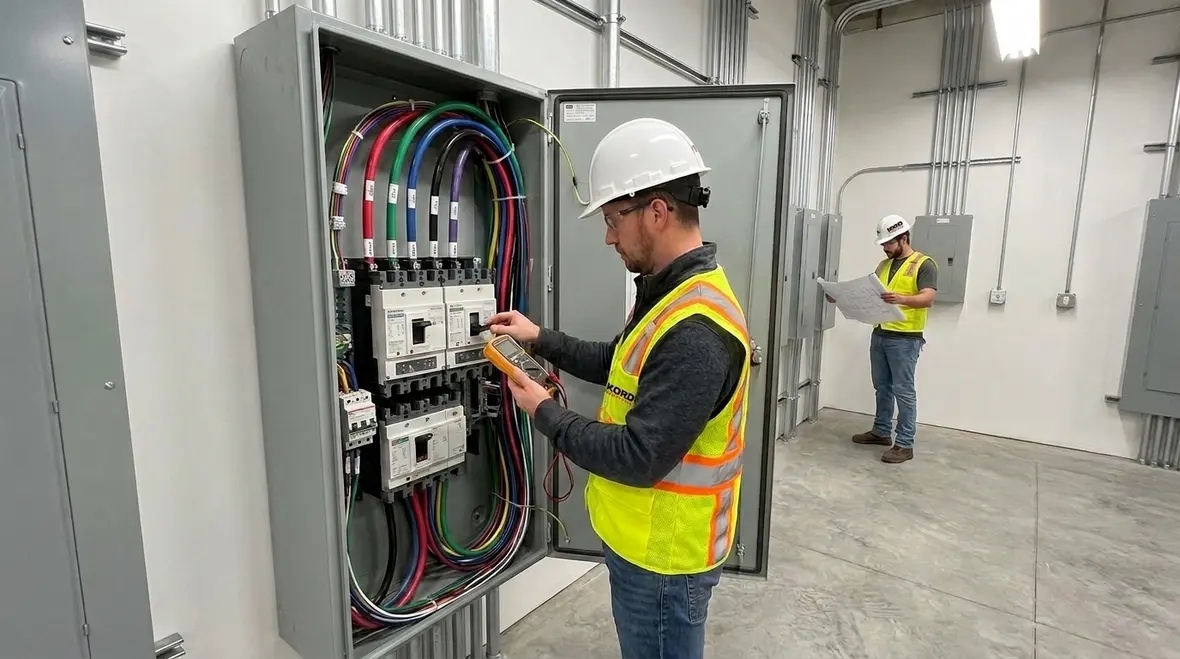
Commercial Power Distribution Upgrades: Capacity, Safety & Reliability
Commercial buildings run on one thing: power that shows up on time and stays steady. That is why Commercial Power Distribution Upgrades: Capacity, Safety & Reliability sits at the center of what we do at Kord Electric. When a facility grows, equipment changes, or demand rises, the electrical system must keep pace. Otherwise, downtime creeps in like a slow leak, and everyone suddenly becomes an expert in “why the lights are flickering.”
In this article, we explain how our team supports commercial and industrial facilities with upgrades that increase capacity, strengthen safety, and improve reliability. We also walk through how our expert service staff explains the process in plain language, so decision makers know what is happening, when it happens, and why it matters.
How capacity limits show up in real commercial facilities
Many owners wait until performance falls apart before they plan upgrades. However, in commercial and industrial settings, the warning signs often start long before an outage. For example, we commonly see building operators report frequent breaker trips, warm panels, dim lighting under load, or nuisance alarms from protective devices. Meanwhile, process equipment may run slower, cycle unevenly, or draw higher current than the original design assumed.
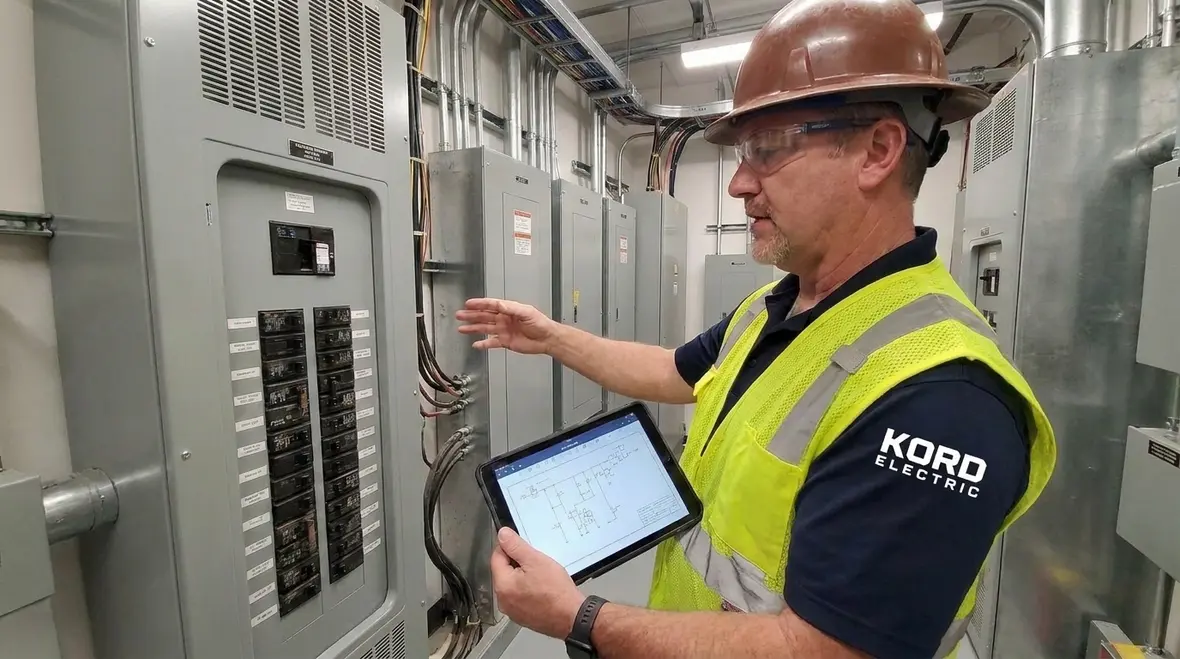
Also, we often find the real problem is not a single failed component. Instead, it is the mismatch between the electrical system and the facility’s present needs. Over time, tenants add load, production lines expand, and HVAC schedules shift. Consequently, the service capacity that once handled the building becomes tight, and the distribution system experiences higher stress.
When that happens, electrical gear does not “break” overnight. It degrades. Insulation ages faster, connections loosen under heat, and protective settings may no longer match the load profile. Then, of course, the building gets a new personality: unpredictable. Like a sitcom character, it only acts up when everyone is watching.
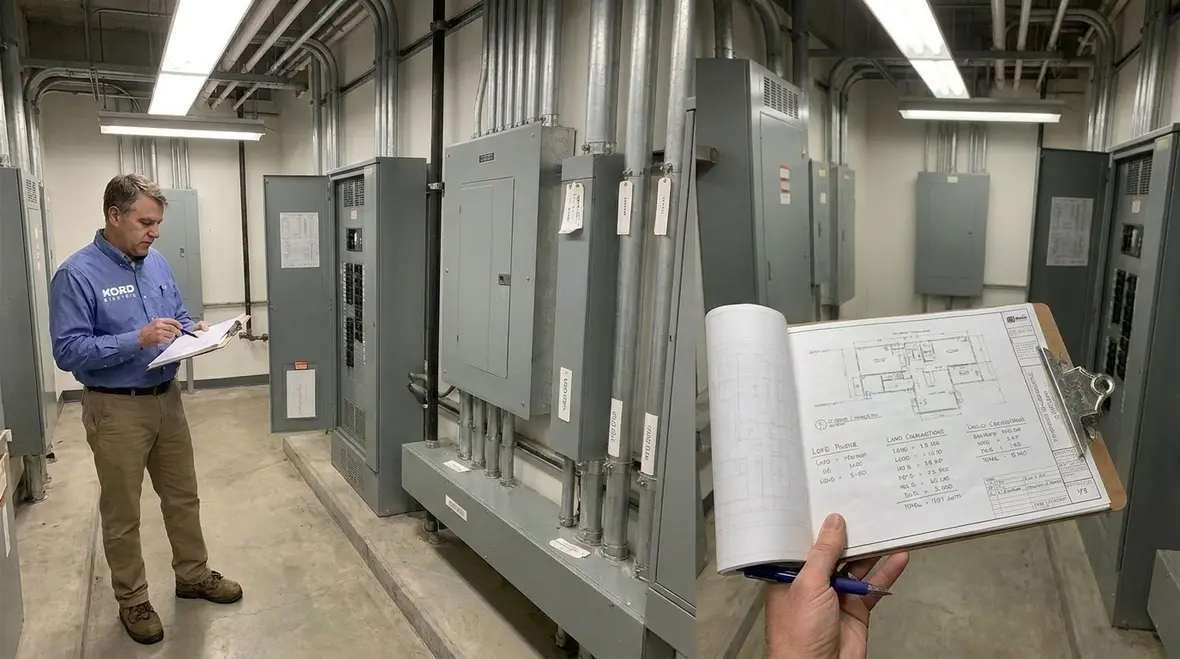
Step one is an electrical load and system review
Before we touch a wrench, we map the facility’s electrical story. Our expert service staff begins with a clear review of the existing service and distribution layout. They examine service size, feeder routing, panel ratings, grounding systems, and the condition of major components. Next, we discuss what equipment loads exist now and what loads are planned later. We also ask how often the facility runs at peak demand, and how sensitive operations are to downtime.
Then we move to load review and demand planning. We look at motor loads, power factor, harmonics risk from certain equipment, and how simultaneous loads stack up. In other words, we do not guess. We verify. From there, we identify where capacity is tight and where the system needs stronger protection and better distribution.
This review also helps us plan safe work. We coordinate with the site team so we can schedule testing, isolation, and switchovers with minimal disruption. After all, commercial work does not stop because a project needs better timing.

Modernizing service capacity without turning the building into a science project
Upgrading distribution is not just about adding amperage. We modernize the system so it performs under stress and protects people and equipment. During Commercial Power Distribution Upgrades: Capacity, Safety & Reliability work, our team may recommend new switchgear or main distribution equipment, upgraded breakers, improved bus design, and revised protection coordination. We also check whether the existing configuration supports safe maintenance and clear fault isolation.
To support smooth execution, we develop a staged plan. First, we identify what loads must remain online. Then we plan temporary feeds or phased switching as needed. Additionally, we align the upgrade with building operations, so critical areas keep running. Our technicians stay disciplined on safety steps, because electrical work in commercial and industrial environments demands strict control.
We also pay close attention to connections and terminations. In real life, the weakest link often sits in plain sight: aging lugs, loosened terminations, or corrosion at interfaces. Therefore, we inspect, clean, tighten, and verify terminations as part of reliability improvements, not as an afterthought.

Safety upgrades that reduce risk before something goes wrong
Safety is not a slogan in our work. It is a set of practical decisions. When we improve distribution capacity, we also reduce the chance of shock hazards, overheating, and uncontrolled fault conditions. Our technicians review grounding and bonding, verify protective device selection, and test key elements after installation.
We also focus on protective coordination so the system clears faults in the right order. That means less time in fault mode and less damage spreading through the facility. Moreover, we verify that labels, directories, and circuit documentation reflect the updated system. A mislabeled breaker is like a typo in a legal document: it might seem small until the day it costs you.
Finally, we consider environmental and operational factors. Some commercial spaces face heat, vibration, moisture, dust, or heavy switching cycles. Consequently, equipment selection and installation practices must match those conditions. Our team does not treat every building like a template. We treat each one like a real system with real people relying on it.
Testing, commissioning, and documentation our team stands behind
Once equipment is installed, we do not walk away. We test and confirm performance. Our expert service staff uses proper procedures to check continuity, verify insulation integrity when applicable, test breaker functionality, and validate protective operation. We also verify that power quality remains within expected limits for the facility’s loads.
Because commercial and industrial facilities rely on traceability, we provide documentation that matches what we actually installed. Then we update circuit directories, one lines, and equipment records so future maintenance teams can act fast. That reduces troubleshooting time later, and it supports better future upgrades.
In many cases, commissioning also reveals opportunities to tune the system. For instance, we may adjust settings or recommend targeted improvements based on load behavior we observe after the upgrade. This helps the facility run more smoothly, rather than simply “working again.” Like tuning a band before a show, the goal is to sound right from the first note.
Featured details from our upgrade approach for service capacity
Our blog entry on upgrading commercial electrical service capacity highlights how owners can plan upgrades with clear steps and realistic outcomes. We build on those ideas by focusing on the parts that prevent surprises: a proper assessment, a capacity plan tied to real demand, and safe execution. In addition, we emphasize communication throughout the project. We explain what we plan to do, how we will protect operations during switching, and what testing proves the work is complete.
Here, we summarize the themes our clients repeatedly value when they work with Kord Electric:
What we prioritize
- Accurate demand review that matches current and future loads
- Equipment choices that support safe switching and fault handling
- Staged work plans to reduce downtime risk
- Verification testing and commissioning after installation
What owners notice
- Lower likelihood of nuisance trips and overheating
- More stable voltage under peak demand
- Clear documentation for maintenance and future expansion
- Better confidence during inspections and audits
FAQ: Commercial power upgrades that building leaders ask us
Call Kord Electric when capacity, safety, and uptime matter
If your commercial or industrial facility shows signs of overloaded distribution, Kord Electric can help you act early and upgrade with confidence. We send expert technicians who explain each step clearly, plan the work to protect operations, and test results so your system performs as designed. Stop guessing and start improving your electrical backbone before the next shutdown turns into a headline. Contact Kord Electric today to schedule an electrical review and build a capacity plan that keeps your facility running.
If you manage facilities in Southern California, you can also explore our broader Los Angeles County electrical services for support that extends from Commercial Power Distribution Upgrades: Capacity, Safety & Reliability to preventive maintenance, lighting, EV charging, and more.
When you are ready to connect upgrades with a wider electrical strategy, our team can pair your project with related commercial electrical services so your distribution, panels, and critical equipment all move forward together. That way, each upgrade reinforces the next, and your building’s electrical system feels less like a mystery and more like a well-documented asset your team can rely on day after day.


