Upgrading Commercial Electrical Service Capacity
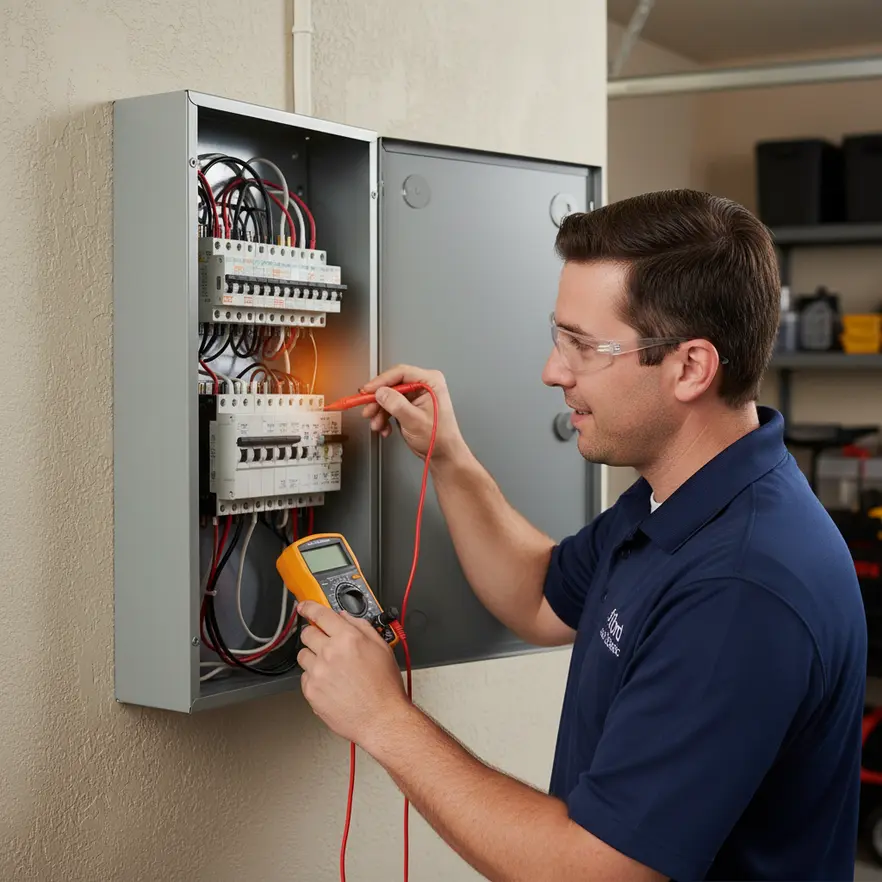
At Kord Electric, we help companies move through the real-world truth of power: your business runs on electricity, and power systems do not stay frozen in time. That is why we focus on upgrading commercial electrical service capacity when a building starts to show stress. When electrical demand rises, safety margins shrink, and equipment ages, the electrical service often becomes the limiting factor. Others notice it first as “mysterious” flickers, warm panels, or breakers that trip at the worst moments. Yet behind those small annoyances, the building may need a planned electrical service upgrade, not a quick patch. So we assess your commercial property carefully, and we guide owners step by step, with technicians who explain what they find in plain language.
When do power demands outgrow the existing setup?
In many commercial and industrial buildings, upgrades do not happen because someone wakes up and says, “Let us spend money today.” Instead, changes occur slowly. Then one day the plant runs harder, the retail floor adds equipment, or new tenants bring in new loads, and the existing electrical system starts to feel overworked. At that point, your upgrading commercial electrical service capacity becomes less of an idea and more of a necessity.
Power demand outgrows the existing setup when several signs appear together. For example, lights dim during startup cycles. Motors and compressors trigger nuisance tripping. HVAC switches on and causes voltage sag. Meanwhile, electrical rooms show heat at panel doors or conductor entry points. If staff report “we just learned to live with it,” that is usually a clue that the electrical system never got a proper review.
We also see this when businesses add technology. New manufacturing lines, EV charging for fleets, upgraded security, or server expansions all pull current. Over time, “small” additions stack up like late bills. The grid may still work, but your internal system runs closer to its limits.
What physical and performance red flags should facilities notice?
Facilities teams usually notice the symptoms before the diagnosis. And that is good, because early detection keeps a problem from becoming a major repair. Yet symptoms have a way of getting blamed on everything except the actual wiring. So we encourage property managers to look for measurable, repeatable red flags.
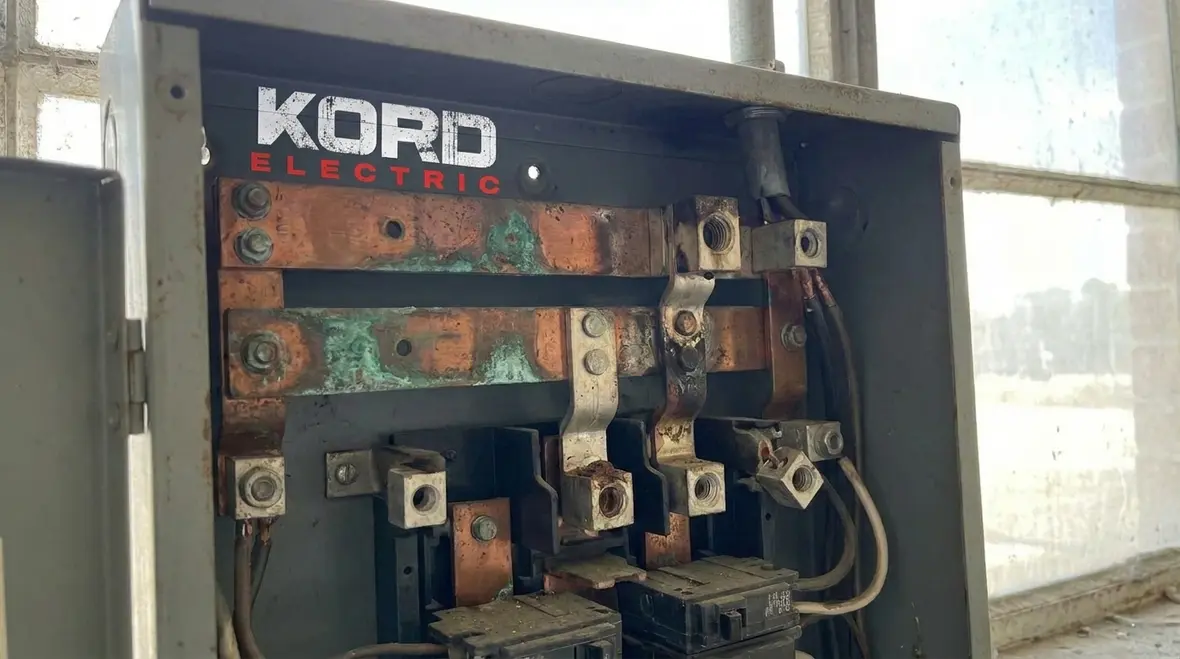
Common red flags include frequent breaker trips, burning smells around panels, and visible corrosion at service equipment. You might also find discoloration near bus bars or loose lugs that create hot spots. If a panel cover feels unusually warm even when loads are steady, technicians should inspect it soon. Additionally, voltage readings that drop too far during peak use can shorten equipment life.
Then there are performance patterns. If your building experiences outages that match certain schedules, such as cleaning cycles, shift changes, or simultaneous equipment startups, the electrical service may not provide enough capacity. In those situations, the facility might need upgrading commercial electrical service capacity to support the timing and size of the load.
We keep it calm and clear while we explain the “why.” Nobody needs a lecture during a workday, and nobody needs guesswork. Our expert service staff walks through what the equipment shows, what the readings mean, and what changes would improve safety and reliability.
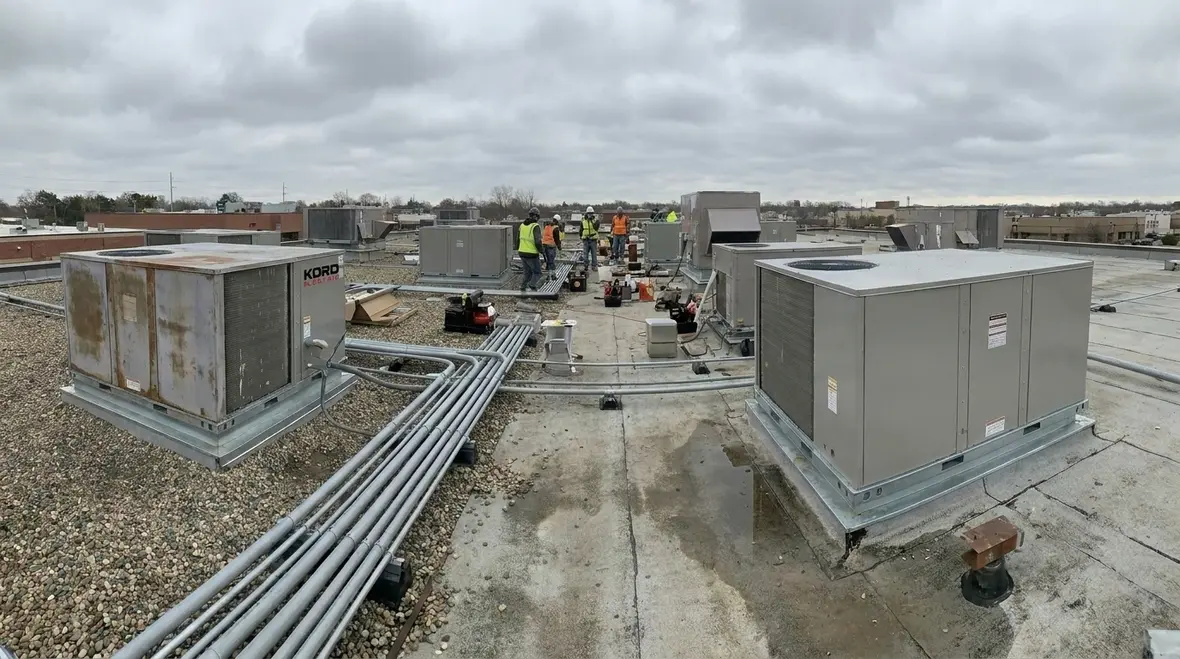
How building changes trigger the need for an electrical service upgrade
Commercial and industrial properties rarely stay the same. A renovation can quietly increase electrical loads even if the updates look cosmetic. The electrical system counts more than square footage. It counts motors, refrigeration, production tools, charging bays, and even the way new mechanical systems cycle.
Here are building changes that often force an upgrade decision:
- Expanding production equipment or adding new lines
- Replacing HVAC with higher output units or adding rooftop units
- Renovating offices while adding dense IT and network hardware
- Upgrading lighting to high-output systems, including specialty lighting
- Adding EV charging for employees, fleets, or customer use
- Adding energy-intensive equipment during tenant improvements
In fact, if an EV charging plan exists, we often treat it as a systemwide issue, not a single-stall project. We work the same disciplined way you would when building a playlist: you cannot just add one song and assume the speakers will handle it. You must match the power profile. If you already know about our EV charger installation, you know we plan for the electrical impact, so charging does not become the loudest “surprise” in the parking lot. We coordinate power needs early, so the building can handle charging without stressing the service.
Related insight: Voltage stability under changing loads
As buildings modernize, voltage stability becomes just as important as total capacity. If you are already seeing flickers or dips when major equipment turns on, it may help to review how Kord Electric tackles voltage fluctuations in commercial and industrial facilities to keep sensitive systems running smoothly as loads shift.
What upgrades usually involve, and what to expect during assessment
An electrical service upgrade does not always mean “replace everything.” Sometimes the right work focuses on key components based on test results, load calculations, and code requirements. For example, the service may need new switchgear, upgraded service conductors, additional panels, or improved capacity that aligns with actual demand. In other cases, the solution might include selective panel updates and better load distribution to reduce stress on older sections.
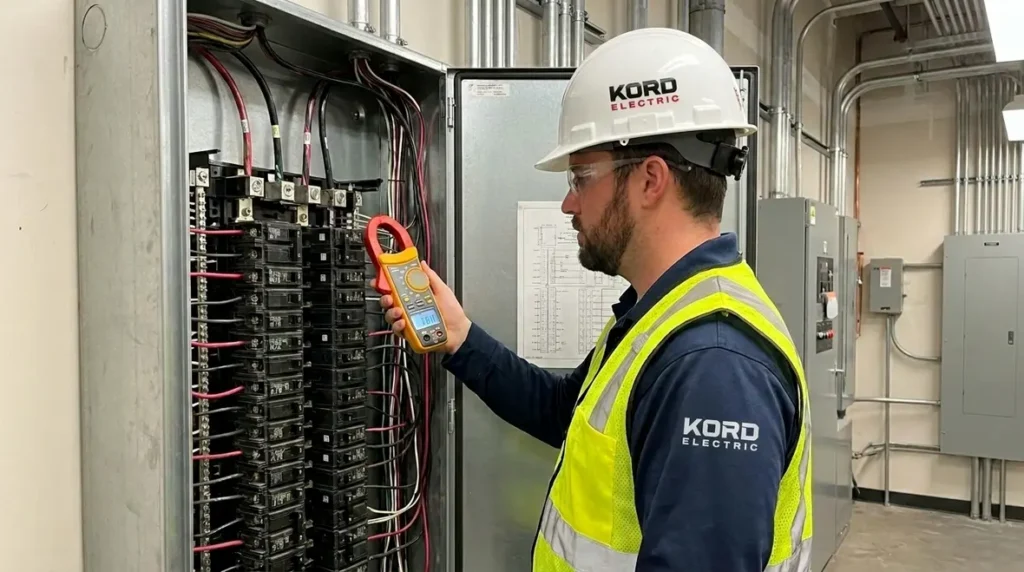
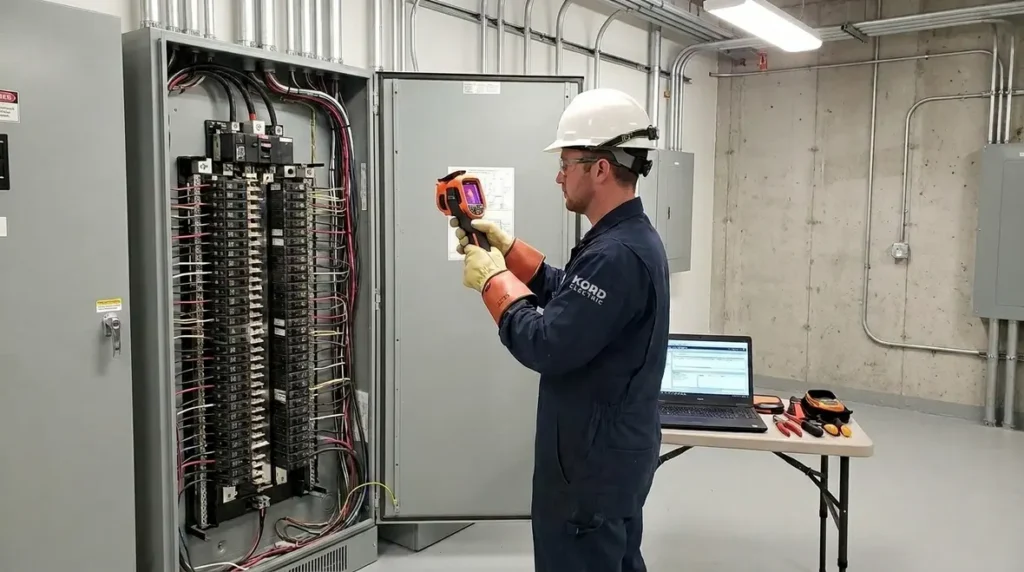
We start with an assessment that goes beyond a quick glance. First, our technicians review existing one-line diagrams, panel schedules, and equipment age. Next, we estimate current demand and projected growth. Then we check for condition issues like overheating, bad connections, or signs of aging that threaten reliability. After that, we compare your needs with what the current system can safely carry.
During this process, we explain findings in a way a decision maker can use. Nobody wants mystery numbers in a report that looks like it was written for a wizard. We translate measurements into clear recommendations, and we outline options with business impact in mind: reliability, safety, downtime risk, and long-term cost.
We also coordinate the upgrade path to protect operations. Whenever possible, we schedule work to minimize disruption. And if your facility runs in shifts, we plan around it. You do not want a cold panel and a warm temper on a Tuesday morning.
Connecting upgrades with long-term maintenance
A well-planned service upgrade pairs naturally with structured electrical maintenance. If your facility is formalizing a long-range reliability strategy, it may help to review how Kord Electric builds commercial and industrial electrical maintenance plans that keep upgraded infrastructure in top condition year after year.
Why safety and compliance depend on correct service capacity
Electrical service capacity affects more than convenience. It affects safety, compliance, and the lifespan of equipment that your teams depend on every day. When the system runs near its limits, connections can heat up, insulation can degrade faster, and breakers can wear out sooner. As a result, small problems can become serious with time.
In commercial and industrial settings, compliance matters because the risks are higher and the consequences cost more. Code requirements exist for a reason, and inspectors look for evidence that the electrical system supports the loads and is built to safe standards. When a building’s electrical design no longer matches its actual use, owners face risk, even if nothing “dramatic” has happened yet.
This is where upgrading commercial electrical service capacity becomes a proactive step. Instead of waiting for a failure, we help facilities align electrical infrastructure with present and future demand. Then your equipment operates more steadily, and maintenance cycles feel more predictable. In short, the building stops acting like it is haunted by random electrical gremlins.
Pairing capacity with preventive maintenance
Upgrades solve today’s limits, but a preventive maintenance program protects tomorrow’s uptime. Many facilities extend the value of new service equipment by pairing it with dedicated electrical preventive maintenance, keeping panels, switchgear, and distribution equipment performing as designed.
How to choose the right electrical team for commercial facilities
Owners should pick service providers based on experience with commercial and industrial environments, not general residential work. At Kord Electric, we focus on major property buildings, including facilities where the electrical system supports continuous or high-demand operations. That focus matters, because commercial work often involves complex panels, larger loads, and tighter scheduling needs.
When you interview an electrical contractor, ask about load planning, assessment methods, and how technicians communicate findings. You want a team that explains what it measures, what it recommends, and what changes will improve performance. You also want a team that considers the full system, including how new equipment connects to existing infrastructure.
Our expert service staff does not just “do the job.” They guide the owner through decisions so the upgrade supports business goals. And they do it with patience. We have seen too many projects where confusion drives delays. So we keep communication steady from inspection to installation.
Planning beyond a single project
For many facilities, an electrical service upgrade is one chapter in a larger modernization effort. If you are comparing options and future projects, you might also explore how Kord Electric approaches rewiring cost for commercial electrical systems so long-term investments line up with budgets and reliability targets.
FAQ: Electrical service upgrades for commercial buildings
Ready to protect your building from electrical stress?
If your commercial or industrial facility shows signs of strain, do not wait for the next shutdown to force a decision. Kord Electric evaluates the situation with careful assessment and clear explanations from our technicians. Then we recommend the right path for upgrading commercial electrical service capacity, aligned with your load needs, safety goals, and operational schedule. Contact us today to schedule an on-site review. Let us handle the power work, while your team focuses on running the business, not troubleshooting it like it is a mystery novel.
Next steps: connect service upgrades with critical operations
Some facilities first discover capacity problems during an outage or near-miss event. For sites where uptime is critical, it can be helpful to review how Kord Electric responds with dedicated emergency electrical services across Southern California, and how those insights feed back into smarter upgrade planning.
Plan your broader modernization strategy
If your facility is mapping out a multi-year roadmap—combining service upgrades, EV charging, lighting improvements, and rewiring—our commercial and industrial team is structured to support that full picture. Whether you are starting with a focused capacity project or a wider modernization effort, Kord Electric’s large-facility expertise helps you stage work in a way that matches budgets, scheduling windows, and long-term reliability goals.
From upgrading commercial electrical service capacity to designing scalable EV charging, we keep one priority in view: a building that runs smoothly, safely, and predictably for the people who rely on it every day.