Commercial Power System Testing: What Buildings Need to Test and Why
Commercial Power System Testing: What Buildings Need to Test and Why matters most for facilities where power is not a luxury, but a lifeline. We see this every day at Kord Electric, especially in buildings that never stop working, from distribution hubs to medical offices. These sites rely on equipment that ages quietly, then surprises everyone loudly. And while most people think power problems show up with dramatic smoke and fire alarms, the truth is usually slower, like a bad playlist that somehow keeps getting played.
We help commercial and industrial facilities run safer, smarter power by testing performance under real conditions. First, we confirm the system can carry load. Then, we verify protection devices work the way they should. After that, we document results so building owners and facility managers can plan maintenance with confidence, not guesswork.
Why load testing becomes a business decision, not a checkbox
In the field, we watch how a power system behaves under stress. Therefore, commercial power system testing is not just a ritual of readings. It is a way to reduce risk for occupants, protect critical processes, and avoid unplanned shutdowns. When we run tests properly, we catch weak links early, before they fail during peak demand or a seasonal spike.
Next, we connect test outcomes to real-world impacts. For example, a system that looks fine at idle can struggle under full operating load. So, even if nobody is complaining right now, the system may still be operating closer to the edge than the owner realizes. And yes, that is like knowing your phone battery drains fast but still using it all day. Eventually, it will let you down at the worst moment.
Our technicians explain what they find in plain language. They do not just hand over numbers and walk away. Instead, they walk facility teams through what the test means, why it matters, and what action we recommend next. That way, the decisions stay grounded in engineering, not vibes.
Commercial switchgear, panels, and feeders that deserve real verification
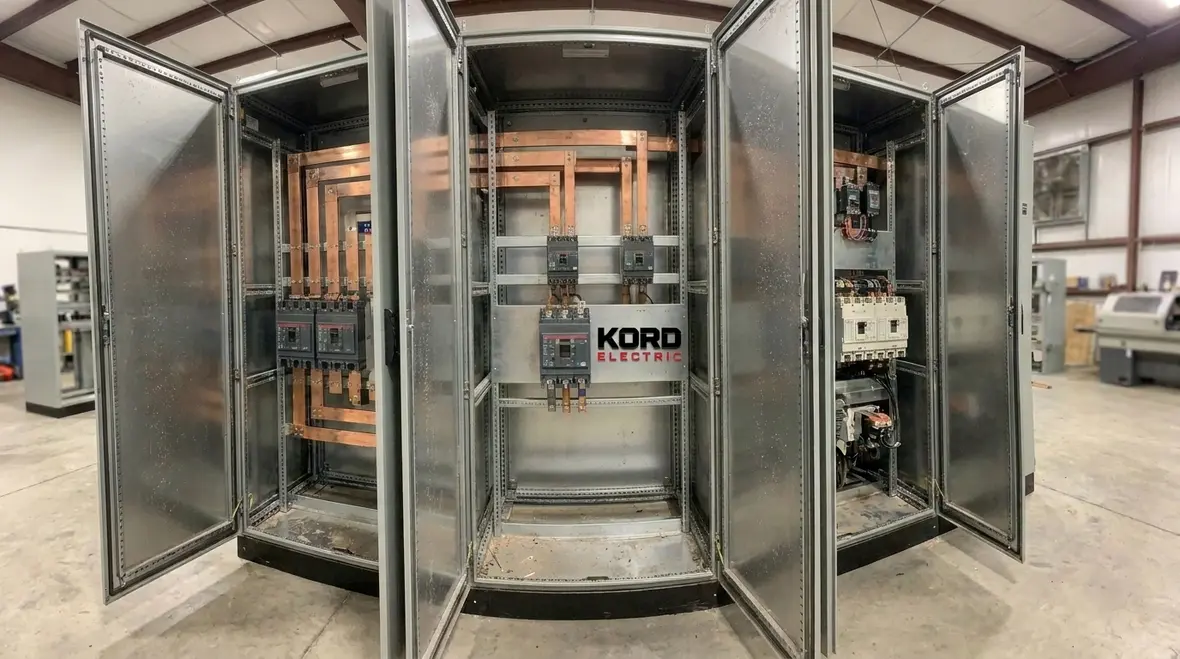
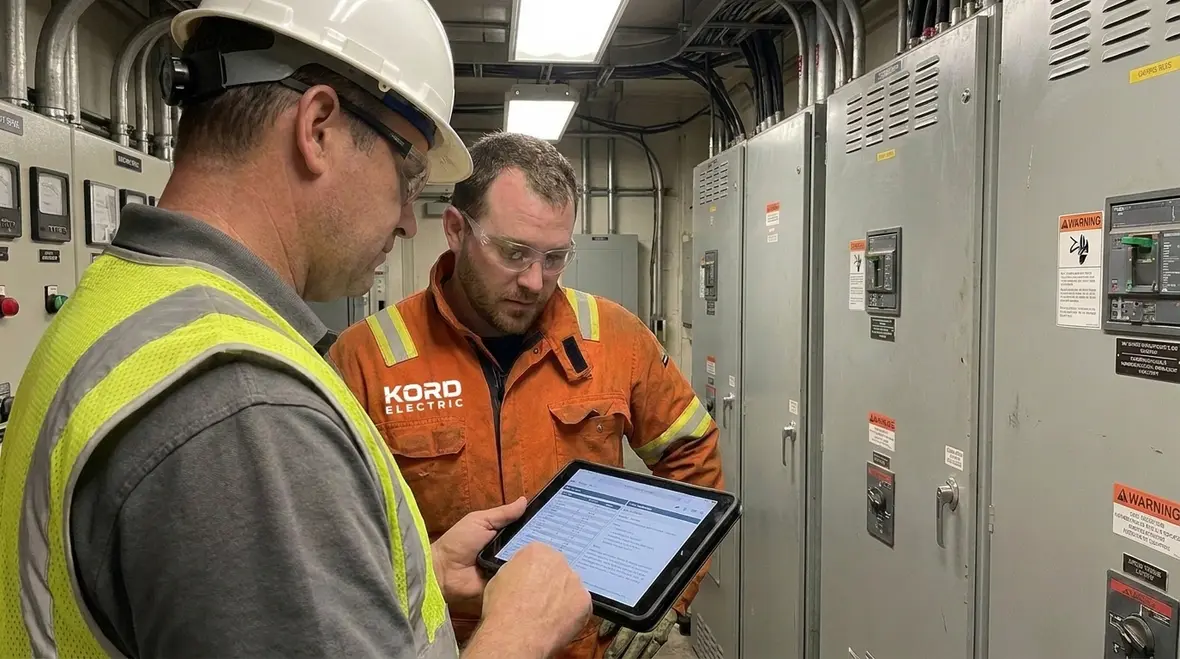
Many buildings handle power at multiple layers. Because of that, we focus on the parts that actually carry the load and protect the system. Switchgear plays a major role in distribution. Panels and bus systems manage how power gets routed. Feeders carry it to equipment and loads that make the facility function.
During Commercial Power System Testing, What Buildings Need to Test and Why becomes practical. We test to confirm that current paths perform as expected, that connections do not overheat, and that protective devices respond at the right time. When we see abnormal behavior, we help the team understand whether the issue is thermal, electrical, or operational.
Then we align results with the building’s schedule. Industrial and commercial sites cannot always shut down for long stretches. So, we plan tests with care, coordinating with the facility team to keep operations stable while we collect accurate data. A test plan that ignores uptime is just a bad plan wearing a lab coat.
At the same time, we connect testing with wider preventive maintenance. Many facilities combine commercial power system testing with structured electrical maintenance plans so they do not wait for failures to discover hidden weaknesses. When you link test results with a preventive maintenance checklist and a clear action plan, the building stops living on electrical improvisation and starts running on data.
What facilities should test their power systems and how often
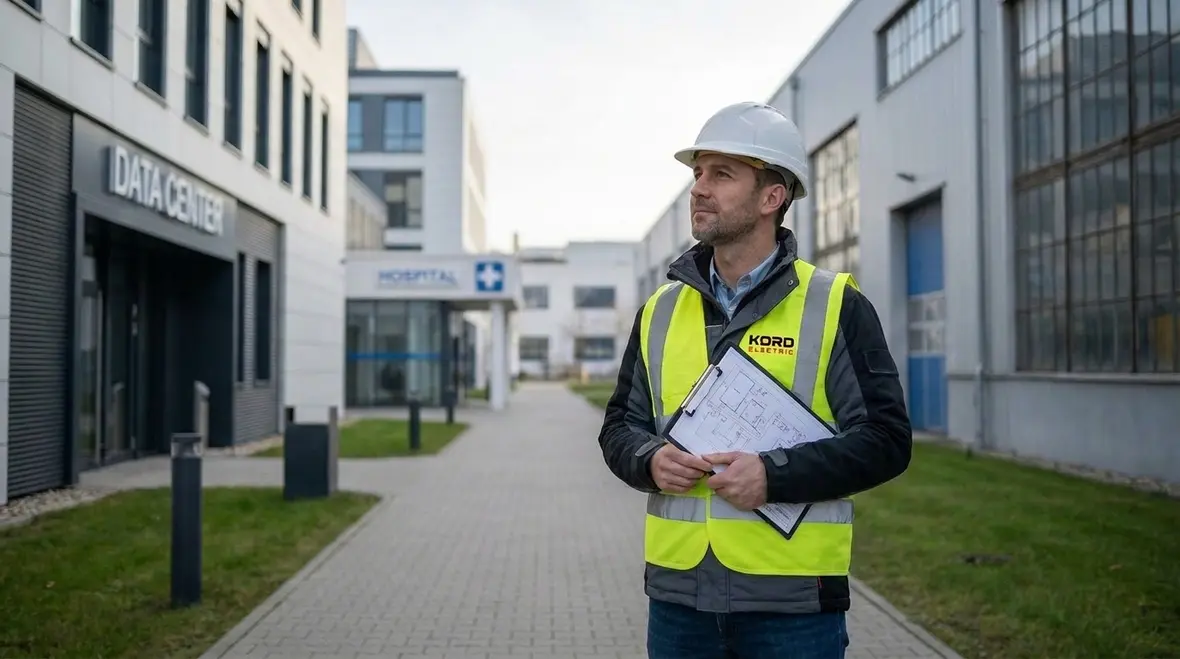
Different building types carry different risk. Therefore, we tailor our recommendations to the facility’s use and power profile. In commercial and industrial settings, we commonly see the strongest need in buildings that run continuously, depend on sensitive equipment, or experience frequent changes.
We typically prioritize testing for facilities such as:
Manufacturing sites with motor loads and variable process power
Distribution centers and logistics hubs where demand spikes are routine
Large office campuses with backup power, multiple tenants, and complex switching
Healthcare and life safety dependent facilities that cannot tolerate surprises
Multi story mixed use major property buildings with heavy electrical distribution
Data and communications spaces with power quality requirements
As for timing, we consider installation age, maintenance history, equipment upgrades, and any recent disturbances. After a major electrical renovation, testing helps confirm the new configuration behaves correctly. Also, after long periods of heavy use, testing helps reveal slow performance drift. Our expert service staff then explains the schedule options so the owner can choose what fits the budget and risk level.
We prefer a repeatable approach: test, review, act, and then re test as the system evolves. That is how you avoid the “we only check when something breaks” strategy, which is popular for about five minutes and then gets expensive. For owners who want deeper planning support, pairing testing with resources like Kord Electric’s commercial electrical load capacity assessment and preventive maintenance checklists helps keep the electrical story clear instead of chaotic.
Our testing approach: data you can act on, not just data you can store
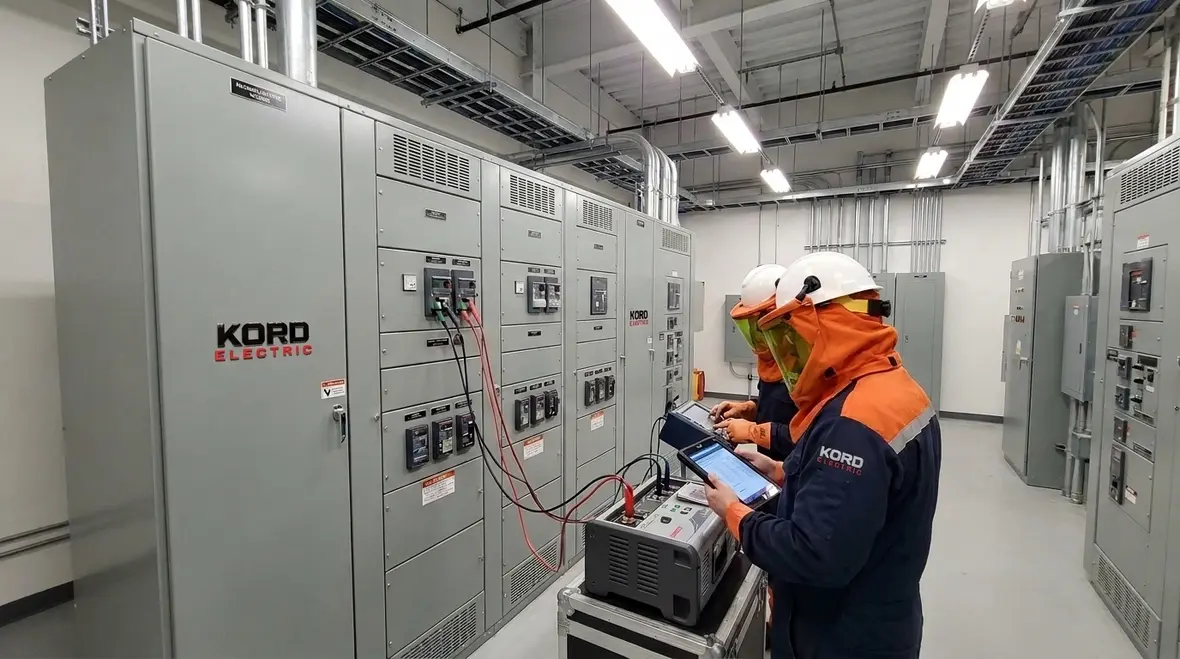
At Kord Electric, we bring a systematic process to commercial power system testing. First, we review the electrical one line diagram and relevant documentation. Then, we verify field conditions so our measurements match reality. After that, we run load testing activities designed to reflect how the system operates during peak demand.
We also consider safety and coordination. Our technicians use proper procedures, and we communicate with facility staff throughout the work. Meanwhile, we capture readings that support clear conclusions. That matters because the goal is not to collect numbers for a binder nobody opens. The goal is to identify conditions that can lead to overheating, insulation stress, or protective device misoperation.
In the blog resource we build from, we emphasize how load testing supports safer operation by confirming system performance under real load. We also highlight that the test results guide repairs, tuning, and maintenance decisions. In other words, testing becomes a roadmap, not a mystery novel.
Finally, we translate findings into next steps. Our team explains what we see, what it means for the facility, and what to address first. If the results suggest additional work, we recommend a clear path. And if the system performs well, we document that too. Good news is still news, and it helps owners plan with confidence.
How we reduce risk during load testing at active commercial sites
Now, let us talk about the part that makes facility managers nervous. When we test, the building stays occupied. Even when we coordinate carefully, we still need to manage load changes and protect sensitive equipment. So, we plan testing windows and sequences to fit the site. We also confirm monitoring points so we can watch system behavior during the work.
Next, we focus on communication. Our expert service staff explains the timeline, the expected impact, and what to watch for. We know that if the team at the facility feels in the dark, they will act like it is a haunted house. We keep it clear, steady, and calm.
We also verify protective settings and operational logic where needed. If protection devices do not respond correctly, you can get equipment damage or longer downtime during fault events. Therefore, testing supports not only current carrying capability, but also the reliability of how the system isolates problems.
And yes, we follow safety procedures with the seriousness you would expect from people handling high energy. Still, we keep the mood professional and business casual, because nobody enjoys a stern lecture about the laws of physics. We can respect the seriousness while keeping the room human.
When testing involves emergency or backup systems, we also coordinate with any existing emergency power systems testing plans so that Commercial Power System Testing: What Buildings Need to Test and Why ties in smoothly with generator, UPS, and transfer switch operations rather than surprising them.
Common issues we uncover in industrial and commercial power systems
Power problems tend to start as small deviations. Over time, those deviations build into failures. During Commercial Power System Testing, What Buildings Need to Test and Why becomes easy to see, because the tests reveal what normal operating observation misses.
Here are examples of issues we frequently detect:
Uneven load distribution across feeders or phases
Connection problems that can lead to hot spots
Protective device coordination concerns that risk nuisance trips or slower clearing
Insulation stress signs that increase long term failure risk
Degraded components that still pass basic checks but fail under real load
Operational mismatches after upgrades, expansions, or tenant changes
After we identify concerns, we help the owner prioritize repairs. That means we discuss severity, potential consequences, and recommended next actions. We also help teams plan around production schedules or tenant operations, so the fix does not become another outage.
For example, findings from commercial power system testing often pair naturally with a deeper look at commercial electrical load testing for safety. When test data shows that specific panels or feeders operate near their limits, reviewing articles such as Kord Electric’s “Commercial Electrical Load Testing for Safety” or the “Commercial Electrical Load Capacity Assessment Guide” can give owners more context on what to upgrade, when, and why, without turning every decision into a guessing game.
If your property sits in a demanding market like Los Angeles County, those insights become even more valuable. Combining Commercial Power System Testing: What Buildings Need to Test and Why with broader Los Angeles County electrical services for commercial facilities helps owners connect day-to-day reliability with long term infrastructure planning.
FAQ about commercial power system testing
Facility leaders and property managers often ask similar questions once they see how much Commercial Power System Testing: What Buildings Need to Test and Why can reveal. Below, we address the most common topics so you can plan your next steps with fewer unknowns.
Final CTA: let us test your system before it tests you
If your facility runs critical operations, do not wait for a power issue to make the decision for you. At Kord Electric, we perform Commercial Power System Testing with planning, safety, and clear reporting that your team can use. Our technicians explain the findings in business friendly language, then guide the next steps so you can reduce risk and protect uptime. Contact us to schedule a consultation and build a testing plan that fits your building, your schedule, and your real power needs.
If you are exploring testing as part of a larger strategy, you can also review Kord Electric resources on topics like commercial electrical load testing, capacity assessments, and electrical safety audits. When combined with dedicated commercial electrical load testing for safer power, Commercial Power System Testing: What Buildings Need to Test and Why becomes the foundation for long term reliability instead of a one time event you only remember when the lights flicker.
For properties that need more than a single test, Kord Electric’s commercial and industrial service teams can help you connect today’s findings with tomorrow’s projects, from preventive maintenance programs to upgrades that support new equipment, higher occupancy, and future growth.