Electrical Asset Management Solutions for Commercial & Industrial Facilities
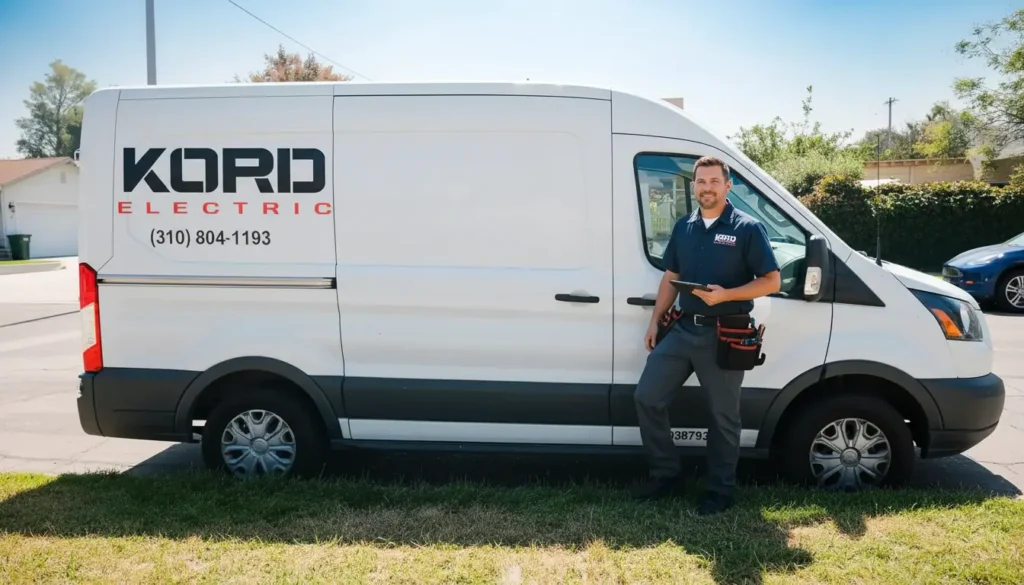
At Kord Electric, we work with commercial and industrial facilities and major property buildings, where downtime hurts budgets and delays hit reputations. So we deliver our Electrical Asset Management Solutions for Commercial & Industrial Facilities to help electricians and site teams track, maintain, and improve electrical systems before small issues grow teeth. In other words, we help you manage assets with clarity, not chaos.
We also bring our technicians and expert service staff into the process. They explain what they see in plain language, so others do not have to guess. And yes, we promise that our reports will feel more useful than a pop quiz from a movie villain. In the rest of this guide, we break down how an electrical system asset plan works, what data you actually need, and how you turn it into safer work and smoother operations.
How electricians benefit from asset management, not just maintenance
Many electricians already do strong work on a weekly schedule. However, most of the time they operate in “repair mode” instead of “plan mode.” That is where our approach changes the game. We help electricians shift from reacting to defects to managing performance across the full electrical landscape.
When you track assets like panels, switchgear, transformers, meters, breakers, and critical feeders, you gain more than a list. You gain timing. As a result, your team can schedule testing and inspections based on real risk, real history, and real usage. Meanwhile, facility leadership can plan budgets with fewer surprises.
Our expert service staff often explains it like this: maintenance is what you do. Asset management is how you decide what to do next. And if you skip the decision step, your system becomes like a sitcom with no writers. Funny at first, then it gets painful.
What we capture in an electrical system asset register
An asset management solution needs solid foundations. Therefore, we start by building an electrical system asset register that matches how commercial and industrial facilities actually operate. Based on the guidance in our Kord Electric blog guide on electrical system asset management, we structure the register so technicians can use it in the field and leaders can use it in planning.
Typically, we capture details such as the asset type, location, identification numbers, manufacturer, model, ratings, installation dates, service history, condition notes, and any recurring issues. Then we add how the asset supports the site, like life safety, power distribution, HVAC loads, manufacturing lines, or critical process equipment.
Next, we connect that data to inspection and testing requirements. For example, an item that needs periodic infrared scans or torque verification should have those triggers built into its lifecycle. That way, you do not rely on memory or heroics. And honestly, heroics are great for comic books, but they are expensive for power systems.
- Asset identification and location for fast field work
- Key ratings so electricians confirm compatibility and capacity
- Service history to reveal patterns across years
- Condition observations to support risk based decisions
- Planned inspection tasks tied to each asset category
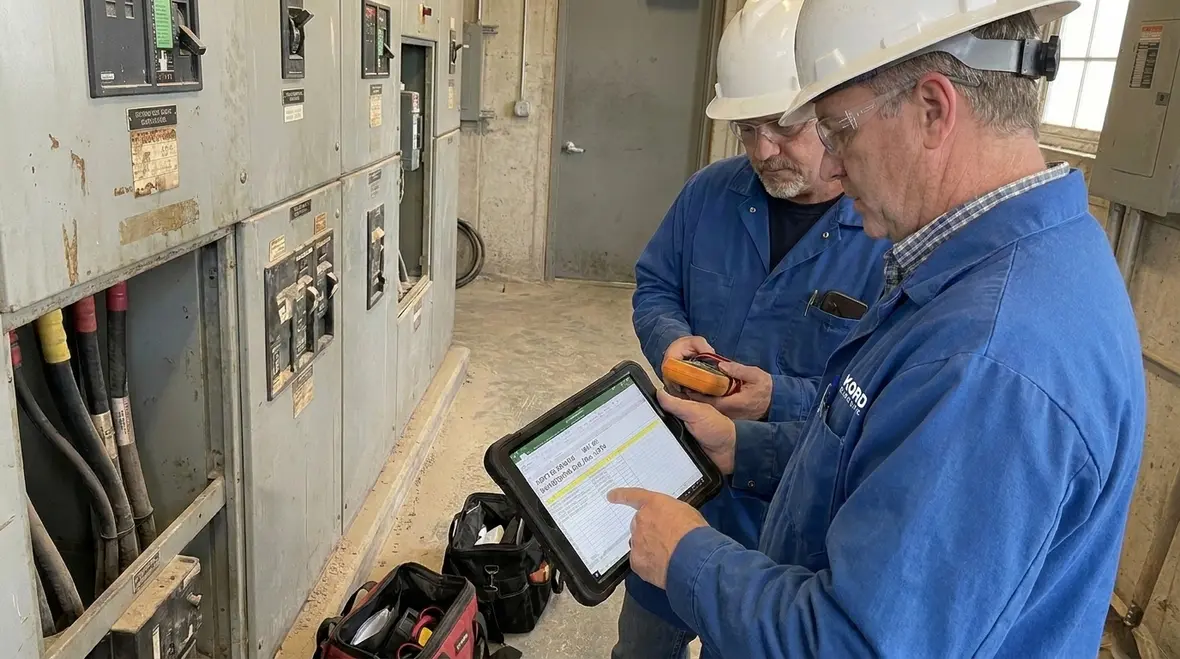
Turn data into action with lifecycle planning
Once the register exists, the next step is lifecycle planning. In practice, this means creating a workflow that tells you what to inspect, when to inspect, and what to do with results. At Kord Electric, we help teams move from “data stored” to “data used.”
To do that, we focus on priorities. We start with critical circuits and assets that affect production uptime, life safety functions, or large motors and drives. Then we work outward, so the highest risk areas get attention first.
As you move through the schedule, we recommend consistent task types. Some sites need frequent checks on bus work conditions, terminations, and overload behavior. Others need deeper reviews of older switchgear, harmonic effects, or maintenance gaps that show up through recurring breaker trips. In each case, our technicians explain findings, and our staff translates the technical results into clear next steps.
In addition, lifecycle planning supports budgeting. When you know what will need testing, repair, or replacement in the next few years, you reduce emergency costs. You also stop the slow leak of money from deferred work. Think of it as financial first aid for your electrical system, not the kind you only get after the patient is already on the floor.
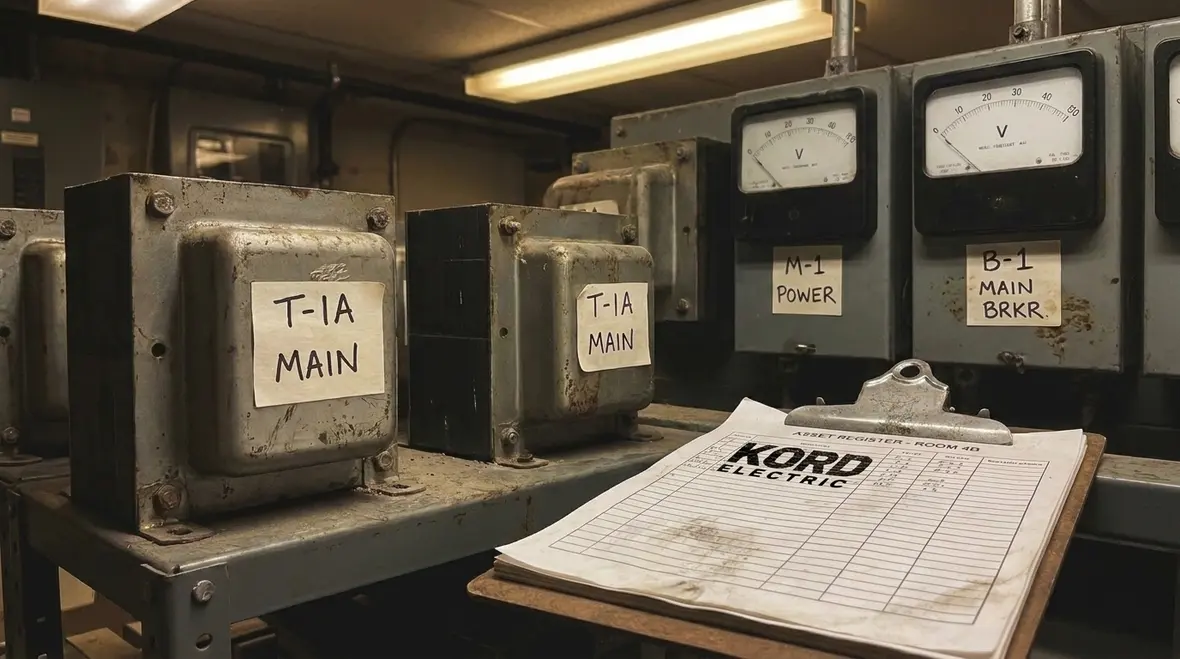
How we support electricians in the field and in reporting
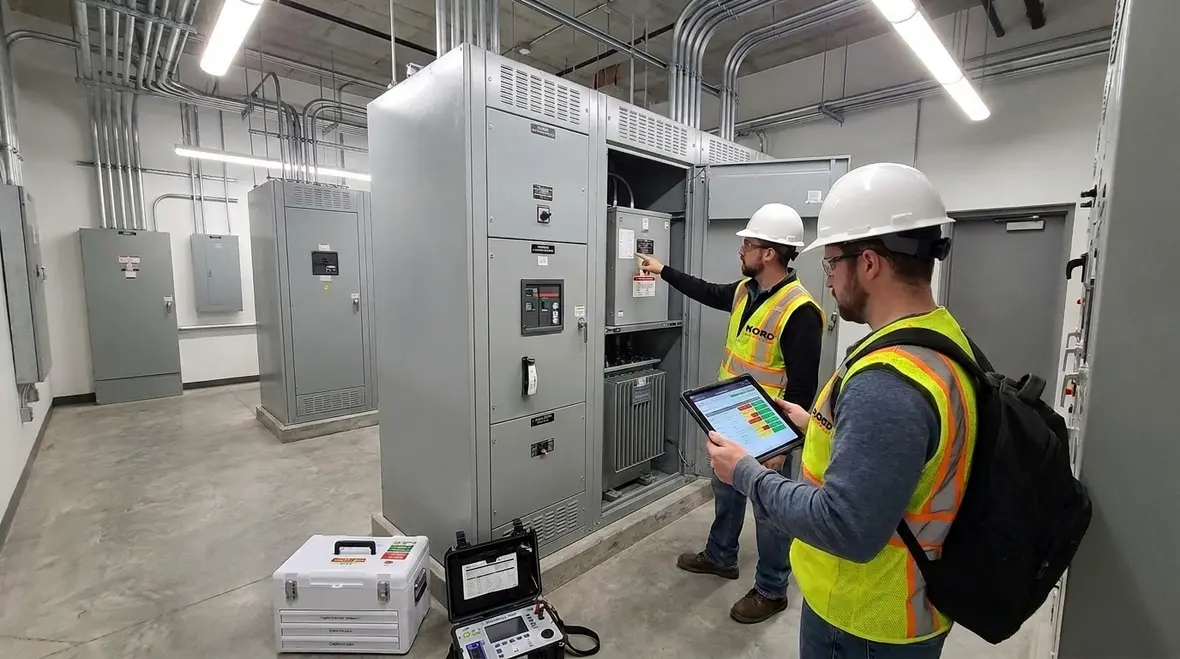
Asset management succeeds only when electricians can use it. Therefore, we design our process around real work patterns in commercial and industrial settings. Our expert service staff does not just hand over a spreadsheet and walk away. Instead, they walk the floor, confirm asset details, and show how updates flow back into the system.
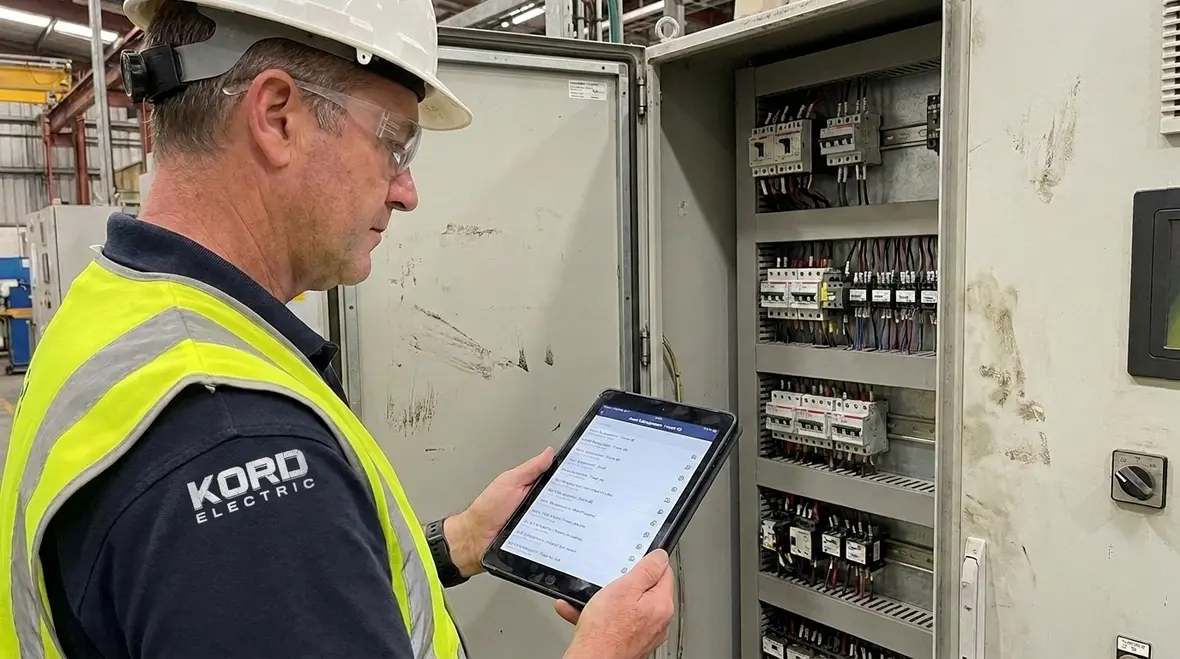
When technicians perform inspections, they document condition, capture findings, and record actions taken. Then the team updates the asset record so future work reflects current reality. This feedback loop matters because electrical systems change. Loads shift. Equipment ages. Past repairs create new context. Without updates, the “asset story” becomes a fairy tale that no one believes.
Our approach also improves communication. Leaders get reports that focus on risk, trends, and required next steps. Meanwhile, electricians get the details they need to reduce rework and confusion. That is how you connect safety and productivity, without turning maintenance into a bureaucracy festival.
Risk based strategies for commercial power systems
Not all electrical assets carry the same risk. And not all sites share the same operating threats. So we apply risk based strategies that fit commercial and industrial facilities and major property buildings.
First, we assess criticality. For example, feeders supporting production lines, critical HVAC for data rooms, or life safety systems typically score higher. Then we evaluate condition using inspection results and history. Finally, we consider exposure factors such as heat, moisture, vibration, load profile, and how often equipment cycles.
Once risk scores exist, you can justify your priorities. You can plan targeted testing for assets that show early warning signs, and you can schedule replacement for items where continuing service becomes costlier than proactive renewal. Even better, you can coordinate outages when they matter. Instead of scrambling for “sometime this month,” you plan the downtime window like a professional.
In practice, we also help teams connect risk findings to practical work orders. So when an asset shows concern, the next step is clear. This reduces delays and helps the electrical team move with confidence.
How Electrical Asset Management Solutions for Commercial & Industrial Facilities fit your broader strategy
When Electrical Asset Management Solutions for Commercial & Industrial Facilities plug into your broader electrical strategy, every decision becomes easier to defend. Facility teams can align inspection plans with existing preventative maintenance programs, upgrade roadmaps, and documentation standards without reinventing the wheel for each project.
This approach pairs naturally with resources such as Kord Electric’s guides on commercial and industrial electrical maintenance, electrical documentation, and infrastructure upgrade planning. As your asset register grows, it becomes the bridge between day-to-day service work, long term capital planning, and risk management across multiple buildings or campuses.
For facilities in fast growing regions, especially those relying on complex power distribution, structured asset management also supports regional service planning. If you operate in Southern California, for example, integrating asset management with a capable partner for Los Angeles County electrical services helps ensure that local code requirements, grid behavior, and utility coordination all fit neatly into your electrical playbook.
FAQ
Conclusion: let us help your facility stop guessing
When electrical assets run your day, you cannot afford guesswork. Kord Electric helps commercial and industrial facilities build Electrical Asset Management Solutions for Commercial & Industrial Facilities that guide electricians, support risk based planning, and turn field findings into smarter next steps. Our technicians and expert service staff explain the details so your team can act with confidence. If you want a calmer maintenance process and fewer surprises, Kord Electric today can review your electrical asset strategy and connect it with related services such as documentation, preventative maintenance, and infrastructure upgrades, so your entire power system supports long term performance.
When you are ready to align your asset register, maintenance program, and long range capital plan, you can also explore how Kord Electric’s broader electrical system planning resources and services support Electrical Asset Management Solutions for Commercial & Industrial Facilities across multiple properties and campuses.
For facilities that prefer a single partner from assessment through implementation, Kord Electric’s regional service coverage and dedicated commercial offerings make it easier to integrate asset management with ongoing inspections, testing, and project work, so your team spends less time chasing issues and more time running a steady, predictable operation.
To take the next step, connect with our team to discuss how an organized electrical asset strategy can support your facility’s reliability goals, project roadmap, and safety responsibilities.
If you are managing a larger commercial or industrial portfolio and want to see how asset management fits into a full electrical system roadmap, you can also review our in depth electrical system asset management guide for a deeper dive into documentation, planning, and long term system health.