Commercial Power System Testing for Commercial Buildings
When a commercial facility wants dependable power, we do not treat electrical testing like a weekend project. We treat it like a safety plan. Kord Electric supports commercial and industrial buildings with structured Commercial Power System Testing: What Buildings Need to Test and Why approaches that verify systems under real load conditions. We focus on the buildings that keep people working, producing, and moving, not the ones where the power “usually works” until it does not. In other words, we test before the lights decide to improvise.
Our expert service staff explains each step in plain language, and our technicians document findings so facility managers can act with confidence. We build this process for major property buildings such as offices, retail centers, warehouses, data related spaces, and industrial plants. And yes, we also help customers who have inherited a panel schedule from someone who retired. You know the type. The type that left you with “it should be fine.”
What Commercial and Industrial Sites Actually Need Testing
First, we clarify what “commercial power system testing” means in real life. It means we evaluate how your system behaves when it carries current at levels that matter. Then we compare that behavior to safe and expected ranges. Next, we explain what we see and what it could mean for reliability, code compliance, and risk.
In practice, the buildings that benefit most include these categories:
- Office buildings and campuses where load changes happen daily
- Retail and mixed use centers where refrigeration, lighting, and HVAC swing through the day
- Warehouses and distribution facilities with motors, conveyors, and large startup surges
- Manufacturing and industrial plants where equipment draws heavy and uneven power
- Major property buildings that manage many tenants and shared infrastructure
- Facilities with backup power such as generators, transfer switches, and UPS systems
Also, if your building has had recent upgrades, tenant changes, or equipment replacements, we recommend testing sooner rather than later. Even when the work looks neat, the electrical system can respond differently under load. That is where testing earns its keep.
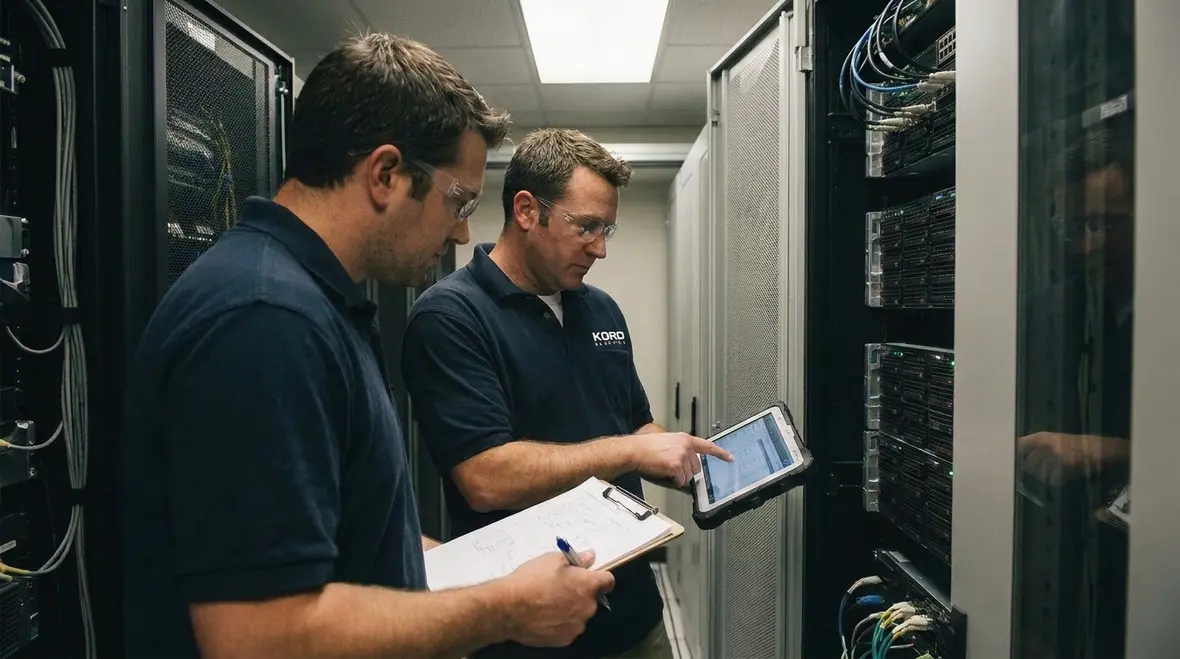
If you manage a complex facility with evolving loads, pairing structured commercial power system testing with tools like a commercial electrical load capacity assessment helps confirm that your distribution can handle both today’s demand and what is coming next.
Why Testing Under Load Matters More Than “Everything Looks Good”
Many facilities run on visual checks and baseline readings. Yet electrical health does not live on a label. It lives in how equipment performs when it carries real demand. Therefore, we focus on load based verification, because it uncovers issues that static checks can miss.
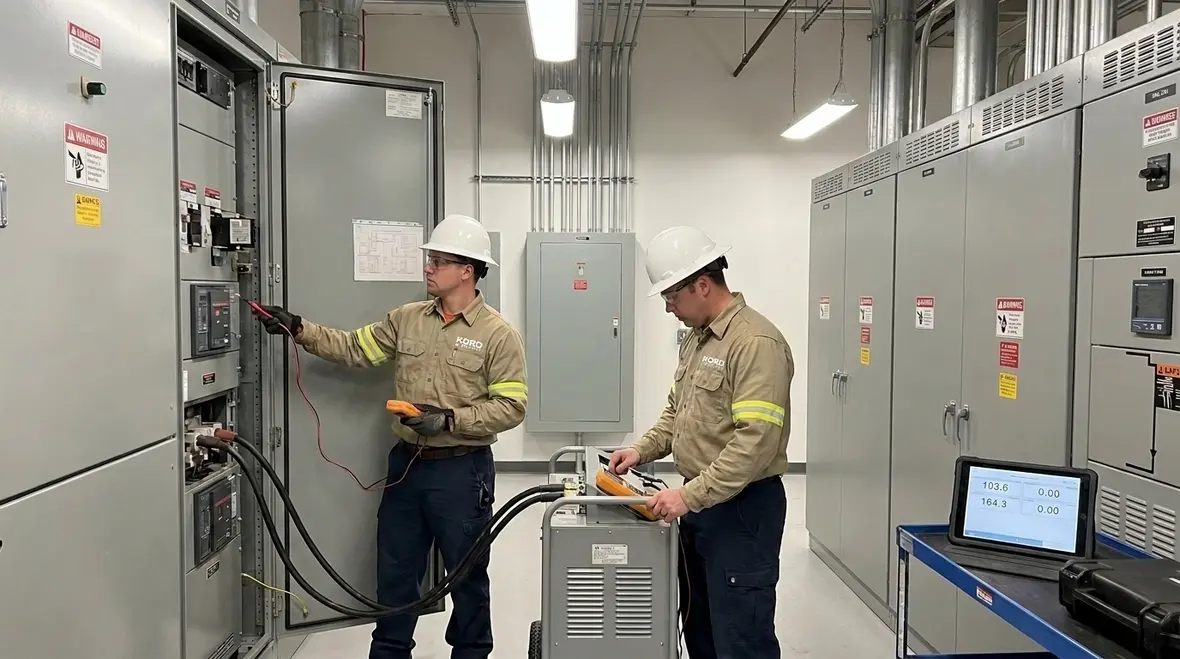
Here is what we look for when we run Commercial Power System Testing style assessments. We verify:
- Voltage stability during load changes
- Current draw patterns that should align with expected design
- Thermal behavior of critical connections and components
- Protective device performance so breakers, fuses, and relays trip when they should
- Generator and transfer performance so “backup” actually means usable
Then we connect the dots for your team. For example, a facility might pass a basic inspection and still suffer from nuisance trips, overheating joints, or slow recovery during peak periods. That is not a “mystery problem.” It is often a predictable electrical behavior under load. And in our world, predictable usually means fixable.
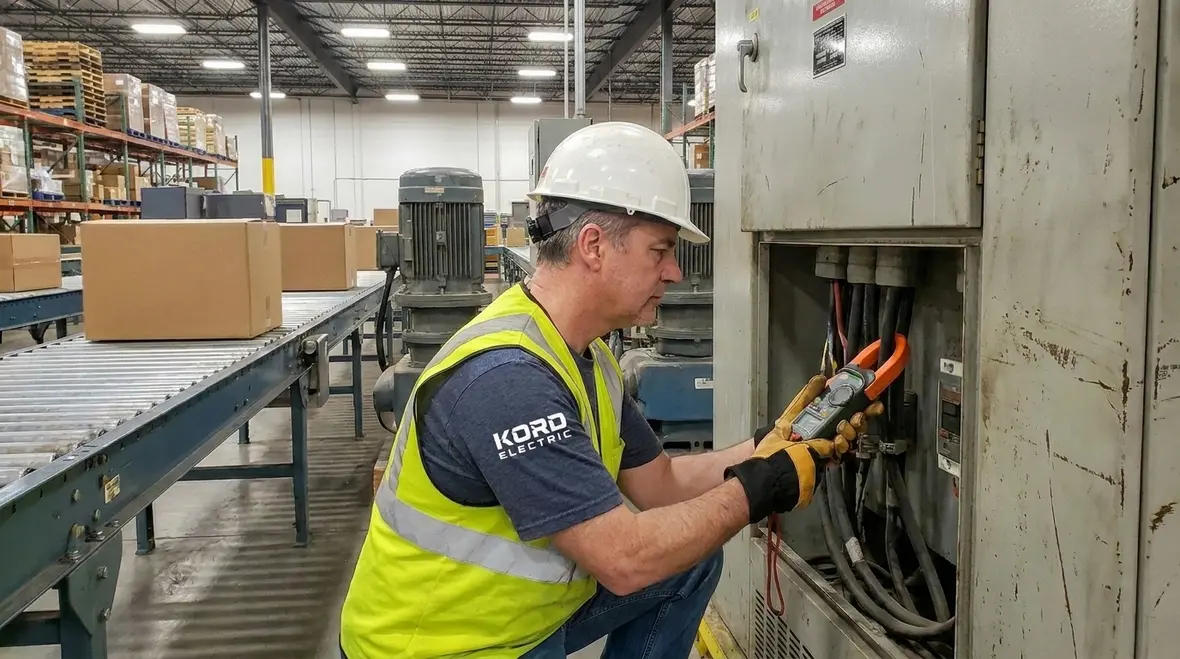
Load based testing also pairs well with services like a commercial electrical load testing program for safety, where we stress the system in a controlled way to see how it behaves before a real event applies that same stress without warning.
How Kord Electric Technicians Plan, Execute, and Explain Load Testing
We keep the process structured, because chaos does not belong in electrical work. First, our technicians review your one line diagrams, prior test reports, and equipment details. Next, we schedule the testing around the building’s operations so we reduce disruption. Then we confirm the load levels we should simulate and how long we should observe them.
After that, we conduct the testing with careful controls. We monitor parameters continuously, and we compare results against allowable ranges and manufacturer expectations. Meanwhile, our expert service staff stays close to your facility manager, and we explain what each reading means in plain terms.
Let us speak plainly here. If we see something that suggests a risk, we do not wrap it in fancy language. We say what we found, what it could lead to, and what actions typically reduce the risk. Also, we keep the communication business friendly. We know your schedule is not built around electrical jargon, and we respect that.
Finally, we deliver results in a format that supports decisions. So your team can plan repairs, budgeting, and next steps with clarity.
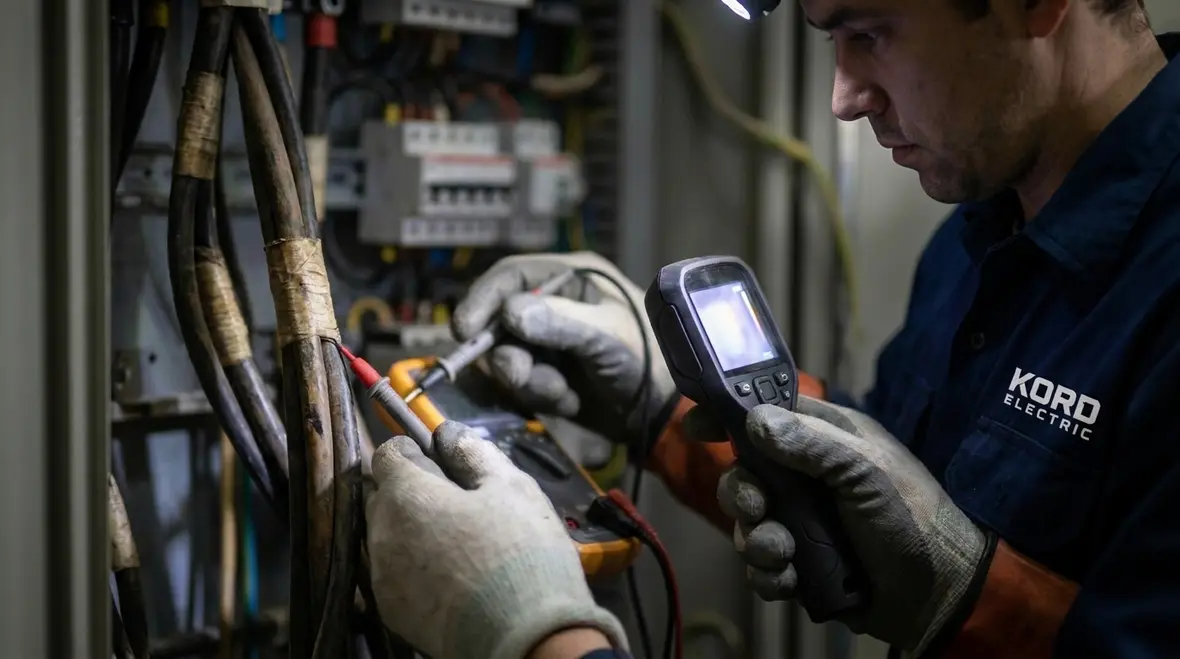
For many facilities, this testing framework works best when it plugs into a broader commercial electrical preventative maintenance checklist so issues discovered under load actually feed into long term planning, not just a one time report.
Common Findings in Safer Power Programs for Major Properties
Since every building has its own history, we do not treat results like cookie cutter outcomes. Still, we often see repeating themes when facilities run load conditions. And when we report these items, we keep the focus on practical corrections.
Some common findings include:
- Loose or aging connections that heat under load and can eventually fail
- Load imbalance across phases that drives abnormal current levels
- Overloaded feeders or panels that show stress during peak demand
- Protective device settings that do not match the system’s present reality
- Generator and transfer issues where performance changes during actual switching
Then we explain why those findings matter. A loose connection can start as an inconvenience and become a reliability event. Load imbalance can lead to wear that shows up as early equipment life reduction. Overloaded sections can increase failure probability at the worst time, like during a major tenant event or an extreme weather spike. We get it. Power has a talent for showing up right when you least want it.
That is also why our approach ties testing results to the building’s operating patterns. We do not just deliver numbers. We help translate numbers into risk and next steps. When needed, we may recommend additional work such as a focused commercial electrical safety audit for risk control to catch related issues that live outside the tested panels.
Dual Column View: Testing Steps and What They Protect
For major property buildings, a clear plan reduces confusion and speeds action. Below, we lay out how we typically structure testing and what each step supports.
| Testing step | What it helps protect |
System review and load plan using existing drawings and operating schedules |
Reliability by matching test points to real operating demand |
Load verification to confirm voltage and current behavior |
Equipment life by spotting overload and abnormal stress patterns |
Thermal and connection checks to find heat related issues |
Safety by reducing risk of overheating and failures |
Protective device checks to confirm breaker and relay behavior |
Power continuity by supporting correct fault response |
Backup system performance checks where applicable |
Operational readiness by validating transfer and response under load |
Of course, we adjust the plan based on the building type, equipment age, and how critical power is to your operations.
For some sites, these steps tie directly into broader reliability goals, such as maintaining uptime targets for data rooms or shared tenant equipment. In those cases, we may align testing with strategies used in commercial electrical system uptime planning for critical facilities so your results support the bigger picture.
How Often Should Facilities Schedule Testing and What Triggers It
Frequency depends on risk and change. However, we typically recommend regular testing for commercial and industrial facilities that carry high loads, manage tenant turnover, or operate critical equipment. In addition, we schedule testing sooner when major changes occur, because the system you had yesterday might not be the system you need tomorrow.
We often trigger earlier testing when we see:
- New tenant buildouts or expanded electrical loads
- Equipment replacement such as chillers, UPS units, or switchgear updates
- Generator or transfer switch work including service or major repairs
- Unplanned outages or repeat nuisance trips
- Visible heat symptoms like odors, discoloration, or frequent alerts
- Extended periods of heavy operation such as seasonal peaks
And if you are thinking, “We do inspections every year,” that can help. Yet inspections do not always replicate load behavior. That is why we focus on load based verification. It is the difference between reading the script and seeing the actors perform. One tells you what should happen. The other tells you what does happen.
When testing reveals deeper stresses or recurring faults, we can coordinate follow up work with services such as commercial electrical troubleshooting for facilities so the same issue does not keep returning every peak season.
FAQ: Commercial Power System Testing
Choose Kord Electric for Commercial Power Testing That Leads to Action
When your building depends on stable power, we prefer proof over assumptions. Kord Electric provides structured commercial and industrial load testing, and our technicians explain what we find in plain, business friendly terms. So you can address risks early, protect equipment life, and keep operations steady when demand rises. If you want safer power and clear next steps, contact us to schedule an assessment for your facility and get a plan your team can actually use.
If you oversee properties across the region, our team also supports multi site programs, from routine testing to Los Angeles County commercial electrical services that keep distribution, protection, and backup systems aligned under one practical strategy.
Whether you need a one time assessment or ongoing Commercial Power System Testing: What Buildings Need to Test and Why as part of your maintenance plan, we are ready to help you turn readings into decisions and decisions into safer, more reliable power.
To take the next step, connect with our team and we will align your testing schedule with your operations, integrate results with your maintenance roadmap, and support any follow up work needed to keep your system ready for the loads it faces every day.