Commercial Electrical Troubleshooting for Facilities
Commercial Electrical Troubleshooting Starts With a Calm Plan
At Kord Electric, we handle troubleshooting common electrical issues in commercial systems the way we handle everything else in the field: with a steady process, clear diagnostics, and no guessing. Our electrical troubleshooting techniques begin with safe power checks, then we isolate the suspected area, and finally we verify the fix with real measurements, not hopeful vibes. So, when a pump trips, a panel runs hot, or lights flicker like they are auditioning for a horror movie, our technicians and expert service staff step in with methodical checks. That approach keeps downtime low and protects your equipment. And yes, we do laugh a little, because nothing says “mystery” like an intermittent fault that only shows up when the building manager is offsite.
How Kord Electric Diagnoses Faults Without Wasting Time
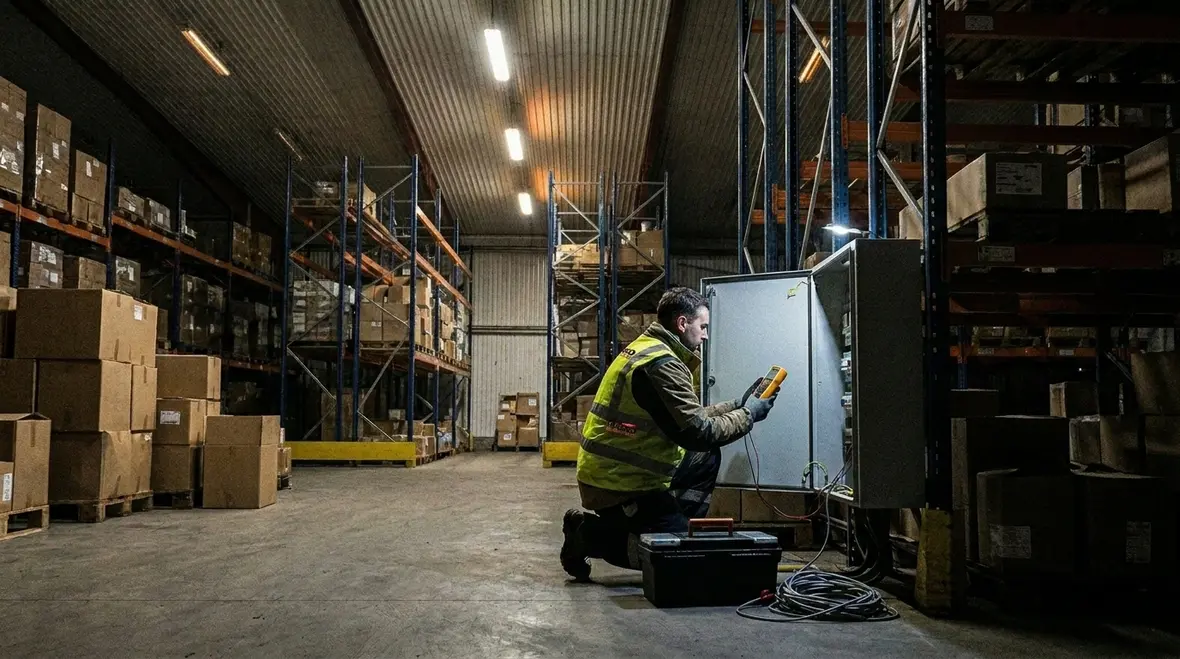
Because commercial and industrial facilities rely on uptime, we do not treat troubleshooting like a scavenger hunt. Instead, we follow a sequence that reduces risk and speeds results. First, our team reviews the last known events such as alarms, recent equipment work, or changes in load. Next, we check the basics that fail most often in the real world: connections, insulation condition, protective device status, and operating conditions.
Then we test. We verify voltage presence, confirm phase balance, and evaluate current draw under normal and loaded conditions. After that, we use targeted isolation to find the actual cause, whether it sits in a feeder, a branch circuit, a control device, or a protection setting. For example, a nuisance tripping problem rarely starts inside the breaker itself. More often, it comes from a downstream device, a loose termination, or a motor control issue that stresses the system when demand rises.
And since we serve major property buildings and industrial sites, we also consider coordination and selectivity. That means we try to keep the right breaker from acting at the wrong time, so one fault does not shut down an entire wing.
Why Commercial Panels Heat Up and What We Check First
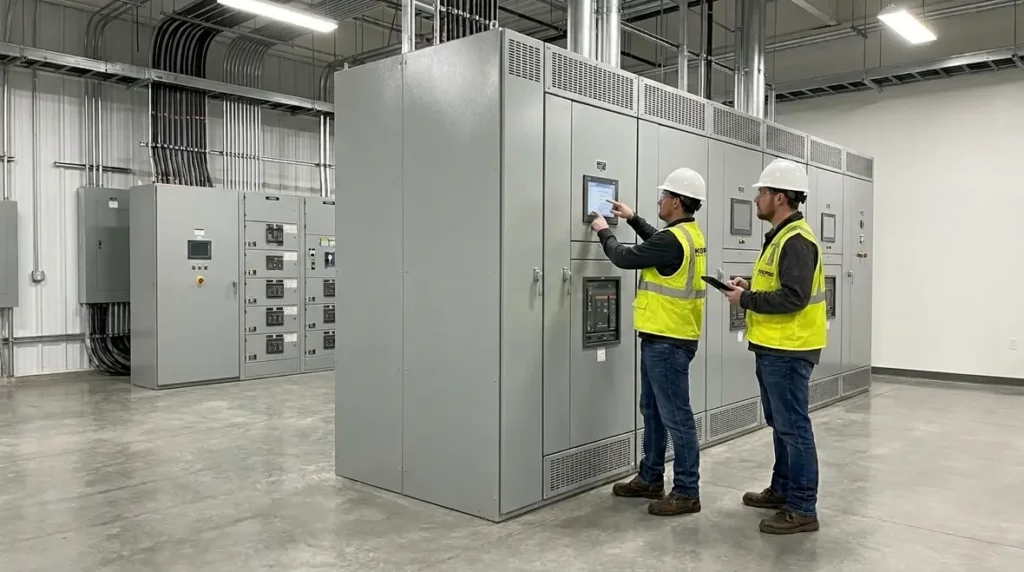
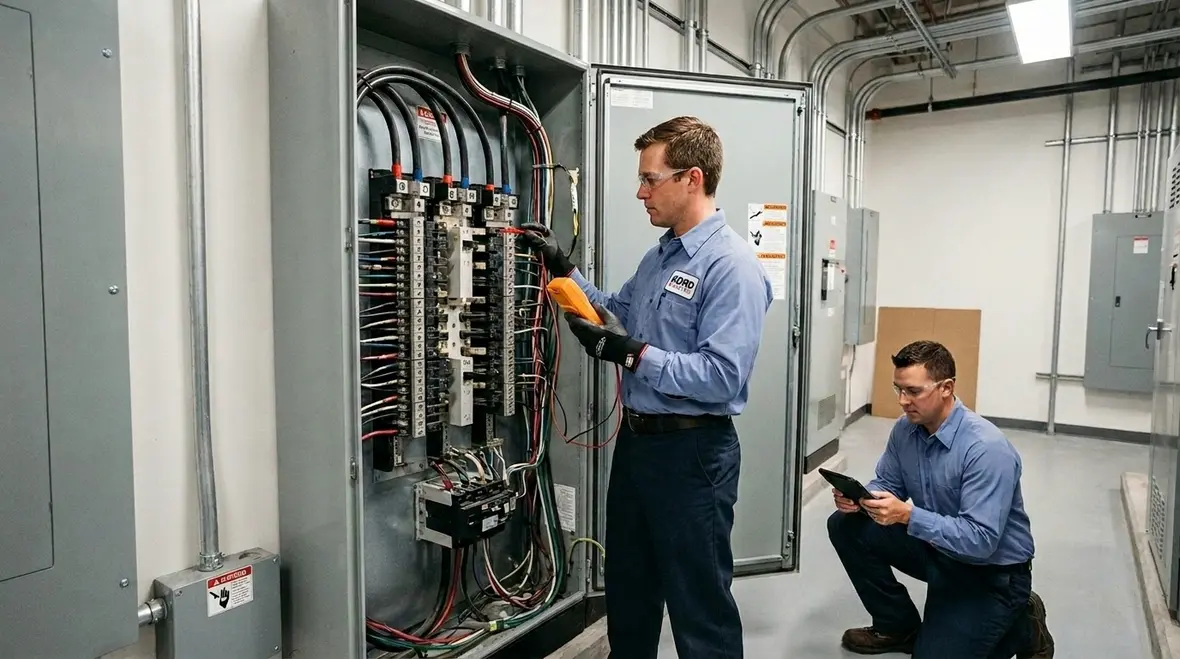
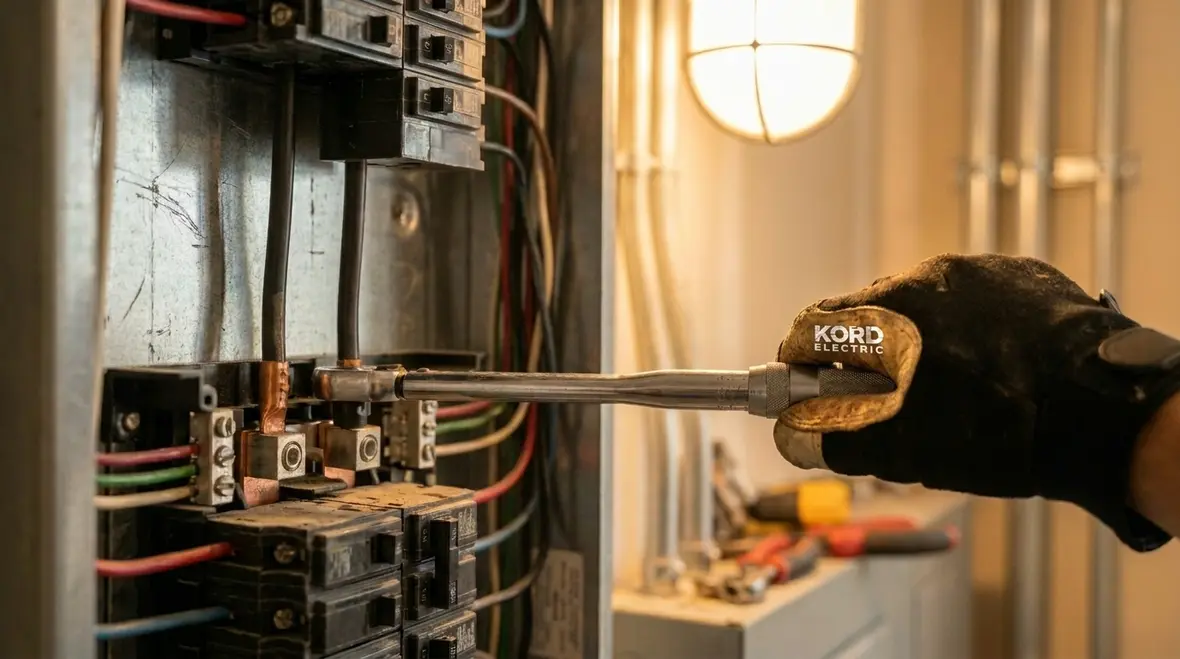
Heat is not just uncomfortable. It is information. When a panel runs warmer than expected, we treat it as a warning sign that calls for fast, careful investigation. First, our technicians inspect for visual issues like discoloration, loose covers, and signs of arcing. Then we check torque and connection integrity, because many failures happen where metal meets metal and someone treated “tight enough” as a lifestyle.
After the visual review, we measure. We confirm the load and verify that the protective devices match the actual application. We also check for harmonics and uneven loading, especially in buildings with variable speed drives, charging infrastructure, and mixed mechanical systems. If a site has EV charging equipment, we pay attention to how chargers influence demand peaks and electrical stress.
When we need to explain what we find, our expert service staff keeps things clear and direct. We tell building teams what the measurements mean, how the risk develops over time, and what corrective steps prevent it from coming back next month, not just next week. For facilities that want a structured program around panel conditions, we often connect this troubleshooting work with electrical preventive maintenance services that keep equipment on a steady, predictable path.
Flickering Lights, Unstable Power, and Control Issues
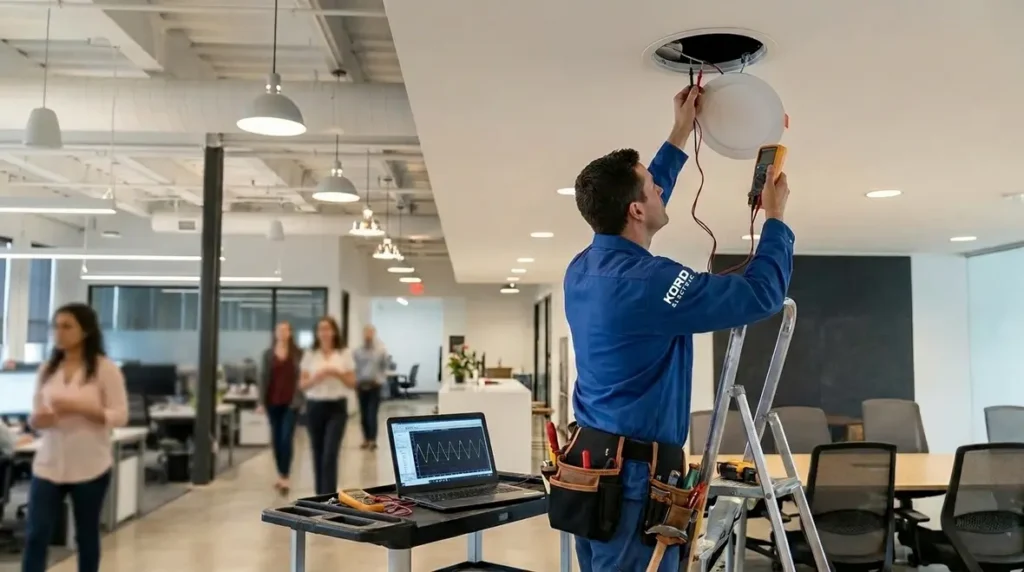
Flicker and unstable power usually sound like a minor annoyance, but in commercial environments it can disrupt operations, damage sensitive electronics, and cause recurring callbacks. So, we start by identifying patterns. For instance, does the flicker happen at shift change, during HVAC cycles, or when a large motor starts? Those timing clues narrow the field fast.
Then we evaluate power quality. We inspect incoming supply conditions, check for loose neutrals, and test the stability of voltage and frequency. We also look at whether the issue ties to dimming controls, lighting drivers, or occupancy systems. Sometimes the culprit is not the lamps, but the wiring configuration or control transformer load. And sometimes it is a loose connection that creates a cycle of micro-faults.
We also examine controls. In commercial systems, contactors, relays, and starters can introduce intermittent problems when their contacts degrade. If your building has motorized equipment, we verify control signals, starter condition, and insulation readings. In short, we keep the troubleshooting focused so you get an answer, not a guess with a time window.
Lighting is also a code and safety concern, not just a comfort issue. When our technicians uncover recurring flicker, they often recommend pairing corrective work with broader improvements based on guidance similar to what we outline in our lighting installation code compliance guide, so facilities stay bright, stable, and ready for inspections.

EV Charging and Demand Surges in Major Property Buildings
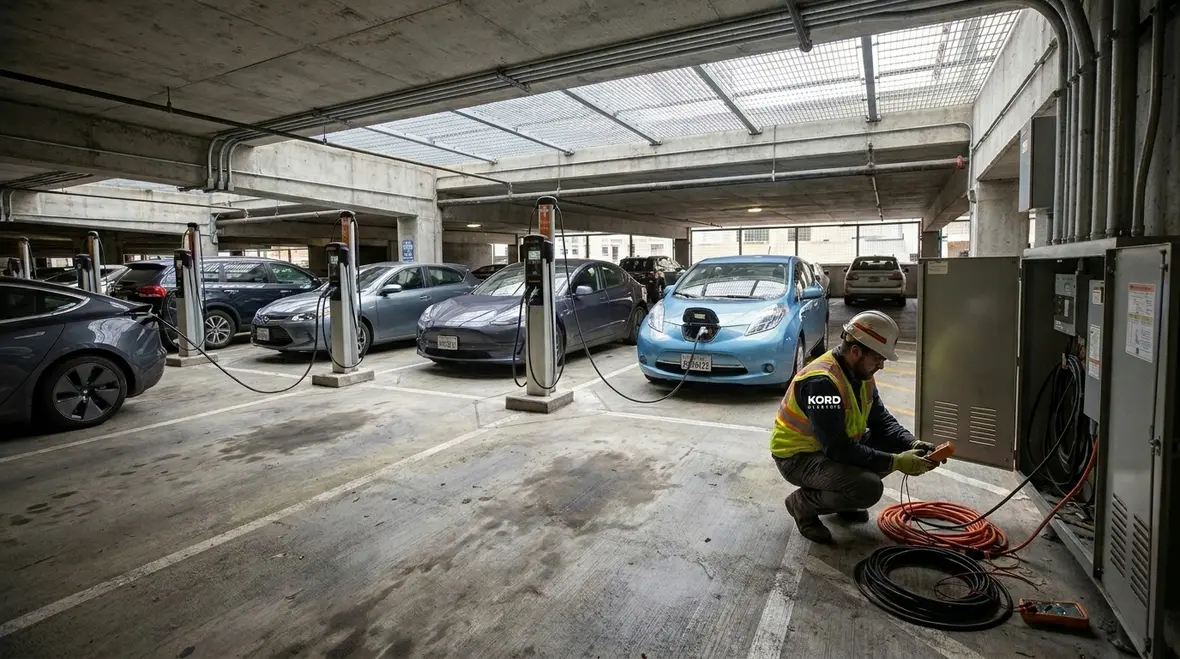
Many major property buildings now add EV charging, and that adds real electrical load. Kord Electric supports commercial installations and works through the power impacts with our clients, especially when charging stations share feeders with other high draw equipment. If an electrical system feels fine until charging ramps up, demand surge behavior can be the reason. So, we troubleshoot by looking at load patterns and circuit allocation rather than blaming the chargers first.
We also connect the dots with practical installation details. For example, our EV charger installation services include planning for site readiness, circuit design, and safe integration into the existing electrical system. From that foundation, we apply the same disciplined approach when we troubleshoot. We check the upstream capacity, verify protective device sizing, and confirm correct voltage at the equipment.
Then, we explain what the data means in plain language. Our technicians and expert service staff show building teams how charging behavior can affect voltage stability, breaker performance, and temperature. In other words, we help you prevent the kind of “it only happens during peak charging hours” mystery that always seems to show up right before a big tenant walk-through.
For sites that expect EV growth over time, our team also leans on the same planning mindset used in our EV charging infrastructure scalability work, so today’s troubleshooting fits tomorrow’s expansion instead of fighting it.
Motors, Pumps, and Drives: The Repeat Offenders
In commercial and industrial facilities, motors, pumps, and drives do heavy lifting. Naturally, they also account for a large share of electrical troubleshooting calls. We focus on the typical fault paths: motor overload conditions, insulation breakdown, abnormal starting currents, and control wiring problems.
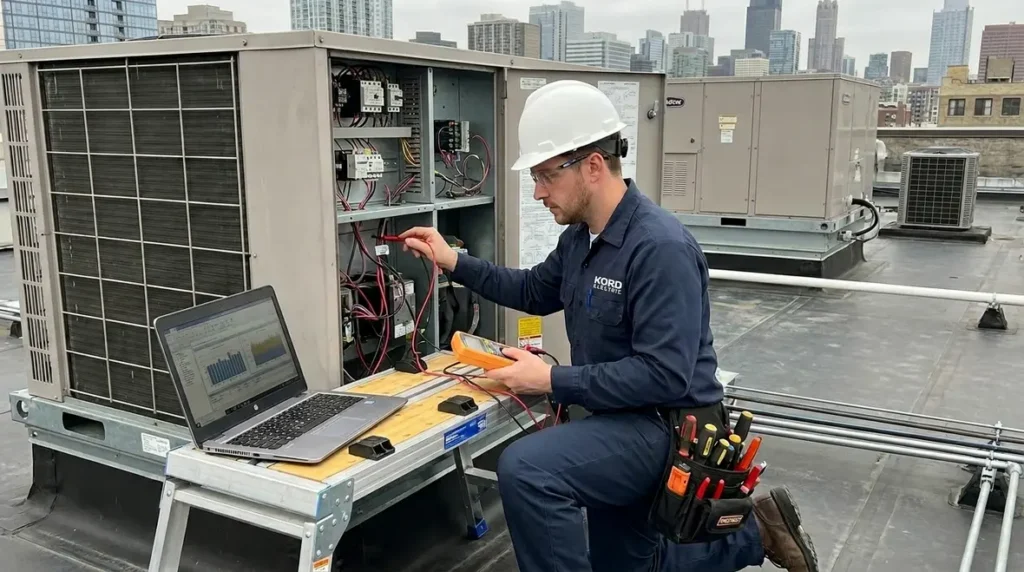
First, we inspect the motor and its protection. Then we test. We evaluate incoming power quality, check for phase imbalance, and examine whether the drive or starter operates within expected parameters. If a pump trips, we confirm whether the trip cause relates to current overload, phase loss, ground faults, or control faults. If the breaker trips instantly, we suspect a severe issue like a short or ground fault. If it trips after a delay, we investigate load growth, bearing issues, or heat buildup that worsens over time.
We also pay attention to how building operations affect equipment. For example, if HVAC cycling or water pressure changes happen at the same times as electrical issues, we treat it as a systems problem, not a one device problem.
To keep the work transparent, our expert service staff explains the likely failure mechanism, not just the replacement part. That way, the facility team understands how to prevent the next repeat and when it might be time to think about deeper upgrades, such as the kind of full system improvements we cover in our rewiring cost guide for commercial electrical systems.
Tracking Intermittent Problems With Evidence, Not Luck
Intermittent faults feel like they were designed by a prankster. One moment everything runs, the next moment alarms appear and then vanish. Yet in commercial sites, you cannot afford repairs based on luck. So we use evidence based methods. We collect data, confirm logs, and check whether alarms correlate with start sequences, cycling equipment, or environmental conditions such as heat and humidity.
Then we narrow down. We isolate circuits, verify wiring terminations, and test for grounding integrity and insulation changes. When needed, we use monitoring approaches to capture conditions during the suspect window. After that, we validate the repair under real operating demand. This matters because a fix that works at idle can fail when the building hits peak load, especially in large property structures.
Our team also communicates clearly. We tell clients what we tested, what we found, and what we recommend next. And yes, we do keep the jokes light, because downtime is not a comedy genre for property managers.
When troubleshooting reveals deeper systemic patterns, such as recurring panel heating or distribution issues, we often refer facility teams to resources like our NFPA 70B electrical panels and switchgear maintenance guidance so they can turn one-off fixes into a long term reliability plan.
FAQ
Get a Clear Fix From Kord Electric
When electrical problems slow your operations, you need answers you can trust. Kord Electric serves commercial and industrial facilities, and major property buildings, with expert service staff who use disciplined electrical troubleshooting techniques to find the real cause and verify the repair. If you are dealing with overheating panels, flicker, nuisance trips, motor faults, or demand issues tied to charging, contact us. We will review your situation, explain our findings in plain language, and help you restore stable power with confidence.
If your facility is ready to move from “chasing problems” to “controlling risks,” this is also a good time to look at related services like structured electrical preventive maintenance programs that keep panels, switchgear, and distribution equipment on a stable, documented path year after year.
For buildings planning significant upgrades, expansions, or new EV charging capacity, our team can combine commercial electrical troubleshooting with design support, so future projects start on a foundation that already understands how your system behaves under real load.
Ready to get unstuck from recurring electrical issues and mystery trips? Let Kord Electric bring calm, organized troubleshooting and long term reliability planning to your facility so your operations team can focus on production, tenants, and growth—not on wondering what the next fault will be.