Proactive Preventative Maintenance for Facilities
How we build proactive preventative maintenance schedules that keep facilities steady
At Kord Electric, we begin every commercial and industrial plan the same way: we create preventative maintenance schedules that prevent problems before they grow legs and start walking around your building. Within the first days of a new engagement, our team works with your site managers to map critical systems, review past work orders, and set clear service windows. Then we align technician activity, spare parts, and inspection steps so your facility runs with fewer surprises. And yes, fewer surprises means fewer late night calls that feel like a pop quiz from your least favorite professor.
From there, we refine the schedule into something you can actually use. After all, a plan sitting in a binder is like a smoke detector that only works when you remember it exists. In the sections ahead, we explain how we design proactive coverage, how our expert service staff verifies results on site, and how you keep reliability high without turning maintenance into a never ending emergency comedy.
Start with the systems that drive uptime and safety
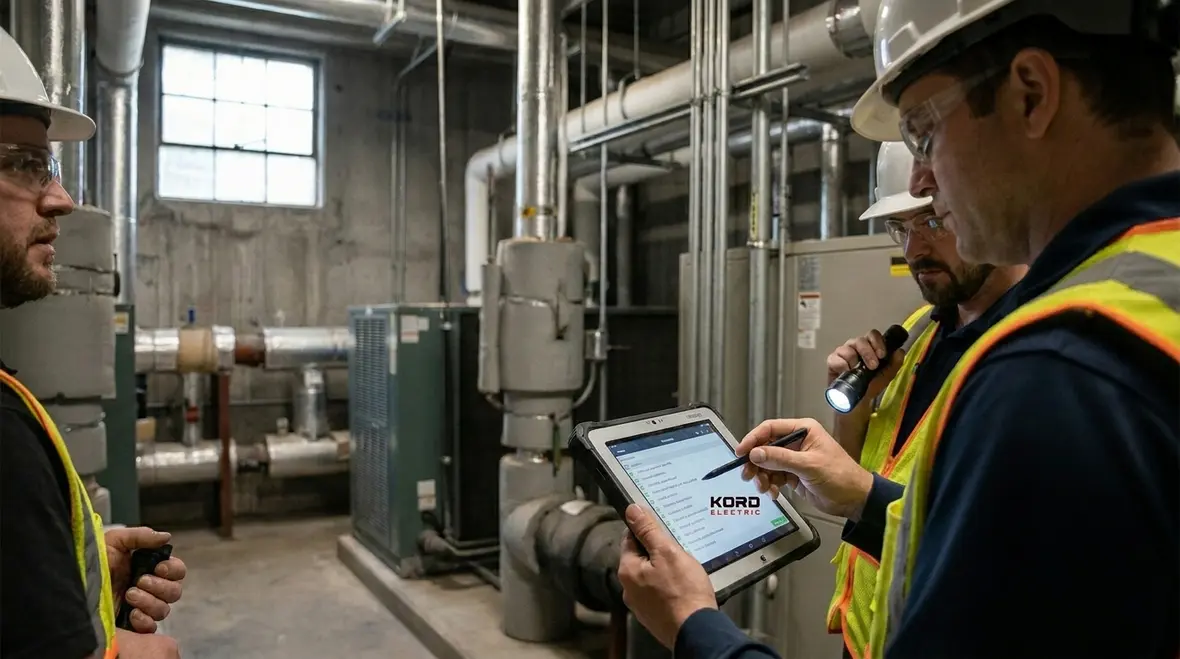
Commercial and industrial facilities live or die based on a few core systems. Therefore, our approach starts with identifying what matters most for uptime, safety, and regulatory readiness. We look at equipment that can stop production, disrupt operations, or create risk for people and property.
Next, we break those assets into service groups such as HVAC, electrical distribution, lighting systems, life safety gear, fire alarm components, and any facility controls that support day to day operations. When we do this, we also consider the building’s usage patterns. For example, a facility that runs 24 7 needs different inspection frequency than a site that operates standard business hours.
Then we align those service groups to a maintenance cadence that fits real operations. Our technicians and expert service staff explain what the schedule includes and why it matters, so building teams understand the “what” and the “why” without getting lost in jargon. And if you ever wondered why a tiny issue becomes a big one, we can usually trace it back to skipped inspections or unclear thresholds. We fix that upfront.
Turn inspections into measurable plans, not wish lists
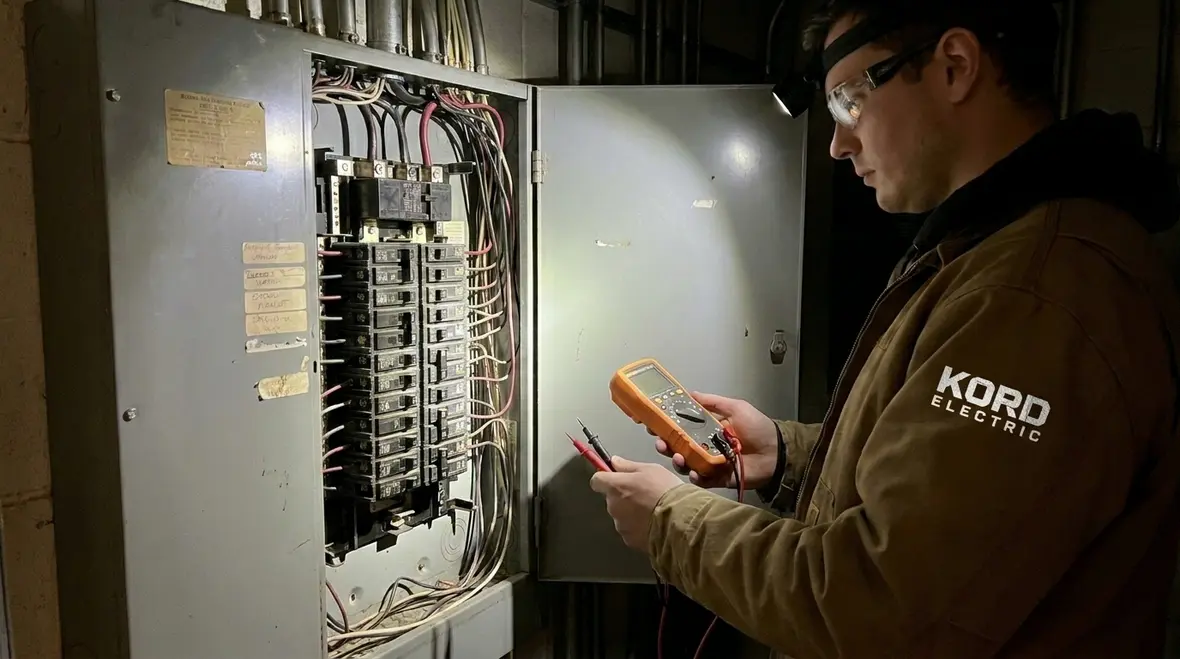
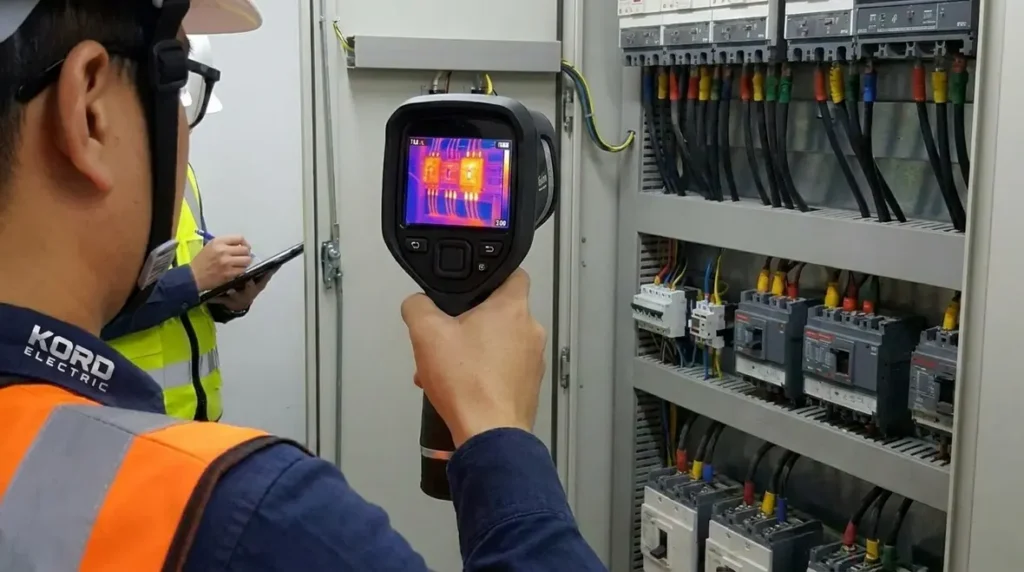
Many preventative maintenance plans fail because they describe tasks, but they do not define outcomes. However, we build schedules around measurable checks and specific triggers. That means our work doesn’t stop at “inspect.” Instead, we document conditions, compare results to baseline targets, and determine next steps based on what we find.
For instance, we structure service activities so technicians can verify performance and safety. They also record observations in a way that helps others understand the building’s story over time. As a result, your team does not have to guess whether a repeated issue is getting worse or if it simply happened once.
When we set up these preventive steps, we include key details such as required tools, access needs, and time estimates for each asset. Additionally, we plan for parts availability when possible, because nothing slows a maintenance day like waiting for a component shipment while the rest of the building keeps running.
How we set intervals using runtime, risk, and failure history
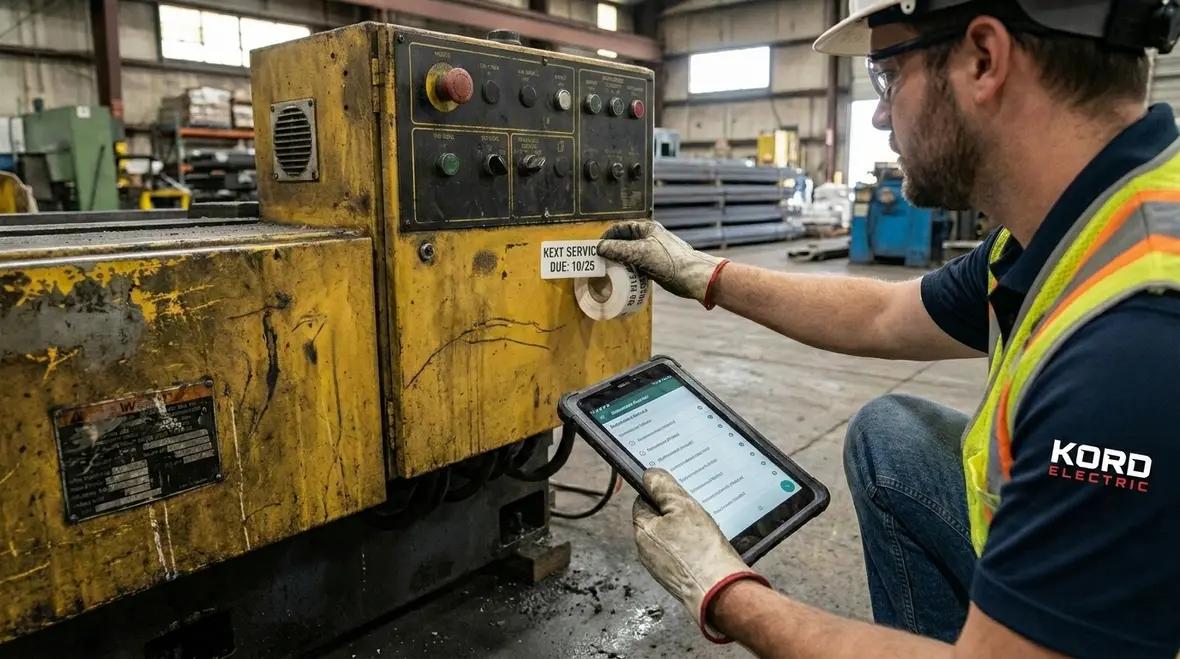
We build preventative maintenance schedules by combining three factors: usage, risk level, and historical failure patterns. First, we consider runtime and environmental conditions. Dust, vibration, humidity, and temperature swings all change how fast equipment ages.
Second, we rate risk. A system that impacts safety and life safety operations gets priority coverage. Likewise, critical electrical components that support distribution and power reliability receive tighter checks. Third, we use failure history, which means we review prior service records, trends, and work order notes. If something fails repeatedly, we do not simply keep repeating the same task. Instead, we adjust intervals and update procedures so the plan learns from experience.
Then we assign service frequency in a practical way. We may schedule routine tasks monthly or quarterly for certain checks, while other items follow a semi annual or annual cadence. Meanwhile, high impact components get more attention where it counts. Our technicians explain these decisions clearly so building leadership can see the logic instead of just accepting a calendar entry.
And if you are thinking, “This sounds like a lot,” you are right. It is a lot. But it is also a lot less than the bill that arrives after a failure takes out power to a whole wing. Think of it as paying for an umbrella before the storm, not after the roof turns into a water feature.
Coordinate downtime and safety with facility operations

Even when the maintenance is planned, the impact on operations matters. Therefore, we coordinate service windows with your facility schedule and staffing needs. We also consider how your site handles access, permits, and safety requirements. When we build our schedule, we make sure the plan respects how your building actually runs.
In many cases, we structure work in phases. For example, electrical service checks can occur during lower load periods. Similarly, lighting system verification can align with normal staffing coverage. This approach helps reduce disruption, and it also allows your team to keep production and daily workflows moving.
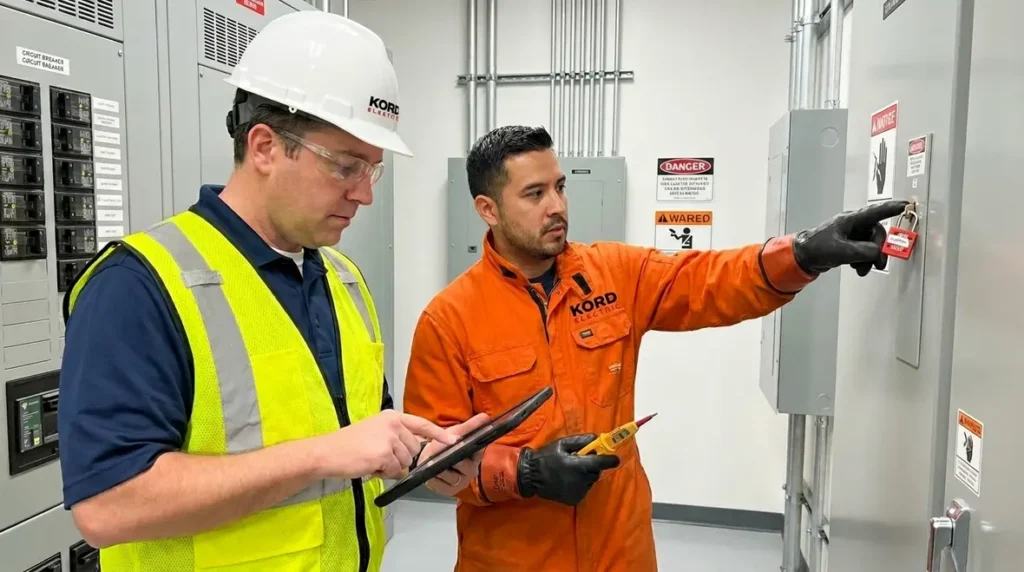
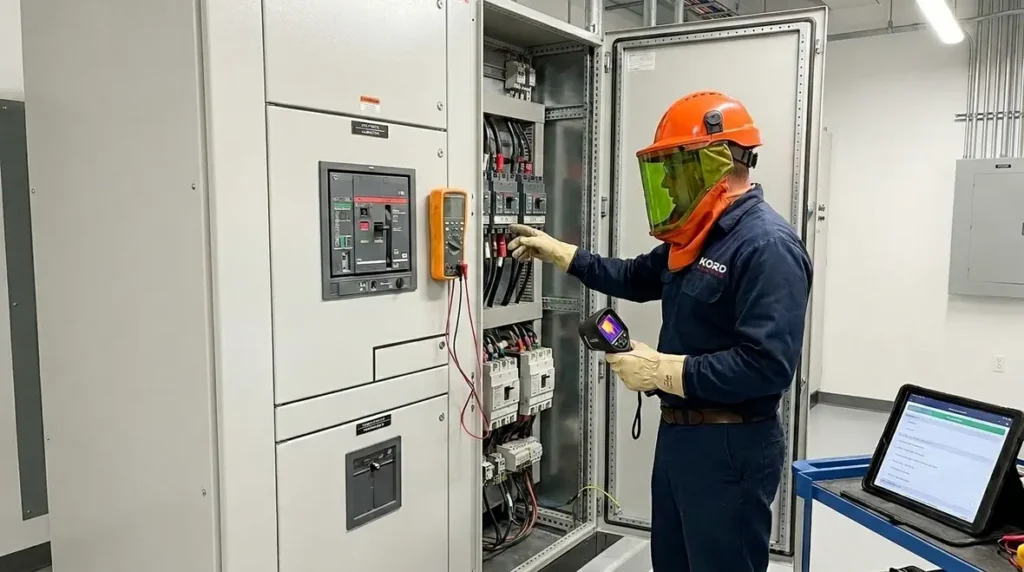
Next, we ensure technicians follow documented procedures for safety and compliance. If a system requires lockout tagout or controlled access, we plan for it. Then we verify the work after completion, so your facility does not just receive tasks, it receives results.
At Kord Electric, our expert service staff does not treat scheduling as paperwork. We treat it as part of the job. We explain what will happen, when it happens, and what your team should expect. That reduces confusion and keeps your operations calm, even if the maintenance calendar looks busy.
Preventive maintenance and lighting upgrades: budgeting with clarity
Electrical reliability often connects directly to lighting performance and energy efficiency. When facilities plan upgrades, we help them avoid the common trap of guessing costs and hoping the math behaves. In our commercial lighting upgrade cost guide, we outline how upgrade decisions depend on variables like fixture types, controls, existing wiring conditions, and scope complexity. You get clearer expectations when the site conditions drive the plan, not wishful thinking.
From a maintenance perspective, we also align lighting schedules with upgrade timelines. Instead of waiting for failures, we inspect system health, review performance trends, and identify components that slow down effectiveness. Then, when your facility is ready for an upgrade, we use that information to guide scope and sequencing.
Additionally, proactive schedules reduce the “surprise” factor in lighting projects. If we find a pattern of driver failures or inconsistent output, we address it early. As a result, the facility experiences fewer outages and fewer emergency interventions. And yes, emergency interventions are expensive, stressful, and about as fun as stepping on a LEGO barefoot.
When needed, we coordinate lighting work with facility constraints, such as access limitations and operational hours. Meanwhile, we keep documentation so stakeholders can track improvements over time. This helps your team compare outcomes year to year, not just feel better because the lights seem brighter.
Reporting and continuous improvement that keeps the schedule alive
A preventative maintenance schedule should never act like a statue. It needs to evolve as the facility changes. That is why we deliver reporting that supports continuous improvement for commercial and industrial sites.
After each service cycle, we review findings with your team. We also confirm what we completed, what needs attention next, and what we recommend adjusting in the schedule. If we see early wear, recurring faults, or changes in system behavior, we update intervals or procedures so future work matches reality.
Next, we help align schedule updates with your priorities. Maybe your leadership cares about minimizing downtime. Maybe your safety team wants tighter coverage on life safety systems. Or maybe your finance team wants predictable spend. We adapt the plan to meet the goals while keeping the core focus on reliability and safe operations.
Our technicians and expert service staff keep the tone direct and clear. We do not bury important details. Instead, we present information in plain language and explain the recommended actions so your stakeholders can make good decisions quickly.
FAQ: Preventive maintenance for commercial and industrial facilities
Conclusion: Let us build the proactive plan your facility deserves
If your facility runs on people, machines, and deadlines, then your maintenance plan should do the same. We at Kord Electric create preventative maintenance schedules that protect uptime, improve safety, and help you budget with confidence. Then our technicians and expert service staff document results and refine the plan as conditions change. If you want fewer surprises and more steady performance, contact us today. We will review your systems and map a practical, proactive schedule that keeps your commercial and industrial operations moving forward.
For facilities that want to go deeper on long term reliability, our dedicated electrical preventive maintenance services expand this same proactive mindset across panels, distribution gear, emergency systems, and critical equipment. Combining structured electrical preventive maintenance with well designed preventative maintenance schedules gives your team a stronger foundation for uptime, safety, and future upgrades.