Emergency Electrical Response Planning Guide
When the lights go out, a building does not wait for anyone to feel ready. That is why Kord Electric builds emergency electrical response planning into the way our teams prepare for power failures. We help facility managers map the risks, assign responsibilities, and plan actions so operations can recover with less guesswork and more control. In this article, we explain how power loss events change the day, how we structure a clear response, and how our technicians guide the process step by step. And yes, while it is not glamorous like a movie where the hero flips one switch, our approach turns chaos into an organized plan that actually works.
Why power failures need a written response process
Power failures create more than darkness. They can stop critical ventilation, disrupt refrigeration, delay life safety functions, and slow down safety monitoring. Additionally, the moment a utility feed drops, staff may try to “fix it fast” without the right information. That is when small mistakes turn into expensive repairs.
Our expert service staff plans around the real sequence of events. First, they identify what loads must keep running. Next, they define what must be safely shut down. Then, they connect that to a clear communication path. Finally, they verify that staff can act under stress, because during an outage the best training beats the fanciest theory.
Scope the emergency electrical response planning to your actual building
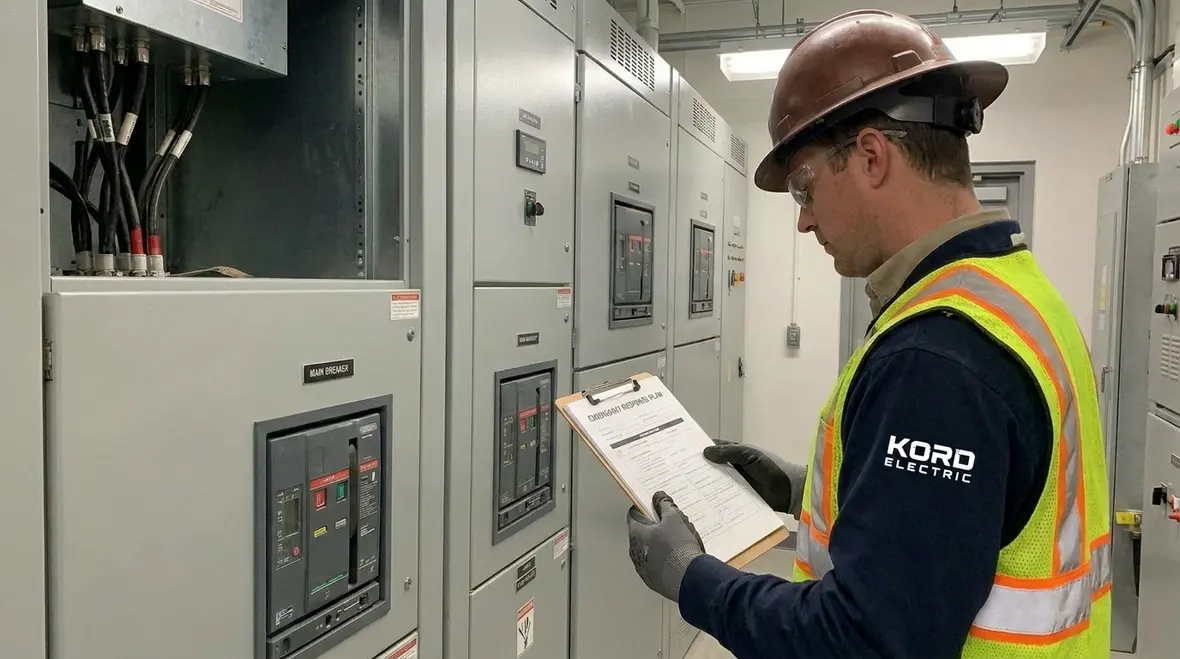
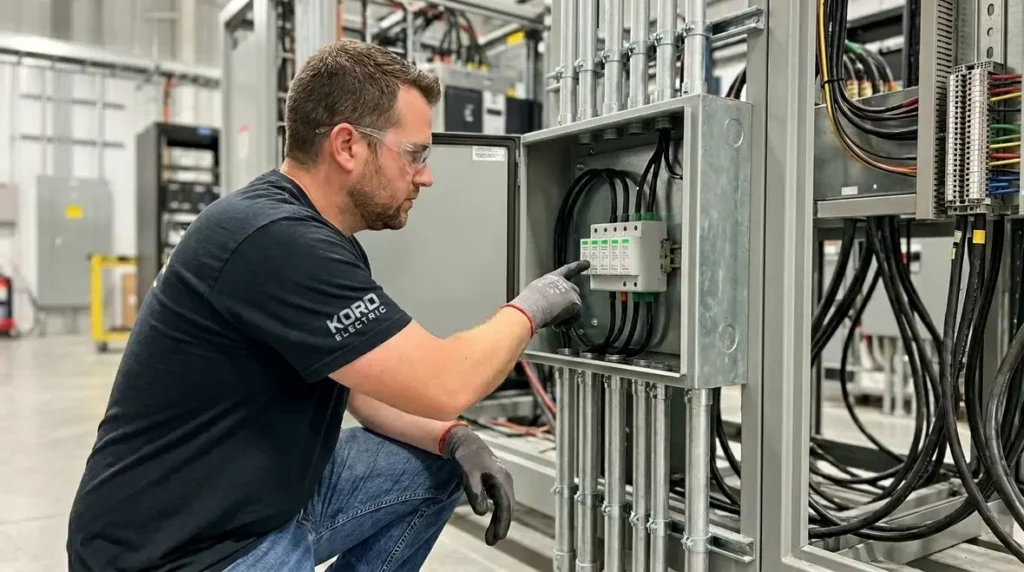
In commercial and industrial settings, each facility has a different footprint, different equipment, and different critical systems. Therefore, a one page plan does not help much. We recommend emergency planning that covers your service entrances, switchgear, transfer switches, and generator interfaces, along with the operational groups that rely on them.
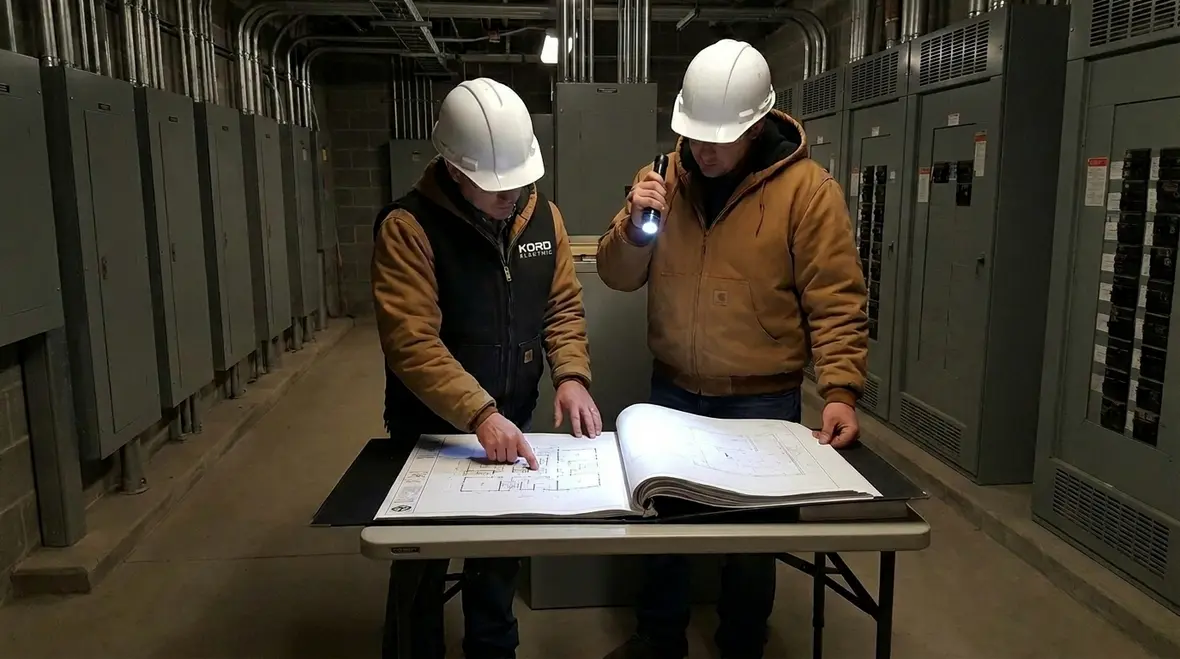
During planning, our technicians ask practical questions that facility teams can answer quickly. What critical process must stay alive? What spaces require controlled lighting? Which alarms need power to function? What doors or gates rely on electrical power? After that, we group the building into zones. As a result, responders can act locally without guessing across the whole site.
For many major property buildings, the “scope” also includes contractors, security, and remote monitoring. In other words, the plan must work even when the onsite team is limited. If the building acts like a city block during an outage, then your response process should act like a well run dispatch system.
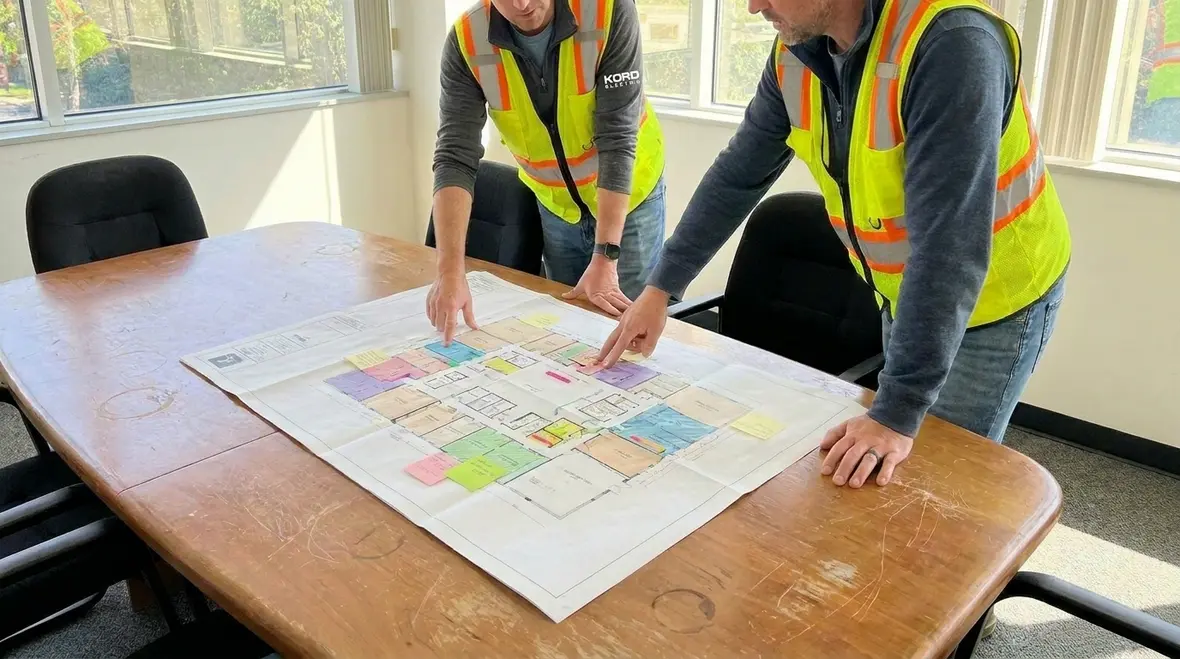
Build the timeline: before the outage, during it, and after it
Effective response is not one action. It is a sequence. So we structure the plan in three phases, and we make it simple enough for teams to follow.
Before the outage
- Document the electrical one line, panel schedules, and switchgear lineup.
- Confirm maintenance status for switchgear, breakers, and control components.
- Train staff on roles and escalation paths.
- Verify generator testing and fuel readiness where applicable.
During the outage
- Assess the outage type: total loss, partial loss, or nuisance trip.
- Stabilize critical systems based on priority loads.
- Control switching actions to prevent unsafe backfeed or overload.
- Communicate to internal teams and utility contacts immediately.
After the outage
- Inspect for abnormal indications, overheating, or repeated trips.
- Restore noncritical loads in a planned sequence.
- Record events for corrective action and future prevention.
Meanwhile, our team treats the after phase like the “second act” that most people skip. Yet it is where you prevent the next outage from turning into a rerun. Like a sitcom, power failures can repeat, only less funny and more expensive.
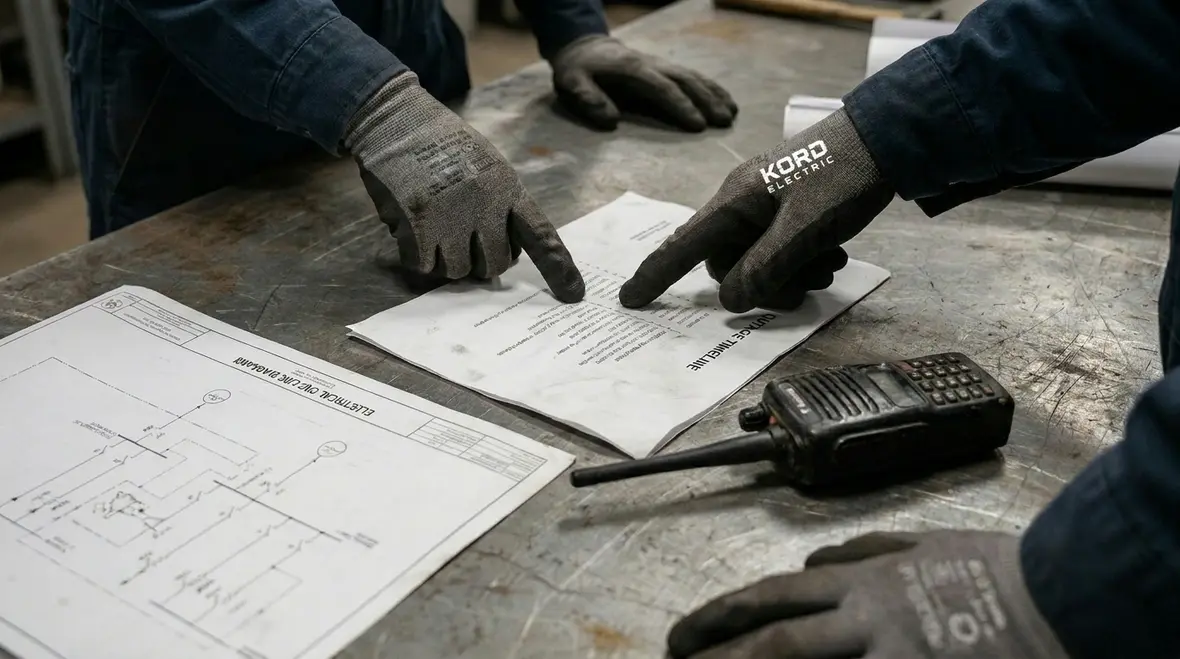
Align response roles with real responsibilities
Someone must own the response. Without clear roles, teams wait for approval while equipment keeps failing. Therefore, emergency electrical response planning includes named positions, backups, and a practical chain of communication.
Our technicians often help facilities define role sets like these for major property buildings and industrial sites:
- Incident lead who coordinates actions and confirms priorities.
- Electrical responder who verifies status of switchgear, transfer devices, and protective devices.
- Operations coordinator who manages critical processes and shutdown thresholds.
- Security and access lead who controls doors, parking gates, and safety routes.
- Facilities support who handles HVAC, loading docks, and equipment interfaces.
Then, we add escalation rules. For example, when a breaker trips repeatedly, the plan should require technical evaluation rather than “reset and hope.” That approach prevents hidden damage and reduces downtime. As our expert service staff explains, a reset can feel like quick progress, but it can also wipe out the clues you need to find the root cause.
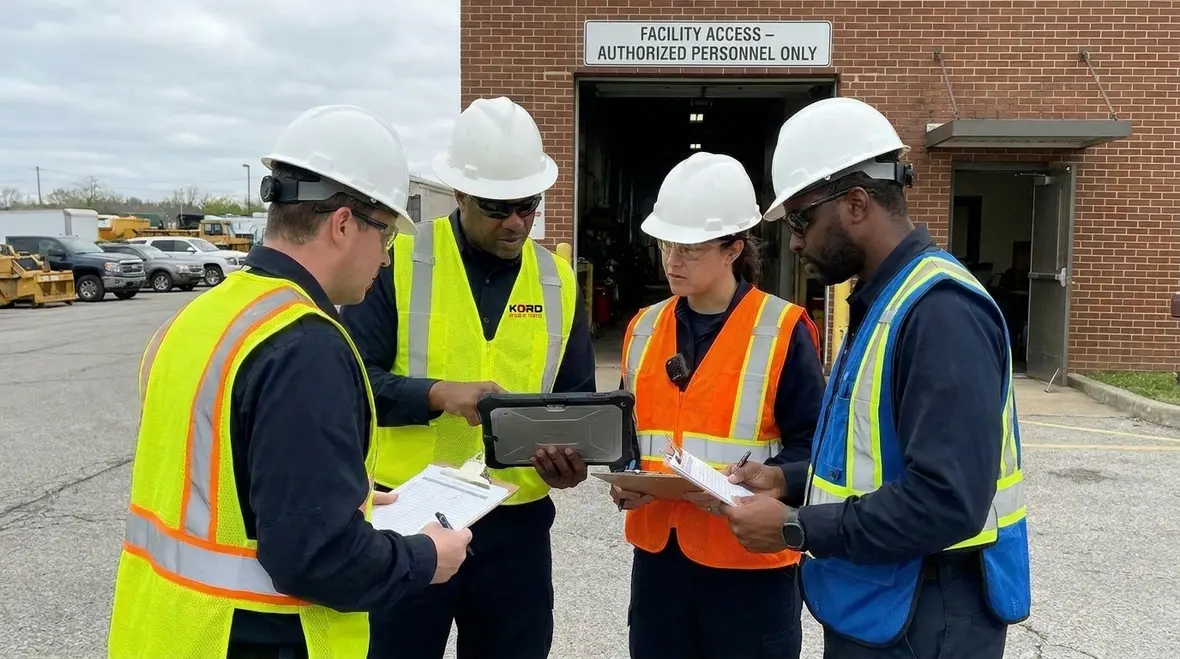
Use electrical maintenance insights to prevent failure during response
Planning does not replace maintenance. However, when maintenance is done well, emergency response becomes smoother. In our work with electrical panels and switchgear maintenance, we emphasize that the best time to address wear is before a failure forces decisions under pressure. If you want a deeper dive into how structured maintenance supports reliability, you can explore our NFPA 70B electrical panels and switchgear maintenance overview, which connects day-to-day service work directly to outage risk reduction across facilities like yours: NFPA 70B Electrical Panels and Switchgear Maintenance.
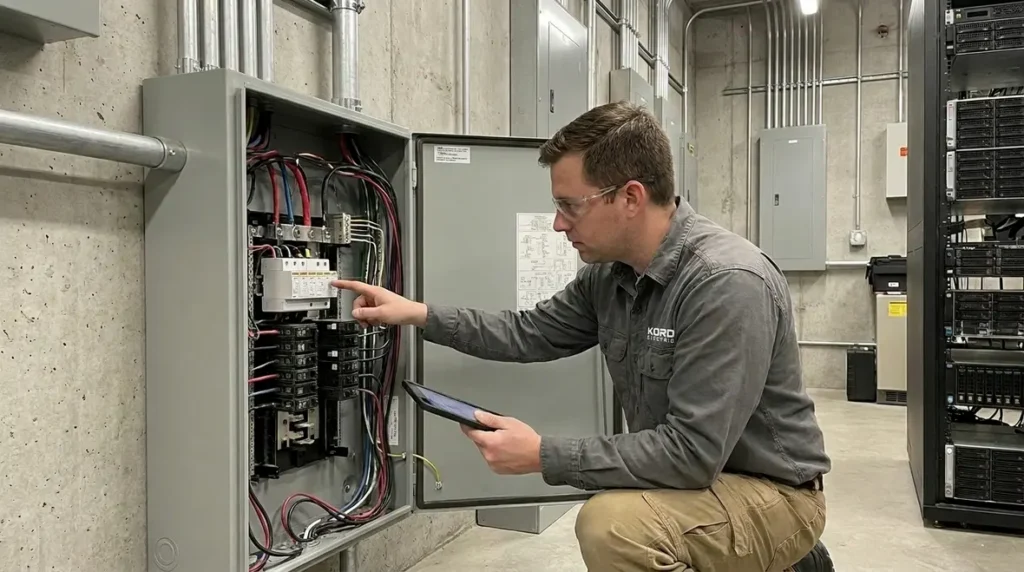
Our technicians use the same discipline during planning that we apply during maintenance. For example, they verify that protective devices and control components remain reliable, because the plan depends on equipment behaving as intended. If panel components are already stressed or out of tolerance, then your “during outage” actions may not succeed.
In addition, we focus on documentation and condition awareness. When a facility maintains accurate panel labels, updates the one line, and tracks switchgear performance, responders spend less time searching and more time taking safe action. That reduces mistakes and improves recovery times.
And yes, we know it is tempting to treat maintenance like a “future problem.” But electricity does not care about your calendar. It cares about heat, torque, wear, and correct settings. Power failure response planning works best when the electrical system is already in good health.
Communication that stays clear when stress rises
During outages, communication often collapses first. Messages get delayed, and teams start repeating information that should have been logged once. So we design communication steps in a way that reduces confusion and speeds decisions.
Our approach includes a simple internal template, a defined utility contact process, and clear reporting rules. Facility teams should know:
- Who contacts the utility and when
- Who updates building occupants or tenants
- Who records events like times of loss, switch actions, and observed alarms
- What details trigger technical escalation
To keep the plan usable, we recommend short messages with required fields, not long paragraphs. Therefore, responders can transmit updates quickly even when staff feel rushed.
We also encourage message discipline across departments. When operations and electrical teams speak in the same terms, recovery efforts stay coordinated. That means less “everybody reset everything” energy. If power failures were a sport, that would be the equivalent of everyone going after the same ball and forgetting the goal.
Recovery and restoration without creating a second outage
Many facilities treat restoration like a switch flip. In real life, restoration is a controlled process that prevents backflow, inrush overload, and repeated protective device trips. That is where your emergency response process protects both people and equipment.
Our technicians recommend a staged restoration plan that matches your building priorities. First, verify system conditions. Next, confirm that generator or alternative power paths behave correctly if they apply. Then, restore critical loads, verify performance, and only then bring noncritical systems back in sequence.
After restoration, the team performs post event review. This review identifies what worked, what confused responders, and what maintenance needs attention. Over time, this improves recovery speed and reduces repeat faults. It also helps align future maintenance with what actually happened in the field.
Finally, we ensure that the plan reflects real lessons learned. Because if your plan never changes, it does not evolve with your equipment, your occupancy, or your operational risks.
FAQ
Take action with Kord Electric
If your facility serves customers, supports production, or hosts critical operations, you need an emergency response process that works when stress hits. Kord Electric helps commercial and industrial buildings develop and refine emergency electrical response planning with clear roles, practical timelines, and safe restoration steps. Our technicians and expert service staff guide the work so your team can act with confidence. Contact us today to assess your current plan and strengthen your electrical readiness before the next outage.
For organizations that want to pair emergency electrical response planning with ongoing condition monitoring, our electrical preventive maintenance services provide structured inspections, testing, and documentation that keep critical systems in better shape before the next outage arrives.
And when an incident goes beyond planning and you need immediate field support, our dedicated emergency electrical services team responds quickly to stabilize conditions, restore power, and help your facility move from crisis mode back to controlled operation.
Together, preventive maintenance, emergency electrical response planning, and true 24/7 emergency electrical services give your facility a complete framework for handling outages calmly, safely, and with far less downtime.