Commercial Electrical Load Testing for Safety
Commercial Electrical Load Testing that keeps power safe
At Kord Electric, we treat commercial electrical load testing like a seatbelt, not a decorative accessory. In the first place, it helps confirm that a building’s electrical system can handle real demand, not just what the nameplate says. Moreover, load testing can reveal weak connections, overheating conditions, and equipment strain that normal inspections might miss. And when the system already carries HVAC, pumps, elevators, and production lines, “close enough” is rarely close enough. For those reasons, our technicians run practical tests, then explain the results in plain language, so others can make confident decisions without the guesswork. (Yes, electricity is dramatic, but it does not need to be.)
Why businesses should test under real demand
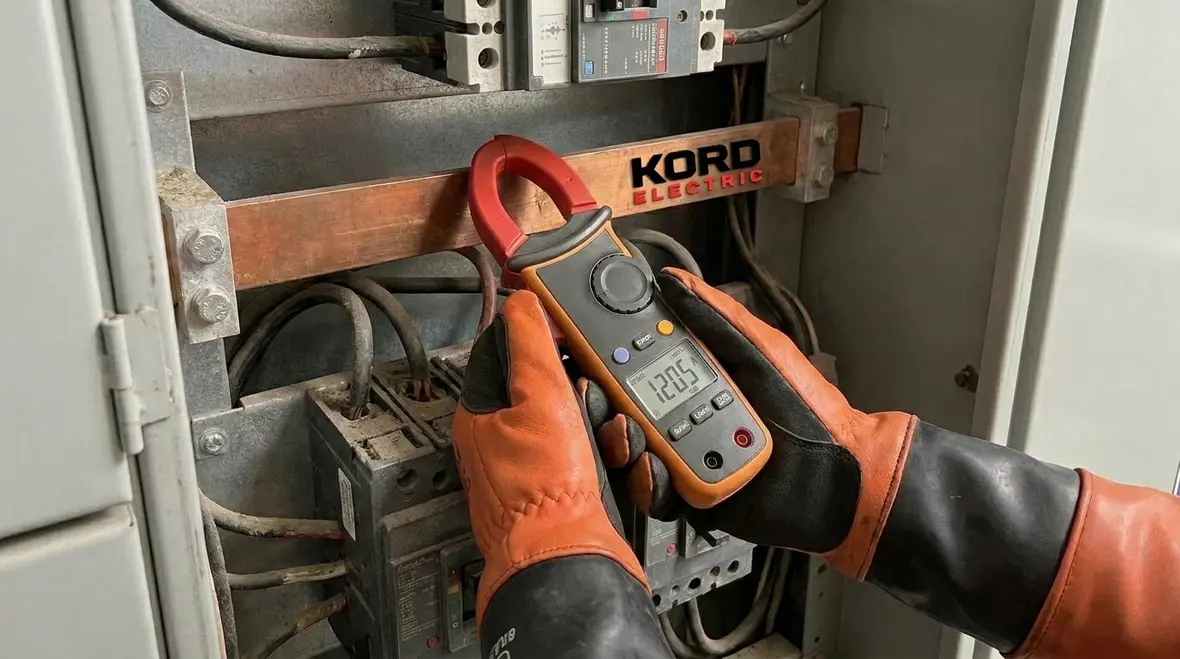
Commercial and industrial facilities operate in cycles. Some days the load stays steady, then suddenly a shift changes, a process ramps up, or a large motor kicks in. Consequently, parts that look fine under light usage can struggle when the building draws maximum current. During commercial electrical load testing, we measure how equipment performs when it is actually working, which helps us spot early signs of failure. In addition, this approach supports safety because overworked components can create hot spots, insulation breakdown, and risk of arc flash.
Even in well maintained spaces, the electrical path can drift over time. Thermal expansion, vibration, and moisture can loosen a connection. Meanwhile, corrosion can form where you cannot easily see. Then, under heavier load, resistance rises and temperatures climb. At Kord Electric, we make sure others understand that these problems do not appear overnight. They build slowly, like a villain who always waits for the right moment. And nobody wants that moment.
How load testing strengthens electrical safety
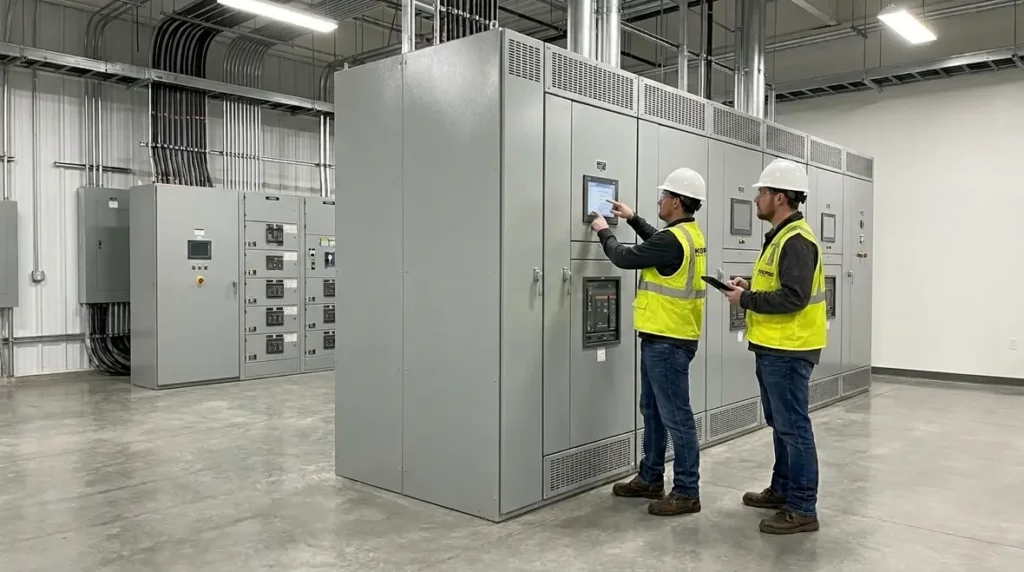
Safety in commercial buildings depends on more than luck. We focus on confirming that conductors, terminations, breakers, transformers, and switchgear behave as designed. When our expert service staff performs load testing, we look for performance mismatches such as uneven current sharing across phases or voltage drops that exceed expected ranges. As a result, we can identify issues that threaten both personnel and equipment.
Here is what matters for safety outcomes. First, we evaluate thermal stress because heat weakens insulation and can accelerate failure. Second, we check voltage stability, since unstable voltage can push sensitive equipment outside safe operating limits. Third, we verify system response under load, so breakers and protection schemes act correctly. If protective devices do not trip at the right time, the system may damage gear before it shuts down. And nobody likes replacing a transformer “because it decided to retire early.”
Voltage fluctuations and the systems that suffer
Many building owners hear about voltage fluctuations like it is a minor inconvenience. However, in commercial and industrial environments, voltage instability can strain equipment and shorten service life. On the Kord Electric site, we explain how fluctuations can show up as performance problems in motors, drives, lighting, and control systems. You can read more here: Voltage fluctuations in commercial and industrial facilities.
Now, load testing helps connect the dots. When we apply real load conditions, we can observe whether the voltage stays within expected tolerances and whether phase balance holds steady. If voltage dips or swings, the root cause may involve upstream supply issues, transformer performance, conductor sizing, connection quality, or incorrect settings. Furthermore, we can correlate the symptoms with the data, which makes repairs more precise. Instead of guessing which panel is being “dramatic,” others can target the actual cause.
What our technicians measure and how they interpret it
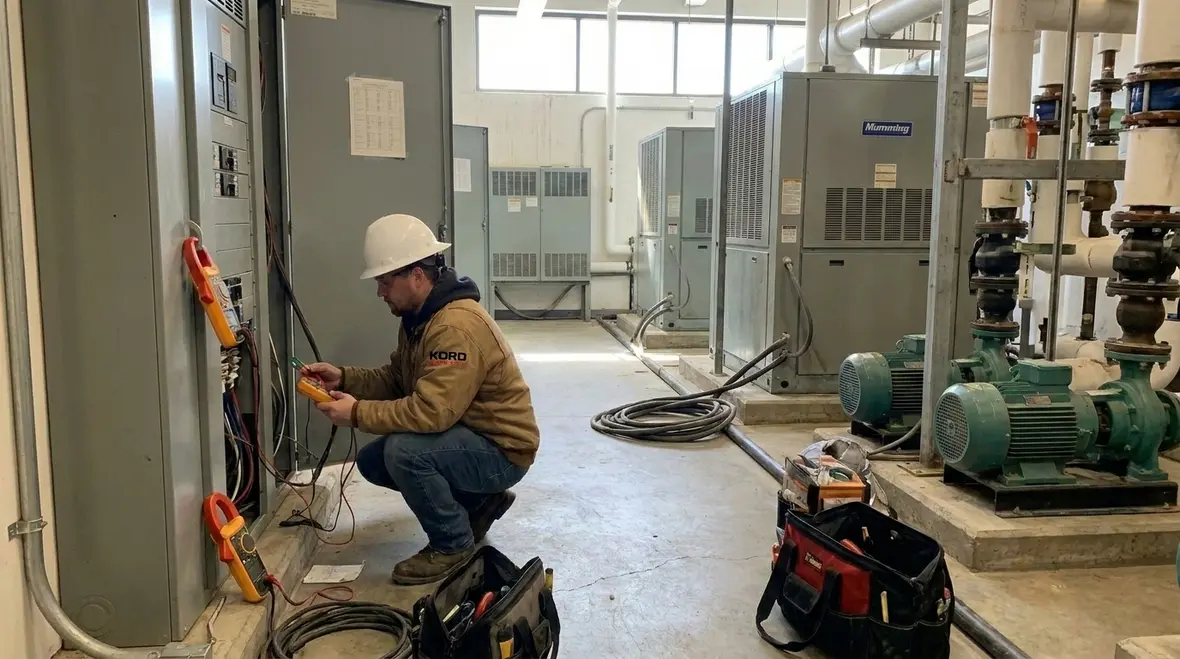
We do not treat load testing as a checkbox. Our technicians run a structured process so the results stand up to real decision making. First, we confirm the test plan, the building operational mode, and the equipment list that matters most for safety and uptime. Then we coordinate with facility staff so the building can reach stable operating conditions without disrupting critical processes.
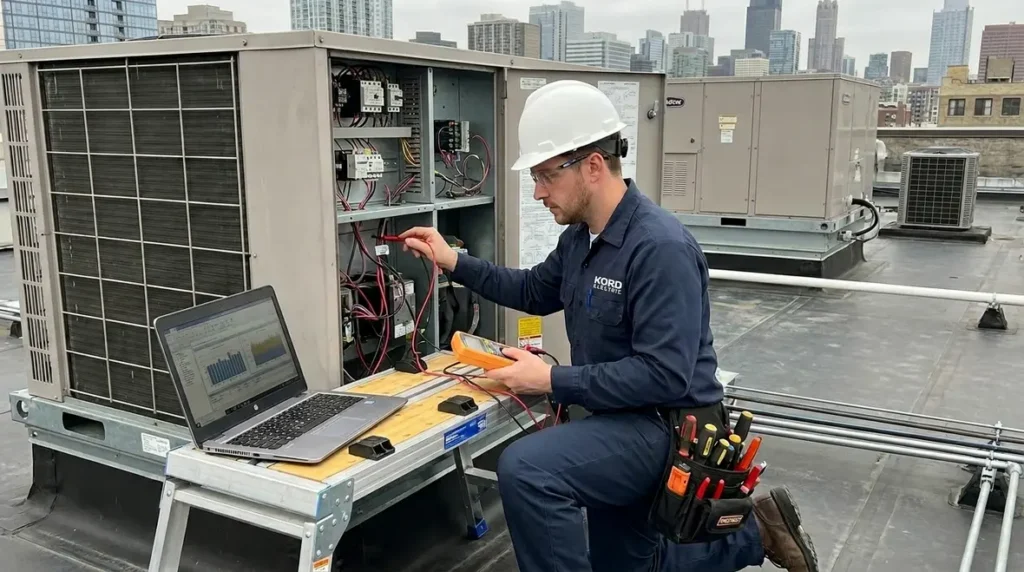
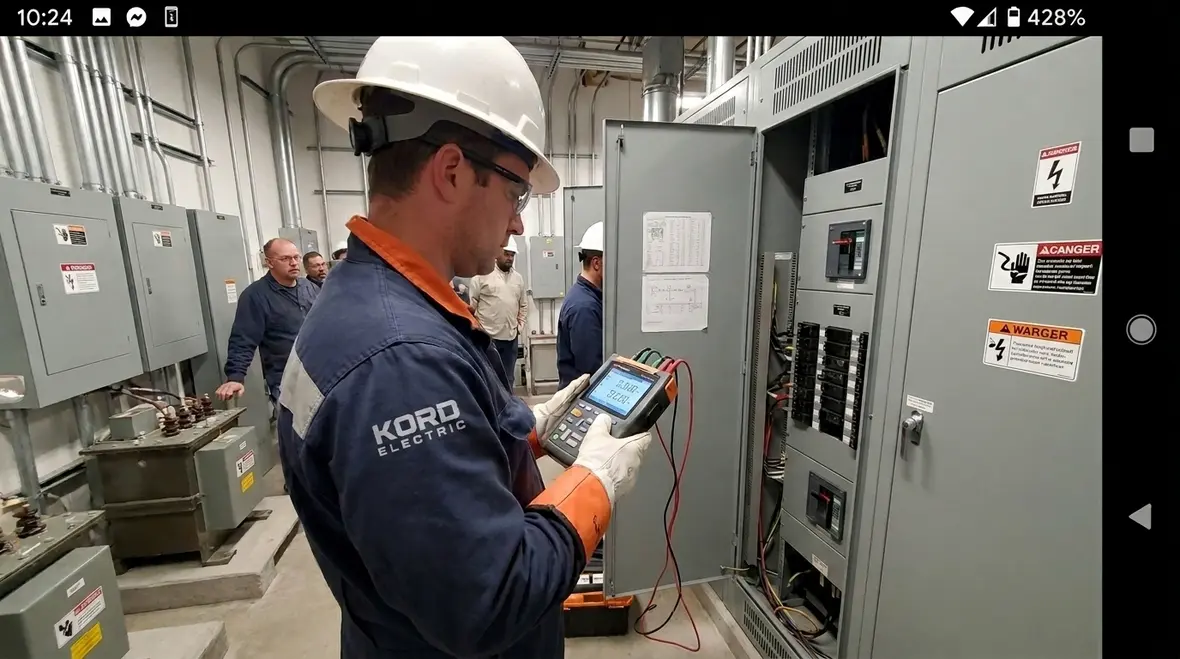
Next, we measure key values during load. These often include current draw on each phase, voltage levels under operating demand, and related indicators that reveal how equipment handles stress. At the same time, we pay attention to the physical system behavior. We look for signs that electrical heating is uneven, and we review how panels and switchgear respond during peak demand. After the test, we interpret findings in a business friendly report that explains what we found, why it matters, and what to do next.
Our expert service staff then explains the outcome in clear terms. For example, if the data suggests increased resistance at terminations, we do not just say “tighten bolts.” We describe where heat is likely building and what type of corrective work reduces risk. That way, others can plan repairs without fear that they are buying the wrong fix. Also, it keeps downtime short, which makes operations managers happier than a coffee machine that finally works.
Common problems load testing can uncover in commercial properties
Commercial and industrial buildings have many pathways where issues hide. Therefore, load testing often reveals problems that do not show up in casual checks. Below are frequent findings our team watches for, especially in major property buildings where multiple tenants and systems share electrical infrastructure.
- Loose or corroded connections that create higher resistance and heat during peak load.
- Phase imbalance that points to uneven loads, miswired circuits, or equipment settings that drift.
- Overstressed breakers and bus systems due to incorrect ratings, aging components, or load growth.
- Transformer performance issues tied to voltage regulation problems or internal wear.
- Protection gaps where devices do not respond correctly under expected demand.
- Motor and drive stress when voltage stability and current behavior fall outside design expectations.
Importantly, we focus only on commercial, industrial, and major property buildings. Others who run office suites, warehouses, manufacturing sites, medical centers, or large multi story facilities see the most benefit because these buildings operate with tight safety and uptime requirements. In short, load testing helps protect people, preserve equipment, and reduce the chance of costly failures.
Connecting load testing with wider preventive maintenance
In many facilities, commercial electrical load testing becomes a cornerstone of a larger preventive strategy. When paired with structured inspections and routine service, it gives a clearer picture of where the system is heading, not just how it behaves on a single day. For organizations that want to stay ahead of failures, combining load testing with a broader electrical preventive maintenance program helps identify risks early and plan upgrades before they become urgent.
Choosing a plan that fits your facility and schedule
Some facilities want testing right away because they suspect problems. Others plan testing alongside maintenance cycles so they can align work with downtime windows. Either way, we help others choose the right schedule based on building use, equipment age, and risk tolerance.
Our process also considers how the building changes. If load levels vary across seasons, then a single snapshot may miss issues that appear later. Similarly, if a facility adds new HVAC capacity or expands production, the electrical system may face higher demand sooner than expected. Consequently, we recommend timing tests when conditions represent real operations, not just “a quiet day” when everything is calm.
Finally, we focus on results that support action. A good load test tells you whether the system stays within expected performance boundaries and whether corrections reduce safety risk. If the findings show concerns, we can help others plan next steps and coordinate follow up work with minimal disruption. We aim for steady progress, not dramatic surprises. Electricity already has enough drama.
When to pair load testing with other commercial services
For many property teams, the best time to schedule commercial electrical load testing is when other upgrades or safety projects are on the table. For example, a facility planning new EV charging infrastructure may use load testing to confirm available capacity and verify that panels and feeders are ready for additional demand. In those cases, exploring Kord Electric’s dedicated EV charger installation services alongside load testing helps ensure both the existing system and new equipment perform as expected.
FAQ
Ready to protect your electrical system with confidence
When your facility depends on reliable power, you cannot afford guesswork. Kord Electric schedules commercial electrical load testing that matches your operating conditions and gives others a clear, actionable path forward. Our technicians run the measurements, our expert service staff explains the results in plain language, and we help you reduce safety risk before small issues grow into major downtime. If you want peace of mind for a commercial or industrial property, contact us today to plan your next electrical safety test.
For facilities that want to move from one-time fixes to a stable long-term strategy, pairing load testing with services like electrical preventive maintenance and targeted upgrades creates a stronger safety net. Whether you are planning new equipment, managing hidden risks, or simply trying to avoid unpleasant surprises, Kord Electric’s commercial and industrial services are built to keep serious facilities online and compliant.