Commercial Electrical Load Testing for Safety
Why Commercial Electrical Load Testing Keeps Your Business Safe
At Kord Electric, we take commercial electrical load testing seriously, because safety does not happen by luck. We schedule load tests so a facility’s electrical system can handle real operating demand, not just ideal lab conditions. When we put the system under controlled load, we help catch weak links early, before they turn into outages, equipment damage, or costly downtime. And yes, we know “electrical testing” sounds about as exciting as watching paint dry, but it is far less dramatic than an unexpected shutdown. In this article, our technicians and expert service staff explain what the process checks, why it matters for commercial and industrial facilities, and how we keep major property buildings running with confidence.
What Load Testing Actually Measures in Real Use
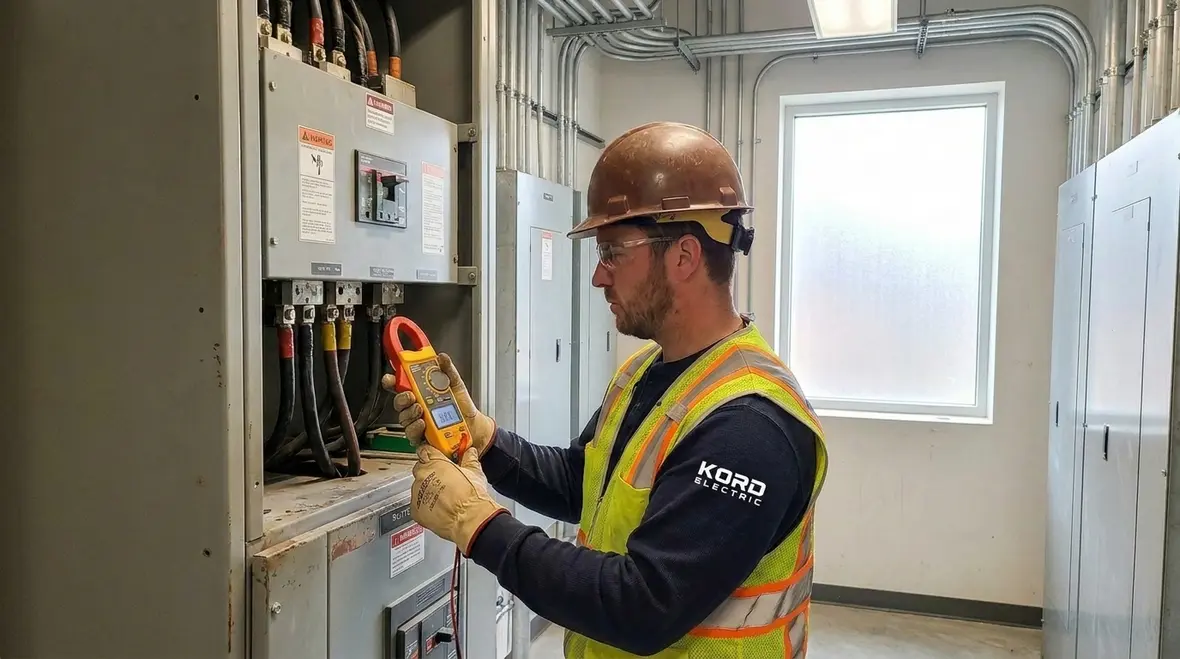
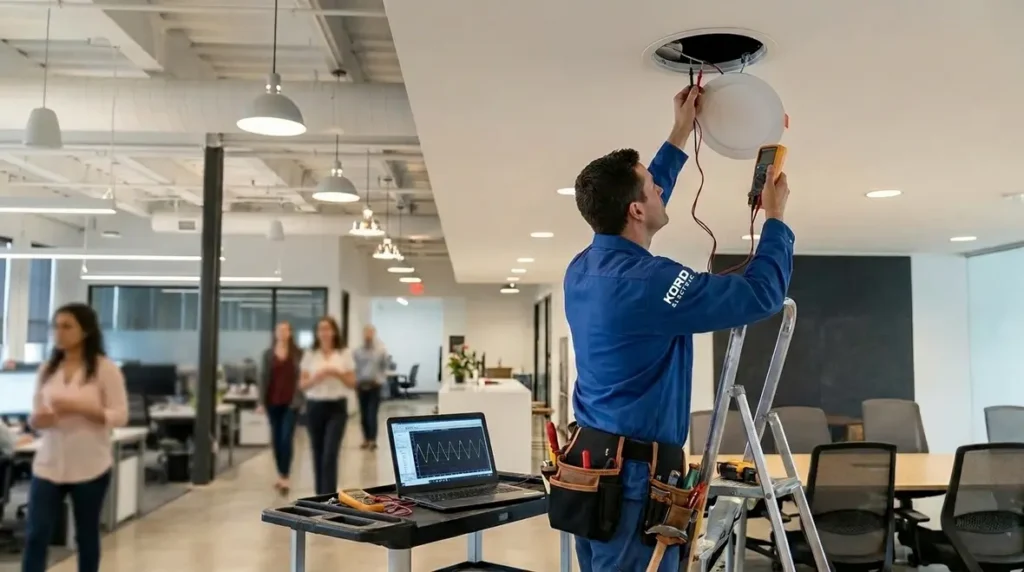
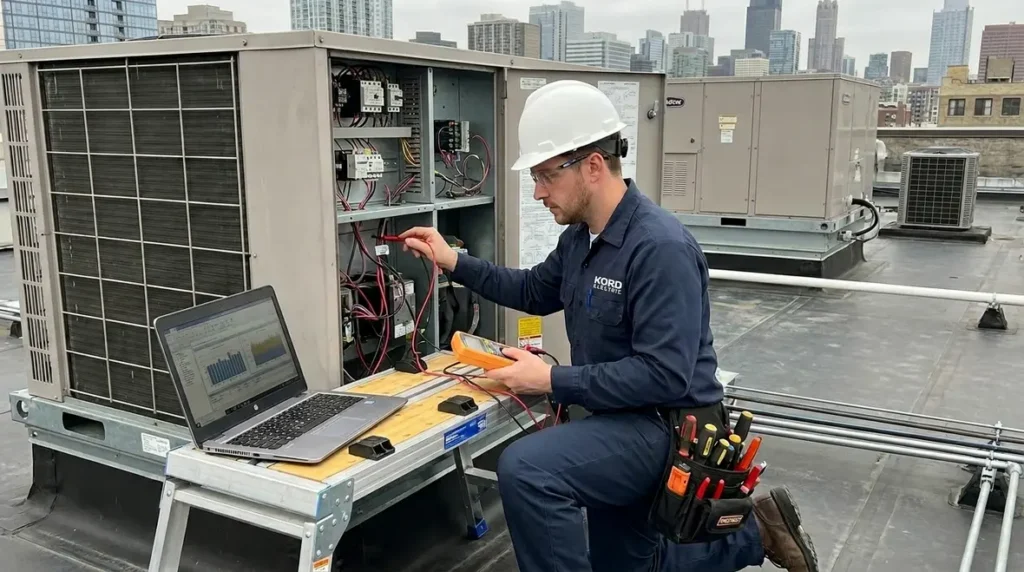
First, commercial electrical load testing does not rely on guesswork. We evaluate how voltage, current, and power behave when your equipment actually runs. Then we compare those readings to expected performance for your switchgear, panels, feeders, and connected loads. In plain terms, we do not just look at the wiring and hope for the best. Instead, we confirm the system can carry the load profile it faces during typical operating hours.
Because commercial and industrial buildings often carry mixed loads, we focus on how current draw shifts across time. That matters for everything from HVAC and pumps to production lines and data rooms. As load increases, voltage can sag, heat can rise, and connections can fail faster if they are already stressed. Therefore, load testing helps reveal problems like loose terminations, aging components, and imbalanced phases that may not show up during “light use.”
Our technicians walk through the readings with facility managers in a business friendly way. If you have ever heard an electrician say “It looks fine” while you stare at a breaker box like it is a mystery novel, you know why this matters. We explain what we see, what it means, and what needs attention next.
Voltage Stability, Load Stress, and the Hidden Chain Reaction
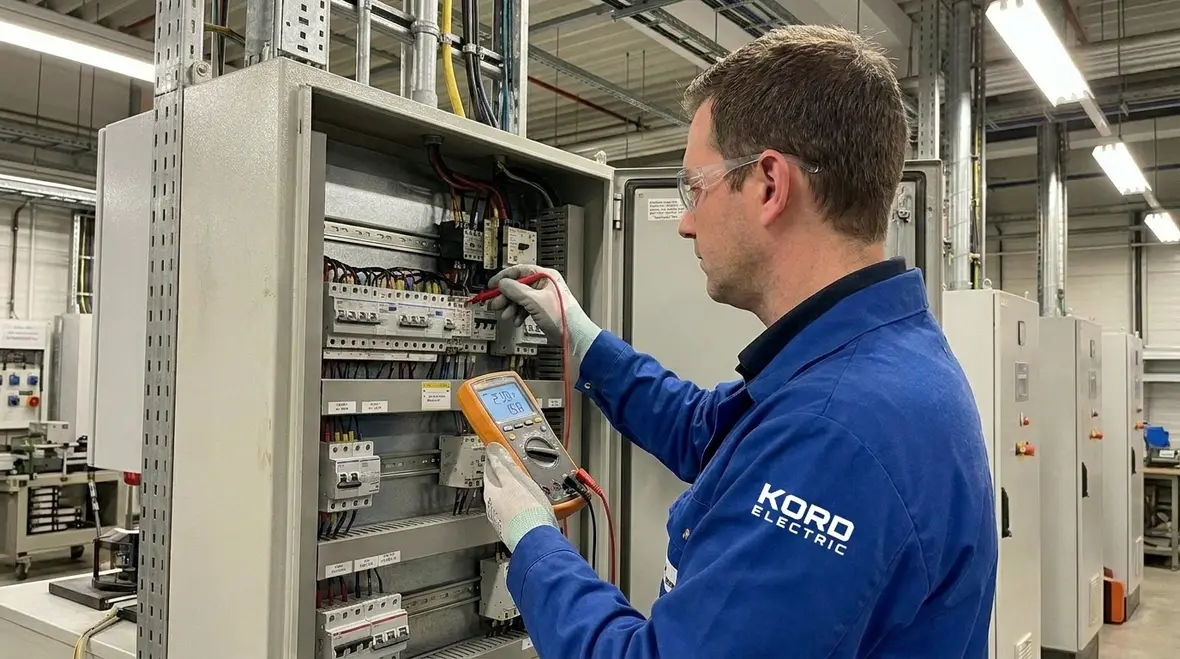
Voltage issues seldom stay isolated. When voltage fluctuates under load, equipment can consume more current than expected, and that extra current can increase heat in conductors and connections. Over time, heat can damage insulation, warp components, and loosen connections further. And once one connection gets loose, the whole situation accelerates. It is like a pop culture villain who starts small and then takes over the city. Except the villain is electrical stress, and it does not wear a cape.
For this reason, we often connect load testing with our focus on voltage fluctuations in commercial and industrial environments. In our service work, we look at how supply quality and system performance interact, especially when the facility goes through changes in demand. If you operate a major property building with tenants, that demand can shift based on schedules, seasonal HVAC loads, and peak usage.
When we perform commercial electrical load testing, we help identify whether the system remains stable while demand increases. Moreover, we can spot patterns that point to upstream issues, transformer problems, or internal distribution weaknesses. From there, our team can recommend targeted fixes like connection tightening, component replacement, or load balancing steps.
And yes, voltage stability is not only about comfort. It affects safety, reliability, and long term operating costs. A stable system helps prevent nuisance trips, protects motors and drives, and reduces the odds of emergency repair events. If your facility has already seen flickering lights or sensitive equipment misbehaving, you can also review how Kord Electric handles voltage fluctuations in commercial and industrial facilities to keep critical systems steady under load.
How Load Testing Supports Safety and Code Readiness
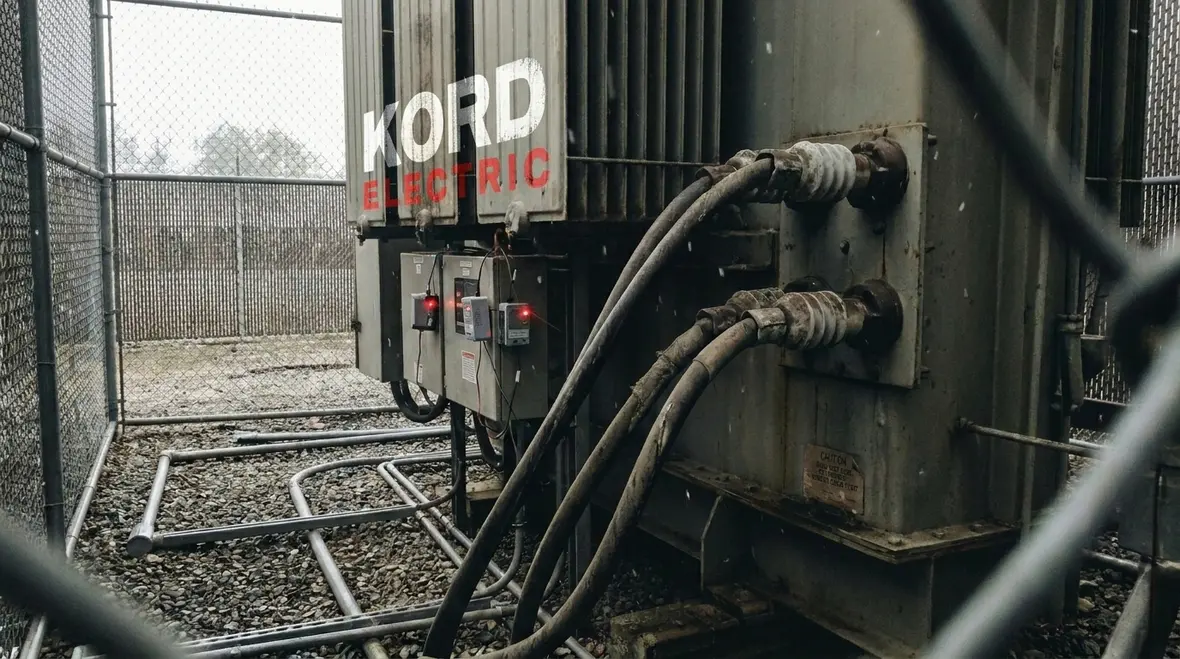
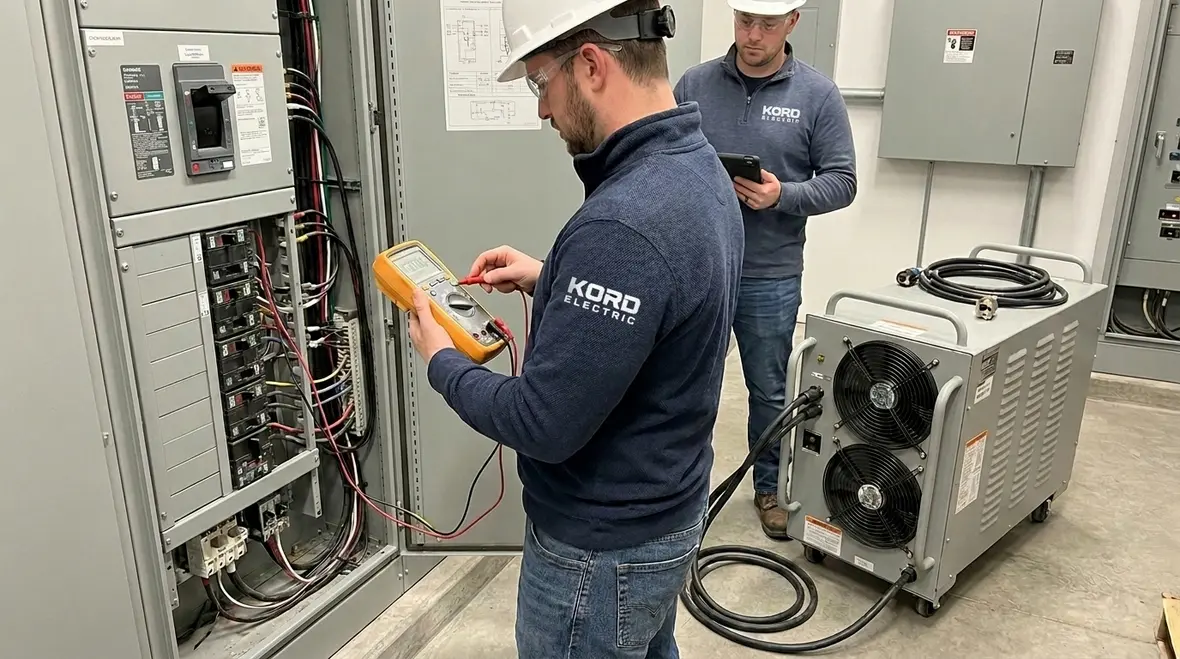
Safety begins with understanding risk. Commercial electrical load testing helps our team verify that protective devices and electrical components behave correctly under load. That means we can confirm whether breakers, fuses, and protective systems respond as they should when demand rises. If a system fails to perform during real load conditions, you can end up with overheating, arcing, and insulation breakdown. Those are not minor issues. They are the kind that interrupt operations and threaten people.
In addition, facilities with high safety expectations need reliable documentation. We help provide clear test results that facility owners and property teams can use for audits, maintenance planning, and compliance discussions. While requirements vary by location, our approach emphasizes practical verification instead of “paper compliance.”
Our expert service staff explains the findings in a way your operations team can use. Then we outline the next steps in plain language. For example, if readings show signs of overheating risk, we recommend follow up inspections and corrective actions. If phase balance looks off, we help plan adjustments that reduce stress. And if the system appears stable under load, we still value that outcome because it confirms your investment is working as intended.
Common Problems We Find During Commercial and Industrial Load Checks
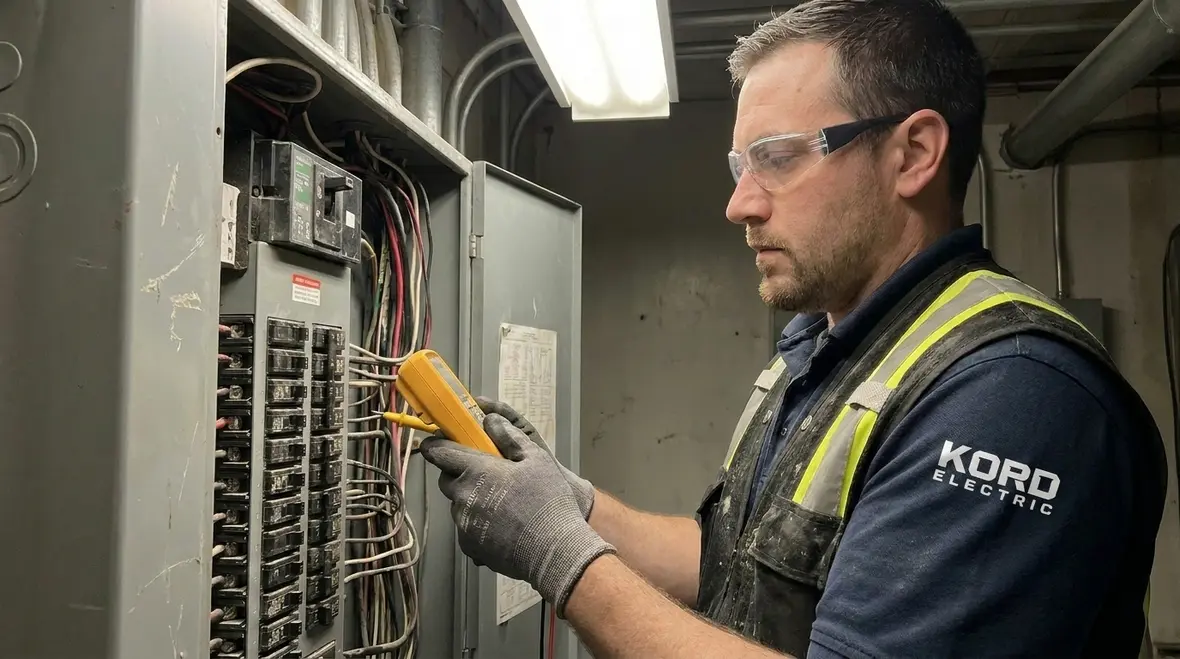
Because commercial and industrial facilities run hard, electrical systems quietly collect wear. Over time, that wear turns into measurable performance changes. During load testing, we frequently find issues tied to heat, resistance, and inconsistent delivery of power.
We often identify:
- Loose connections and high resistance points, which create heat and can lead to damage
- Phase imbalance, which stresses motors and rotating equipment
- Overloaded circuits, which increase operating temperature and shorten equipment life
- Degraded components in switchgear, breakers, and distribution gear
- Voltage drop under peak demand, which can harm sensitive equipment and drives
To keep things simple, we treat load testing like a stress test for the electrical system’s “everyday life.” When we run the test and watch how the system reacts, we reduce the chance that a hidden weakness survives until it fails during a busy shift.
Also, we do not just point at problems and disappear. Our technicians stay engaged, explain the cause likely behind the readings, and help your team plan the next move. Think of us as the calm voice during the chaos, not the person who shows up after the smoke and says “Well, that happened.”
Planning a Load Test Without Disrupting Your Facility
We build each load test plan around your real schedule and operating needs. Therefore, we coordinate timing, test scope, and safety precautions so your commercial or industrial facility can keep moving. In many cases, we can stage the test to avoid unnecessary interruptions, while still producing meaningful results. We do not treat your building like a science project that must pause for fun.
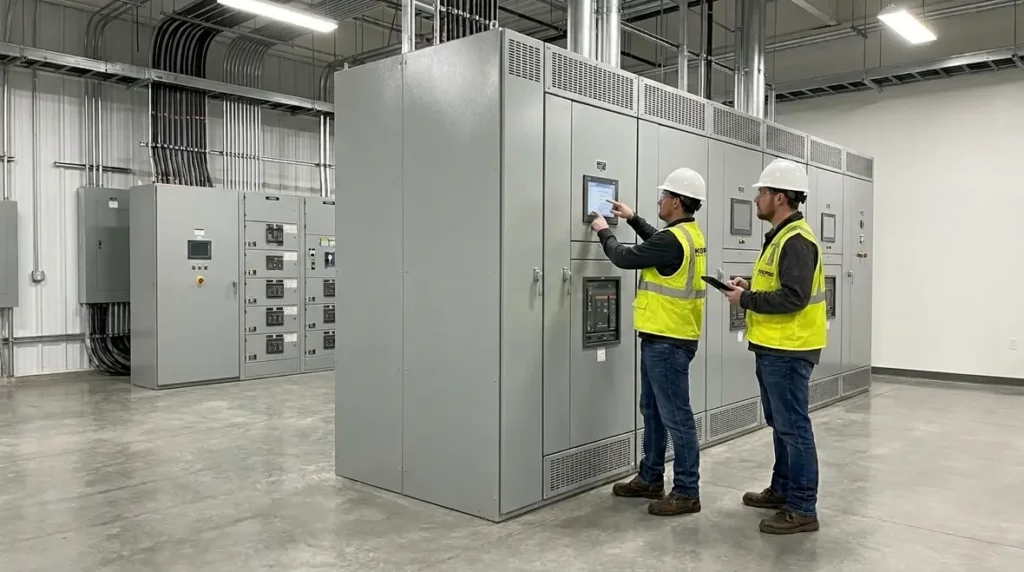
For larger major property buildings, we often coordinate with facility managers and maintenance teams. Then we review what loads you run during peak windows, what equipment matters most, and which areas need the most attention. Next, we confirm access to switchgear and distribution points and verify that the test equipment setup follows strict safety rules.
At this stage, our expert service staff talks through the plan and answers questions as we go. We also explain what you can expect during testing, including how long it takes and what observations we will prioritize. Then we provide results you can act on.
As a result, your team gets clarity, not confusion. And if you are wondering whether load testing is “too much effort,” we hear that often. However, the effort is usually smaller than the effort required for emergency repairs, replacement, and downtime after a failure.
What the Results Tell Us and What You Should Do Next
After we complete commercial electrical load testing, we review the data with your team and translate it into practical recommendations. We focus on trends and risk indicators, not just one time snapshot. Because electrical systems behave differently across demand levels, we look for how performance changes during increasing load.
Typically, our results support decisions in several areas:
Short term actions
- Inspect suspect connections and tighten terminations if needed
- Address phase imbalance or incorrect load distribution
- Reduce known overload conditions or rebalance circuits
Long term improvements
- Plan component upgrades to improve voltage stability
- Update maintenance schedules for aging distribution equipment
- Improve monitoring for early warning of voltage fluctuations
Our technicians help your team prioritize based on safety impact and operational risk. Moreover, we recommend the next testing steps when it makes sense. For instance, we may suggest follow up checks after corrective work, so you can confirm the fix performed as expected. That is how you turn a test into an actual improvement, not just a report stored in a folder.
FAQ: Commercial Electrical Load Testing for Safety
Ready to Reduce Risk and Confirm Electrical Performance
If you run a commercial or industrial facility or manage major property buildings, you need electrical performance you can trust. Kord Electric helps you move from assumptions to verification with commercial electrical load testing that checks how your system behaves under real demand. Our technicians and expert service staff explain the results clearly and recommend the right next actions to protect people, equipment, and operations. For facilities that also want structured follow up, you can partner with our dedicated electrical preventive maintenance services to keep the improvements on track long after the test is complete.
If your electrical infrastructure supports critical operations, planning load testing alongside services like emergency electrical services and reliability upgrades helps reduce downtime risk even further. Contact us now to schedule a load test and keep your facility running smoothly, like it should, not like a bad sitcom.
To explore how load testing and system upgrades can support energy efficiency projects or future expansion, you can also review Kord Electric’s work with commercial and industrial lighting installation, EV charging infrastructure, and broader commercial electrical system design. Together, these services help build a safer, more resilient electrical backbone for your property.