Commercial Electrical Load Testing for Safety
Why commercial electrical load testing keeps safety predictable for businesses
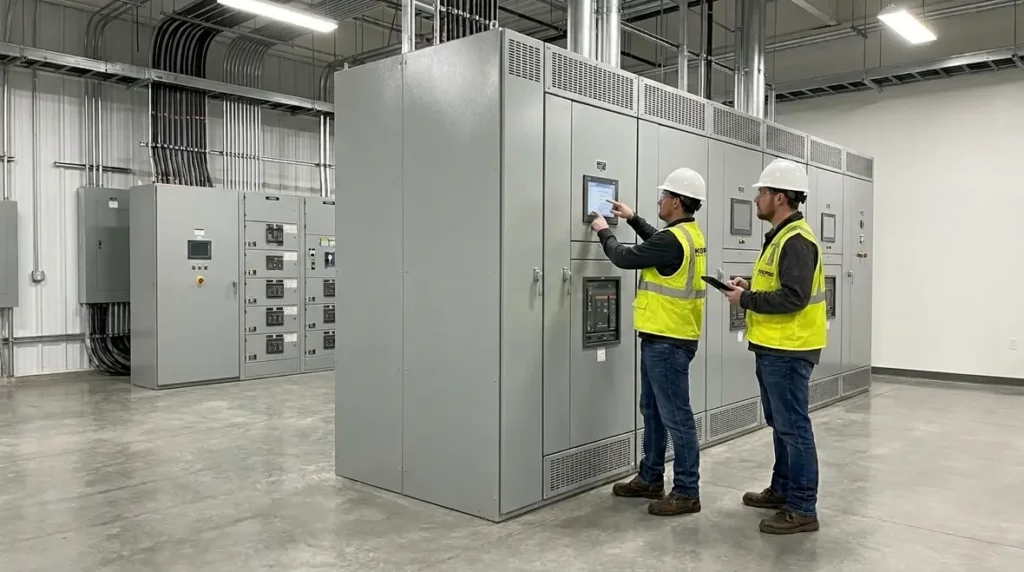
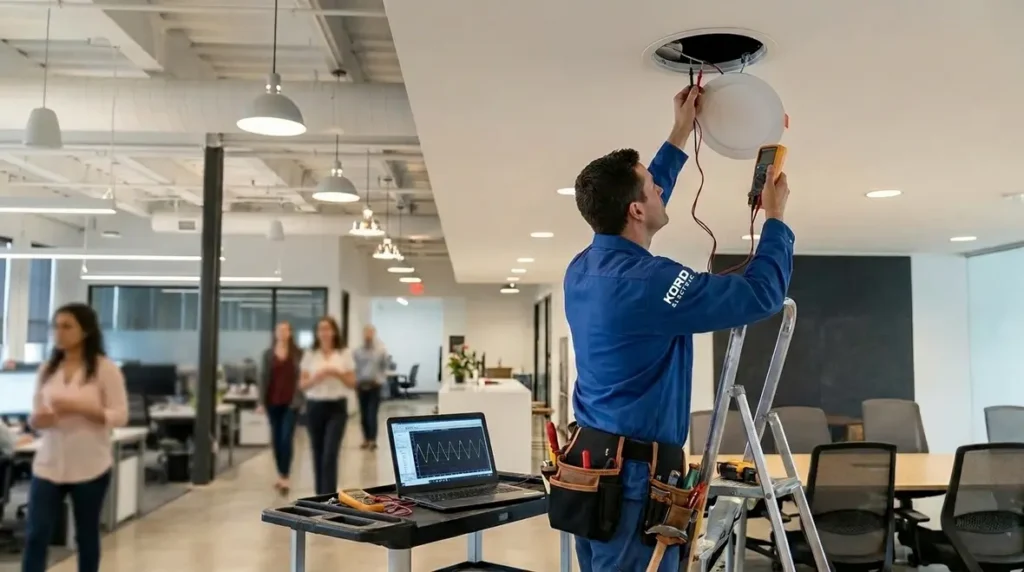
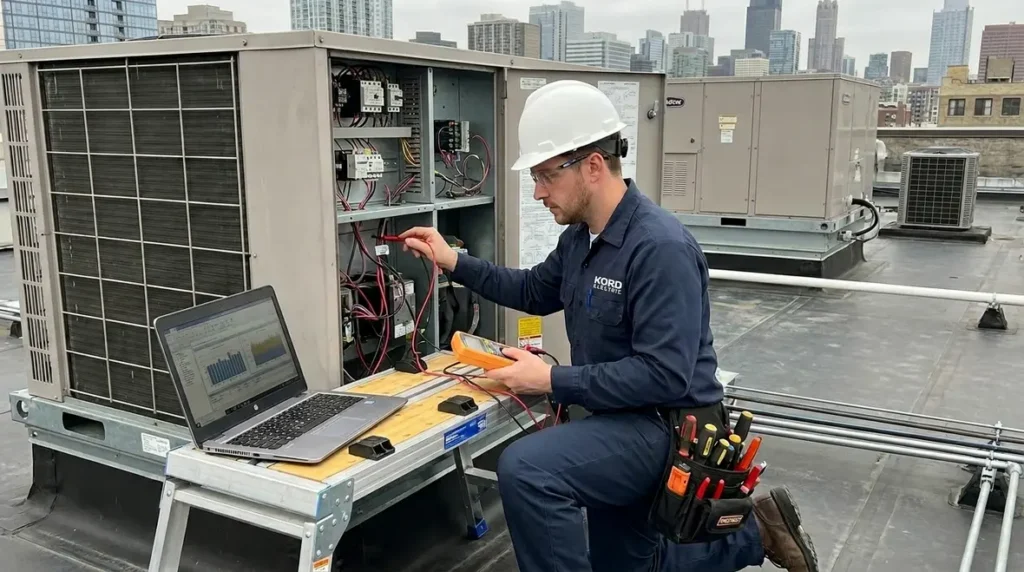
At Kord Electric, we start every safety plan with commercial electrical load testing, because it shows how a building behaves when real power demands show up. In the first place, it helps us verify that equipment works under load, not just when everything looks fine on a calm, quiet day. Then we compare those results to design expectations, so risks do not hide in plain sight. Even better, our technicians explain the findings in plain language, so owners and facility managers understand what matters and what does not. And yes, it is less exciting than a movie plot, but it also does not end with smoke.
When we talk about commercial electrical safety, what most people really want is predictability. They want their systems to behave the same way on a peak summer afternoon as they do on a quiet Sunday morning. Commercial electrical load testing helps make that predictability real instead of theoretical. By observing how equipment, conductors, and protective devices behave under real-world power demand, we can see whether the system follows the rules you assume it does, or whether it quietly bends them in ways that add risk.
In practical terms, that means we look beyond “does it turn on” and focus on “does it stay safe when everything is running and the building is busy.” A panel that looks calm during a quick spot check can behave very differently when major HVAC loads, process equipment, elevators, and emergency systems all stack their demands. Commercial electrical load testing gives us that bigger picture, so safety planning is based on performance, not wishful thinking.
Commercial power loads: where risk quietly builds
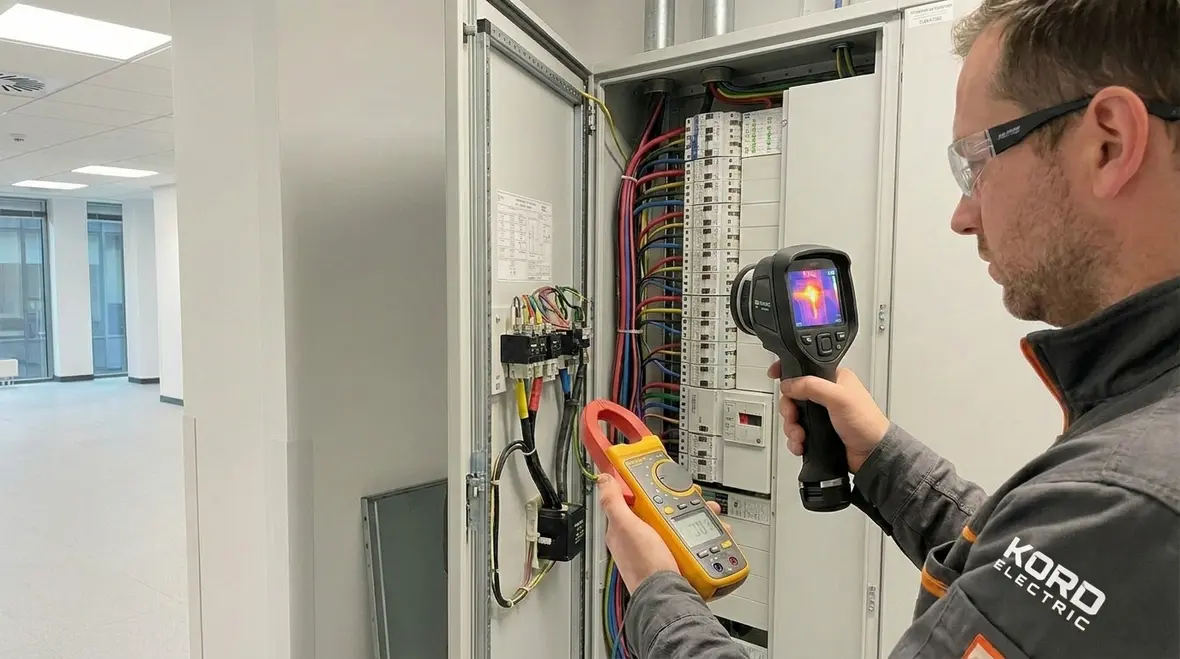
Commercial and industrial facilities rarely run at one steady power level. Instead, they rise and fall through shift changes, production cycles, seasonal HVAC demand, and unpredictable equipment usage. As a result, electrical systems experience stress that static “checkups” often miss. Over time, insulation aging, loose terminations, worn connections, and component drift can turn a stable system into a troublemaker.
Furthermore, modern buildings do not just use electricity, they react to it. Motors, variable speed drives, refrigeration systems, and backup power all create changing loads. If protective devices and conductors do not match that reality, overheating and voltage instability can follow. People often notice only after performance drops or alarms show up, but by then damage may have already started. Our approach focuses on catching those issues earlier, when the fix is still practical.
This is also where creeping risk likes to hide. A little extra load on a panel here, a new piece of equipment there, one more temporary circuit “just for the season” that quietly becomes permanent. Each decision might be reasonable on its own, but together they can tilt the system closer to its limits. Commercial electrical load testing gives you a way to check how close you are to that edge before a breaker trip, overheated conductor, or equipment failure tells the story for you.
When we evaluate commercial power loads, we look at how your building actually lives: peak operating days, overlapping schedules, seasonal patterns, and the kind of “that never happens” events that somehow still happen once a quarter. The goal is to understand where risks quietly build so we can keep them from becoming loud, expensive problems later.
Load testing versus assumptions: what safety data actually tells us
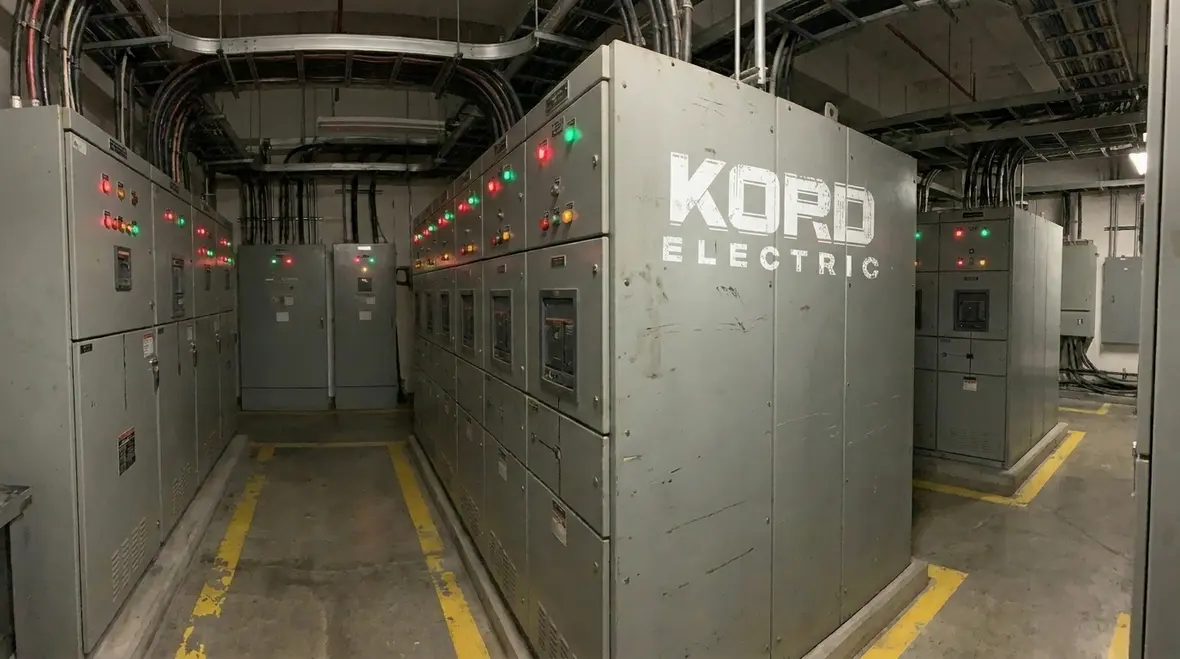
Some teams rely on assumptions. They might review past maintenance logs, look at equipment nameplates, or trust that an installation “should be fine.” However, a system can pass a visual inspection and still fail under actual demand. That is why we perform commercial electrical load testing with proper measurement and disciplined procedure.
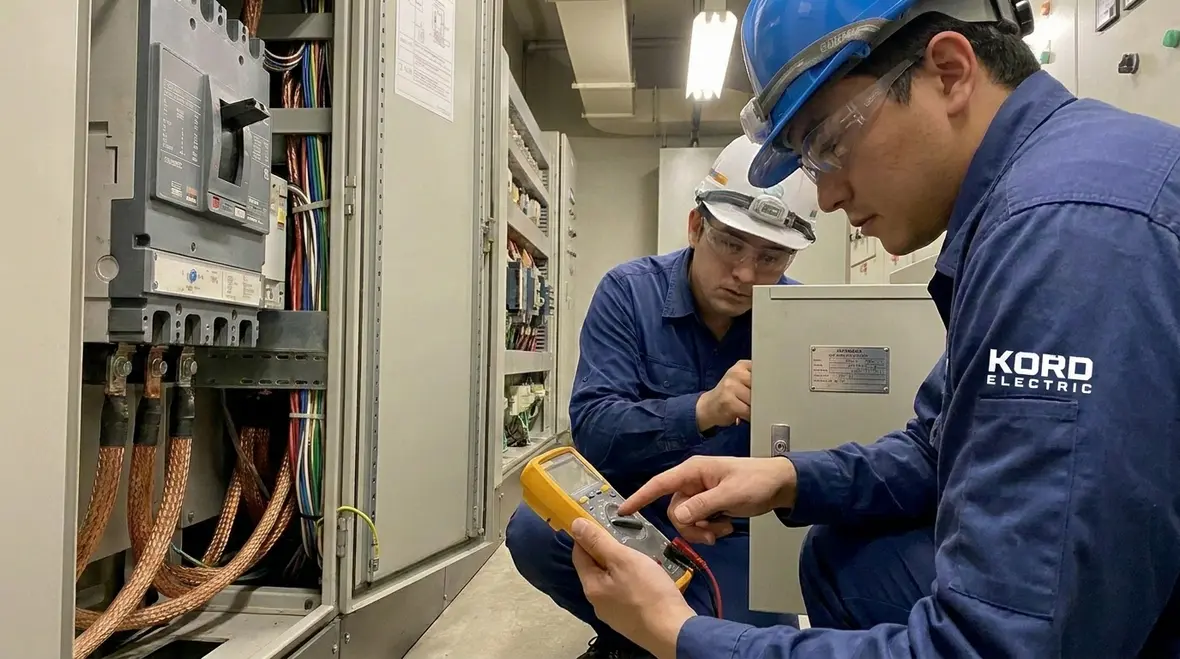
When we test, we observe how voltage and current respond when the facility runs with real loads. Additionally, we look for signs of abnormal performance such as excessive voltage drop, uneven phase behavior, and indications of poor connections. Then we interpret results in the context of your operating profile. In other words, we do not treat every building like a cookie cutter; we treat it like the specific business it supports.
That data-first approach matters because electrical systems rarely fail in a way that is convenient, obvious, or neatly aligned with a maintenance calendar. Load testing exposes patterns that paperwork cannot: conductors that run hotter than expected during a particular shift, transformers that sag under simultaneous motor starts, or distribution segments that show more drop than design allows.
With disciplined commercial electrical load testing, you replace “we think this panel has capacity” with “we know how this panel behaves at 70%, 85%, and 100% of expected load.” That shift from guesswork to measured behavior gives safety teams, facility managers, and ownership a stronger footing for decisions about upgrades, expansions, or process changes.
Voltage stability and why it matters to safety
Even when the lights stay on, unstable voltage can cause long term harm. You might see equipment derating, nuisance trips, or faster aging in drives and transformers. And sometimes the first “symptom” is complaints from the production floor, which is a fun way to discover electrical stress late in the game.
We also connect the dots to voltage fluctuations, since commercial and industrial environments often experience shifts caused by load changes, utility conditions, and internal distribution limits. Our technicians review site conditions and how fluctuations show up across panels, feeders, and critical equipment.
For example, if a facility has sensitive processes, voltage swings can lead to overcurrent events in downstream systems. At the same time, loose connections can worsen instability, which creates a cycle of heat, loss, and degraded performance. You can read more about how fluctuations impact commercial and industrial sites on our page here: https://kordelectric.com/voltage-fluctuations-commercial-industrial/.
Ultimately, our goal is simple: we help you keep power quality stable enough that safety systems and equipment behave the way they were designed to behave.
When commercial electrical load testing and power quality analysis work together, you gain a clearer view of how voltage behaves from the service entrance all the way to critical endpoints. That insight helps you prevent subtle problems—like intermittent PLC faults, control system glitches, or premature motor failures—from turning into larger safety and reliability issues.
It also supports better planning. If load testing shows that certain feeders, panels, or transformers already run near their comfort zone when voltage dips, you can address those bottlenecks now instead of waiting for the first high-impact outage. In other words, you use data to steer upgrades, not just react to failures.
How technicians interpret results and explain the “why”
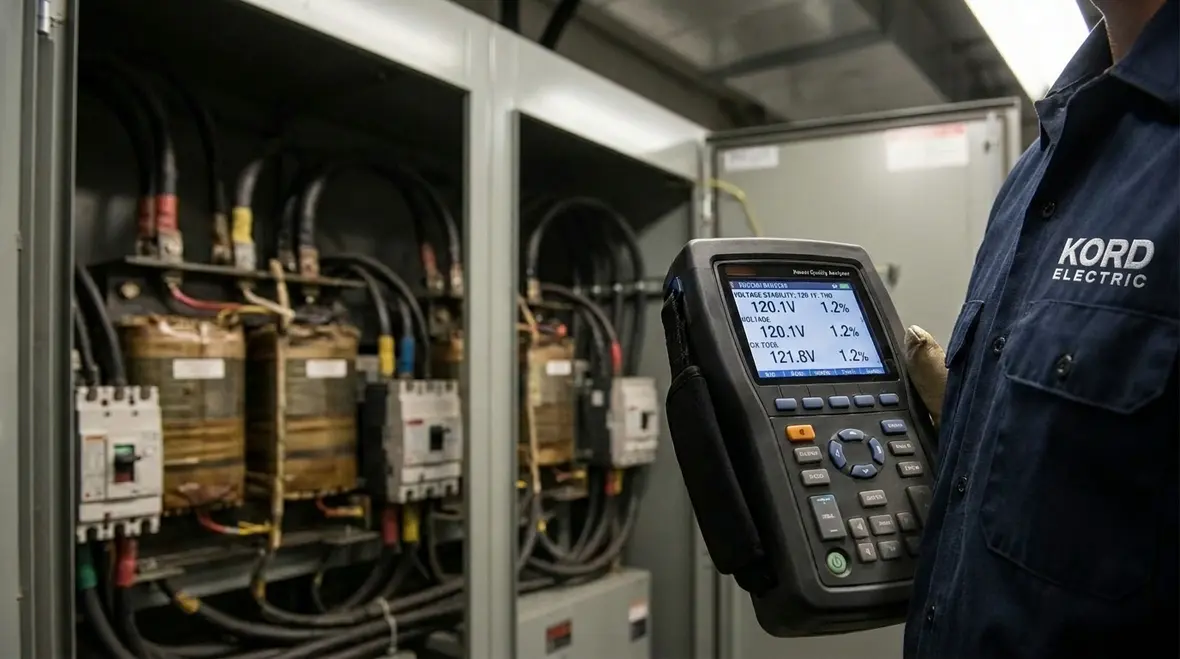
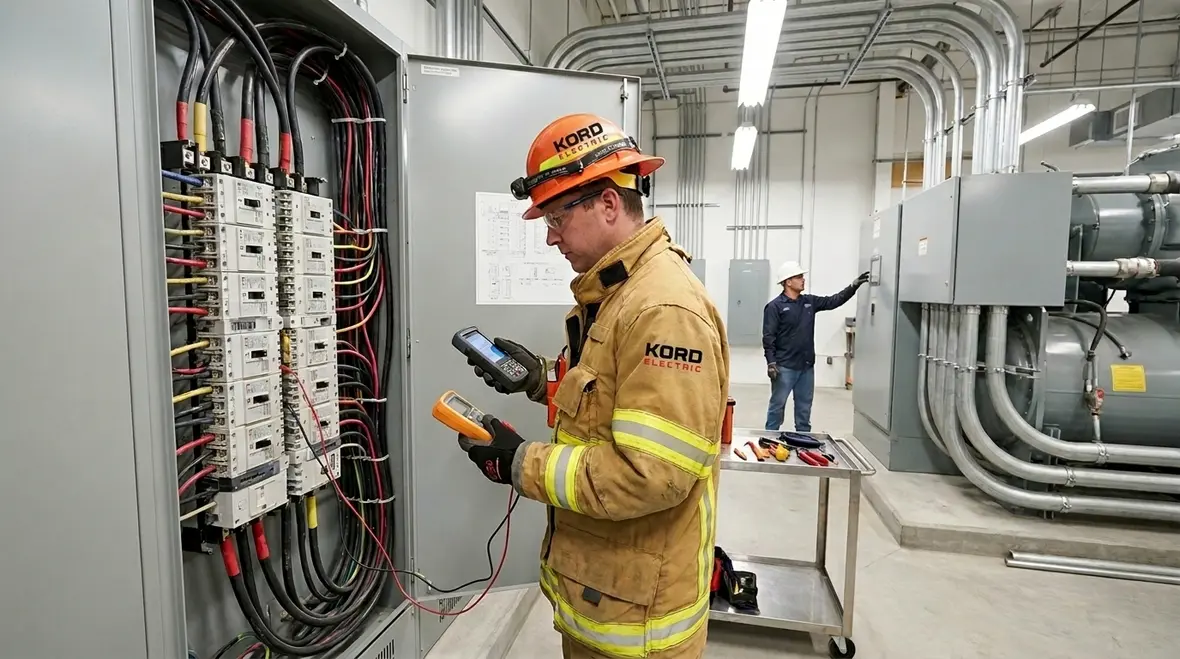
Here is the part we take personally. Data means nothing if nobody understands it. So we send our technicians and expert service staff to explain what we observe, what it likely means, and what we recommend next. We talk through issues like conductor heating risk, protective device coordination, and how load profile patterns can point to specific system weaknesses.
Then we translate the findings into business focused actions. For instance, if we see voltage drop beyond acceptable limits at certain distribution segments, we recommend targeted inspection and correction of connections, terminations, or load balancing practices. If we detect signs of uneven phase performance, we explain how that can increase stress on motor loads and increase failure rates.
And because we work with commercial and industrial facilities and major property buildings only, we tailor the discussion to how your operations run, not how a random residential scenario works. In short, we keep the conversation calm, clear, and useful. Think of it like a slow podcast episode, except the episode ends with fewer surprises.
Sometimes those conversations lead straight into planning—adjusting maintenance priorities, scheduling corrective repairs, or aligning future projects like panel upgrades, lighting improvements, or lighting installation services with what the data tells us. Other times, they simply give your internal teams the confidence that the system is behaving as expected. Either way, the “why” behind the numbers always matters as much as the numbers themselves.
Reducing fire and equipment risks with disciplined load testing
Safety does not come from luck. It comes from control. Load testing helps us verify the health of electrical components under the conditions most likely to create failure. When parts heat up during operation, heat reveals weaknesses. Loose connections, damaged insulation, and worn components often show their true condition only after real current flows.
Additionally, testing supports better decisions for maintenance planning. Instead of “wait until it breaks,” we help you move toward “find it early and fix it before it becomes a fire drill.” That matters because electrical fires do not usually announce themselves like an action hero. They creep in through poor connection quality, overheating, and deteriorating insulation.
As we collect measurements, we also consider system design and operational needs. Then we confirm that your distribution network handles load without abnormal stress. That can lower the risk of sudden shutdowns that interrupt revenue, safety systems, and even emergency readiness. And yes, we all know time equals money, but in electrical safety, time can also equal “prevent the expensive outage.”
Disciplined commercial electrical load testing also fits naturally into broader preventive strategies. Pairing load testing with structured electrical preventive maintenance helps confirm that cleaning, torqueing, thermal inspections, and component replacements are doing what they are supposed to do. Over time, that combination reduces unplanned outages, protects critical assets, and keeps small issues from becoming line-item emergencies.
When a facility does experience an unexpected fault or outage, having a record of prior load testing and maintenance makes emergency response more efficient. Technicians can see how the system behaved historically and narrow in on what has changed. That shortens the time between “we have a problem” and “systems are back online and stable again.”
Planning a load testing program for commercial and industrial buildings
Many facilities do not need load testing once and then forget it. Instead, we recommend a plan that matches your load changes, equipment aging, and operational schedule. For commercial and industrial sites, this can mean testing at intervals that reflect major renovations, new equipment installs, or changes in production patterns.
We also coordinate around your workflow to minimize downtime and avoid unnecessary disruptions. Transitioning from “when can you come” to a reliable plan usually takes a few steps: reviewing the one line and equipment details, confirming expected load conditions, and aligning testing time with when loads behave naturally.
Then we execute the test with consistent methodology, so results compare well over time. Finally, we deliver findings and next steps clearly, so your team can act without guessing. In other words, we build a program you can trust, not a report that sits in a folder like it is waiting for a retirement party.
A thoughtful program often includes multiple layers: commercial electrical load testing for real-world behavior, periodic infrared inspections to spot thermal anomalies, and scheduled preventive maintenance to keep everything in spec. For complex sites—data centers, healthcare facilities, large campuses—those layers work together to keep critical systems online and compliant.
As your building evolves, that program evolves with it. New tenants, expanded production, EV charger installations, process changes, and upgrades to lighting or HVAC all shift how power moves through the system. Revisiting your testing strategy after those changes is less about creating extra work and more about protecting the investments you just made.
FAQ
Call Kord Electric for a safety-first load testing plan
If you manage a commercial or industrial facility, you deserve electrical safety that is based on measured performance, not guesswork. At Kord Electric, our expert technicians run disciplined commercial electrical load testing, explain results clearly, and help you take practical next steps. Then we coordinate solutions around how your business operates, so safety improves without turning your schedule upside down. Contact us today to set up an evaluation and build a load testing program your team can rely on.
For facilities that want an ongoing framework—not just a one-time test—pairing commercial electrical load testing with a structured electrical preventive maintenance program can create a long-term safety net. That combination helps you identify risks early, extend equipment life, and keep your electrical infrastructure aligned with how your operations actually run.
And when something urgent does happen, it is reassuring to know you already have a team that understands your system’s history. Whether you are planning upgrades, responding to a recent issue, or simply trying to stay ahead of the next big change in your facility, Kord Electric is ready to help you design a safety-first plan grounded in real data.
To explore related services that support safe, reliable power—such as lighting upgrades, commercial and industrial electrical maintenance, or solutions for voltage fluctuations—reach out to our team and start planning your next steps with confidence.