Commercial Electrical Load Testing for Safety
Why commercial electrical load testing matters for safety
At Kord Electric, we start with commercial electrical load testing because safety does not guess, it measures. For commercial and industrial facilities, one weak link in the electrical system can quietly heat up, drift out of tolerance, and turn a “small problem” into a costly shutdown. Furthermore, we also know the real world: motors cycle, HVAC ramps up, offices plug in more gear, and major property buildings do what they do every day. That is why our team focuses on load, not just voltage on a good day. In the rest of this guide, our expert service staff will explain how testing protects people, equipment, and uptime, with clear steps and plain language that does not read like a textbook at 2 a.m. No one deserves that, not even your breaker panel.
Electrical loads in commercial and industrial buildings: what actually happens
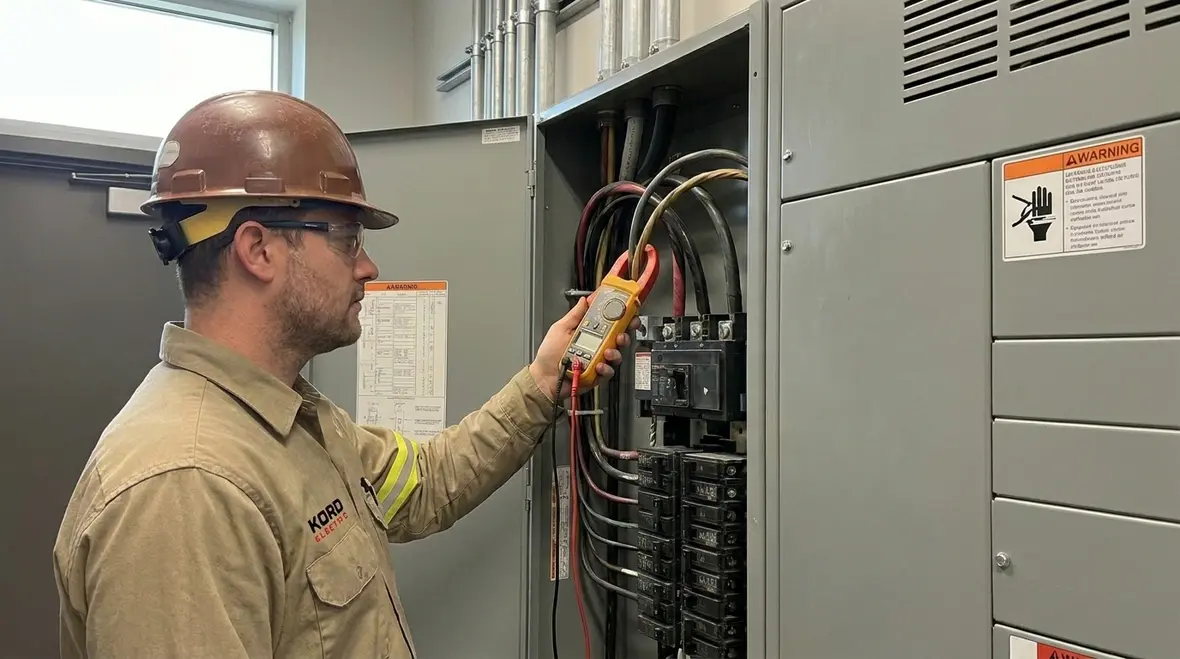
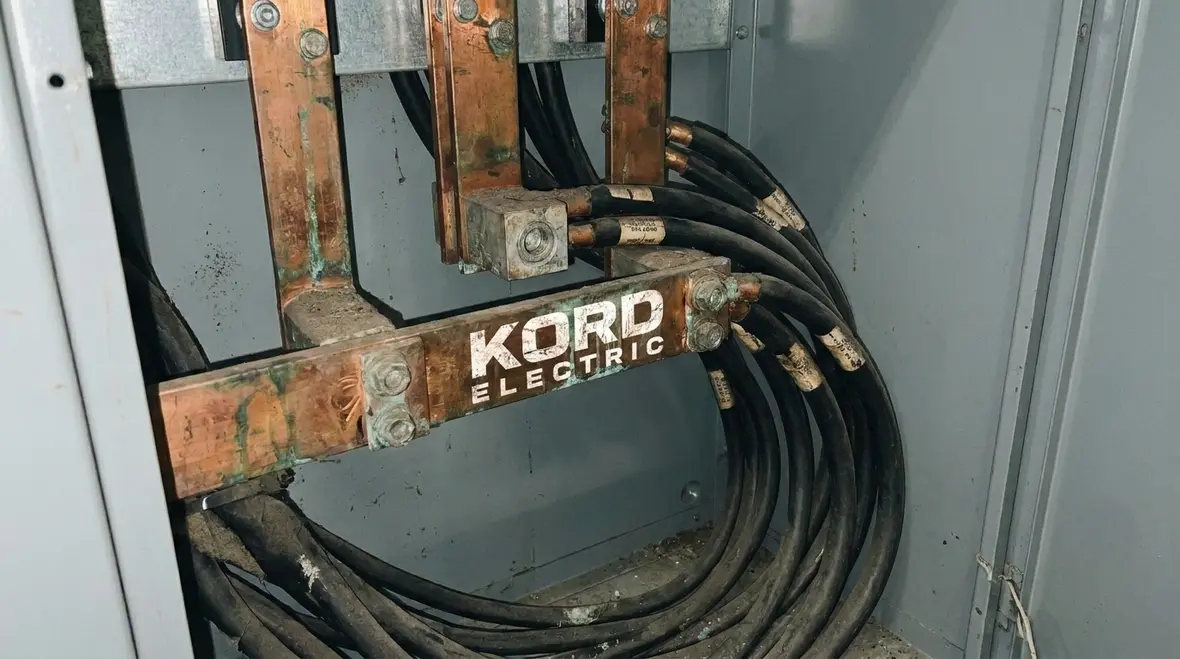
Commercial and industrial systems carry changing demands throughout the day. Meanwhile, the wiring, breakers, connections, transformers, switchgear, and bus bars sit in the middle of those changes. Over time, heat cycles can loosen terminations, corrosion can form at connection points, and insulation can age faster than expected. As a result, a system that once performed well can start operating with hidden stress.
To keep things clear, we explain it like this: if the electrical system is a highway, load is the traffic. Light traffic might look fine, but heavy traffic reveals weak pavement, misaligned lanes, and slow leaks. And yes, the “leak” can be electrical resistance that turns into heat. So, when a facility manager asks whether everything is “normal,” we respond with the only answer that matters: does the system behave correctly under real load conditions.
Commercial electrical load testing and safety outcomes you can feel
We do not treat load testing as a paperwork task. Instead, we treat it as a safety tool that helps prevent fires, equipment damage, and unexpected downtime. First, proper testing checks how your system performs when it draws current like it truly does in operation. Then, we look for conditions that can indicate unsafe behavior, such as abnormal voltage drop, excessive temperature risk, or unreliable performance at panels and distribution points.
Moreover, our technicians explain findings in a way that helps building teams act fast. For example, we translate results into practical next steps like tightening or replacing a connection, verifying protection settings, or improving system balance. In addition, we help others, meaning facility engineers, property managers, and on site maintenance teams, understand which issues are urgent and which issues are manageable. Because time matters, and “we will check it later” can become “we are calling you after the smoke alarm does its job.”
Voltage behavior, load patterns, and the link to reliability
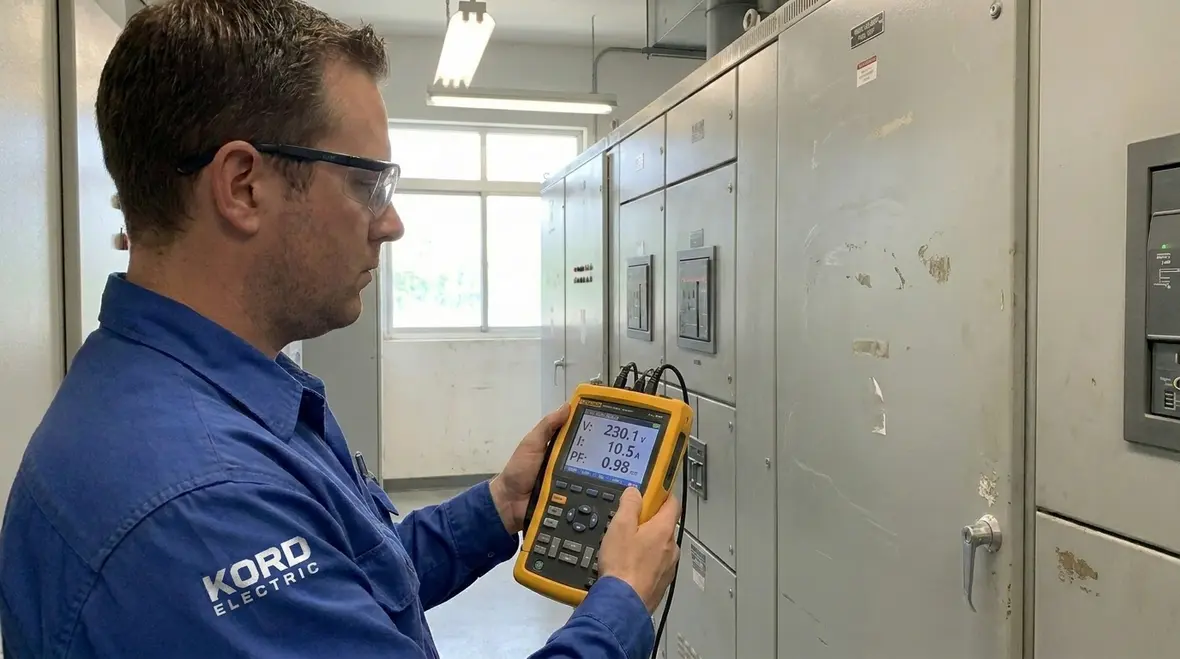
Voltage is the headline, but load is the story. Even when readings look acceptable at a single point, the system might struggle during peak demand. That is why we also reference the common voltage concerns described in our resource on voltage fluctuations in commercial and industrial settings. When voltage fluctuates, equipment can run hotter, motors may draw extra current, and sensitive devices can experience stress. Consequently, you can see performance drops before anyone calls it an electrical issue.
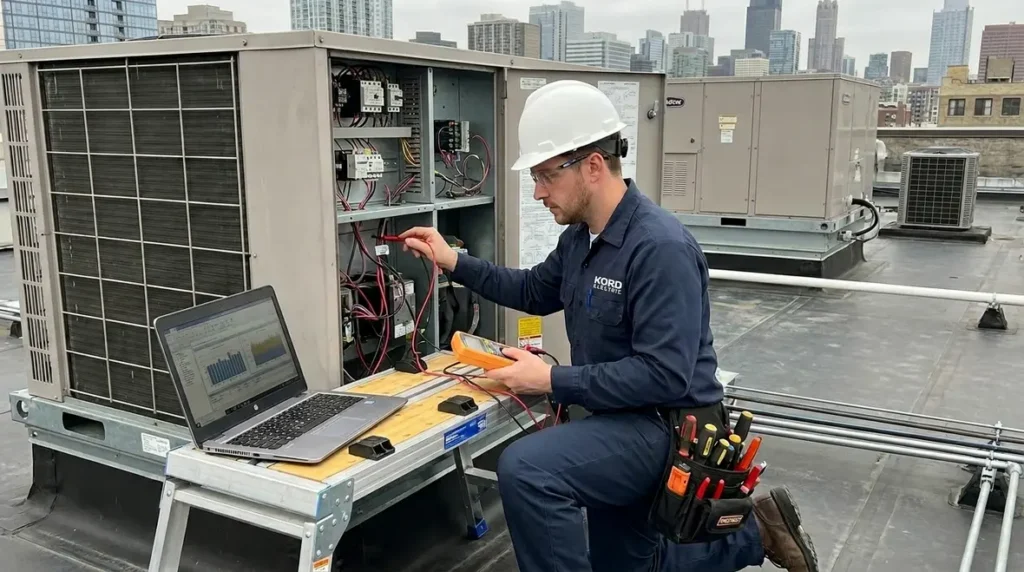
Furthermore, as load increases, voltage can sag across conductors and connections. If connections have higher resistance, the drop gets worse under load, and the heat builds where it should not. Also, when loads change quickly, such as HVAC cycling, the system may show instability that a “spot check” misses. Our approach helps reveal these behaviors with testing that mirrors real conditions.
We also consider facility habits. If others schedule heavy process loads at the same time each day, then the system experiences repeating stress. Over time, that predictability can help us target testing windows that capture the highest risk periods. That is how we move from guesswork to evidence.
How we perform load testing on major property buildings
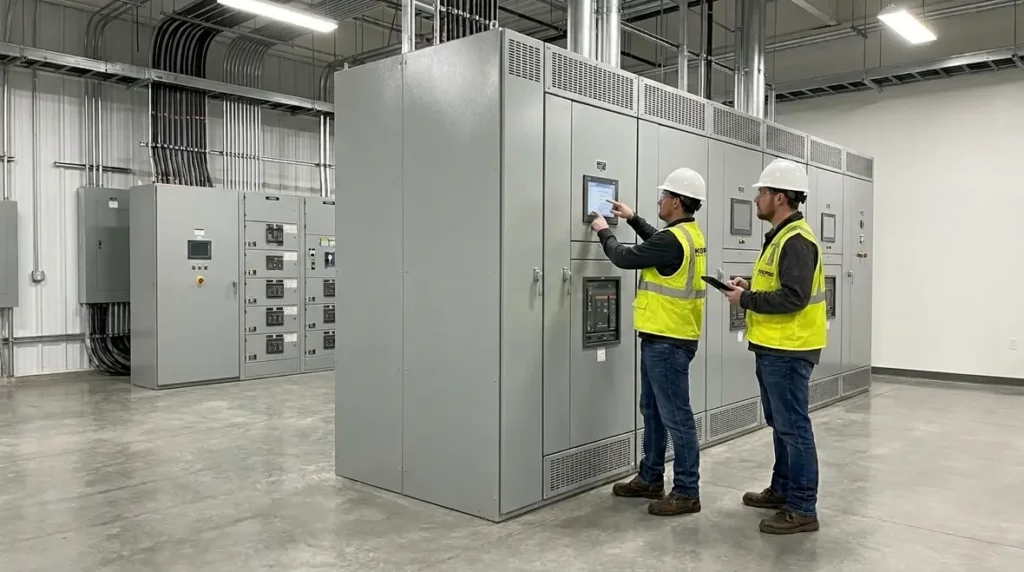
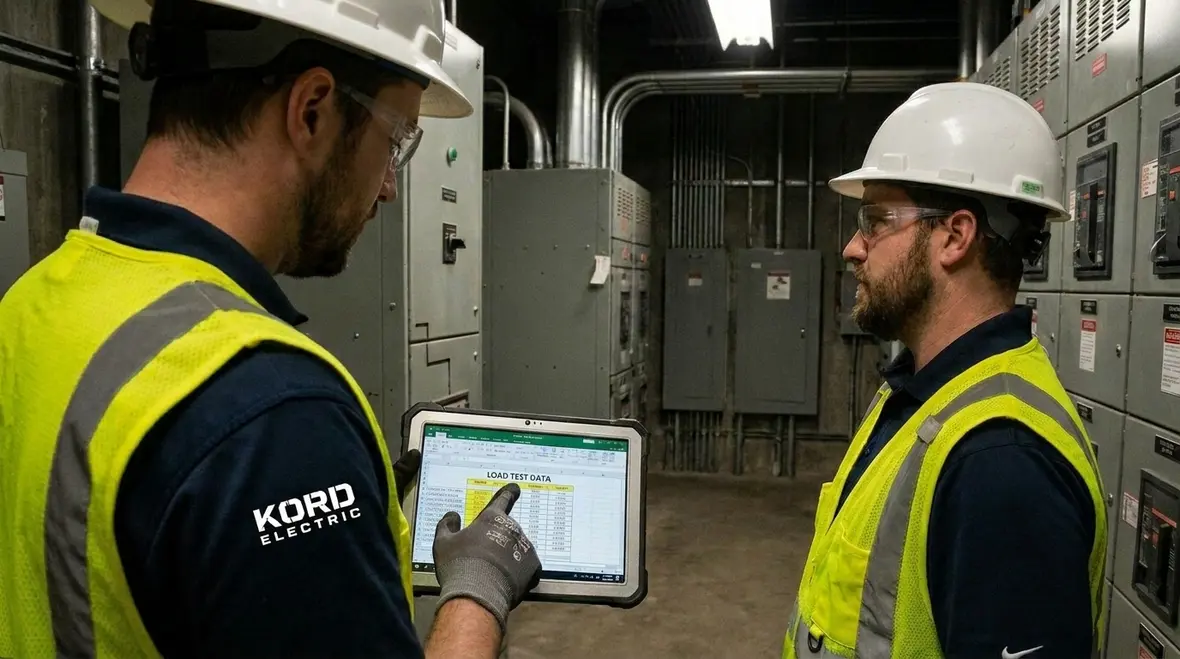
For commercial and industrial facilities, we tailor the test plan to the electrical layout and the operating profile. First, our expert service staff reviews available data such as one line diagrams, past maintenance notes, and any history of nuisance trips or recurring issues. Then we coordinate with facility teams so testing aligns with your operations and does not create unnecessary interruption.
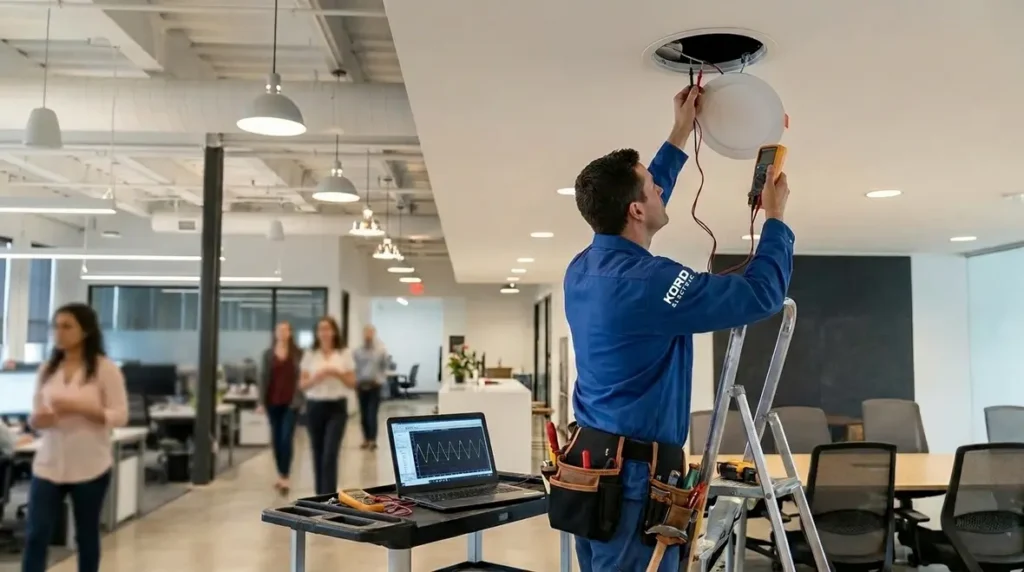
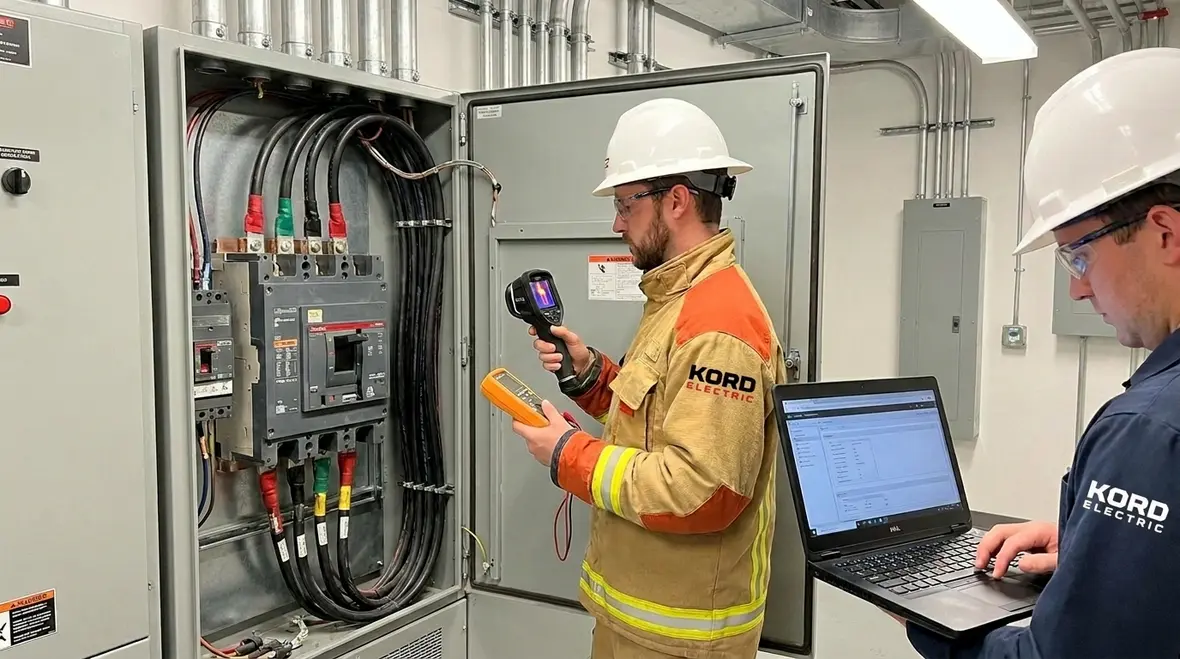
Next, we run measurements while the system carries representative loads. Depending on the site and scope, we check key performance points such as panels, feeders, switchgear, and selected end circuits where problems often show up first. During this process, our technicians focus on how the system responds over time, not just a single reading. In other words, we look at stability and behavior.
Then, we compare what we measure to safe operating expectations. If we spot patterns that suggest excessive loss or unstable voltage under load, we document those findings clearly for the people who need them. After that, we help coordinate the next step, whether it involves targeted repairs, connection verification, protective device checks, or additional monitoring.
And yes, we keep the tone professional, because your electrical system is not a comedy show. Still, we will admit this: a loose connection can feel like a tiny problem until it becomes the loudest thing in the building.
Interpreting results: what technicians explain to help teams act
It is easy for test results to turn into numbers that sit in a report like furniture no one wants to move. We avoid that. Our technicians explain results with clear cause and effect, so others can make decisions quickly. First, we identify whether issues appear isolated to a specific connection, component, or section of the distribution system. Then, we evaluate whether the behavior aligns with safe performance limits.
From there, we translate the results into actions that support long term safety. For example, if a test shows a concerning voltage drop trend at a feeder under load, we can recommend connection inspection, torque verification, or insulation and conductor checks. If load behavior indicates imbalance, we can help validate distribution and operational balancing strategies. Additionally, if protection devices respond oddly during testing, we can recommend a review of coordination settings and trip logic.
Most importantly, we prioritize. Not every finding needs immediate replacement, but every finding deserves context. So, we help facility teams understand what can wait, what should be scheduled soon, and what needs immediate attention. That is how we protect both safety and budgets.
FAQ
Frequently asked about commercial safety and next steps
How do we know if we need load testing now?
If your facility has experienced nuisance trips, hot spots, repeating equipment faults, or concerns about voltage stability during peak use, load testing can quickly confirm what is happening.
What facilities does Kord Electric support?
We focus on commercial and industrial facilities and major property buildings. We do not serve random residential jobs, because our process and technicians are built for larger systems and real operational demands.
What happens after you complete the testing?
We provide clear findings, explain the safety implications, and recommend the next actions so your team can plan repairs, maintenance, or monitoring with confidence.
If your team is building a broader reliability plan around commercial electrical load testing, you can also review how structured electrical preventive maintenance services support long term performance, documentation, and compliance across large facilities.
Call Kord Electric when you need real safety proof
If you run a commercial or industrial facility, you deserve more than guesses and quick checks. Kord Electric delivers commercial electrical load testing that verifies electrical performance under real operating conditions, so your team can reduce safety risk and protect uptime. Our technicians explain results in plain language, then we help you plan practical next steps. Contact us today to discuss your electrical system, your load profile, and the right testing approach for your major property building.
For facility leaders who want to move from one time testing to a structured reliability strategy, explore our dedicated electrical preventive maintenance programs. Pairing ongoing maintenance with targeted load testing helps catch issues earlier, support compliance, and keep critical operations online.
When voltage stability is already on your radar, you can also connect this planning with our focused service for voltage fluctuations in commercial and industrial facilities, bringing real world testing, diagnostics, and corrective work under one partner.