Commercial Electrical Load Testing for Safety
Why commercial electrical load testing keeps businesses safer
At Kord Electric, we build our work around commercial electrical load testing for commercial, industrial, and major property buildings. We do it because safety does not come from guessing, it comes from evidence. Our team of technicians and expert service staff measures how electrical systems behave under real operating conditions, not just on paper. Then we explain the results in plain language, so the building owners and facility managers can make confident decisions. And yes, like a stress test for your power, it reveals weak spots before they reveal themselves at the worst possible time. If the power system is a car, we check the brakes while you are driving, not when it is parked looking innocent.
In the sections ahead, we cover how load testing reduces risk, how it connects to voltage behavior in real sites, and how our technicians help teams act on findings with clear next steps. We also keep the focus where it belongs: commercial and industrial facilities that cannot afford electrical surprises.
What load testing actually measures in a real building
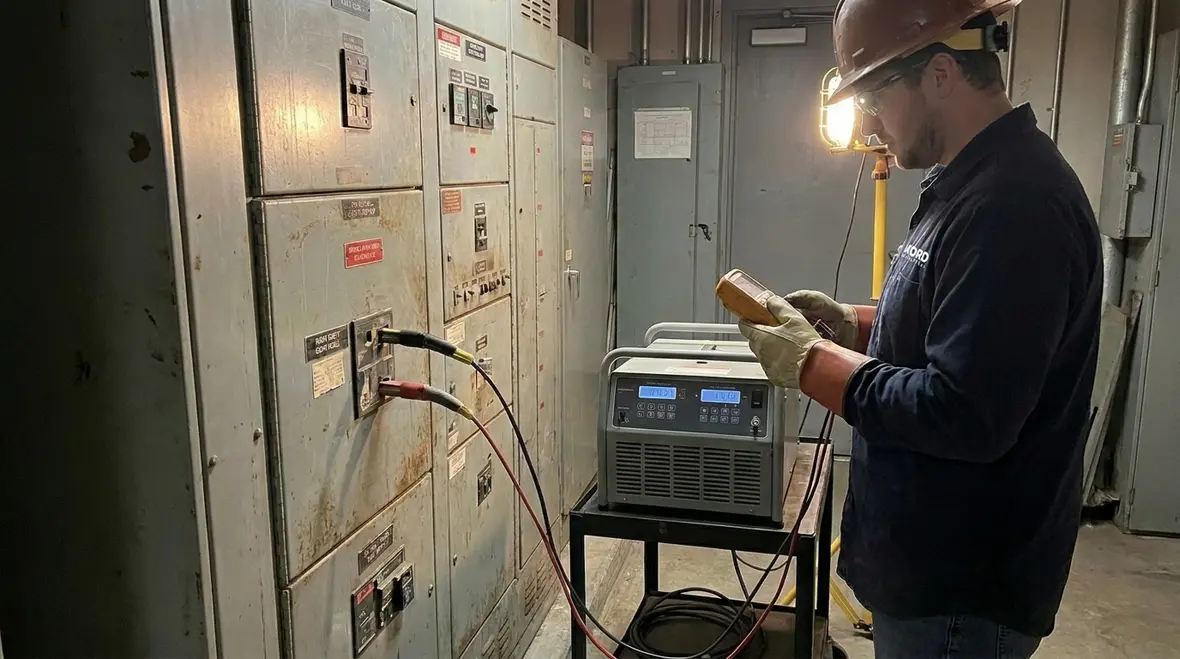
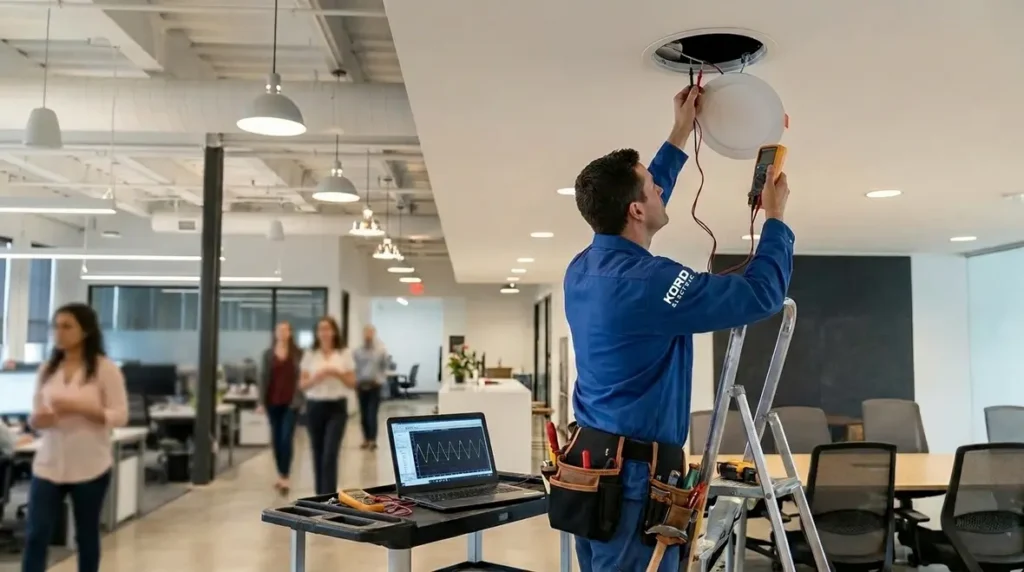
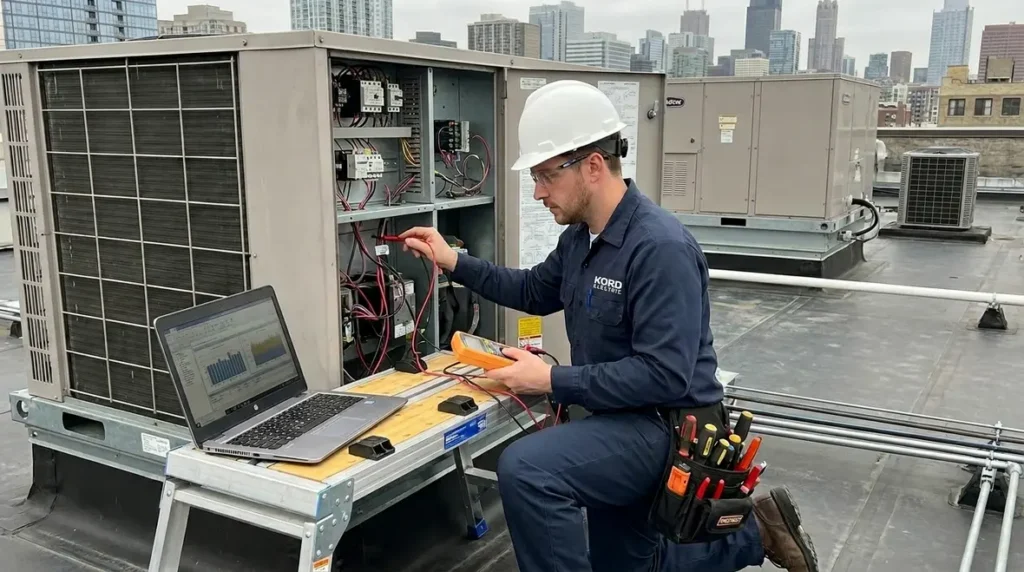
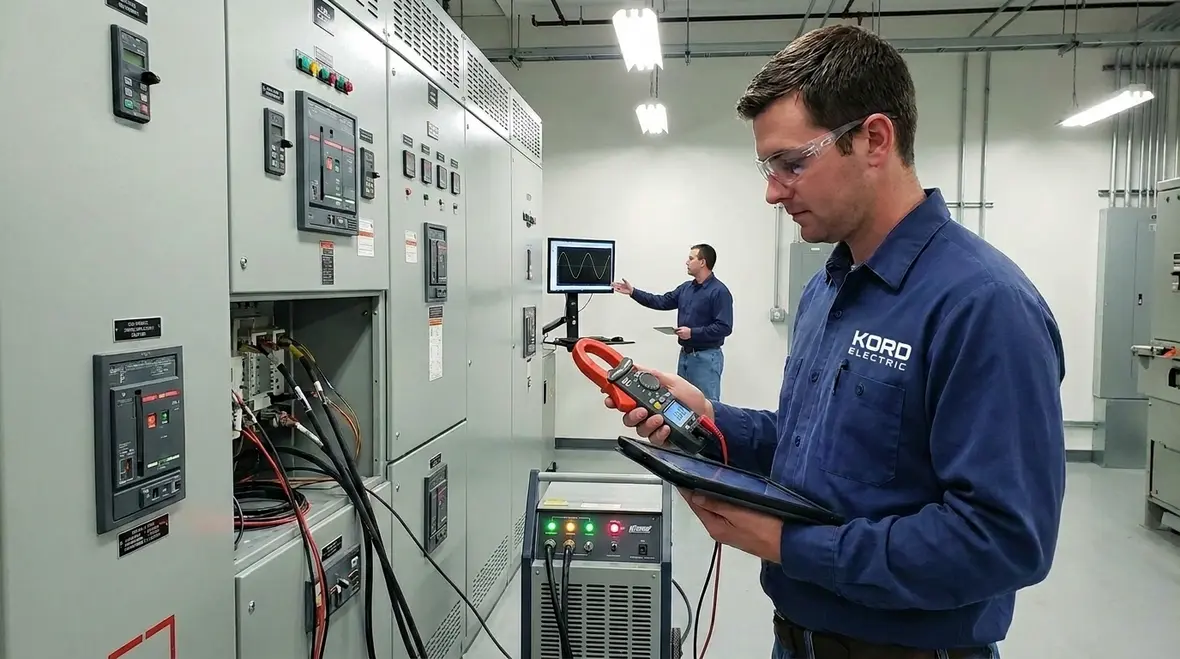
Many people think electrical testing is just checking numbers. However, load testing focuses on performance when the system is working. We place the electrical system under controlled demand and observe how voltage, current, and stability respond across the service and distribution path.
First, our technicians confirm that the measurements reflect the operating reality of the facility. Then we compare the behavior of circuits, feeders, and transformers to expected performance. As a result, teams see whether equipment runs within safe tolerances or whether it starts drifting under typical load patterns.
It is not magic, it is physics with paperwork. When voltage dips, harmonics rise, or connections heat up under demand, the system tells on itself during testing. Meanwhile, a system that passes simple checks can still fail when the building turns on what it needs to run. That is why our process emphasizes conditions that match commercial schedules and industrial duty cycles.
Voltage stability and why load stress matters
Electrical safety does not live in isolation. In many commercial and industrial sites, voltage issues show up as comfort problems, equipment faults, or nuisance alarms. Yet the root cause often starts deeper, at the service entrance, transformer, or distribution connections. We reference this relationship because voltage fluctuations and load stress often move together.
For example, our team frequently encounters conditions similar to what is outlined in our guide on voltage fluctuations in commercial and industrial facilities. Voltage fluctuation can affect sensitive electronics, drive performance, and increase wear on motors and transformers. When the building draws higher current, even small issues in wiring, terminations, or transformer performance can create larger voltage swings.
Therefore, commercial electrical load testing helps identify how the system reacts when demand increases. It shows whether the building experiences stable voltage during peak operation or whether it produces dips and instability that raise risk over time. In short, we look for the behavior that leads to failure, not just the symptom that leads to a call.
Common safety risks we reduce for commercial and industrial facilities
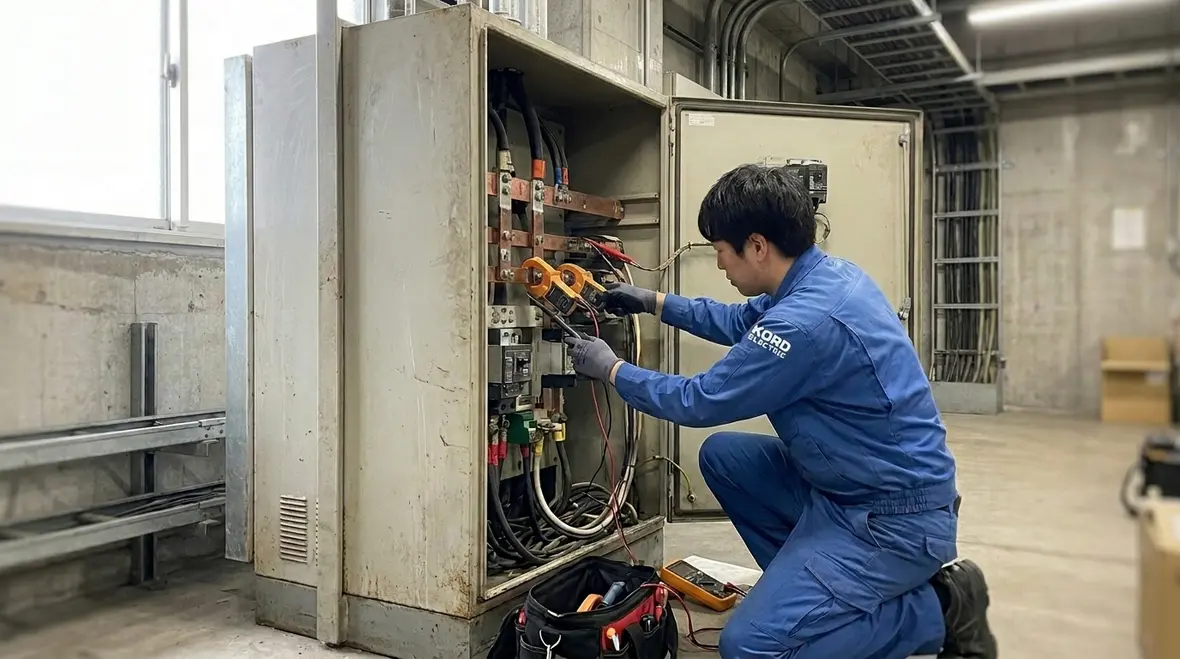
Electrical load is where problems become visible. As load increases, heat builds, connections expand, and weak points reveal their limits. Kord Electric targets these risks because commercial and industrial facilities carry higher stakes: downtime is expensive, and equipment failure can cascade across processes.
- Overheating at terminations: When connections loosen or corrode, load creates heat. Testing helps detect whether the system stays within safe operating behavior.
- Transformer stress: Load testing can show whether a transformer runs efficiently and within safe margins during real demand cycles.
- Voltage drop under peak use: Excessive drop can reduce motor torque, shorten equipment life, and trigger protective device operations.
- Unstable power for controls and automation: Fluctuating voltage can disrupt PLCs, VFDs, and sensitive instruments.
- Arc fault and trip risk: Electrical stress can contribute to conditions that lead to faults, interruptions, and safety hazards.
And yes, we know “safety” sounds broad. But for our clients it means fewer emergencies, fewer repeat incidents, and fewer moments when the facility manager has to explain the problem to everyone from finance to production. We keep the focus practical, because commercial buildings need results, not just reports.
How our technicians explain results without the guesswork
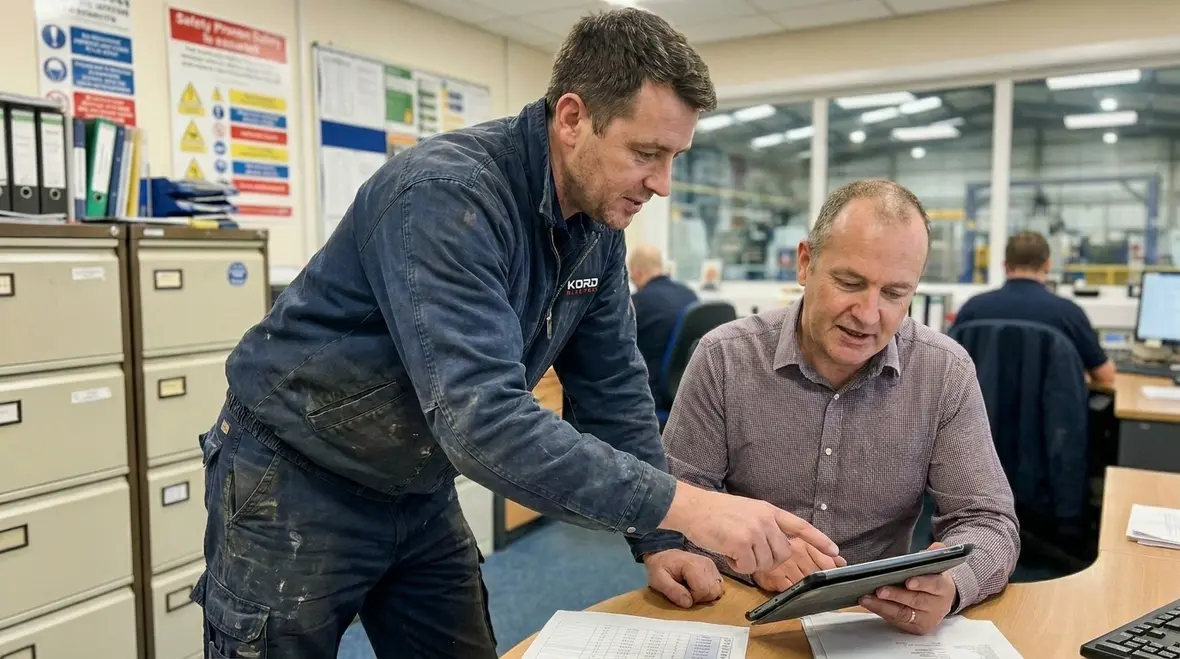
Testing is only half the job. The other half is communication. Our technicians and expert service staff take the measurements and turn them into clear findings tied to real equipment and real operating conditions.
First, we review what the site demands during peak and normal operations. Then we compare what the test shows against expectations for commercial and industrial electrical systems. After that, we explain the “why” behind the readings. If something looks off, we do not just label it. We connect it to potential outcomes like premature equipment wear, nuisance trips, or instability under load.
To keep things simple, we often use a three step discussion. We highlight what is normal, we show what is trending wrong, and we recommend actions that match the facility’s priorities and budget reality. In addition, we help others on the team understand how the findings affect maintenance planning, repair timing, and operational risk.
Occasionally, someone asks for a single number that magically solves everything. That is not how power systems work. Yet we do deliver decision ready guidance, and our staff stays available to answer follow up questions after the test day ends. Like a good coach, we keep the conversation moving, not just the schedule.
Where to apply load testing on major property buildings
Commercial and industrial facilities do not behave the same way. Some run steady loads. Others cycle production. Some manage large motor loads and process equipment. Therefore, our approach adapts to the building and its electrical architecture.
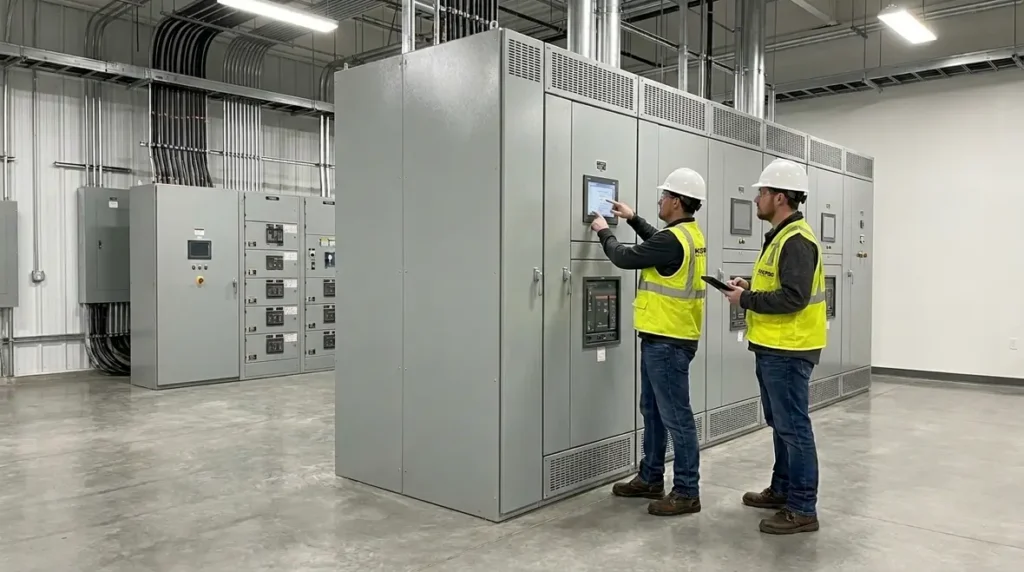
Typically, we apply testing in places where risk concentrates. That includes service entrance and main switchgear, transformer outputs, feeder routes to critical loads, and panels that supply life safety systems, production equipment, or major mechanical loads.
We also align the testing window with how the building actually operates. So instead of testing during quiet hours and hoping everything behaves, we plan to capture conditions that reflect real demand. As a result, the data captures the moment when weak points can show up. It also helps facility teams avoid surprises later when the building ramps up.
And if you are wondering whether this applies to “only small issues,” the answer is no. Small problems often become big problems under load. That is the whole point. Electrical systems do not fail politely. They fail when demand makes stress unavoidable.
What a safety focused load testing plan looks like
A good plan reduces disruption while improving accuracy. Kord Electric builds a clear process that respects the facility schedule and supports safe outcomes. Here is how our service approach typically flows for commercial and industrial buildings.
- Site review: We gather system details, one line information, equipment ratings, and operating schedules.
- Test preparation: Our technicians confirm safe access, coordinate with building staff, and set expectations for the test window.
- Measurement under load: We perform controlled testing to observe voltage, current behavior, and system response.
- Result analysis: We evaluate stability and performance, then identify conditions that increase safety risk.
- Action recommendations: We propose targeted fixes, follow up testing, or maintenance planning based on priority.
- Clear communication: Our expert service staff explains what the readings mean and what to do next.
We also document findings for long term decision making. Over time, repeating testing at appropriate intervals can show whether repairs worked and whether conditions are drifting again. In business, that continuity matters. In safety, it matters even more.
Featured snippet FAQ
| How often should a facility schedule load testing? | It depends on usage and risk, but many commercial and industrial buildings benefit from periodic testing and after major electrical changes. |
| Does load testing work for both commercial and industrial electrical systems? | Yes. We tailor the test approach to the building’s equipment, load patterns, and electrical layout. |
| Can load testing prevent voltage related equipment failures? | It helps identify stability problems that contribute to wear, nuisance trips, and performance issues under demand. |
| What will Kord Electric technicians do during testing? | Our technicians measure system behavior under load, analyze results, and explain findings in business friendly terms. |
Ready to protect your electrical system with evidence
If your commercial or industrial building relies on uptime, you need more than assumptions. We at Kord Electric perform commercial electrical load testing using a safety first process, then we explain the results through the lens of your real operating conditions. So when something shifts, you catch it early instead of reacting late. Contact us to schedule an assessment, discuss your peak load patterns, and build a plan that keeps your facility operating with confidence. We will bring the calm, and the data.
For facilities that want to extend the value of testing into a broader reliability strategy, consider how ongoing electrical preventive maintenance programs can work alongside commercial electrical load testing to reduce unplanned downtime and support long term system health.
If voltage instability is already on your radar, you can also align your next round of testing with a dedicated voltage fluctuation assessment, giving your team a clear picture of how load behavior and power quality interact across your facility.
And when you are ready to turn plans into scheduled work, our commercial and industrial service team can integrate findings into larger projects, from EV charger installation and lighting upgrades to panel and switchgear maintenance. That way, each improvement builds on verified data instead of assumptions.