Commercial Electrical Load Testing for Safety
Why commercial electrical load testing protects businesses first
At Kord Electric, we focus on commercial and industrial facilities and major property buildings, because safety is not a suggestion, it is a requirement. Our commercial electrical load testing starts by checking how your electrical system behaves under real operating conditions. Instead of guessing, we measure. As a result, we help you spot hidden stress on panels, feeders, transformers, and connections before it turns into downtime, damage, or an incident that no one wants to explain to anyone. And yes, we have seen “it probably looks fine” turn into “why is everything hot and humming like a haunted refrigerator.”
In the sections below, our expert team explains what load testing really reveals, how we conduct it, and how voltage issues, especially those tied to load changes, can affect safety and performance. Others may talk in theory. We talk in measurements, because numbers do not care about your excuses.
Commercial electrical load testing and safety in the real world
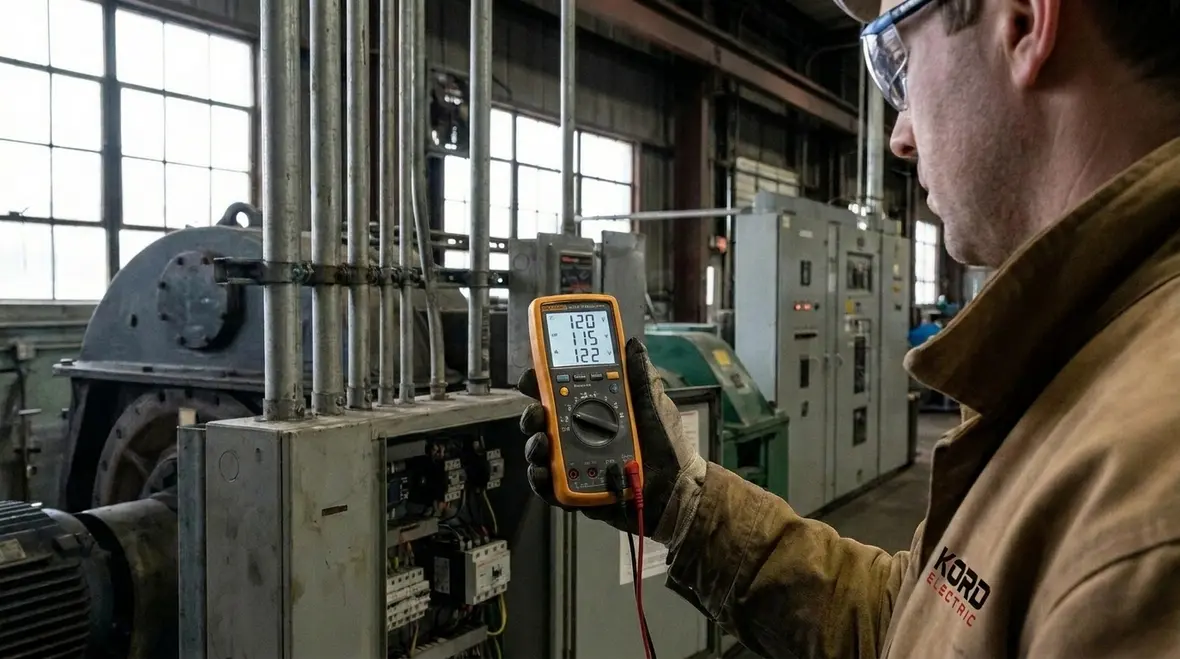
Commercial and industrial power systems live a hard life. Equipment runs during peak hours. Motors start and stop. HVAC cycles. Loads shift across the day. Therefore, a system that passes a basic check can still fail when it is asked to carry real current. That is where load testing matters.
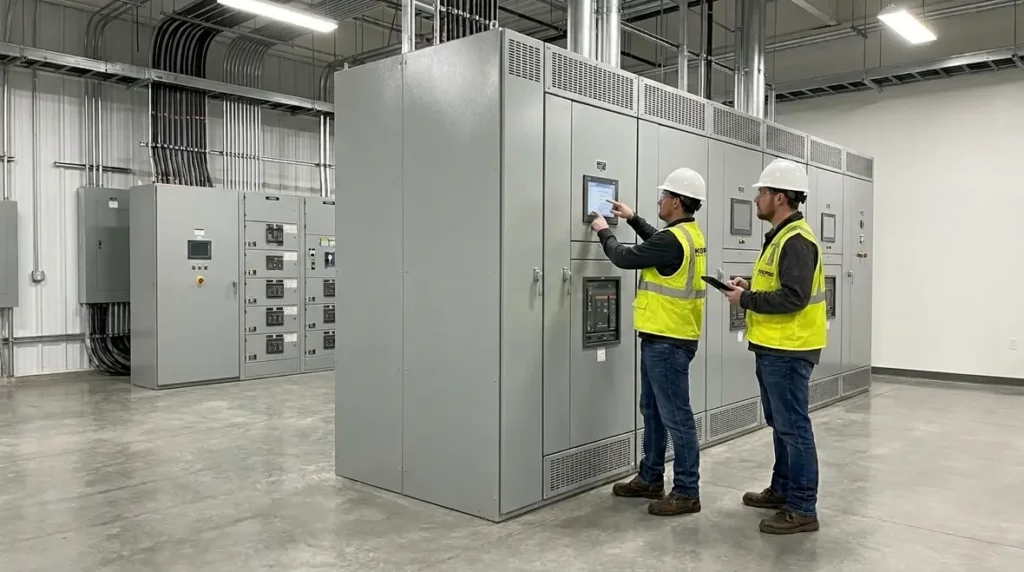
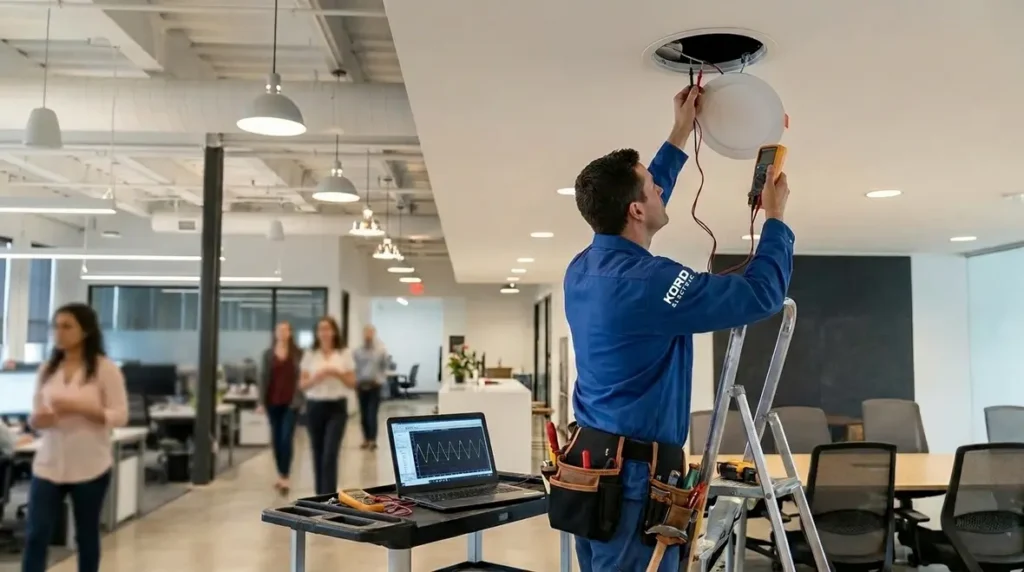
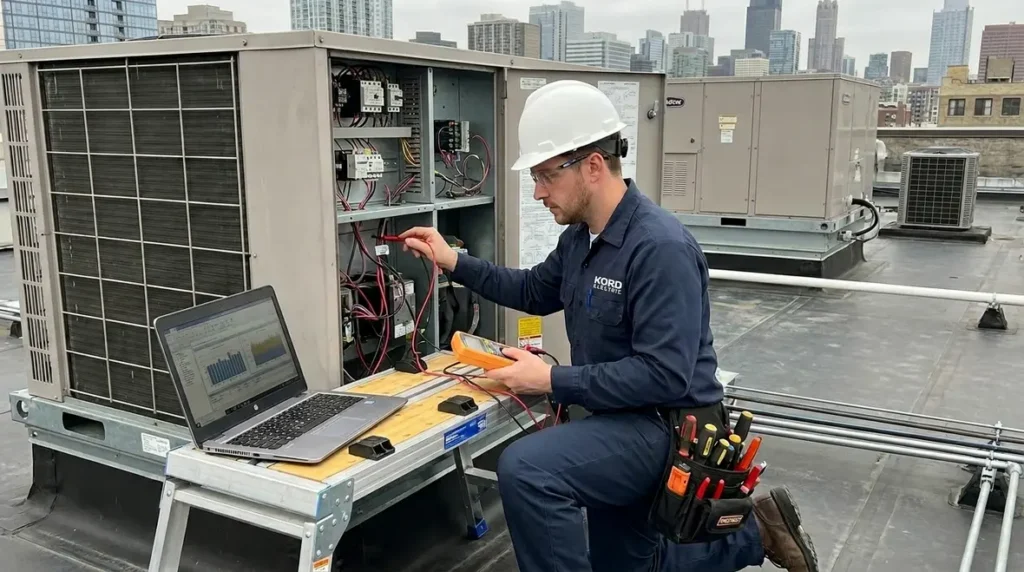
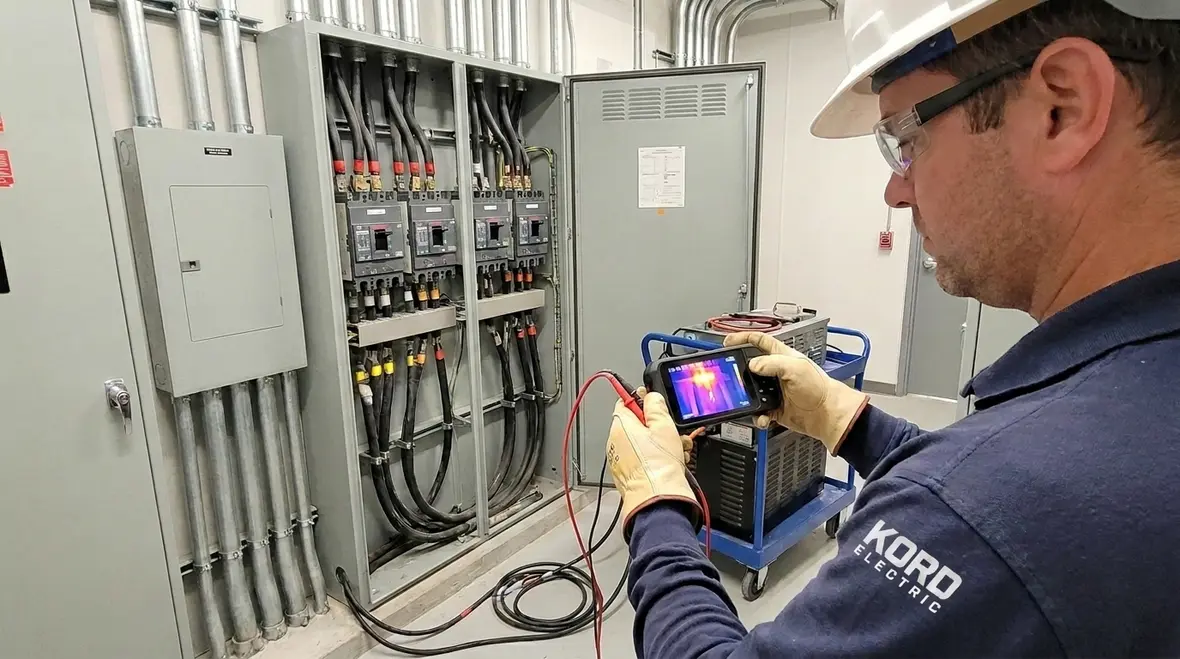
When we perform commercial electrical load testing, we verify that components handle expected demand without unsafe conditions. We look for signs of overheating, abnormal voltage drop, weak connections, and load imbalance. These are not “maybe” problems. They are the kind of issues that can quietly cook insulation, loosen terminals, or accelerate failure.
In fact, many safety events come from abnormal heat and arcing risk. However, those risks do not always show up during visual inspection or simple meter readings. Load testing recreates the situation your building faces daily. Then we can confirm whether protection devices behave as intended and whether the system remains stable under demand.
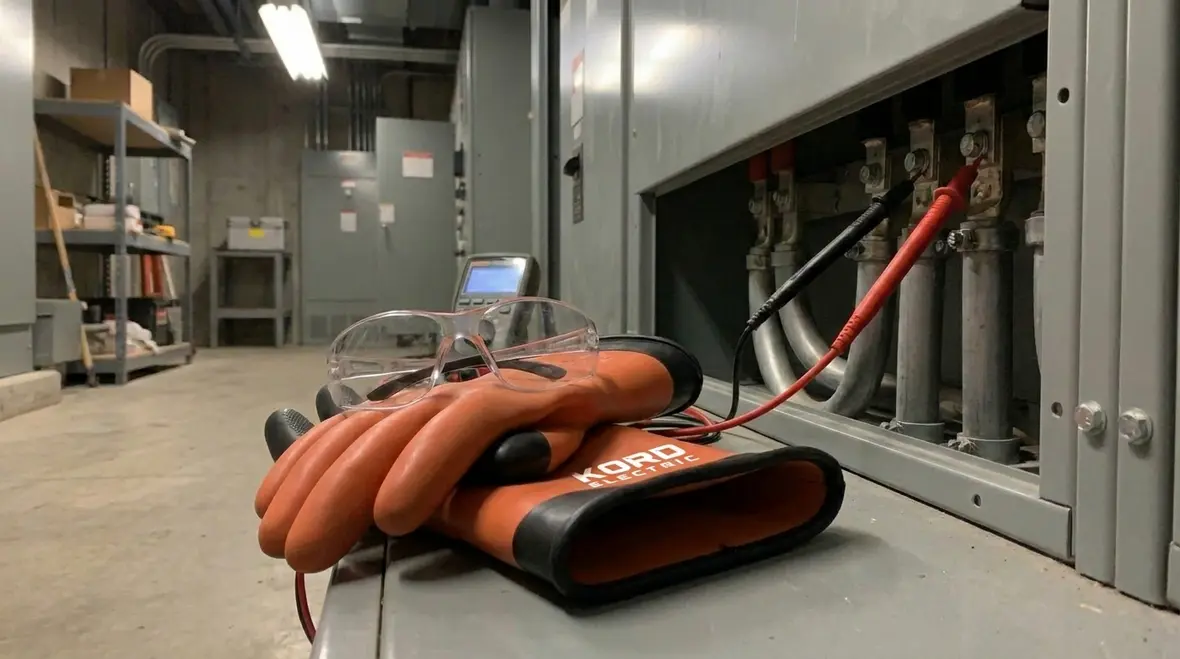
What our technicians measure during load conditions
Our technicians approach load testing with a calm process and a precise mindset. First, we confirm the building’s operational profile. Then we select test conditions that match how the facility actually runs. After that, we collect data and compare it against safe, expected behavior.
Here is what we typically assess during a proper test for commercial and industrial customers:
- Voltage stability across phases during load changes
- Current draw and load balance to spot uneven strain
- Voltage drop on feeders, panels, and critical circuits
- Thermal risk indicators tied to connections and terminations
- Protection performance by verifying that breakers and relays respond correctly
Because we serve major property buildings, we also consider how multiple tenants and large schedules change demand patterns. One floor may look calm at 2:00 p.m. and then spike during shift change. Therefore, we do not treat “average” as enough. We evaluate the moments when systems are most stressed.
And just to keep things grounded, we explain each step in plain terms. If someone from your team asks why we take a second reading, our expert staff tells them: because one reading can be like a meme with missing context. It might be funny, but it is not reliable.
Voltage fluctuations and how they connect to load testing
Voltage fluctuations do not stay in the electrical system. They travel into equipment. Sensitive controls, variable frequency drives, and process equipment can react to unstable power. That reaction can show up as nuisance trips, shortened equipment life, reduced efficiency, or performance that feels like it gets worse over time.
We also reference our guidance on voltage fluctuations in commercial and industrial settings because the connection is direct. When your building experiences fluctuations, the system is often compensating for load changes, feeder limitations, or upstream variations. Over time, those factors can intensify stress on conductors and connections.
Furthermore, load testing helps confirm whether the system holds steady when demand increases. If voltage drop grows beyond safe limits during peak conditions, you can expect heat at weak points. Then you face a chain reaction: higher resistance creates more heat, and more heat accelerates failure. That is why we treat stability as a safety issue, not just a comfort issue.
In other words, the goal is not only to measure problems. The goal is to measure the behavior that causes problems.
How we reduce risk before it becomes a shutdown
Commercial and industrial managers do not need more surprises. They need predictable operations. So, after we gather test data, we translate it into actionable findings. That means you can make decisions before the next busy season or before equipment starts acting “moody.”
Our workflow typically follows a clear sequence:
- Plan the test around your operating schedule and peak loads
- Collect measurements under controlled load conditions
- Review results for stability, imbalance, and unsafe trends
- Report findings in a format your maintenance and facilities team can use
- Recommend next steps such as connection corrections, panel upgrades, or targeted repairs
We also coordinate with facility staff to minimize disruption. After all, you run a business, not a science lab. Therefore, our team keeps the process controlled and focused on what matters for safety and performance in major property buildings.
Then, when issues appear, we do not hand you vague advice. We explain what the readings suggest, why the condition is risky, and how repairs can reduce stress. Our expert service staff builds trust the old fashioned way: by being clear, consistent, and on site when you need them.
Common myths about electrical safety in big buildings
Let us clear the air, because myths keep people from testing when they should. In commercial and industrial facilities, the most costly mistakes come from “good enough” thinking.
Here are a few stories we hear often, and how we respond:
- Myth: “If breakers trip, we will know something is wrong.”
Reality: By the time trips happen, damage may already be brewing. Testing can find risk before trips occur. - Myth: “Visual checks are enough.”
Reality: Loose connections can look fine until load puts them under strain. Measurements catch issues early. - Myth: “Voltage tests from a calm day prove we are safe.”
Reality: Real operating demand changes the story. Load testing shows how your system behaves under stress.
And yes, we have met people who treat maintenance like a sitcom. It “usually works,” right up until the episode where everything explodes. We prefer a different genre: prevention.
Because our scope stays focused on commercial and industrial sites and major property buildings, we also understand the reality of shared infrastructure, larger loads, and more complex electrical distribution. That experience shapes how we run tests and how we interpret results.
FAQ: Load testing, voltage, and safety for commercial buildings
CTA: Schedule load testing with Kord Electric
If you manage a commercial or industrial facility or a major property building, you deserve electrical safety you can measure, not guess. Kord Electric provides commercial electrical load testing with a practical process, clear reporting, and expert guidance from our technicians. Contact us to discuss your load profile, upcoming peak seasons, and any concerns about stability or performance. We will help you reduce risk, protect equipment, and keep your operations steady. Let us turn “probably fine” into “verified safe.”
For facilities building a broader reliability strategy, you can also explore Kord Electric’s dedicated electrical preventive maintenance services to align commercial electrical load testing with long-term maintenance planning and compliance.
When you are ready to strengthen your system beyond individual tests, our team can also support projects such as lighting upgrades, infrastructure improvements, and even specialized services like commercial and industrial voltage stabilization, so every part of your electrical distribution supports safer, more predictable operations.
To take the next step, connect with our commercial and industrial service specialists and build a plan that fits your facility, from commercial electrical load testing to ongoing preventive maintenance and targeted system upgrades.