Commercial Electrical Load Testing for Safety
Commercial Electrical Load Testing: Why We Treat Safety Like a Business Priority
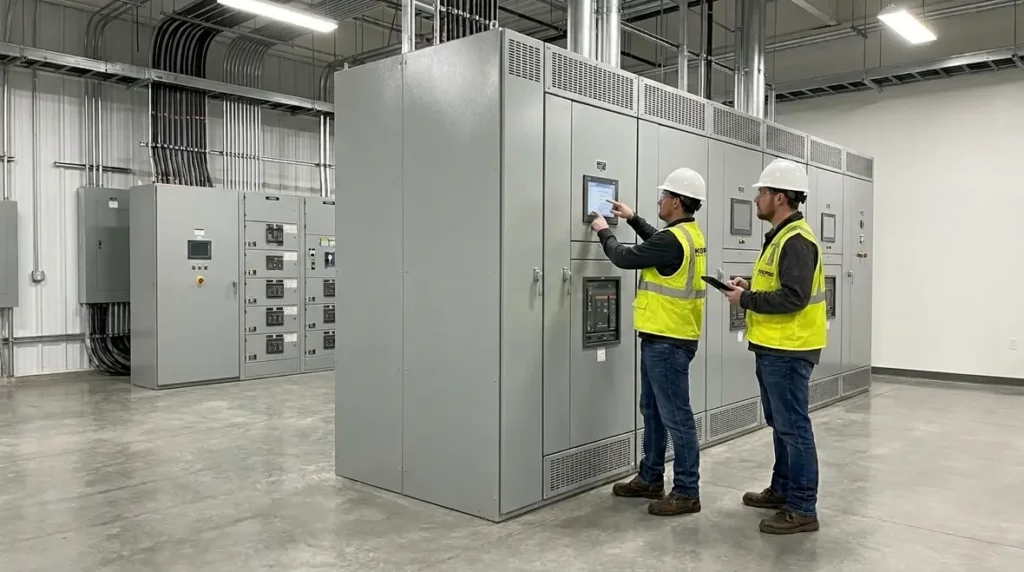
At Kord Electric, we perform commercial electrical load testing to help our clients protect people, equipment, and operations in commercial and industrial facilities and major property buildings. In our experience, electrical systems rarely fail in a dramatic, movie-scene way. Instead, they drift, heat up, and lose margin over time until the day the building decides to act like it is possessed. That is when we step in, because load testing gives a clear view of what the system can truly handle under real conditions. Moreover, we do not guess. Our expert service staff explains what we find in plain language, so building managers can make confident decisions. And yes, we keep the vibe calm, even when the switchgear is doing its best impression of a haunted house.
How load testing catches hidden risk before it becomes an outage
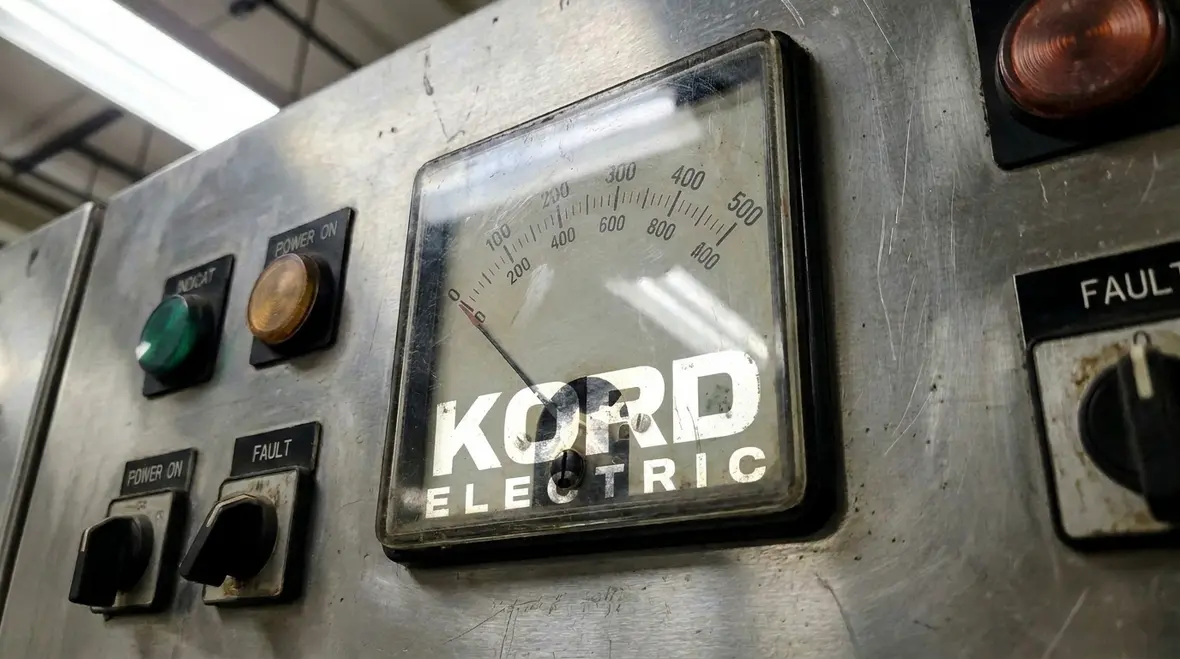
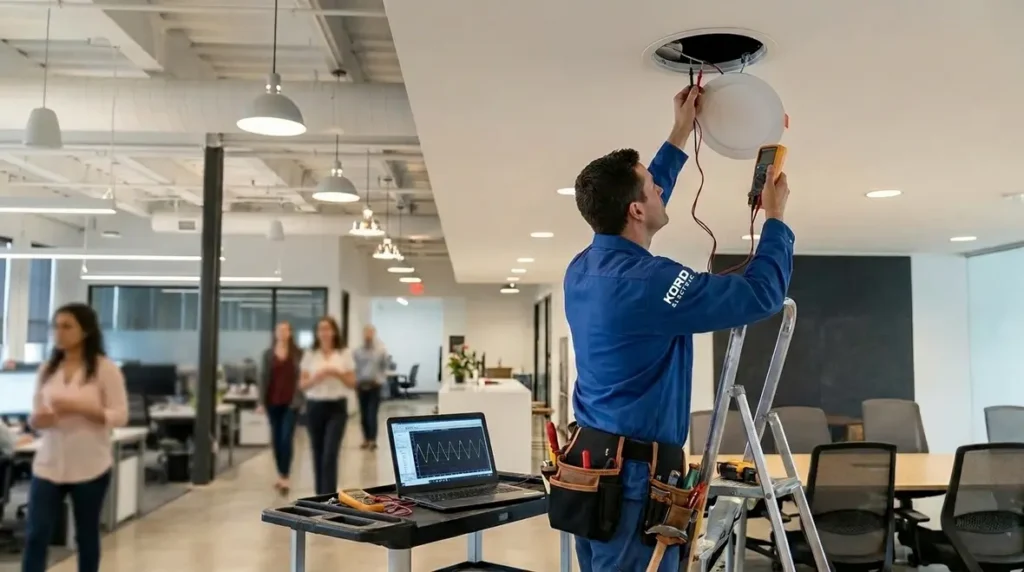
Many facilities rely on measurements taken when the system sits idle, and that can miss important problems. However, when we run a proper load test, we place the system under controlled demand and evaluate how it behaves. As a result, we see things that static checks may hide, such as voltage drop, overheating, abnormal current draw, and imbalanced phases. Then we compare performance to the expected values for the electrical design.
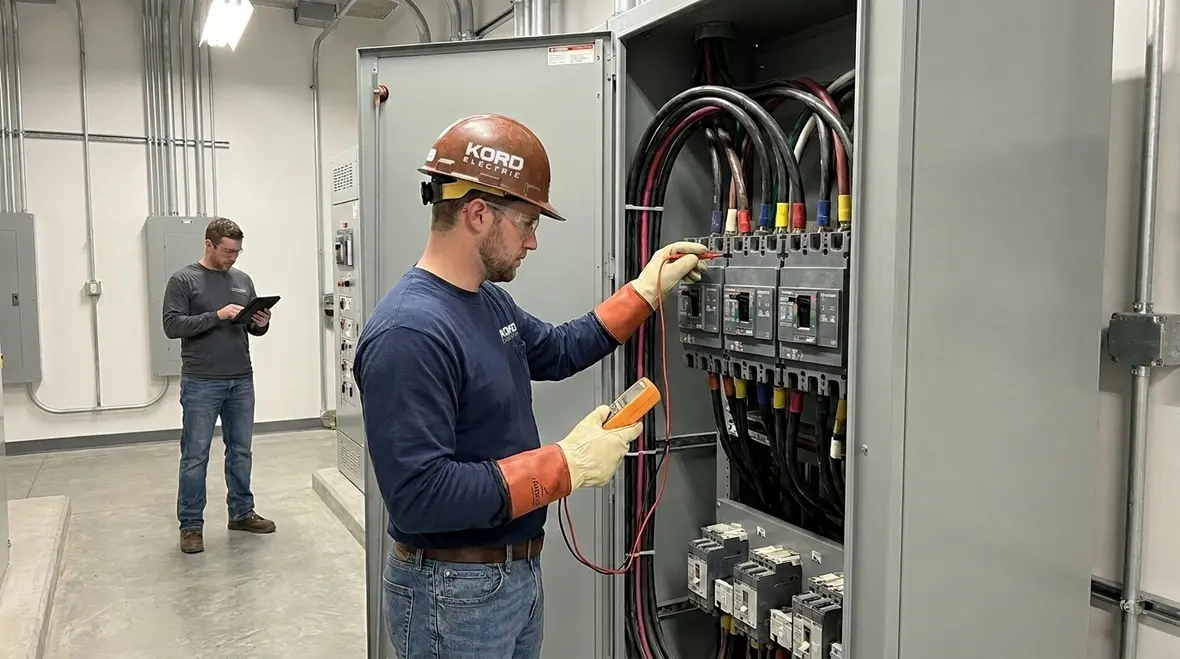
Next, our technicians document the readings and connect them to the equipment that actually serves the building. This matters because a small mismatch in one panel or feeder can ripple into bigger failures later. For instance, a connection that loosens slightly may still “work” most days, but under load it can create excess heat. Likewise, worn components can reduce efficiency, raise risk, and shorten service life.
Meanwhile, our team also watches the quality of power, because real facilities experience changing demand throughout the day. Therefore, the load test helps us answer a practical question: will the system remain stable during peak operations?
We explain the findings clearly, because jargon should stay in the lab
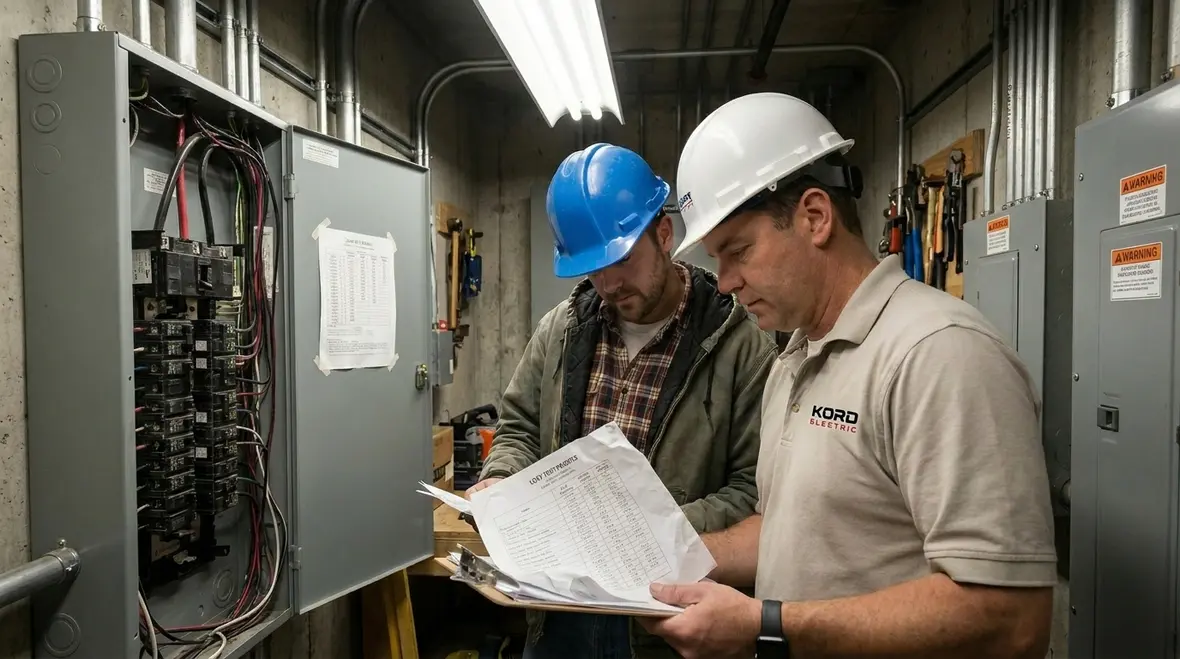
Here is the reality: building owners and property teams do not want a 40 page technical thesis. They want answers they can act on, and they want them delivered quickly. So our expert service staff explains results in a direct way, using terms that match the facility’s reality: panels, feeders, transformers, UPS loads, and major HVAC systems. While some companies throw numbers at you and walk away, we do the opposite. We stay, we explain, and we help prioritize next steps.
To make that easy, we outline what we measured, what it means, and how it affects safety and reliability. Then we discuss typical causes, such as aging conductors, poor connections, or changes in how the building uses power. After that, we recommend the next action that fits the facility, whether it is maintenance, repair, or further study.
And if you are thinking, “Sure, but will it disrupt our operations?” we handle that too. We plan load testing around facility schedules and coordinate with your team, so the process stays controlled and professional.
Voltage stability in commercial and industrial power systems
Electrical risk often shows up as instability. When voltage fluctuates, equipment can run hotter, draw more current, and wear faster. Additionally, sensitive electronics can behave poorly, even if the lights still appear bright enough to fool everyone. In commercial and industrial facilities, that can translate into downtime, quality issues, and expensive repairs.
We have covered voltage fluctuations and their impact on commercial and industrial settings in detail on our site, including how variations can stress motors, drives, control systems, and other critical loads. The link below supports what we see during field work: Voltage fluctuations in commercial and industrial environments.
During load testing, we can identify how the system responds under demand. If voltage sags too much or recovers inconsistently, that points to constraints upstream, like feeder resistance, transformer limitations, or connection issues. Then we can help the building team address those problems before they create a cascading failure, because electrical faults rarely respect business hours.
What our technicians measure during commercial electrical load testing
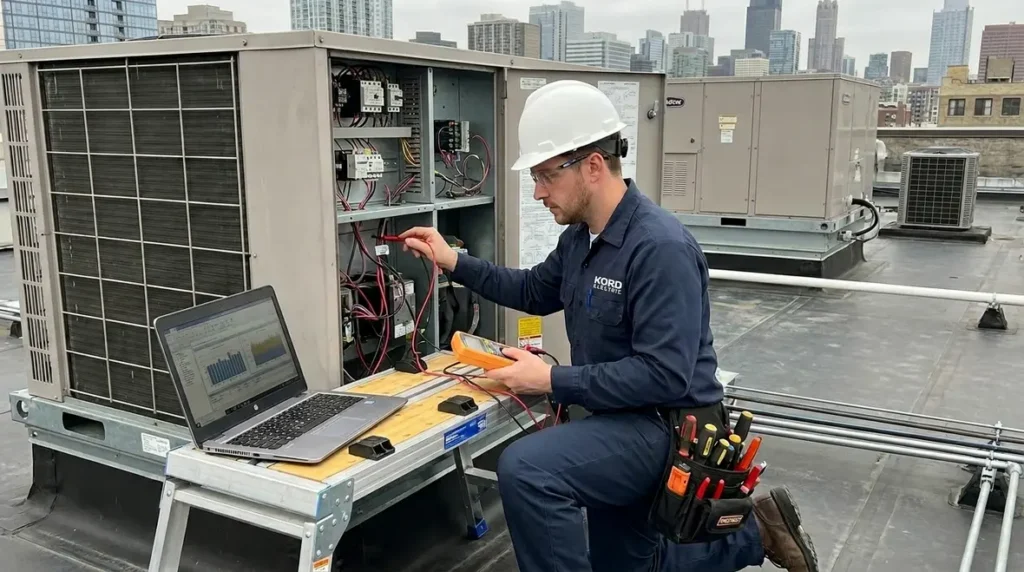
To protect commercial and industrial facilities and major property buildings, we measure more than one thing. We focus on the system’s behavior, not just a snapshot. First, we check current draw under known load levels so we can compare performance to design expectations. Next, we evaluate voltage levels at key points, since even small drops can create big problems over time. Then we look for phase imbalance and other conditions that suggest a wiring or connection issue.
We also assess power consistency while loads change. In real buildings, demand swings throughout the day, and we need to know how the electrical system handles those swings. Therefore, our technicians build a structured test plan that reflects the facility’s use. In many cases, we coordinate with building schedules, because nobody wants a test that feels like a surprise gym class for the electrical system.
Finally, we document everything. That record becomes a tool for maintenance planning, troubleshooting, and future upgrades. In other words, the test does not end when the equipment shuts off. It becomes part of your facility’s safety history.
Safety and compliance for major property buildings
When electrical systems operate outside their safe range, risk grows quickly. Overheating can damage insulation. Loose connections can arc. And degraded components can fail without warning, especially during high-demand periods. By using commercial electrical load testing and related power evaluations, we help facilities reduce those risks and keep operations predictable.
We also support property teams by creating a practical path forward. Instead of vague recommendations, we point to the areas that need attention and explain the risk level in plain terms. That helps others in the facility hierarchy make better decisions, whether they manage operations, coordinate maintenance, or oversee vendor work.
Moreover, we do not limit our work to “small sites.” We focus on commercial and industrial facilities and major property buildings, which means we understand the pace, complexity, and consequences of electrical issues in those environments.
As a small joke to keep everyone awake, electrical problems love two things: neglect and assumptions. Our process reduces both.
When facilities should schedule a load test
Even a well-run building can drift over time. We recommend scheduling a load test when conditions change or when risk factors build up. For example, if a facility adds major equipment like HVAC upgrades, production lines, charging stations, or large tenant loads, the electrical system may face new demand patterns. In those cases, load testing helps confirm capacity and stability.
Also, facilities often benefit from load testing after major electrical work, including panel replacements, transformer changes, or feeder upgrades. By testing after the work, we verify that the system performs as expected in real conditions.
Additionally, if your team notices frequent nuisance trips, warming at panels, or signs of inconsistent performance, load testing provides a grounded way to identify the cause. Rather than chasing symptoms, we evaluate how the system behaves under demand.
And if you are wondering whether it is too early or too late, we suggest leaning toward safety. Electrical issues rarely improve with time. They usually just get better at hiding.
Related insights on commercial electrical reliability
For facility leaders building a broader reliability strategy, commercial electrical load testing fits alongside structured service programs. Resources like Kord Electric’s guides on hidden electrical risks in commercial buildings, commercial and industrial electrical maintenance plans, and rewiring cost for commercial electrical systems all point to the same theme: electrical problems rarely start loud, but they always finish that way if nobody is paying attention.
Commercial electrical load testing gives property teams a structured way to see how their infrastructure behaves today, instead of guessing based on drawings from ten years ago. Paired with preventive maintenance and clear reporting, it becomes one of the simplest ways to move a facility from “we hope it is fine” to “we know where we stand.”
FAQ
Call Kord Electric for load testing that keeps your facility steady
If your commercial or industrial facility needs dependable electrical safety, do not wait for the next “it probably will be fine” moment. Kord Electric schedules controlled commercial electrical load testing, documents real performance under demand, and explains findings in clear business language. Our technicians and expert service staff help property teams act early, reduce risk, and protect critical equipment. Contact us today to discuss your facility, your load conditions, and a testing plan that fits your operations.
For facilities building a broader safety and reliability strategy, consider pairing commercial electrical load testing with Kord Electric’s dedicated electrical preventive maintenance services. Together, structured maintenance and performance testing create a calmer, more predictable operating environment for commercial and industrial power systems.
If you are planning upgrades, expansions, or rewiring based on what testing reveals, our team also supports large projects through services highlighted on our commercial electrical and rewiring cost guide for commercial electrical systems pages, so property leaders can align budgets, timelines, and risk reduction in one plan.