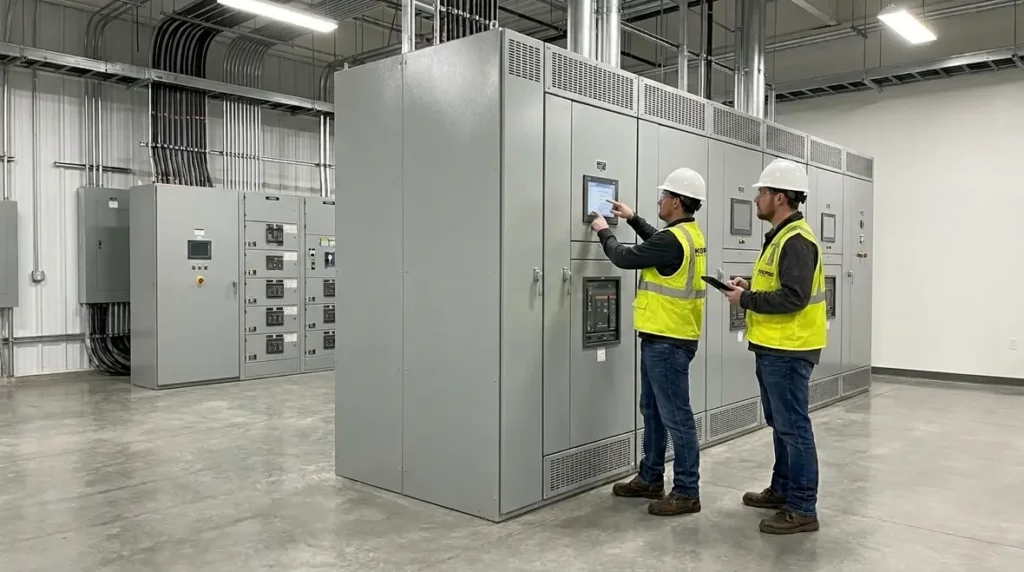
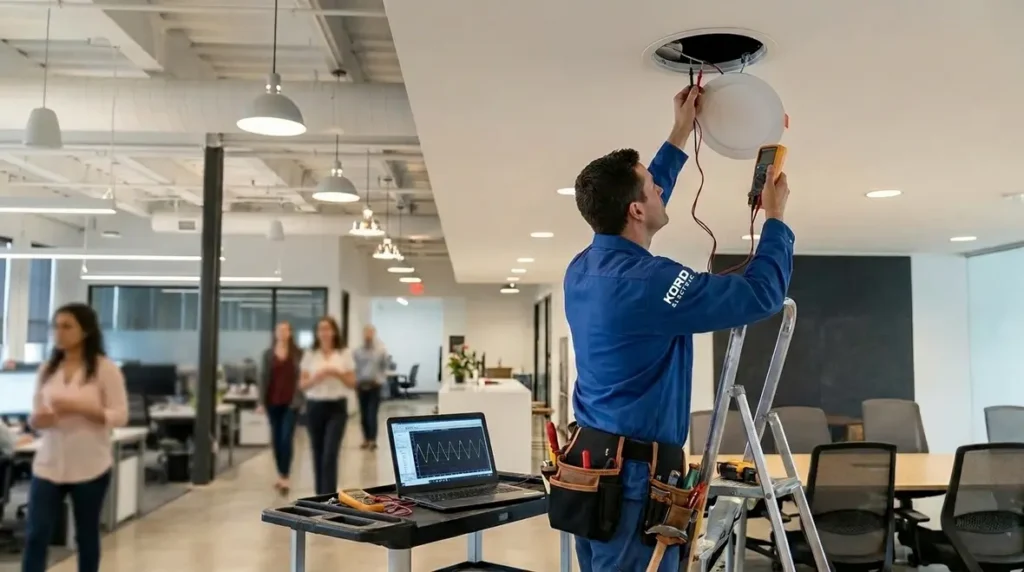
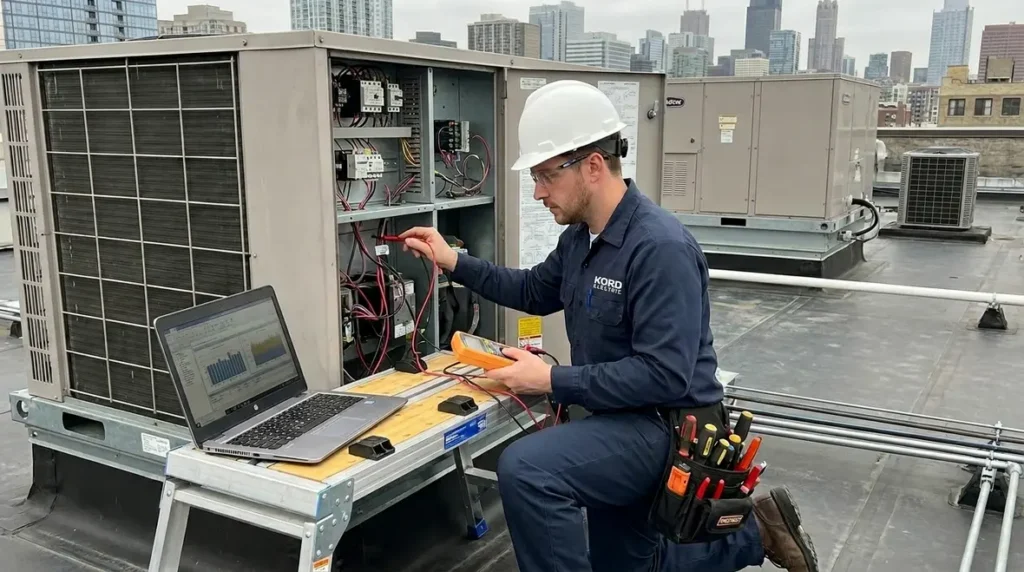
Commercial Electrical Load Testing for Building Safety
Why we prioritize commercial electrical load testing for building safety
At Kord Electric, we start with one simple truth: buildings do not fail on a schedule, and power systems do not politely “let you know” before something goes wrong. That is why our team performs commercial electrical load testing early, often, and with clear documentation. We test real operating conditions, not just nameplate numbers, so our clients can reduce risk and keep critical equipment running.
Meanwhile, our certified technicians explain every step in plain language, because nobody should need a decoder ring to understand electrical safety. And yes, we have heard “It worked last year” as a strategy. Unfortunately, the power system did not read that memo either.
How load testing reveals hidden stress before failure
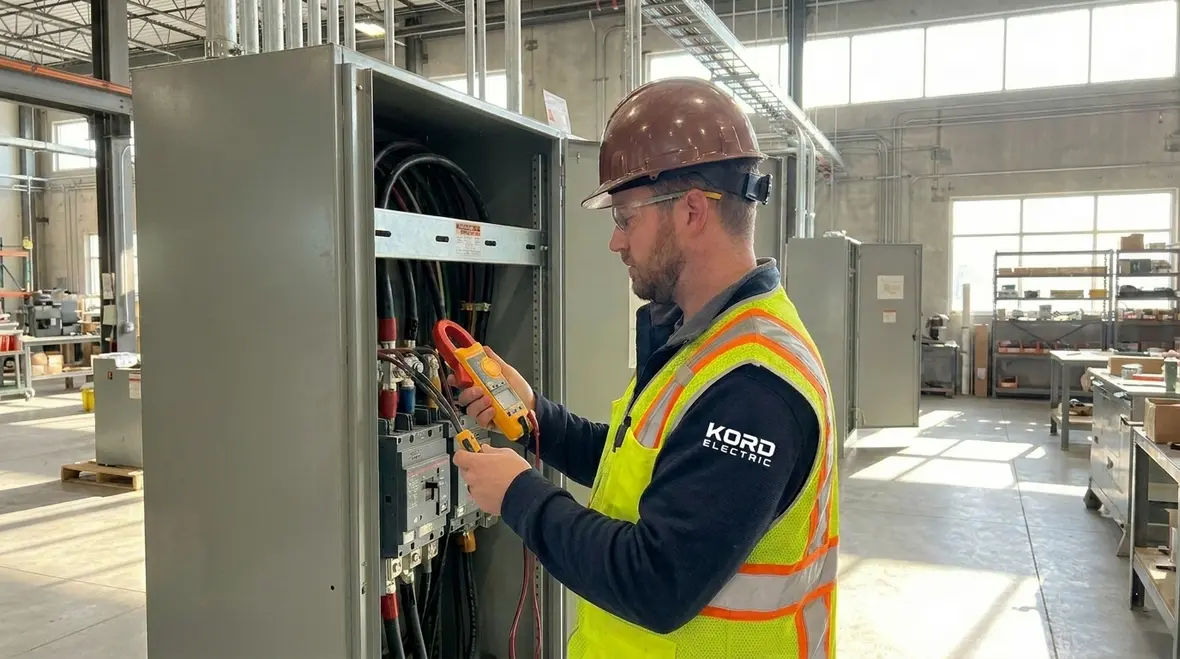
When a commercial or industrial facility runs, it pulls current in ways that can surprise even experienced maintenance teams. Components age, connections loosen, and insulation changes slowly over time. As a result, the system can look fine during light use, then struggle during peak loads.
During commercial electrical load testing, we apply controlled load conditions and measure performance across key points such as panels, feeders, and distribution paths. Then we compare what the system does under stress to what it should do under real duty. If voltage drops too far, if imbalance appears, or if something heats beyond safe limits, we catch it while it still has options.
In other words, we do not just “check power.” We validate how the system behaves with customers, production, and life happening in the building. This matters most for major property buildings and industrial sites where downtime costs real money.
Voltage fluctuations and what they do to commercial gear
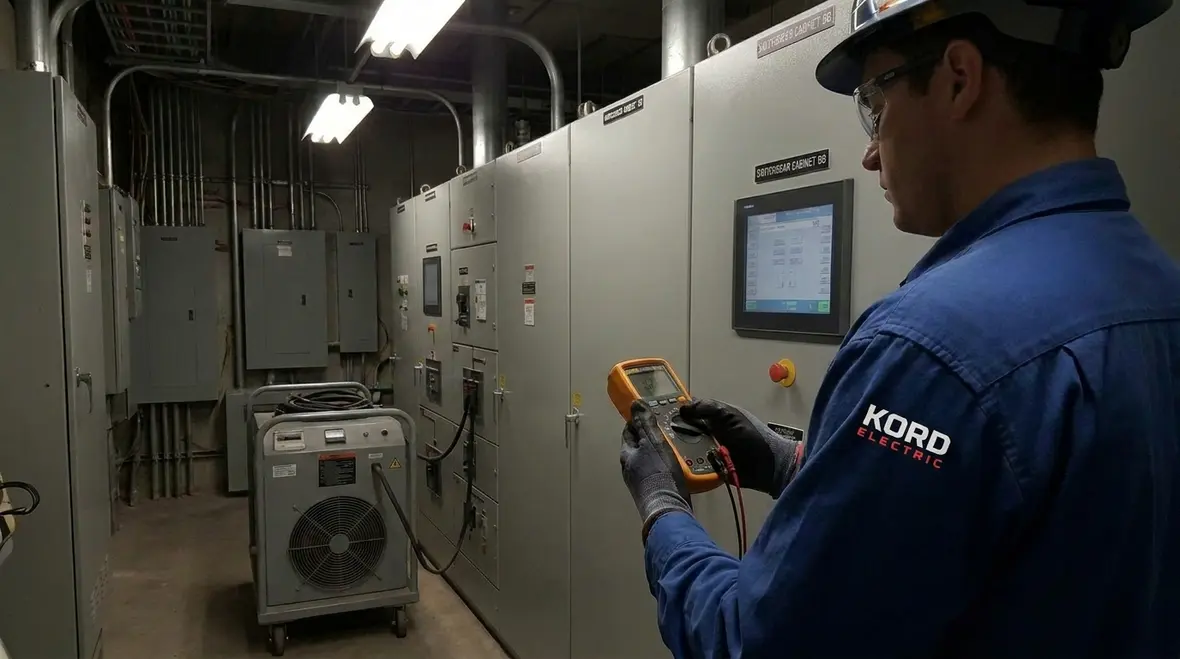
Electric issues rarely stay in one category. They travel. One weak connection, one stressed transformer, or one overloaded bus can lead to voltage fluctuations. And once that starts, sensitive equipment takes the hit, even if the breakers never trip.
Our technicians also focus on the conditions that commonly link to voltage fluctuations in commercial and industrial setups. For example, when load changes quickly, voltage can sag or bounce, which can stress motors, drives, HVAC systems, refrigeration units, and process controls. If you want the deeper breakdown, our team explains these patterns in detail here: https://kordelectric.com/voltage-fluctuations-commercial-industrial/.
Then again, if the building’s electrical system feels like it is on a roller coaster, we treat it like a safety issue, not a mood. Voltage stability directly affects efficiency, equipment life, and reliability. When we measure the system under load, we can see if fluctuations line up with actual operating conditions.
Safety, compliance, and the risk math nobody wants to do
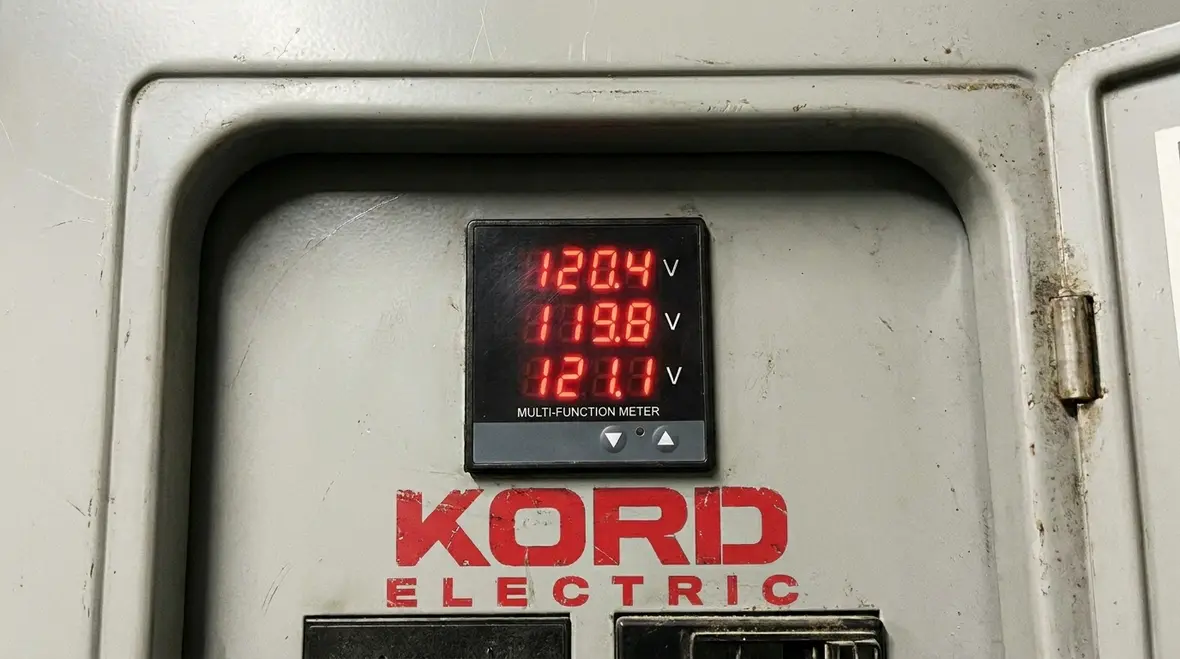
Safety fails in two ways. First, people get hurt. Second, equipment catches damage and keeps running until it cannot. That second part is the expensive one, and it often shows up as repeated nuisance alarms, hot panels, degraded insulation, or premature motor failures.
Commercial sites also carry compliance expectations. We help clients support safe operation by documenting test results and providing recommendations that align with the real-world behavior of their power system. Consequently, decision makers do not rely on guesswork. They rely on evidence.
We also explain risk in business language. If a facility has a critical process, emergency loads, or expensive production machinery, a “small” electrical weakness can become a big outage. And outages do not care about your holiday schedule, your “we will fix it next month” plans, or your best intentions.
So, we run testing with a safety-first method, we interpret the findings clearly, and we help others prioritize fixes. Our expert service staff stays available to explain what the measurements mean and what to do next.
What our technicians measure during a load test
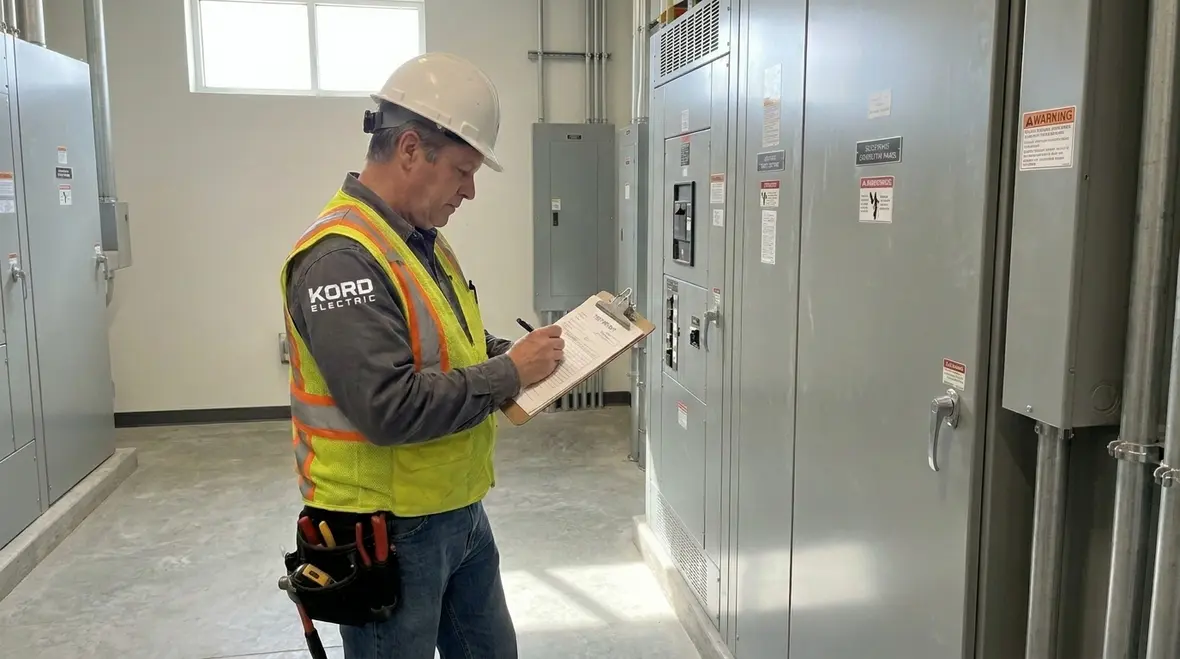
Each facility has its own wiring layout, load profile, and equipment mix. However, our approach follows a practical checklist that focuses on performance under realistic demand. Then we tailor the plan so we test what matters most for that building.
Typically, we measure things like:
- Voltage stability at key distribution points during load changes
- Current draw to confirm loads match expected design and operating conditions
- Phase balance where applicable to prevent uneven stress and overheating
- Power quality indicators that can point to loose connections or upstream issues
- Thermal risk signals that help identify parts that heat unusually during load
After the measurements, we compare results, interpret trends, and explain findings in a way facility teams can use. We do not drown people in charts. Instead, we translate the data into clear next steps, because electrical safety should feel like a calm plan, not a surprise horror movie.
How Kord Electric designs a load testing plan for major properties
Commercial and industrial facilities differ, and we respect that. We first learn the site’s load pattern, the equipment that cannot fail, and the operating windows that matter. Then we schedule the testing to reduce disruption to tenants, operations, or production.
Next, our technicians confirm system details such as panel schedules, feeder routes, distribution configuration, and known electrical history. If a building has prior issues, we incorporate that context. That way, our test does not feel random. It feels targeted.
We also support clients with recommendations that reduce risk. Some fixes address immediate concerns like connection integrity, while others focus on long-term performance like distribution capacity planning. Importantly, we keep the scope centered on commercial and industrial work, including major property buildings, because those environments demand a higher level of reliability.
Finally, we document results so others can act with confidence. Then our expert service staff walks through the outcomes, explaining not only what we found, but why it matters to the building’s day-to-day operation.
Dual-column checklist: from symptoms to action in your facility
To make this easier, we map common warning signs to the kind of load test insight that helps teams act faster.
| What you notice on site | What load testing helps confirm |
| Panels run hot or breakers feel warm during peak hours | Whether connections or distribution paths show abnormal voltage drop or overheating under load |
| Motors and HVAC units struggle during starting cycles | Whether voltage sag or imbalance affects performance when load changes |
| Sensitive controls act inconsistent, especially at shift changes | Whether power quality and stability shift under actual facility demand |
| Frequent nuisance alarms without a clear pattern | Whether the system behavior during real operating conditions points to underlying stress |
And if you are thinking, “We should test before we see damage,” you are already ahead of the game. Many teams only act after the electrical system starts acting like it has a bad attitude.
FAQ about commercial electrical load testing
Final word: act before your system surprises you
If your commercial or industrial facility depends on steady power, we suggest treating electrical load testing like a safety routine, not a reaction. At Kord Electric, our technicians run clear, targeted tests under real conditions, then explain results in plain business language. Next, we help you plan fixes that protect people, extend equipment life, and reduce costly downtime. If you are ready to evaluate your system’s performance, contact us to schedule commercial electrical load testing for your facility. To keep that performance strong year after year, many facilities also pair testing with structured electrical preventive maintenance and broader commercial and industrial electrical maintenance plans that keep risk low and uptime high.
When you are ready to move from “we hope it holds” to “we know how it performs under stress,” our team is ready to help you align commercial electrical load testing, maintenance, and upgrades into one calm, organized plan for your building.
For facilities that need ongoing support, explore our dedicated electrical preventive maintenance services to keep your panels, switchgear, and distribution systems ready long after the initial test is complete.