Commercial Electrical Load Testing for Safety
Why Commercial Electrical Load Testing Protects Your Facility
Commercial electrical load testing is one of the most practical ways we keep risk low and performance steady at commercial and industrial facilities. At Kord Electric, our team helps others confirm that power systems can handle real-world demand, not just “looks fine” readings. In other words, we do not guess, and we do not let your building operate on hope. We bring measurement into the picture, and we explain the results in plain language so you can make decisions with confidence.
Now, if you think electricity testing sounds exciting, you are right to be skeptical. But we promise it beats guessing during business hours. With our expert service staff and experienced technicians, we check load, voltage behavior, and system health so your operations stay safe, predictable, and ready for the next peak hour.
What Load Testing Does Beyond a Simple Inspection
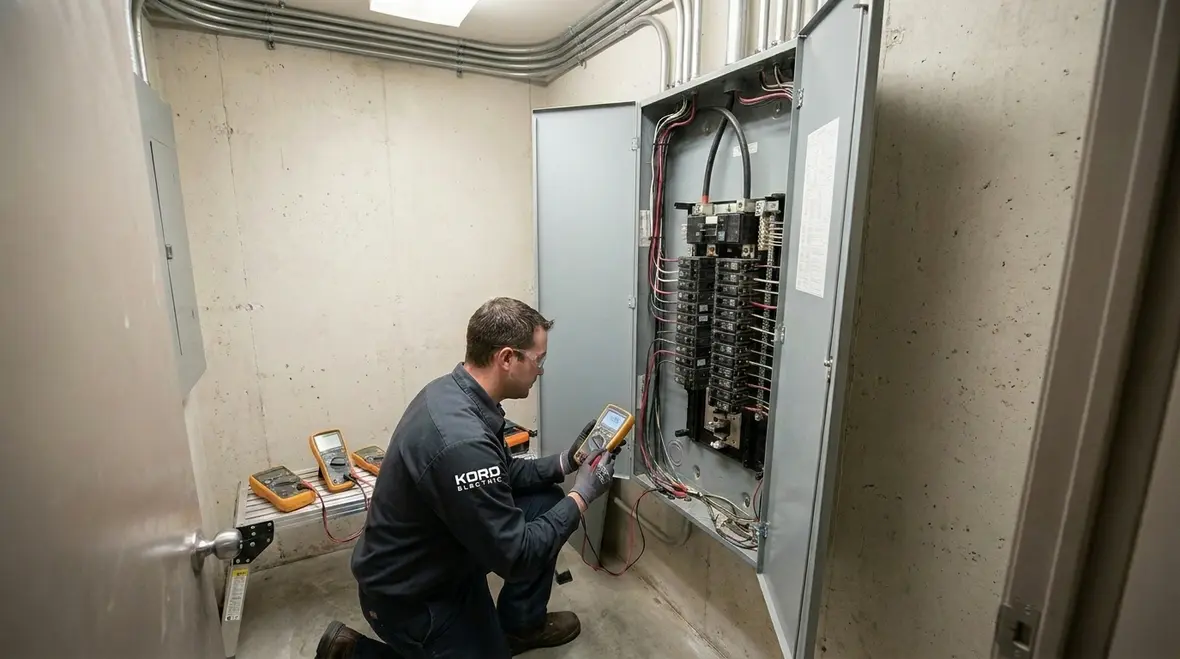
Many people expect an electrician to “check the panel” and move on. However, that approach can miss what actually happens when the building draws real current. So, we perform commercial electrical load testing to place your system under controlled demand and then measure how it responds. This is where safety becomes more than a slogan.
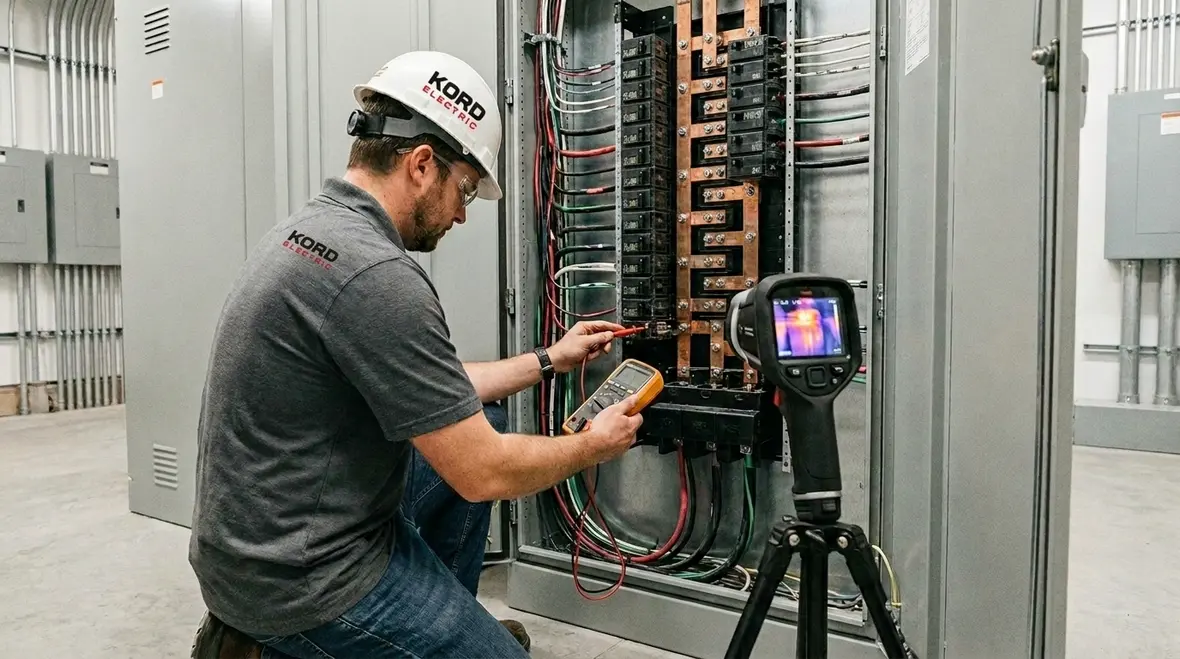
During testing, our technicians monitor key electrical behavior as loads rise and stabilize. We look at how voltage holds, how equipment performs, and whether any circuit or connection shows signs of overheating or stress. In addition, we compare readings across phases and equipment to spot imbalance that would not show up during light usage.
As a result, we reduce the chance of hidden problems that only appear during busy times, like the moment everyone turns on equipment and the building decides to act dramatic. Pop culture calls this “season finales.” Facilities call it nuisance trips and degraded performance.
How Safety Risks Show Up Under Real Demand
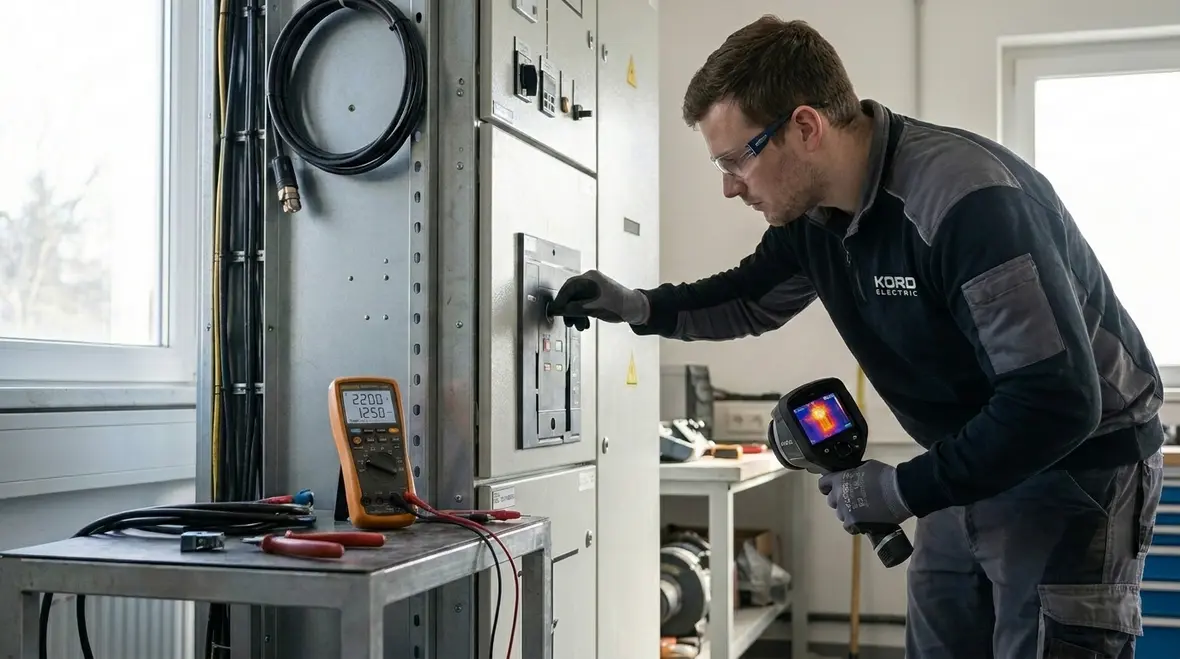
In commercial and industrial settings, the electrical load is not a gentle thing. It ramps up with production schedules, HVAC cycles, lighting zones, and process equipment. Therefore, the risk is highest when a system runs close to its limits or when it already carries wear and tear.
When we run load-based checks, we can identify warning signs early. For example, loose terminations, worn components, and faulty connections often create resistance. Then, under load, that resistance converts more electrical energy into heat. This heat can damage insulation, shorten equipment life, and in worst cases raise fire risk.
Meanwhile, voltage dips and instability can stress motors, drives, and sensitive controls. That stress does not always stop operations immediately, but it can lead to component failures, nuisance shutdowns, and costly downtime. We keep a calm, methodical approach, because even one stressed connection is like a ticking clock in a server room.
Connecting Load Testing With Voltage Stability for Commercial Sites
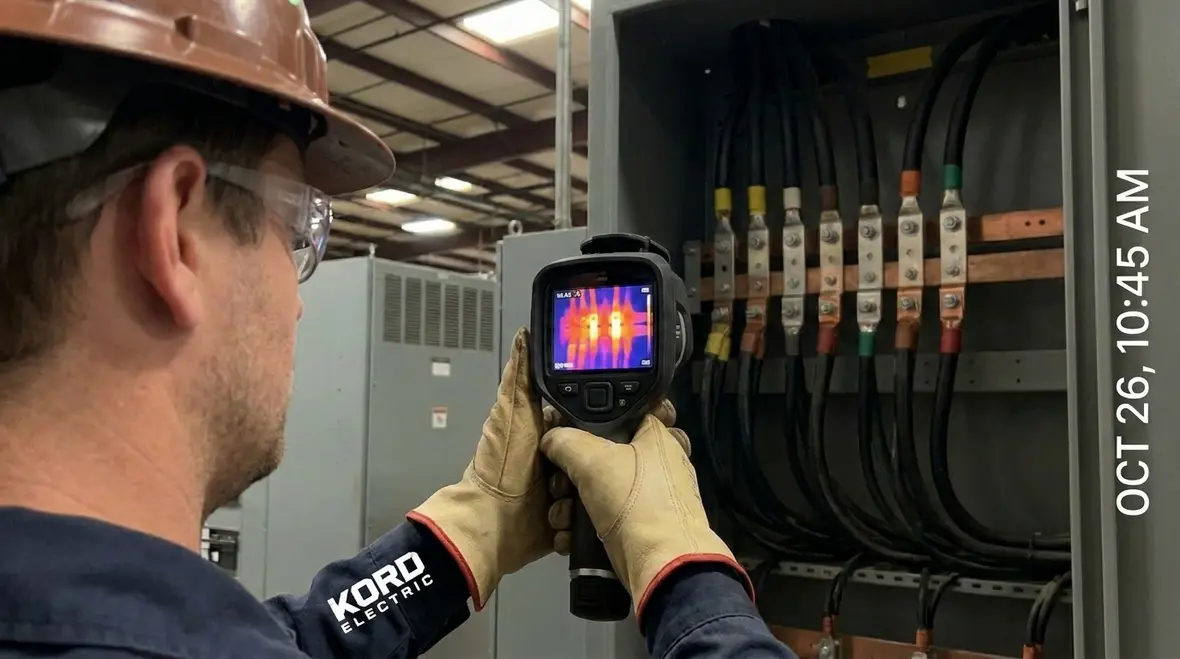
Commercial buildings rarely operate like a textbook. Load changes happen all day. And when power quality drifts, equipment does not just “get annoyed,” it performs poorly or ages faster. At Kord Electric, we pay close attention to how voltage behaves during demand changes, because voltage stability affects nearly every major system.
We also reference our detailed guidance on voltage fluctuations in commercial and industrial environments. You can review our dedicated page at Voltage Fluctuations in Commercial and Industrial Facilities to see how these issues connect to load conditions, equipment stress, and the practical steps we recommend.
When technicians run commercial electrical load testing, we watch for patterns that point to a deeper cause. Then, we use that information to support safe decisions such as targeted repairs, equipment tuning, or coordination with utility supply. In other words, we do not just measure, we connect the dots so the facility understands what needs action.
What Our Technicians Measure and Why It Matters
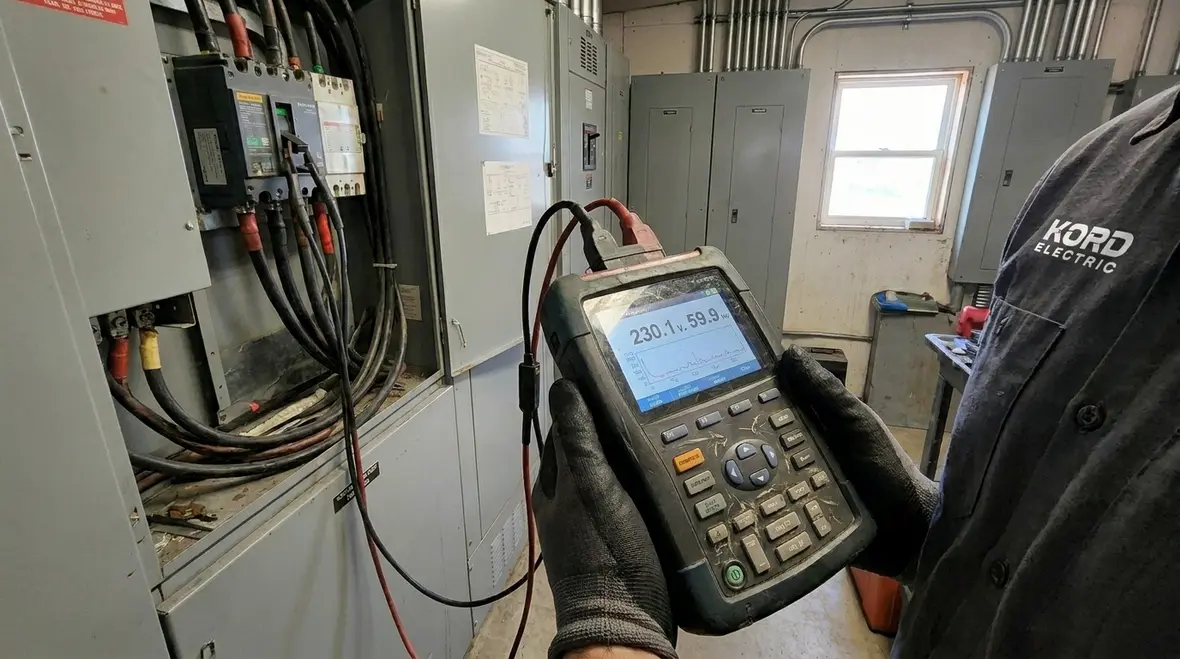
Our expert service staff uses a structured process that stays focused on outcomes, not paperwork. First, we plan the test based on your building profile and operating schedule. Next, we run measurements while loads increase and stabilize. Then, we evaluate results against safe operating expectations and manufacturer guidance where applicable.
We typically measure and verify items that influence safety and performance, such as load balance, voltage response under demand, and system behavior across phases and equipment. We also look for signs of abnormal heating risk by spotting conditions that suggest stress at connections or components.
Afterward, we summarize findings in clear terms for decision makers. We explain what the readings mean, which locations may need attention, and what risks we reduced by running the test. In addition, we align recommendations to commercial and industrial operations, because a facility cannot pause production just for our convenience.
And yes, we keep it business casual. We can talk technical, but we do not bury people in jargon. Your team deserves answers they can use, not a science fair project.
When to Schedule Load Testing for Industrial Operations
Timing matters. If you test too early or too late, you miss the real story your system tells when it runs at actual demand. Therefore, we help others schedule testing around operational realities.
Common triggers include major renovations, new equipment installs, expanded tenant loads, or changes in HVAC and process systems. Also, if you notice recurring trips, flicker, inconsistent motor performance, or nuisance alarms, we recommend testing sooner rather than later. Even if your facility “feels fine,” load behavior can still reveal hidden stress.
We also consider periodic safety and maintenance planning. When you treat load testing like a one-time event, you miss how equipment aging shifts behavior. Instead, we encourage a repeatable schedule that matches your risk level and operating demands. That way, we protect safety while you plan budgets with fewer surprises.
How We Deliver Results and Next Steps
Our goal stays simple: we help commercial and industrial facilities stay safe and keep operations moving. After testing, we share a summary that highlights what we found and what it means. Then, we propose next steps that fit your site, your timeline, and your budget.
Sometimes, the right move is focused troubleshooting of specific connections or equipment. Other times, we recommend system tuning or coordination with the utility and supporting infrastructure. Either way, we do not stop at “here is what happened.” We help others move forward with actionable guidance.
To make this easy to digest, we can present findings in a structured way for facility managers and operations teams. Then, we align recommendations with safety priorities first. Because we do business like adults, not like every hero in a movie who fixes everything with one magic wrench.
For facilities that want to pair testing with a broader strategy, our electrical preventive maintenance services help keep critical systems reliable between major assessments.
Dual Column Overview: Load Testing Outputs and Safety Impact
|
What we evaluate
|
Why it matters
|
FAQ
Commercial Electrical Load Testing: Safety Results You Can Act On
When we run commercial electrical load testing for your facility, we help you prevent problems instead of reacting to them. Our technicians and expert service staff measure what matters, explain the results clearly, and guide next steps that fit commercial and industrial operations. If your building runs hard, changes often, or depends on motors and controls, you need confidence that your electrical system can handle real demand.
For facilities that want a broader strategy around reliability and uptime, our electrical preventive maintenance programs and emergency electrical services work alongside commercial electrical load testing to reduce unplanned outages and protect critical equipment.
Contact Kord Electric today to schedule an assessment and protect your operations from avoidable electrical risk.