Commercial Electrical Load Testing for Safety
Commercial Electrical Load Testing: Why Safety Starts Under Real Conditions
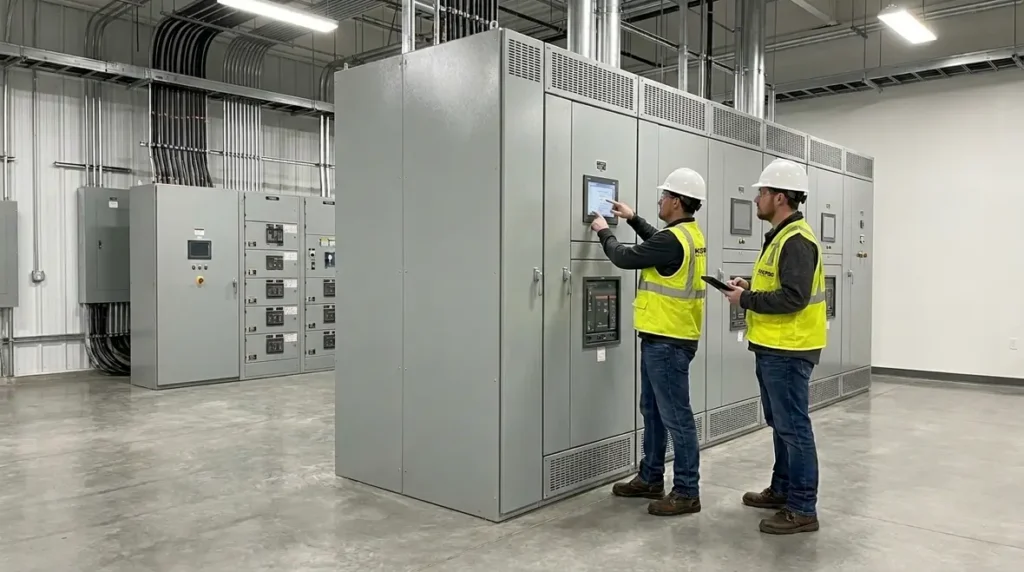
At Kord Electric, we treat commercial electrical load testing like a smart safety check, not a box on a checklist. In the first moments, we test how electrical systems behave when real equipment is running, because theory is nice, but heat, voltage drop, and stressed circuits are the truth. And yes, we know the joke people make: “If it turns on, it must be fine.” That logic has the lifespan of a cheap lightbulb.
In commercial and industrial facilities, safety depends on steady power, correct protection, and predictable performance. Therefore, our team steps in before problems grow teeth. We explain what we see, we document results, and we help owners keep operations safe, compliant, and efficient. You will see that in every phase of our work.
How Load Testing Prevents Hidden Hazards in Business Power Systems
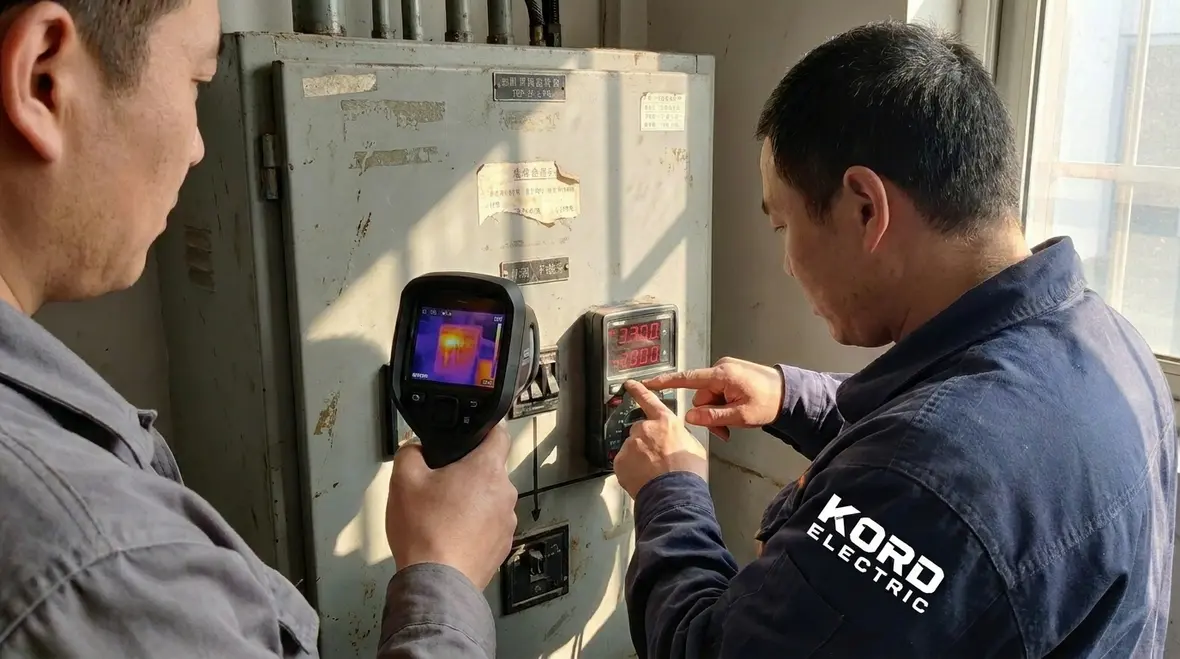
When commercial facilities run, they do not run at a gentle pace. They cycle motors, HVAC equipment, pumps, lighting, and production loads. As load rises and shifts, electrical components take on stress. Then, tiny issues turn into real risks. For example, poor connections can create hot spots. Overloaded feeders can cause nuisance trips, which owners blame on “bad luck” instead of evidence. Meanwhile, insulation breakdown can creep along quietly until a failure costs more than the test ever would.
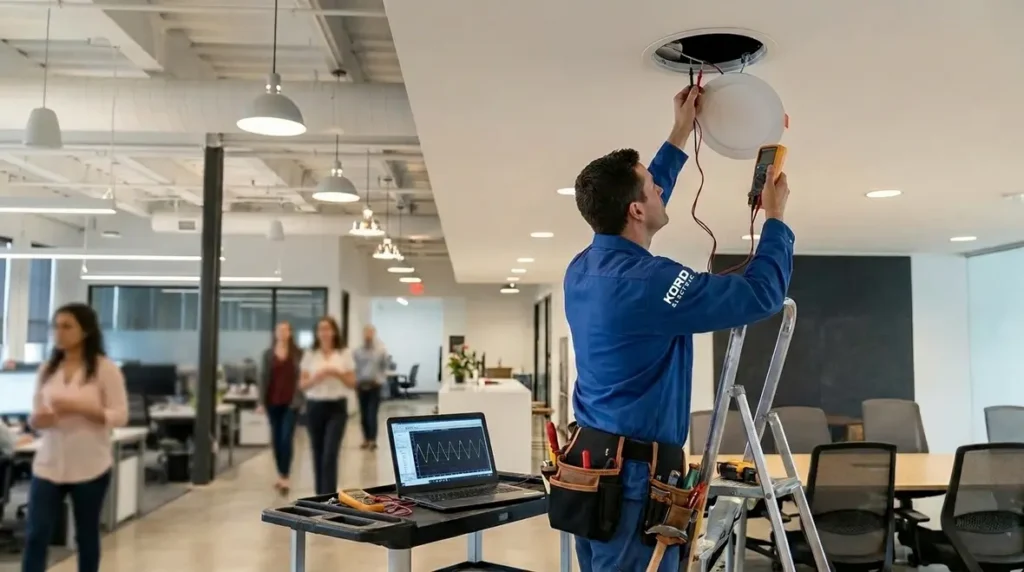
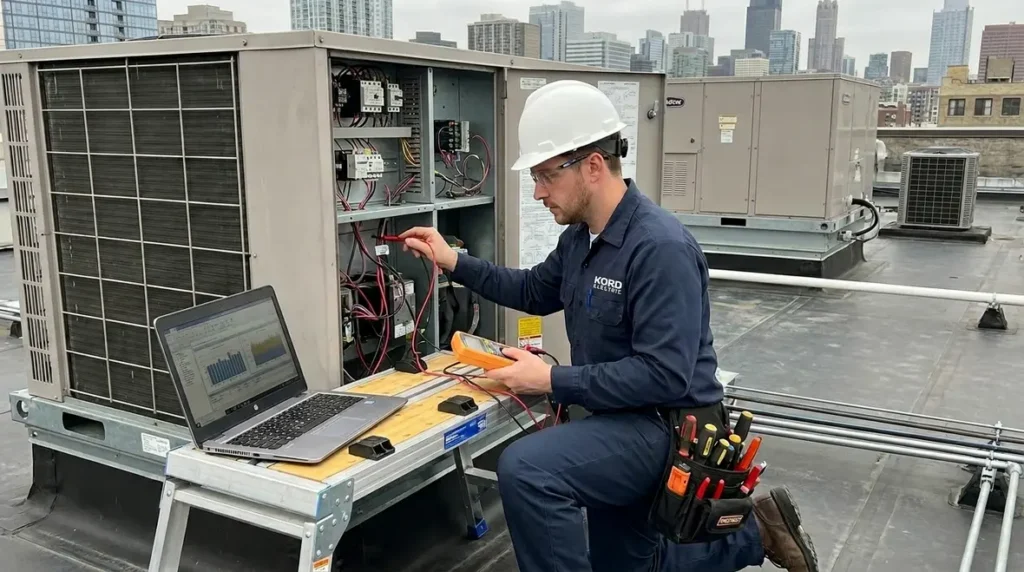
Load testing verifies that the system delivers expected voltage and current while under demand. In other words, we make the electrical system do its job the way your facility does. As a result, we find weak links early, before they lead to arc flash risk, fire hazards, or downtime.
We also understand that electrical hazards do not announce themselves with a drumroll. They show up as inconsistent performance, scorching smells from panels, or breakers that trip “just sometimes.” Our technicians, and our experienced service staff, explain the findings in plain business terms, so decision makers do not need to learn transformer magic on the fly.
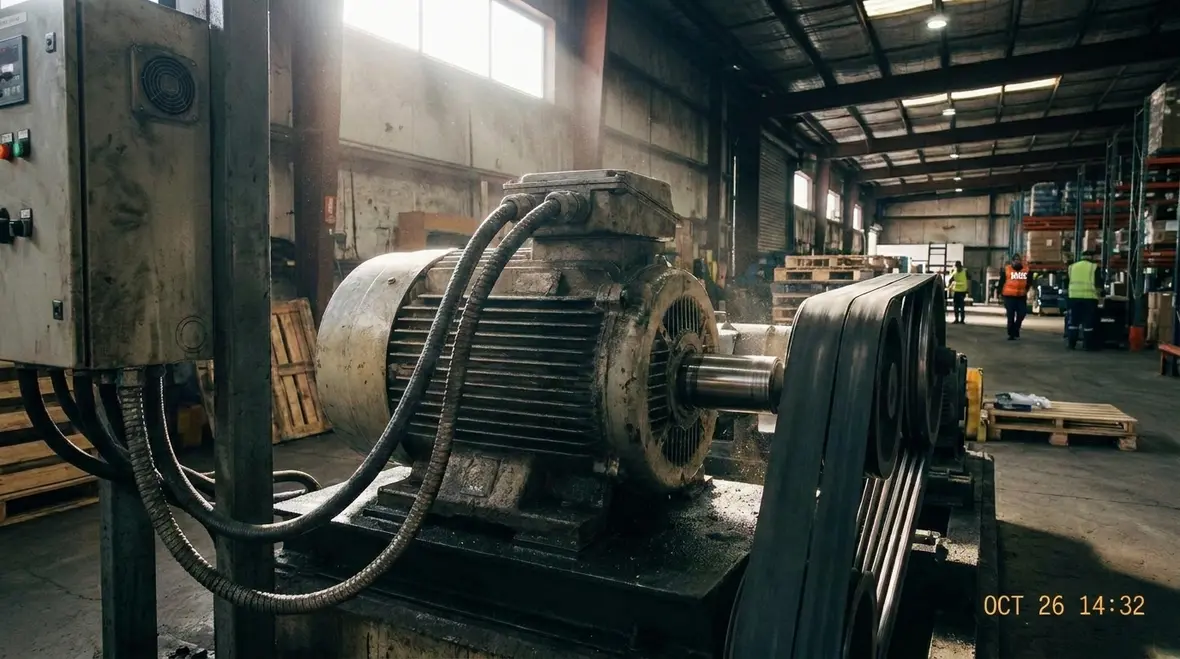
What Our Technicians Measure During Commercial and Industrial Load Checks
Our approach stays practical and repeatable. First, we review available system details such as one line diagrams, breaker sizing, equipment ratings, and load schedules. Next, we plan test conditions based on how the facility actually operates. Then we run tests and observe behavior under realistic load profiles.
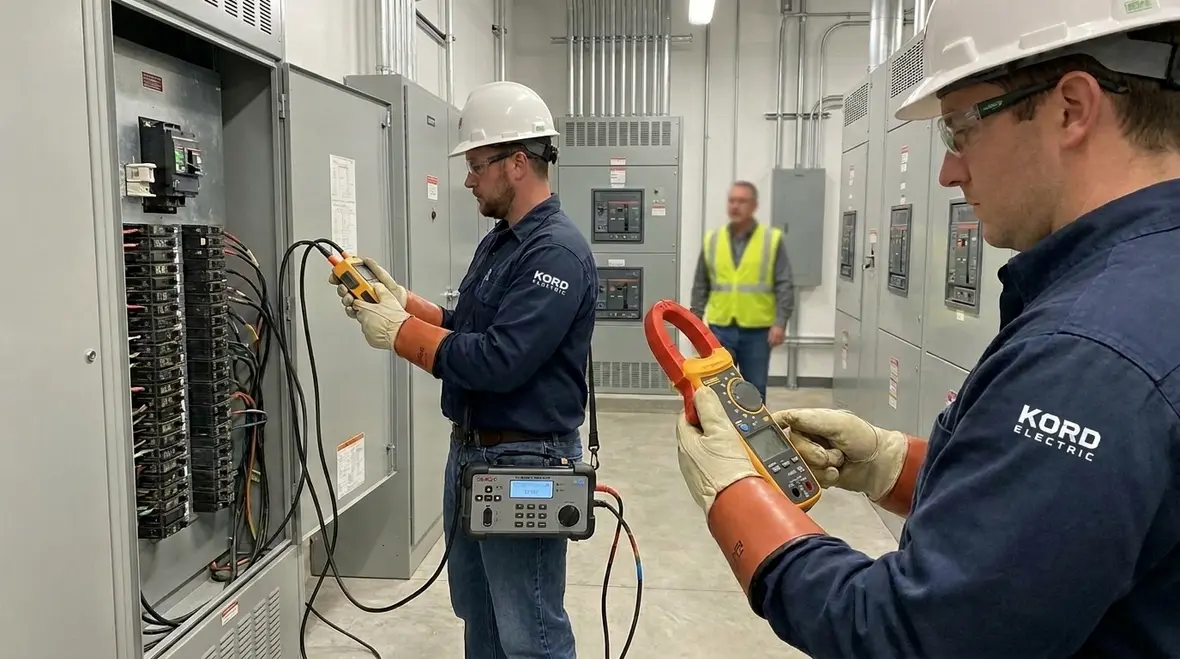
During commercial electrical load testing, we typically assess voltage stability, current draw, and load balance across phases. We also look at the response of protective devices. If the system includes critical loads, we pay special attention to whether performance stays within expected limits. If there are signs of imbalance, we trace the cause rather than guess.
Our technicians do not just collect numbers. They connect those numbers to real-world risk. For example, a voltage drop that seems minor on paper can increase motor current and reduce equipment life. Additionally, phase imbalance can create overheating in motors and panels. Therefore, we translate test results into safety and maintenance actions.
And if you are thinking, “Is this like a treadmill stress test for my building?” Yes, except your building does not get tired, it just runs until the truth shows up.
Voltage Fluctuations: The Ripple Effect on Equipment, Safety, and Uptime
We often see that load testing and voltage issues travel together. When voltage fluctuates, equipment performance changes. Some devices pull higher current. Others heat faster. Sensors may behave oddly. Then operations lose time, and maintenance gets blamed for issues it did not create.
In commercial and industrial environments, voltage fluctuations can come from many sources such as load imbalance, loose connections, aging components, or utility supply instability. Fortunately, we can evaluate how your system responds. We also reference industry guidance and local observations from our own technical resources, including our page on voltage fluctuations for commercial and industrial facilities.
After we review voltage behavior under load, we help you decide what matters most. Maybe the issue lives in distribution panels. Maybe it sits at a transformer. Or maybe the feeders are not matching the true load pattern. Either way, our service team helps owners prioritize fixes that reduce risk first, then improve performance.
Because here is the part everyone learns the hard way: “stable enough” power can still wear down systems. And when the equipment finally fails, it rarely fails politely. It fails during a critical shift, on a day when everyone is already stressed. We would like to help you avoid that sequel.
Building Codes, Insurance, and Liability: Why Testing Protects More Than Wires
Safety is not only about avoiding shocks and fires. It also includes documentation, compliance, and risk management. Many stakeholders, including facility managers, corporate safety teams, and insurers, care about proof that electrical systems have been evaluated under realistic conditions.
When we perform load testing for commercial and industrial properties, we help you build a clear record of system performance. That record supports maintenance planning and helps show due diligence. Moreover, it can reduce confusion during audits or incident investigations. Instead of debating what “might have happened,” you have actual measurements tied to the equipment operating conditions.
Our technicians also explain how findings affect recommended actions. So, when others ask why we suggest repairs or recalibration, you are not left guessing. You can point to test data and to the direct safety implications.
In business, you do not want to win arguments. You want to prevent emergencies. Load testing supports prevention, and prevention is the cheapest form of protection that still counts.
Choosing the Right Load Testing Service for Your Facility
Not every testing plan fits every building. Commercial and industrial facilities use different equipment, have different load schedules, and face different risks. Therefore, we help you choose a testing scope that matches your operational reality.
We start by working through your facility needs. Then we confirm the system type, the available access, and the points of measurement. After that, we schedule testing to minimize disruption. We also coordinate with your team so operations stay intact.
Next, we focus on clear reporting. You get results that support decisions, not just a stack of numbers. Our service staff explains what we found, what it means, and what steps help reduce safety risk. Additionally, we outline how to address immediate concerns and how to plan follow-up work.
If a provider promises one universal test with no facility review, you should pause. Your building is not a cookie cutter. It is more like a custom kitchen where every appliance runs at different times. And if someone tells us they can fix that with a generic approach, well, we would call that comedy. Not the good kind.
FAQ
Commercial Electrical Load Testing as a Safety and Uptime Investment
Commercial and industrial facilities run on power that must stay dependable. When we perform commercial electrical load testing, we help you confirm system performance under real operating conditions. Then we identify risks early, document findings for accountability, and recommend actions that protect people and equipment. Our technicians explain results clearly, so your team can make confident decisions. If you want safer electrical systems and fewer surprise outages, contact Kord Electric today and let us plan the right testing for your facility.
If you are building out a broader reliability strategy, you can also explore how we handle electrical preventive maintenance for commercial and industrial facilities and how structured programs support the findings uncovered during load testing.
For sites where power quality issues are already affecting lighting, motors, or EV charging infrastructure, reviewing our dedicated page on voltage fluctuations in commercial and industrial facilities can help you connect test results with corrective projects that stabilize the system long term.
And when electrical issues move from “concerning” to “urgent,” our emergency electrical services for commercial and industrial properties give you a 24/7 path to fast, code-compliant response backed by technicians who already understand complex facility power systems.