Commercial Electrical Load Testing for Safety
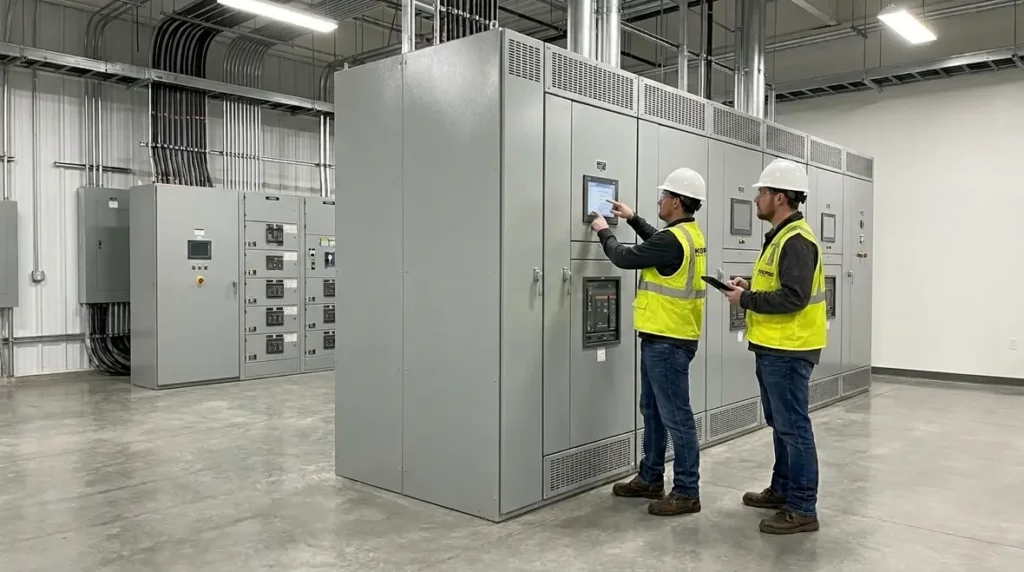
At Kord Electric, we handle commercial electrical load testing for commercial and industrial facilities and major property buildings, because safety should not be a guessing game. We send our technicians and expert service staff to verify how electrical systems behave when real loads show up, not when everything is quiet and comfortable. In other words, we check what your power system does under pressure, because the truth usually arrives after hours, during peak demand, or right when someone says, “It’s probably fine.” And that is exactly when we want answers, with calm confidence and measurable data.
Why commercial electrical load testing prevents risky failures
Electrical systems in commercial and industrial buildings do not fail politely. They fail quietly at first, then loudly later, like a pop quiz you forgot existed. As equipment ages, connections loosen, insulation weakens, and breakers can lose accuracy. Commercial electrical load testing helps us spot those issues early by applying controlled load conditions and capturing performance results.
First, we look at how voltage, current, and power balance respond during load. Then we interpret the patterns. If load causes unusual voltage drop or abnormal current draw, we investigate the likely cause, such as overloaded circuits, ineffective grounding, or problems at terminations. Additionally, we compare the data to expected behavior so our clients can plan repairs instead of reacting to outages.
It is not about being dramatic. It is about being accurate. When you test with real conditions, you reduce the chance of hidden overheating, nuisance tripping, and motor stress that can shorten equipment life. And since major property buildings often run many critical loads at once, the stakes are higher and the margin for error is smaller.
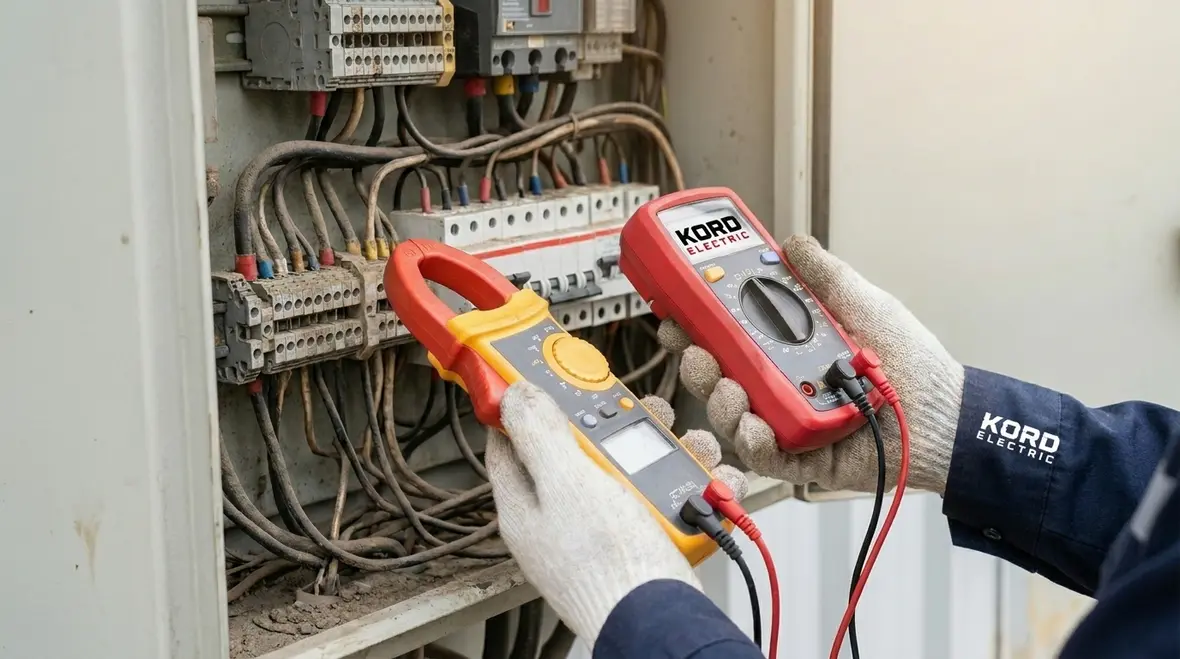
What we measure during load testing, and why it matters
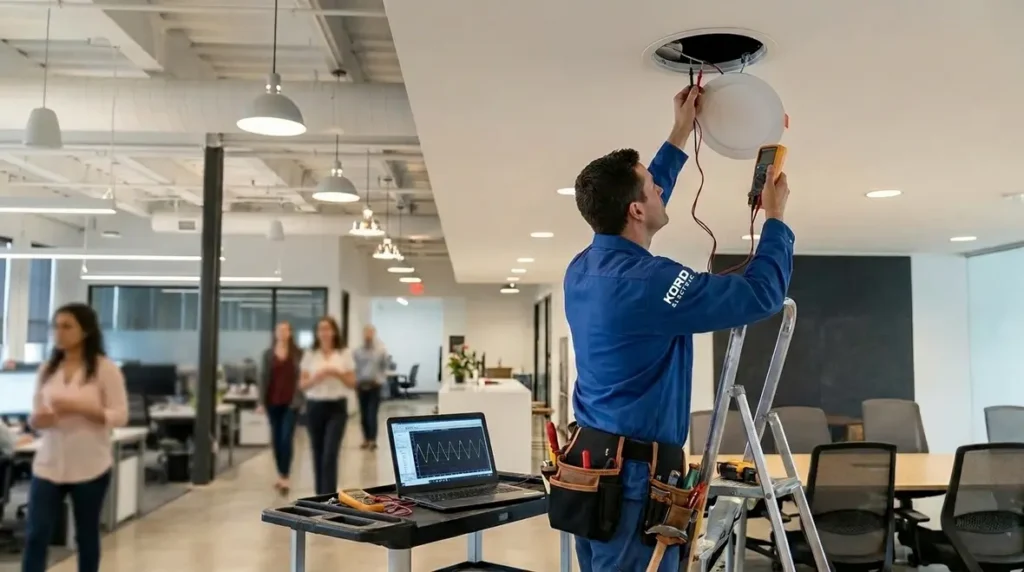
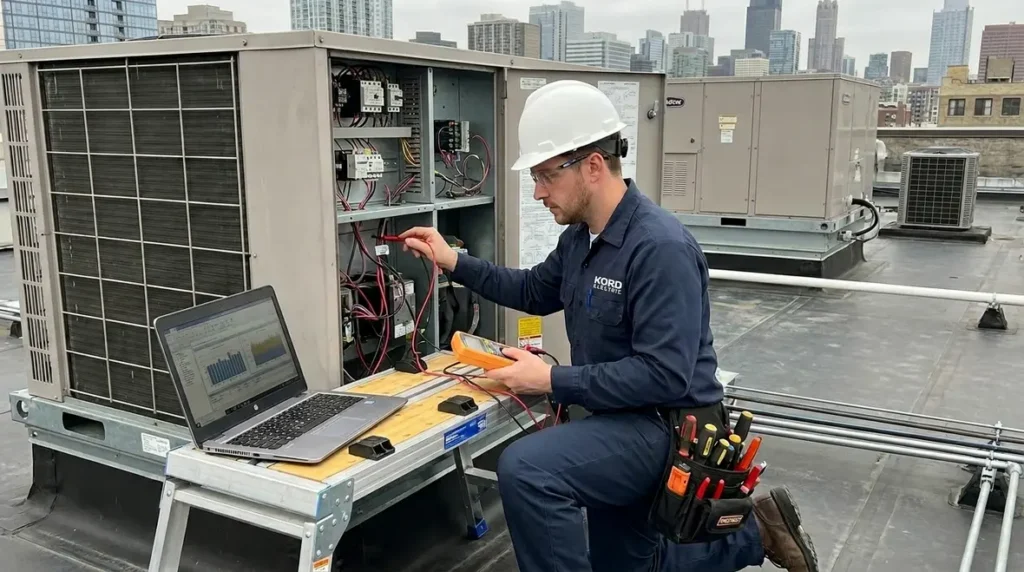
To deliver real value, we collect measurements that map directly to safety and reliability. Our expert service staff explains each step in plain terms, because clarity builds trust and reduces panic later. We do not just take readings and walk away. We also connect the dots between electrical performance and the risks that follow.
Here is what we commonly evaluate during our commercial and industrial work:
- Voltage stability under load, so we can see if equipment gets stressed by dips and sags
- Current draw, so we can detect overload conditions or imbalanced phases
- Power factor and demand behavior, which helps identify inefficient or failing equipment patterns
- Temperature and heating risk indicators, since poor connections and worn conductors show symptoms before they show smoke
- Grounding and bonding performance, because safety pathways must work when faults happen
Moreover, we look at how the building loads change through the operating cycle. So instead of testing once and calling it a day, we coordinate timing with facility schedules when possible. That way, the test results reflect the way the building actually runs, not the way it runs on paper.
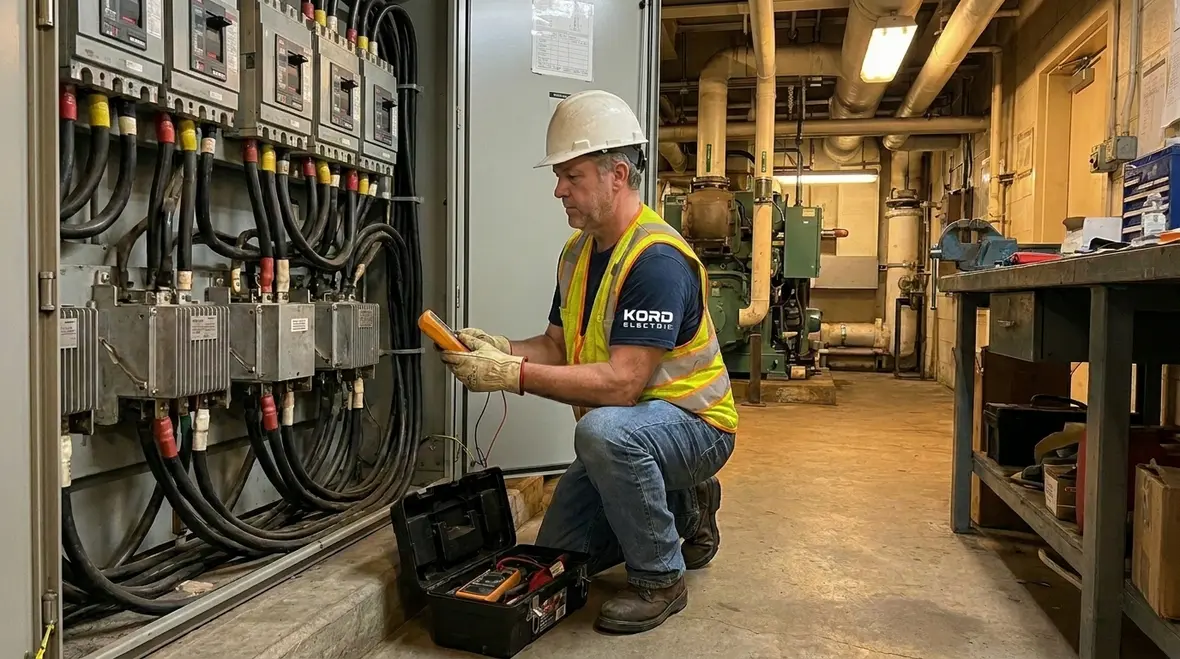
How voltage fluctuations connect to safety in major buildings
Voltage is the heartbeat of your electrical system. When it swings beyond safe ranges, equipment does not always fail instantly. Instead, it gets stressed, consumes more current, and degrades faster. Over time, that can lead to breaker wear, motor damage, and premature failure of sensitive controls.
In fact, our guidance on voltage fluctuations for commercial and industrial environments highlights the real-world impacts of unstable voltage, including how it can affect performance, protection settings, and connected equipment. When voltage fluctuates, even if it still “works,” it can still create risk. For example, a motor starting under low voltage can draw higher current and heat more than expected. Then a few weeks later, a maintenance tech wonders why a component failed early. They will not say it like that, but you can hear the confusion in their voice.
Therefore, when we perform load testing, we also pay attention to how voltage behaves as demand changes. This helps us separate normal variations from harmful ones. Then we recommend actions that reduce the chance of unsafe conditions and performance surprises. To explore this topic further, many facility managers also review our dedicated resource on voltage fluctuations in commercial and industrial facilities and how we address instability at the source.
How our technicians use a clear testing process
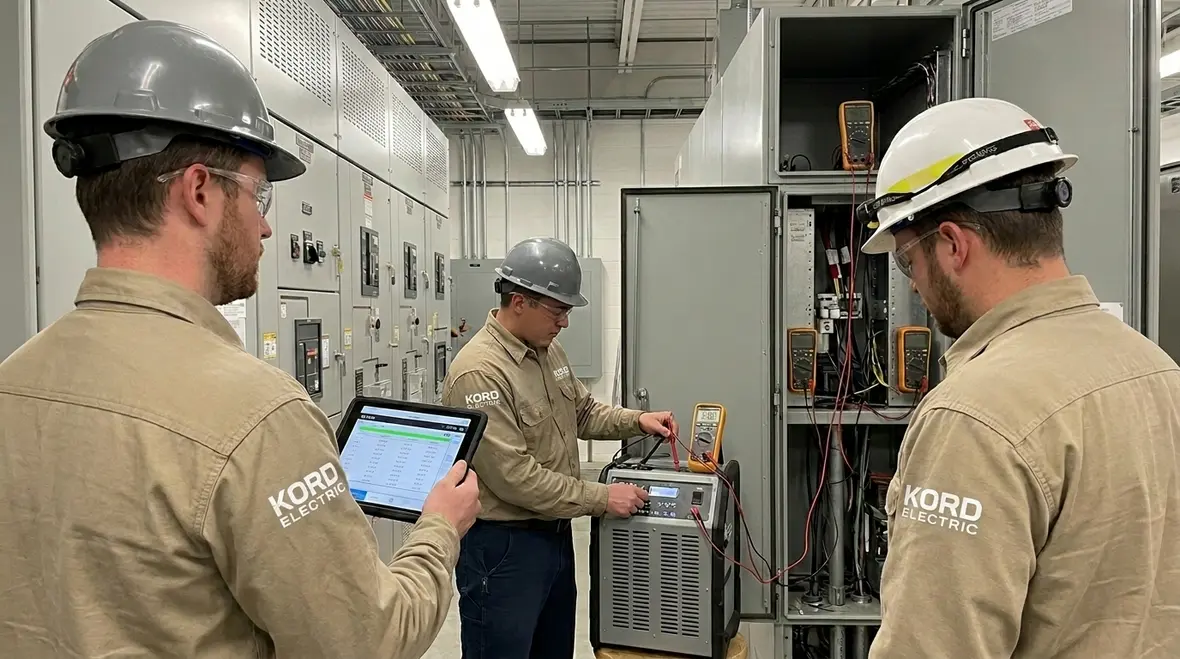
Commercial and industrial electrical load testing should feel structured, not chaotic. We build the process around safety, communication, and repeatable results. Our technicians and expert service staff explain what they are doing, why they are doing it, and what we expect to see. That matters because facilities teams often handle tight schedules and high expectations.
Typically, our flow looks like this:
- Pre test review of one line diagrams, equipment list, and recent electrical history
- On site planning to coordinate with building operations and confirm safe access points
- Controlled load application so we test at meaningful operating conditions
- Measurement and verification with careful data logging and checks for consistency
- Results interpretation that focuses on safety, reliability, and next steps
- Action recommendations that target the root cause, not just the symptom
In addition, we keep facility managers in the loop. We do not bury details in jargon. If we see an imbalance, we say so. If we see a likely overheating risk, we explain what it means for the building. And if everything looks stable, we still document it, because “nothing broke” should never be the only evidence.
And yes, we try to keep interruptions low. We know your building does not stop because our meters show up. Our team plans like professionals, not like people who think electricity runs on good vibes.
Common risks we help facilities avoid
When commercial and industrial systems run for months and years, small problems can stack up. As a result, what starts as a mild issue can become a safety concern. Through commercial electrical load testing and related evaluations, we help prevent risks that commonly show up in real facilities.
Here are the issues we watch for most often:
- Overheating at connections due to loose terminations, corrosion, or poor contact pressure
- Uneven phase loading that strains equipment and can lead to nuisance trips
- Undetected overload conditions that wear motors and power supplies faster
- Voltage drop under demand that stresses drives, HVAC controls, and production equipment
- Protection setting mismatches where protective devices do not respond the way they should
Furthermore, we help clients connect electrical problems to operational impact. For example, if your production line experiences slowdowns, inconsistent performance, or unexpected shutdowns, electrical stress can play a role. Load testing gives us the evidence to support a proper repair plan.
Ultimately, our goal is simple. We reduce the chance of unsafe conditions and unplanned downtime in commercial and industrial buildings and major property facilities.
How often should a building schedule load testing
Scheduling depends on equipment age, operating patterns, and the facility’s risk profile. Still, many commercial and industrial buildings benefit from regular testing intervals, especially when system changes occur. Whenever you add major loads, update panels, replace switchgear, or modify production schedules, we recommend reassessing how the system handles demand.
Also, we consider the signals that suggest testing sooner. Those signals can include frequent breaker trips, recurring equipment faults, visible wear at electrical enclosures, or complaints about power quality. If voltage fluctuates in ways that affect equipment performance, we do not wait for a failure event. We test so we can guide safer decisions.
Our expert service staff can help define a practical schedule based on the building’s needs. We focus on safety outcomes, not checklists for the sake of paperwork. After all, a test without a plan is like a fire drill that happens after the building already caught fire.
FAQ: commercial electrical load testing
Request a safer testing plan from Kord Electric
If your commercial or industrial facility relies on continuous operation, do not gamble with electrical safety. Kord Electric provides commercial electrical load testing with clear communication, careful measurements, and practical recommendations. Our technicians and expert service staff help you understand what your system does under load, so you can reduce risk, protect equipment, and plan repairs with confidence.
For facilities that want to go beyond testing and move into structured reliability programs, our electrical preventive maintenance services give commercial and industrial buildings a long-term plan for inspections, documentation, and targeted improvements.
Kord Electric also supports urgent situations when issues appear suddenly. Pairing planned commercial electrical load testing with responsive emergency electrical services helps facilities manage both proactive and reactive needs without guesswork.
Contact us today to schedule an assessment for your building and get a plan that supports reliable, safe operations.