Commercial Electrical Load Testing for Safety
Commercial Electrical Load Testing: The Safety Check Your Facility Earns
Commercial electrical load testing is how we confirm a building’s electrical system can handle real work, not just theoretical math. At Kord Electric, we send our trained technicians into commercial and industrial facilities and major property buildings to measure performance under load, spot hidden weaknesses, and prevent problems before they escalate. After all, electricity does not care about your weekend plans, your warranty, or how confident the last inspection report sounded. And yes, we have heard the classic line: “It’s fine, it’s always been fine.” Sometimes that’s true. Sometimes it is not, and the bill shows up later like an uninvited guest from a sitcom you cannot escape.
In the sections below, we explain why load testing matters for safety, how our expert service staff explains findings in plain language, and what facility owners can do to stay ahead of risk without disrupting operations.
Why load testing keeps people safe in commercial spaces

In a commercial and industrial environment, electrical systems do not sit still. They cycle. They heat up. They carry changing loads from HVAC, lighting, pumps, production equipment, and office technology. Over time, insulation ages, connections loosen, and components drift out of spec. Even when voltages look normal at first glance, the system can still fail under stress.
When we perform commercial electrical load testing, we evaluate the way the system behaves while power flows at the levels it actually experiences. As a result, we reduce the chance of overheating at terminations, arcing at weak points, and nuisance trips that can shut down critical processes. More importantly, we identify conditions that can lead to shock hazards and fire risk.
Our technicians do not just push numbers into a spreadsheet. They interpret the results like a seasoned foreman, because safety is not a single measurement. It is a pattern. And it is also the difference between “we think” and “we know.”
What our expert technicians measure during real-world testing
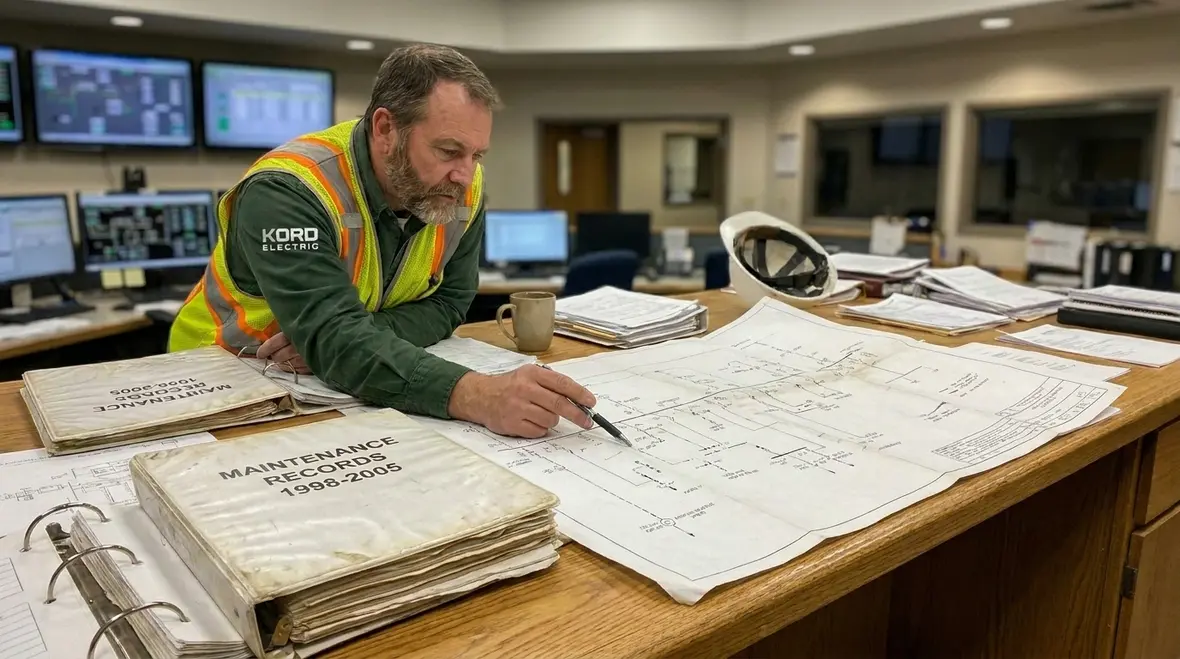
We treat load testing as a controlled, methodical process. First, our service staff reviews the building’s electrical one line diagrams, historical maintenance records, and the actual operating schedule. Then we plan the test so it matches the facility’s daily reality. That way, the data reflects the load the system truly carries.
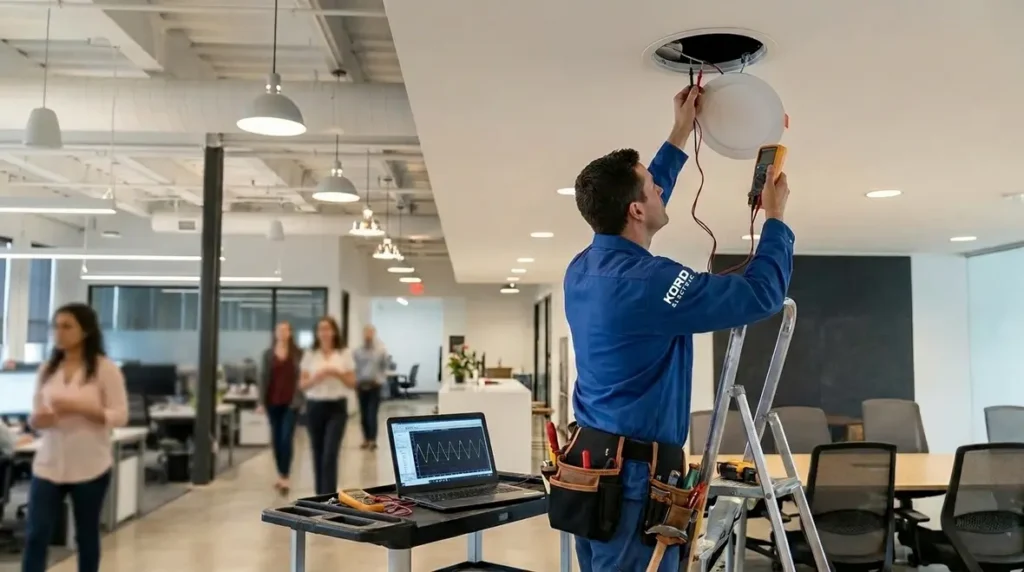
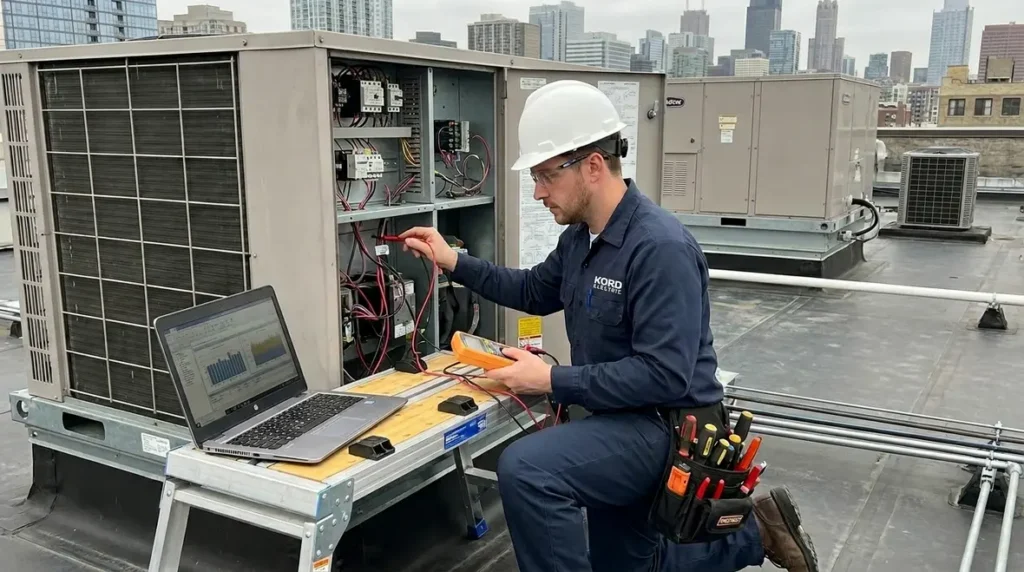
Next, our technicians perform key evaluations that typically include monitoring voltage stability, current draw, power factor, and temperature related indicators where applicable. We also examine how the system responds under load across panels and feeders, not just at a single point. This helps us catch imbalances and weak links that can hide when the load is light.
Finally, we document findings with clear recommendations. If a component shows stress patterns, we explain what it means for the facility, what to address first, and how to reduce risk. We keep the tone business casual and the explanations calm, because facility managers already have plenty on their plate. Electricity is one of those things that should not require panic.
How voltage behavior connects to load safety
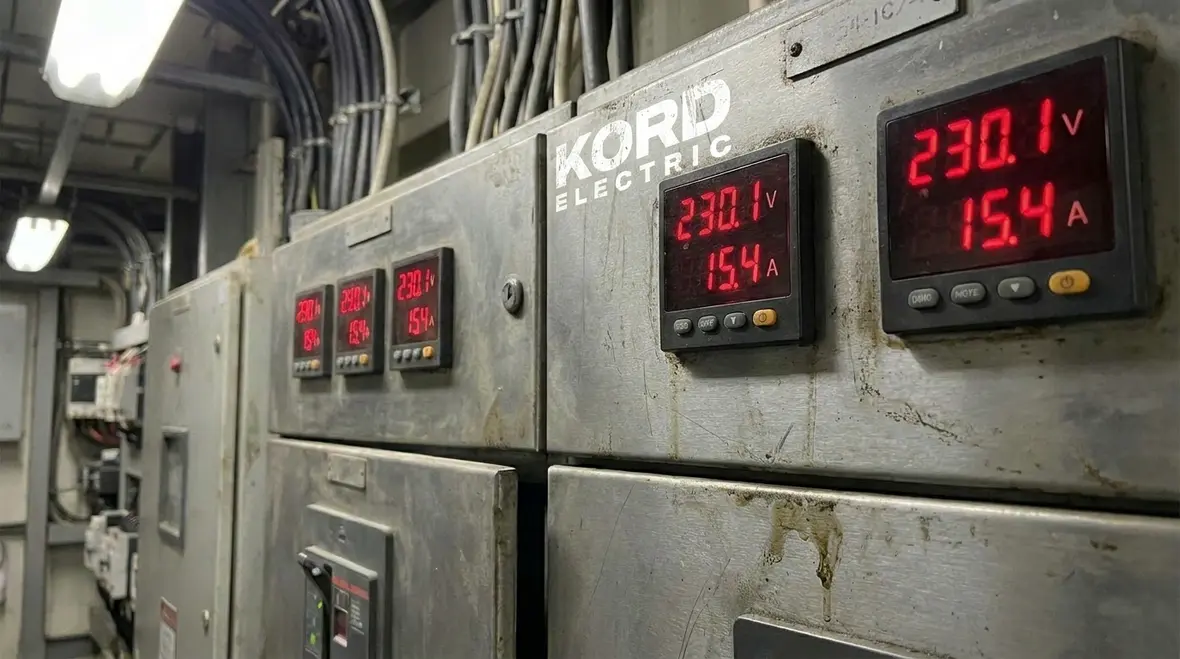
Commercial buildings and industrial properties often deal with voltage fluctuations caused by load changes, generator switching, long feeder runs, aging distribution gear, and upstream utility effects. Even when the lights stay on, voltage quality can affect motor performance, control systems, and sensitive electronics. And when voltage sags or swells under load, components run hotter and age faster.
At Kord Electric, we connect the dots between load performance and voltage behavior. If the facility experiences significant dips during startup surges or peak usage, that can reveal undersized conductors, strained connections, or protection settings that do not match real conditions. You can see a detailed breakdown of how voltage fluctuations affect commercial and industrial operations on our page: voltage fluctuations in commercial and industrial settings.
In practical terms, we use load testing to confirm whether the electrical system holds steady under demand. Therefore, we reduce the risk of motor overheating, control malfunctions, and repeated equipment failures that quietly drain budgets. We also help teams avoid the “silent damage” problem, where everything seems functional until a critical moment.
Common safety problems load testing can reveal early
We often see issues that do not scream during normal operations, but they show up clearly when the system runs under expected load. Here are examples of what we frequently uncover in commercial electrical inspections paired with load studies:
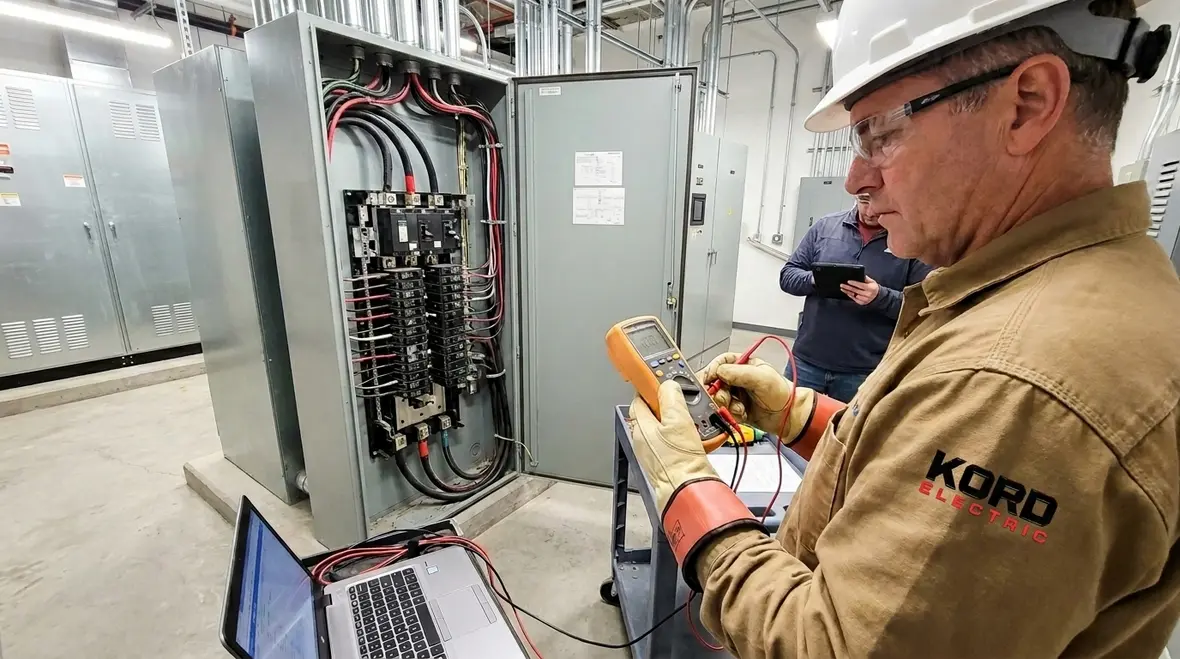
- Loose or oxidized connections at panels, breakers, and bus bars that heat up under current flow.
- Overloaded circuits where the design margin shrinks due to equipment upgrades and added tenants or production lines.
- Imbalanced phases that increase heating and reduce motor efficiency.
- Protection coordination drift where breakers or fuses behave differently than expected during load events.
- Undersized feeders or voltage drop issues that worsen when HVAC and process equipment start at once.
And yes, sometimes we find a problem that explains a mystery outage. Like the time a facility blamed a control system, but our testing showed the real cause was a weak connection that only overheated during a specific load window. The control panel got the blame. The wire got the truth.
Because we focus on commercial and industrial facilities and major property buildings, our approach stays tuned to the realities those sites face, including uptime needs, safety compliance expectations, and the cost of downtime.
Scheduling, compliance, and how we keep your operations moving
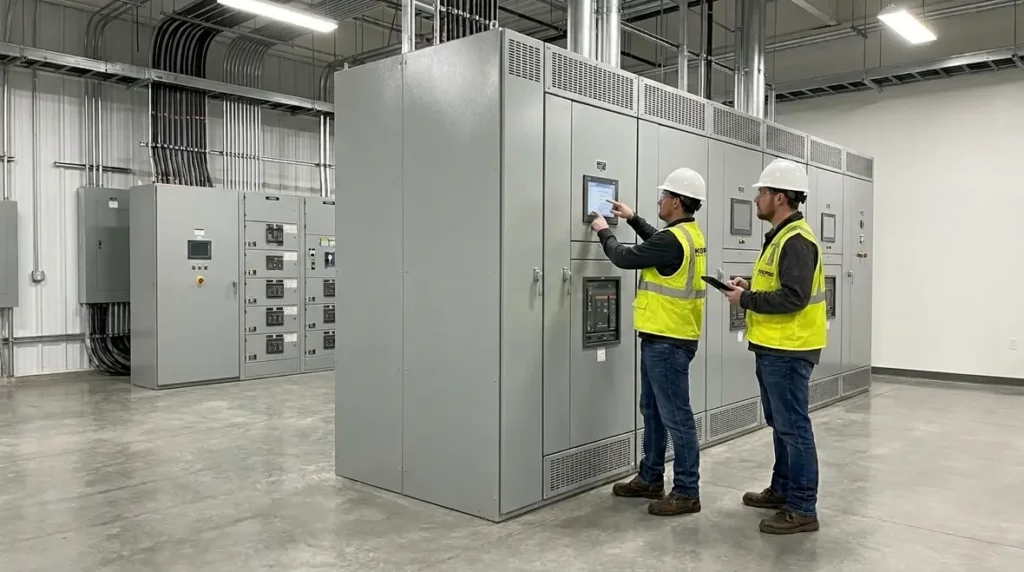
Commercial properties do not pause for electrical curiosity. So we plan testing to fit the facility schedule and minimize disruption. Therefore, our technicians coordinate with facility leadership to identify safe operating windows, confirm access to key panels and switchgear, and verify that any test activities comply with site safety rules.
When we discuss scope, we stay clear about what we will measure, how long the process takes, and what you can expect afterward. We also explain recommended next steps in a way that facility teams can act on without translating technical jargon for a hundred stakeholders.
We also understand that safety and compliance matter in the real world, not just in audits. Load testing supports better maintenance decisions because it provides evidence. It helps owners plan corrective work before conditions turn hazardous.
Transitioning from testing to action should feel manageable. We give you a practical path, and then our expert service staff helps you prioritize repairs so the facility does not keep paying for avoidable risk.
FAQ: Quick answers about load testing for commercial safety
Who benefits most from load testing at Kord Electric
We focus on commercial and industrial facilities and major property buildings because these sites carry complex electrical loads and high expectations for uptime. Owners, property managers, and operations leaders typically face steady growth, equipment changes, and periodic expansions. As those changes pile up, the electrical system can slowly drift away from the “as designed” state.
That is where commercial electrical load testing becomes valuable. It helps leaders protect people and assets, and it reduces the likelihood of repeat failures that disrupt tenants, production, or critical building functions.
Meanwhile, our technicians bring both measurement skill and practical reasoning. They work to make the results actionable. And we keep the process steady, calm, and professional, because the best time to handle risk is before it becomes a headline.
For facilities that want to pair real-world testing with a structured maintenance strategy, it can be helpful to connect your next load study with an ongoing electrical preventive maintenance program. That combination gives your team both the snapshot and the long-term roadmap for safer, more reliable operation.
If your property is already planning broader upgrades—such as lighting improvements, solar integration, or specialized systems—coordinating commercial electrical load testing with services like lighting installation for commercial and industrial facilities or commercial EV charger installation can further reduce downtime and streamline capital projects.
Conclusion: Schedule your next safety focused load test with us
When your facility runs on electricity, safety cannot rely on guesswork. Kord Electric performs commercial electrical load testing for commercial and industrial facilities and major property buildings to confirm real performance under load, reduce overheating risk, and spot voltage related issues early. If you want a clear picture, not vague assurances, we will guide you through scope, measurements, and prioritized recommendations. Contact Kord Electric today to schedule a load testing review and protect your people, your equipment, and your budget.
To see how load testing and voltage stability come together inside a broader maintenance strategy, you can also explore how we support facilities through structured electrical preventive maintenance services that keep commercial and industrial systems safer between major projects.