Commercial Electrical Load Testing for Facility Safety
Why Commercial Electrical Load Testing Keeps Your Facility Safe
At Kord Electric, we start with commercial electrical load testing because it helps us find real problems before they become expensive ones. Our technicians and expert service staff use careful testing to check how electrical systems behave under real-world demand, not just when everything looks fine on paper. In other words, we don’t rely on “it should work,” because electricity loves surprises. And while pop culture says “power is in the people,” in commercial and industrial buildings the power is in the connections.
In this article, we explain why load testing matters for safety, what hazards it helps prevent, and how our process supports major property buildings and industrial facilities. We also cover how voltage issues and system strain show up during operation, especially when a facility runs heavy loads day after day.
Commercial Power and the Hidden Risks Nobody Sees
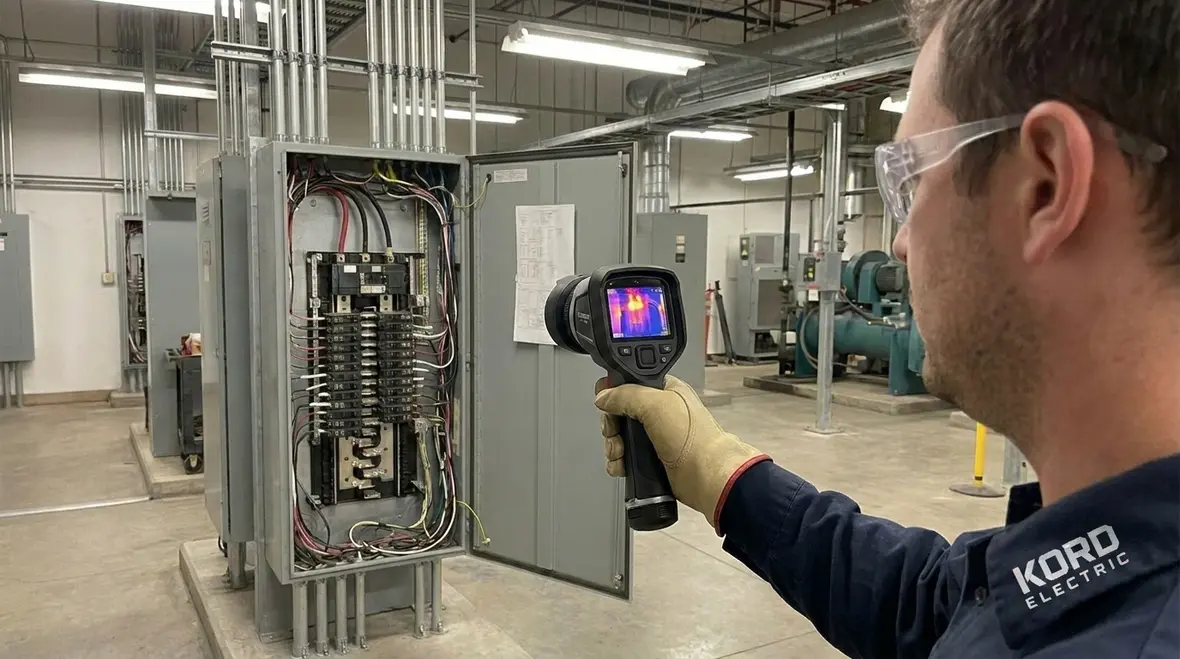
Electrical systems in commercial and industrial settings face constant stress from motors, HVAC systems, pumps, process equipment, refrigeration, and backup generators. As demand changes through the day, the distribution network absorbs heat, vibration, and aging. Over time, that stress can weaken components such as transformers, switchgear, panels, terminations, and bus bars.
However, most facilities do not fail in a neat, dramatic way. Instead, they show early warning signs like higher operating temperatures, nuisance trips, intermittent voltage drops, or soft buzzing sounds near load centers. Therefore, the safety risk is often gradual and easy to miss. Yet, if we catch the problem later, it can mean arc flash exposure, damaged equipment, or shutdown during peak business hours.
That is why we treat load testing as a safety tool, not just a performance check. When our team performs a proper commercial electrical load testing approach, we verify that components can handle real loads without overheating, excessive voltage sag, or unstable operation.
Hidden electrical stress in everyday operations
In many major property buildings and industrial facilities, electrical infrastructure was designed for one kind of usage but now supports an entirely different reality. New production lines, expanded server rooms, additional HVAC capacity, and tenant improvements all stack onto the same backbone. That backbone may not complain loudly at first, but it does keep the score in heat, wear, and gradual deterioration.
How Load Testing Stops Overheating and Arc Flash Hazards
Heat buildup is a silent thief in commercial facilities. Loose connections, worn terminations, or failing insulation can increase resistance. When resistance increases, current creates more heat, and that heat accelerates deterioration. Consequently, you get a cycle where the electrical system becomes less stable as time passes.
Meanwhile, arc flash risk grows when equipment degrades or when protective devices do not behave as designed. We know that protective coordination depends on actual system conditions. If the system voltage fluctuates or if loads pull current in unexpected ways, the protective device response can shift, which changes the energy released during a fault.
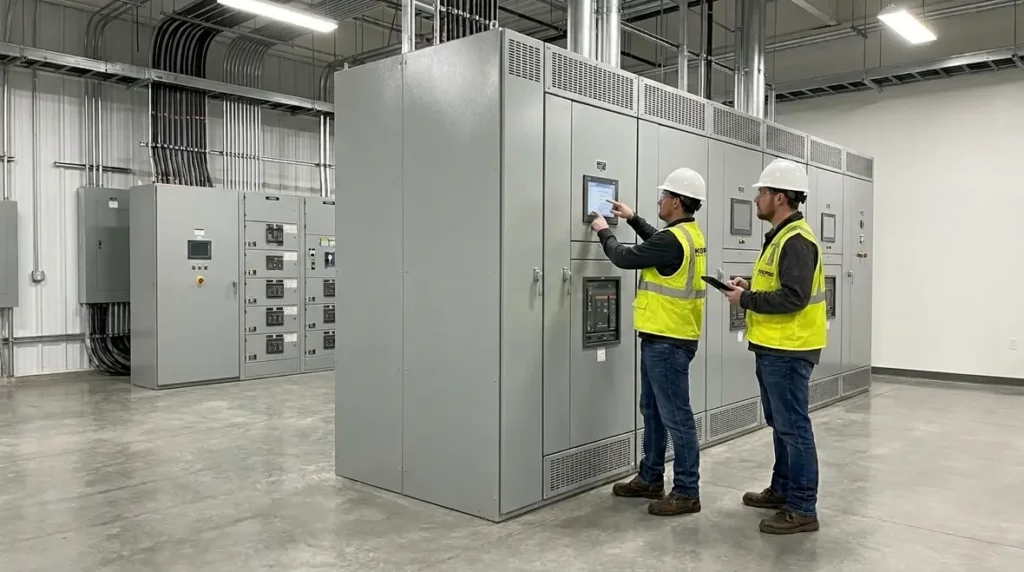
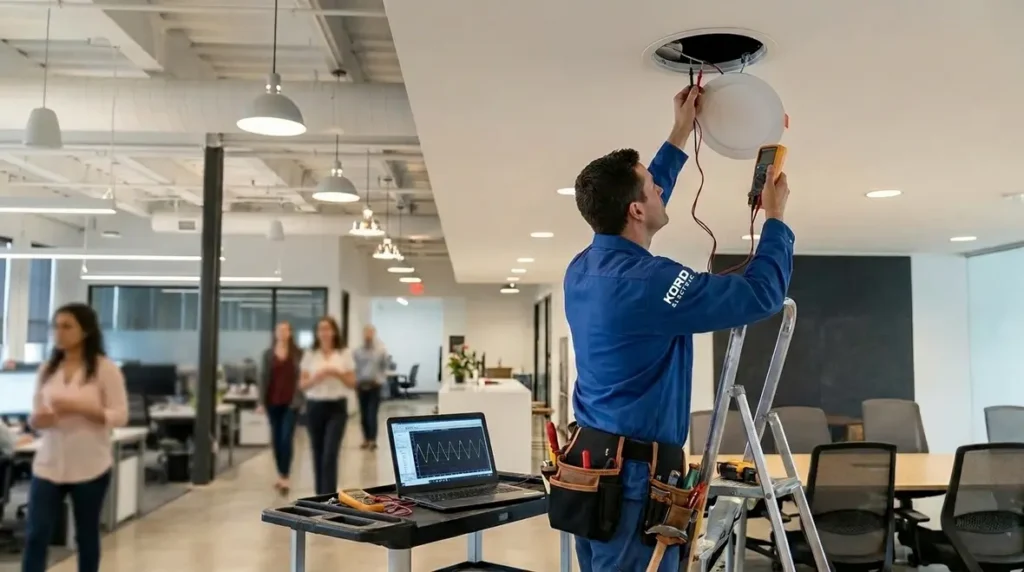
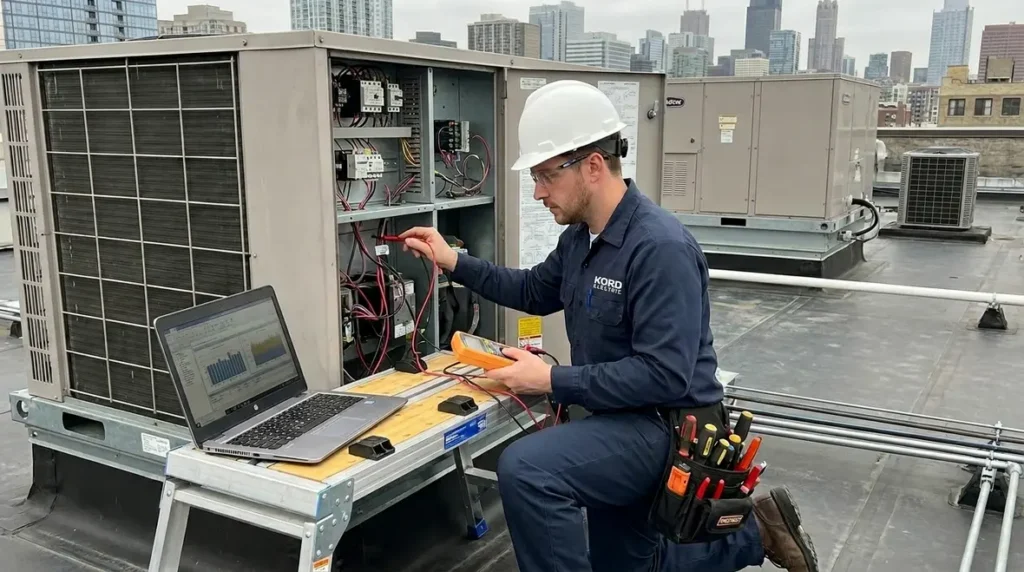
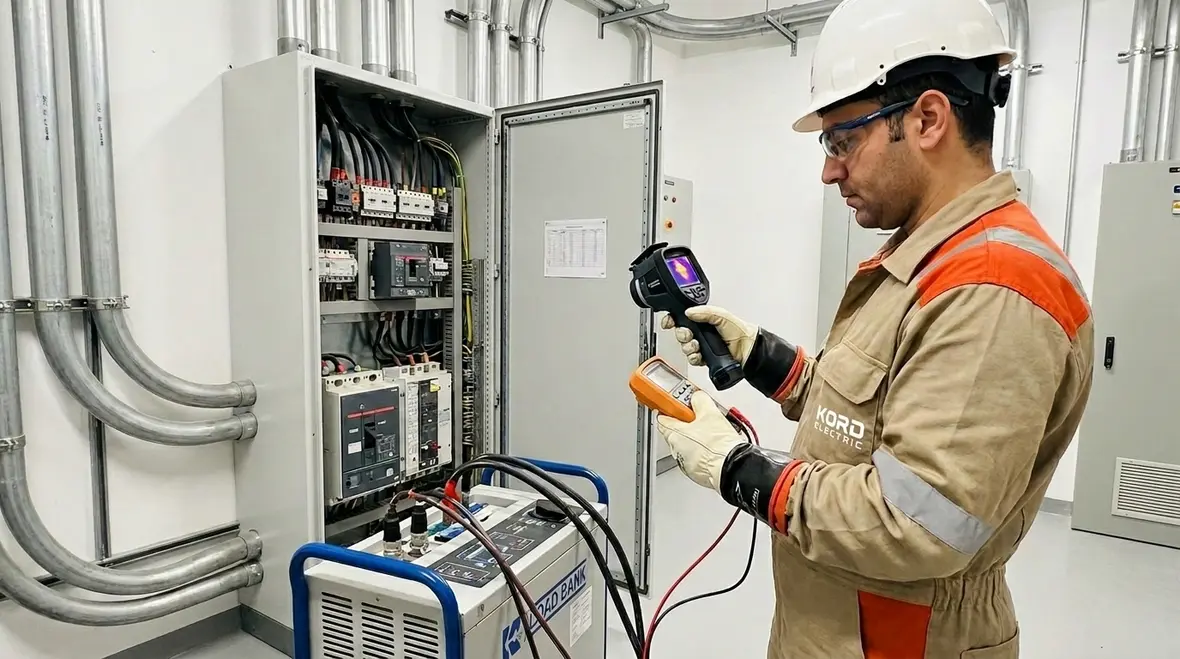
Our technicians use testing to measure load profiles, evaluate current draw across key circuits, and observe system response during load changes. Then, we help identify where the equipment strains before it reaches a dangerous state. In that sense, we don’t just test the building. We validate the building’s electrical health under pressure.
And yes, arc flash is not a “wait and see” situation. Electricity has no sense of humor, even when the rest of the building has Wi-Fi and a snack machine.
From warm spots to real risks
A panel that runs “a little warm” under load, a breaker that trips occasionally, or cables that hum or buzz under peak demand are not quirks to ignore. They are indicators that something in the system is working harder than it should. Commercial electrical load testing gives those signals context by pairing them with real numbers: amperage, voltage, temperature trends, and response times. Once those are documented, safety decisions move from guesswork to evidence.
Following the Money: Load Testing Reduces Downtime
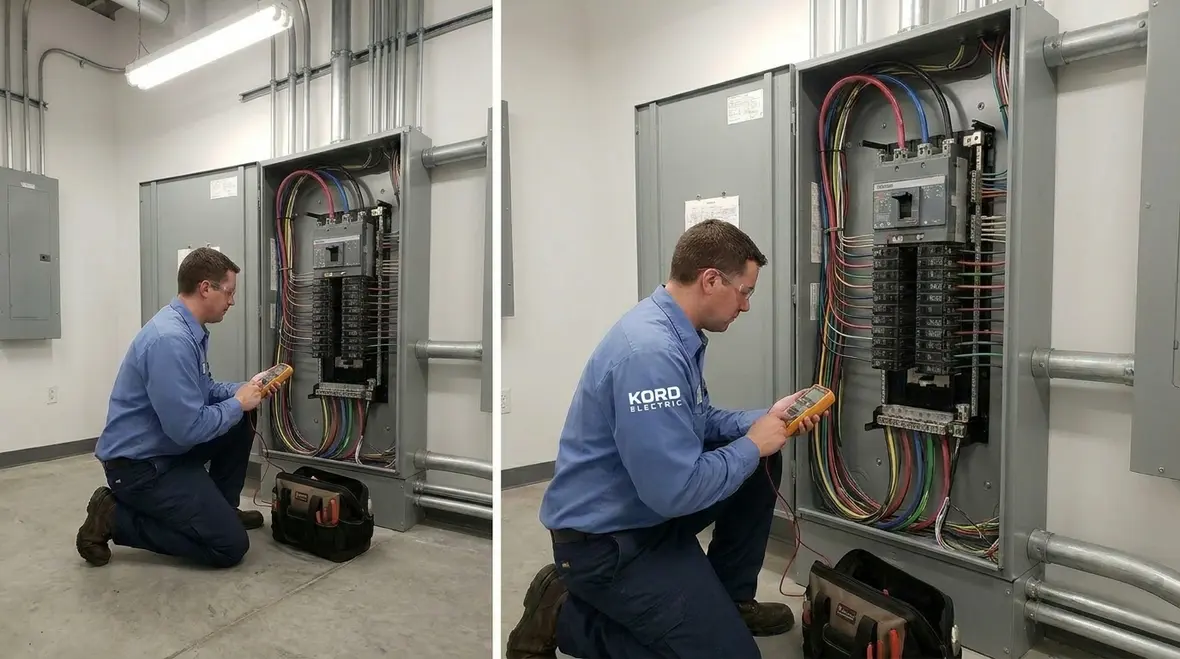
Safety and cost usually move together in the real world. When equipment fails, commercial and industrial facilities lose production time, face emergency service rates, and risk supply chain delays. In addition, some failures damage connected equipment, which turns one issue into several repair projects.
Load testing helps us prevent those domino effects. For example, when we see a circuit that drifts out of tolerance under peak demand, we can pinpoint whether the issue comes from load behavior, distribution voltage drop, or equipment limitations. Then, we recommend targeted corrections rather than guesswork.
Also, we support facility owners who need to maintain uptime during seasons with heavy demand, such as summer cooling peaks or winter heating loads. Therefore, our team schedules testing in a way that fits operational needs for major property buildings and industrial sites.
So while it feels tempting to skip testing, it usually becomes a “pay now or pay later” story. And electricity, unlike traffic, does not accept negotiation.
Pairing load testing with preventive maintenance
For many facilities, commercial electrical load testing fits naturally into a broader electrical preventive maintenance strategy. By combining real-time load measurements with structured inspection programs, building owners can coordinate repairs, upgrades, and replacements before they interrupt operations. Kord Electric’s preventive maintenance services for commercial and industrial environments help keep that plan on track and aligned with safety and reliability goals.
Voltage Fluctuations: The Clue That Points to Load Problems
Voltage issues often appear as symptoms of deeper system stress. If voltage drops too much during motor start-up, HVAC cycles, or large process loads, equipment performance suffers. Motors may run hot. Controls may misbehave. Drives and electronic devices can experience shortened service life.
In fact, our guidance on voltage fluctuations in commercial and industrial settings aligns closely with why we run load testing. When voltage drops, the root cause can include overloaded feeders, aging transformers, connection problems, or poor sizing practices. Load testing helps us observe those effects while the building is working, not when it is resting.
To explain it simply, voltage fluctuations tell us what the electrical system does when demand changes. And once we measure that behavior, we can choose the right next step, whether it means corrective maintenance, service upgrades, or redistribution of loads. Our expert service staff explains what the data means in plain language, so facility managers and owners can make clear decisions without a “consulting-speak” fog.
In short, we connect the dots between real load behavior and voltage stability. That connection is where safety improvements become practical.
When voltage fluctuations signal bigger issues
Repeated complaints about dimming lights, misbehaving equipment, or unexplained resets often trace back to the same story: the system is being pushed beyond what its distribution and protection were designed to handle. Commercial electrical load testing gives those clues structure by recording how voltage responds during actual usage, not just during a quick spot check when everything is idle.
Our Process: What Kord Electric’s Technicians Actually Do
We build our approach around the needs of commercial and industrial facilities and major property buildings. First, we review the facility electrical one lines, panel schedules, and known problem history. Then, we coordinate with building operations so testing happens when it matters, typically during realistic load conditions.
Next, our technicians run measurements that focus on current draw, voltage performance, and system stability across critical circuits. We then document results in a way that supports clear decisions. Instead of delivering vague comments, we provide findings that help identify where the system is under stress and why.
After measurements, we explain results and options to the team responsible for facility safety and reliability. Our expert service staff walks through what we observed, what it means for equipment life and safety, and what fixes deliver the best return. If the data indicates potential hazards, we prioritize recommendations that reduce risk first.
Finally, we align any recommended actions with practical timelines. We know that commercial sites cannot shut down whenever we want. Therefore, we help plan next steps with minimal disruption.
Think of it like a health check for electrical systems, but without the part where everyone pretends they feel great until the doctor says, “Interesting.”
From findings to actionable upgrades
When testing reveals overloaded circuits, undersized feeders, or aging panels that no longer match demand, our team can connect those findings to practical solutions. That might include targeted upgrades, redistribution of loads, or integration with broader services like electrical preventive maintenance and emergency electrical services for facilities that cannot afford unexpected outages.
Industry Questions Facility Leaders Ask Before Approving Testing
Commercial and industrial decision makers often want to understand testing scope, outcomes, and how quickly they will see value. They also want reassurance that the work aligns with safety priorities and operational realities.
To help, we answer in a straightforward way. We focus on the circuits and equipment that influence safety and stability. We then show how load conditions affect performance. After that, we recommend improvements based on measurable evidence rather than guesswork.
And if a facility has a history of nuisance trips, high-temperature complaints, or ongoing voltage concerns, we give those factors extra attention. That is because when the building already sends signals, the safest route is to measure, confirm, and fix.
Connecting load testing with long-term capital planning
The results of commercial electrical load testing do more than trigger one-off repairs. They help facility leaders plan future upgrades, budget for panel or feeder replacements, and coordinate projects like rewiring or lighting retrofits. When paired with insights from resources such as Kord Electric’s guides on hidden electrical risks and rewiring cost for commercial systems, testing data can shape a multi-year roadmap instead of a series of disconnected emergencies.
FAQ: Commercial Electrical Load Testing for Safety
Call Kord Electric for Load Testing That Protects Your Facility
If your commercial or industrial facility relies on critical equipment, you deserve testing that finds problems early and supports real safety decisions. Kord Electric schedules commercial electrical load testing with your operations in mind, measures system behavior under demand, and explains results in plain terms. Then we recommend next steps that reduce risk, support reliable power, and prevent downtime. Reach out to us today and let our technicians protect your building like it matters, because in the electrical world, it always does.
For facilities planning broader upgrades, our team can align load testing insights with services such as electrical preventive maintenance, emergency electrical services, and EV charger installation, so each improvement supports long-term safety, code compliance, and performance.