Commercial Electrical Load Testing for Safety
Why commercial electrical load testing keeps businesses safer
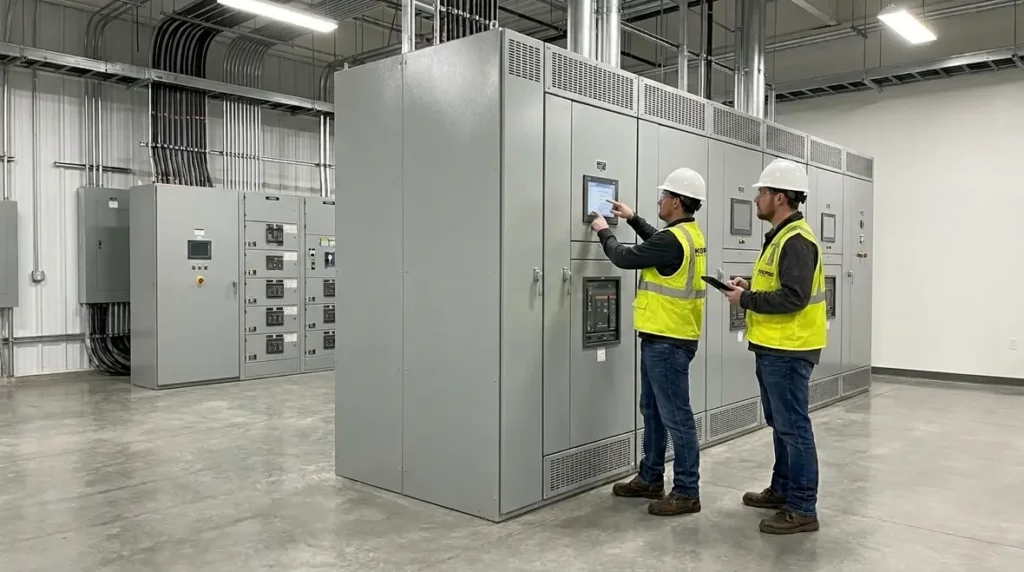
At Kord Electric, we start with commercial electrical load testing because safety should not rely on “it seems fine.” In the first place, load testing helps confirm that electrical systems can handle real-world demand, not just nameplate numbers. At the same time, it reveals hidden weaknesses in panels, feeders, connections, and protective devices before they turn into expensive outages. And yes, we have seen equipment fail for reasons that sound as predictable as a sequel nobody asked for. Still, we handle the work with clear steps and careful documentation, so others on site can make better decisions without guessing.
In the rest of this guide, we explain why the process matters for commercial and industrial facilities, how our expert service staff approach it, what technicians look for during testing, and how facilities can use results to reduce risk.
What load testing actually measures in commercial systems
Many people think electrical testing is a single task, like flipping one switch and calling it done. However, load work measures how an electrical system behaves when it carries current under expected conditions. Kord Electric performs testing with a practical focus for commercial and industrial environments, where loads can shift through the day and during peak operations.
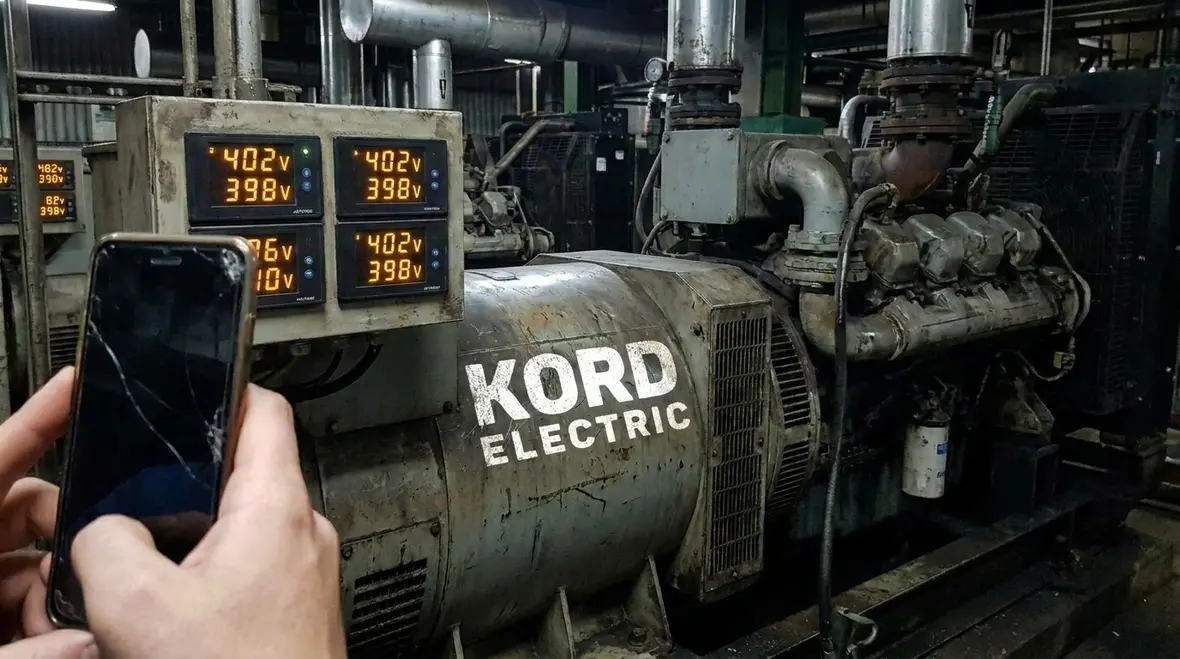
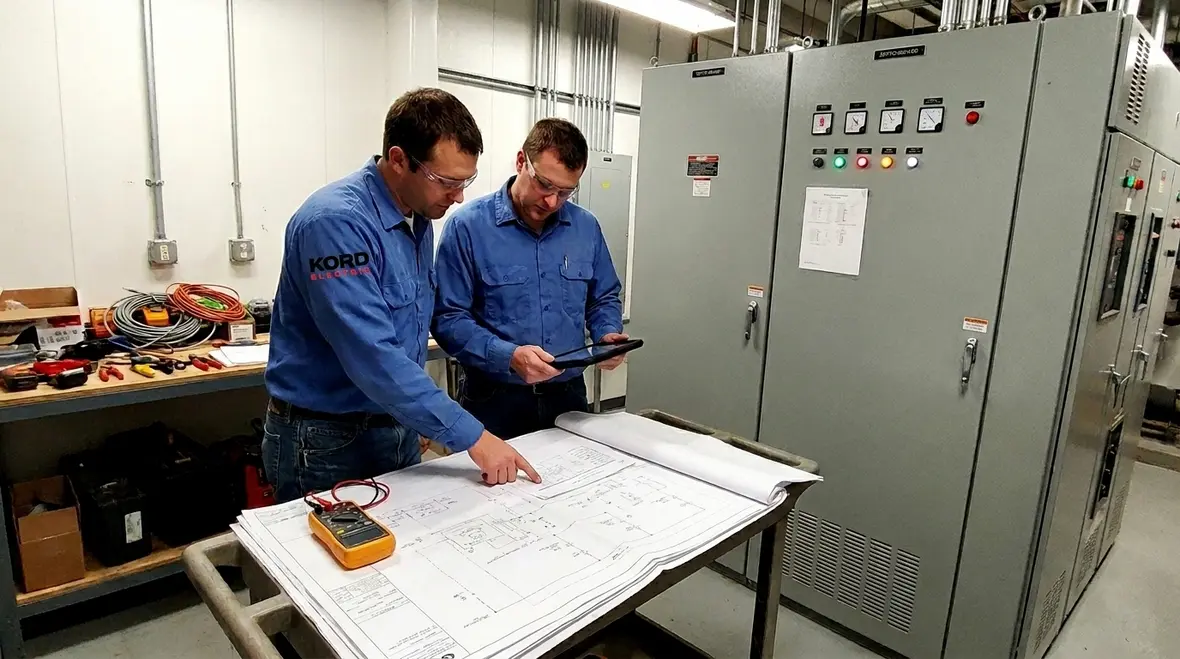
During proper electrical load verification, our technicians evaluate performance in several areas. First, they observe voltage stability under load, because sagging voltage can stress motors, drives, and controls. Next, they check current draw patterns to spot overloads, imbalanced phases, or abnormal harmonic effects. Then they examine how circuit breakers and protective devices respond, since the goal is not just operation, but safe operation.
To keep this real, our technicians do not treat load testing as a science fair poster. Instead, they verify that installed conductors and equipment can carry demand without excessive heating, nuisance tripping, or gradual deterioration. And when issues appear, we explain what the data likely means in plain terms, so facility managers understand the “why,” not just the “what.”
How voltage and demand changes can raise risk
In commercial and industrial buildings, electrical demand rarely stays still. Fans cycle, refrigeration kicks on, elevators run, and production lines start and stop. As a result, voltage and load conditions shift across hours and seasons. This matters because unstable voltage can increase losses, overheat components, and damage sensitive equipment over time.
In our earlier discussion on voltage issues for businesses, we explained how fluctuations can show up and create real problems for equipment and operations. For example, the electrical system may experience dips or rises when large loads switch on, and those swings can stress motor starters, transformers, and controls. You can read more about this in our resource on voltage fluctuations in commercial and industrial settings.
Now, here is the calm truth: when voltage does not behave correctly, safety becomes harder to guarantee. While a system might function today, it can fail under higher load tomorrow. Therefore, we run tests that capture performance while the building actually draws power, not just while the building idles.
We tell our clients the same thing we tell ourselves. If the electrical system cannot handle normal demand smoothly, then safety margins shrink. And when safety margins shrink, risk grows. It is less “mystery box” and more “watch the numbers.”
Protective devices, overheating, and why faults start quietly
Commercial electrical safety depends on more than having breakers installed. Protective devices must operate correctly when conditions become abnormal, and components must remain within safe temperature limits. Yet many problems start subtly, long before they create sparks or smoke. Loose connections, degraded insulation, and corrosion in terminations can produce extra resistance. That resistance then creates heat. Over time, heat accelerates failure.
With our approach, our technicians focus on signs that indicate those hidden issues. First, they evaluate circuit behavior during load conditions to see if breakers protect as expected. Then they confirm that voltage levels and current draw remain within safe tolerances across phases. After that, they look for irregular patterns that can point to connection issues, overload conditions, or imbalanced loads.
At this stage, we also explain results in a way that supports good decisions. Our expert service staff often hear questions like, “So is it dangerous now?” We answer honestly. If test data shows unsafe heating risks or unstable performance, we recommend next steps. If the system performs within acceptable limits, we still provide a baseline so the facility knows what “normal” looks like.
And if someone tells you they can wait until something breaks, we will gently remind them that electrical failures do not respect business hours. They do not care if it is 8 a.m. or 2 a.m. The electricity just keeps doing what it does. We simply measure it before it causes trouble.
How our technicians run commercial electrical load testing on-site
To serve commercial and industrial facilities and major property buildings, we run load testing with a controlled plan. We do not rely on guesswork, and we do not create chaos for your operations. Instead, we coordinate with facility teams so testing fits the building schedule and critical systems stay protected.
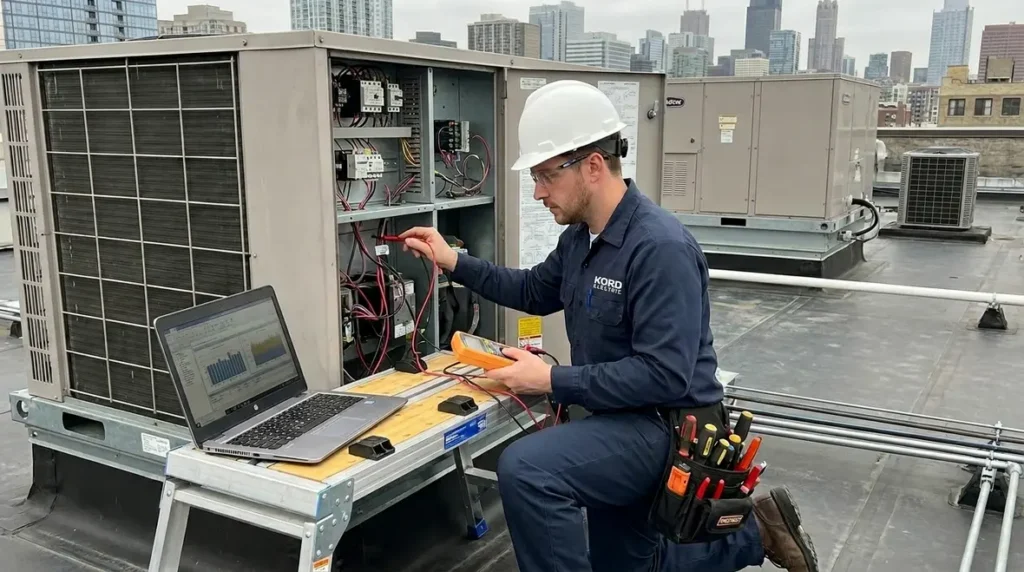
Here is what our technicians typically do, step by step. First, we review electrical drawings, equipment ratings, and prior maintenance records. Then we confirm measurement points and verify that instruments and leads meet safe operating standards. Next, we schedule test windows that avoid unnecessary disruption while still capturing realistic load conditions.
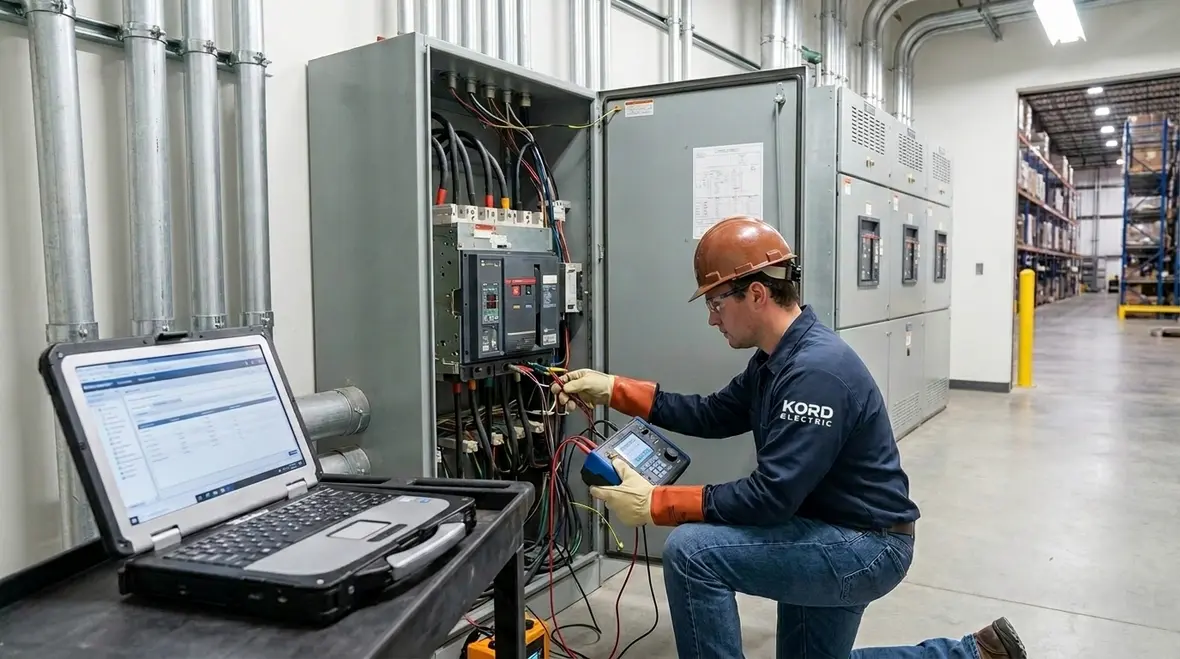
During the test, our team applies or monitors load behavior and captures data such as voltage stability, current draw, phase balance, and protective device responses. After that, we analyze results for patterns that suggest overheating risk, abnormal load distribution, or poor system performance under demand. Finally, we deliver a clear report that explains what we found, why it matters, and which actions reduce safety risk.
Throughout the process, our technicians also communicate. They explain what they see and what it likely means for your equipment. Because when a facility understands the data, it can plan repairs and upgrades with confidence instead of reacting to emergencies.
Best practices after results come back
Once testing ends, the next step matters just as much as the testing itself. Many teams receive a report and then file it away, like a receipt from a store that no longer exists. At Kord Electric, we help clients take practical action so results turn into safer systems.
Depending on findings, we support common follow-up tasks for commercial and industrial buildings. For example, we may recommend targeted inspections of terminations and connections, because those are frequent sources of increased resistance. We might also suggest load balancing steps if phase imbalance shows up. In other cases, we recommend reviewing feeder sizing, panel condition, or the performance of protective devices under load.
We also help facilities plan repeat testing. Electricity ages, and building loads change. Therefore, a baseline today helps you compare tomorrow. And when your operations expand, add production equipment, or upgrade HVAC, load behavior can shift. In those moments, verification matters, because safety does not stay static.
To keep things calm and clear, our expert service staff explain priorities. We focus first on the risks that can lead to overheating, equipment damage, or unsafe protective behavior. Then we plan improvements in a way that fits your budget and operational timeline.
Commercial electrical load testing also fits naturally into broader preventive strategies. Many facilities pair it with ongoing electrical preventive maintenance programs so that test data, inspections, and scheduled service all work together. That way, findings from one test inform thermal scans, panel cleaning, torque checks, and targeted upgrades across the rest of the year.
How load testing supports larger electrical projects
For many commercial and industrial facilities, commercial electrical load testing is not a one-off task. It often becomes the starting point for larger electrical strategies. When you can see how panels, feeders, and transformers behave under real demand, decisions about upgrades suddenly feel less like guesswork and more like planning.
For example, some facilities use load testing to verify that their existing infrastructure can safely support new production lines, expanded HVAC capacity, or future-ready systems such as commercial and industrial EV charging. Others run testing ahead of a large-scale rewiring project, so they can prioritize the riskiest circuits first and phase work around operations.
Load testing data also ties directly into code and compliance. When facilities review updates in standards such as NFPA 70, the National Electrical Code, it becomes clear that safe installations and ongoing verification go hand in hand. Testing under realistic demand gives you documented proof that conductors, overcurrent protection, and distribution equipment behave the way design calculations said they should.
FAQ about electrical load testing for commercial and industrial sites
Choose Kord Electric for safer power in commercial spaces
If your facility depends on reliable power, then load testing should not be a “someday” task. Kord Electric works with commercial and industrial buildings to verify system performance under real demand, so safety stays grounded in data. Our technicians and expert service staff explain results clearly and guide practical next steps. Schedule a site assessment with us, and we will help you reduce risk, protect equipment, and keep operations steady. Call Kord Electric today and let us handle the numbers like professionals.
For teams building a broader reliability plan, commercial electrical load testing is a powerful starting point. When you pair detailed test results with services like electrical preventive maintenance and targeted upgrades, each project builds on the last. The result is a safer, more resilient electrical system that can support everything from daily operations to future growth without leaving safety margins to chance.
If you are ready to align testing, maintenance, and upgrades into one practical plan, our commercial and industrial electrical team can help you map the path. We combine on-site assessments, detailed reporting, and clear communication so you always understand what is happening inside your system and why it matters for the people and equipment that depend on it.