Commercial Electrical Load Testing for Safety
Commercial Electrical Load Testing is one of those safety steps that sounds boring until you see what it prevents. At Kord Electric, we use commercial electrical load testing to check how a facility’s electrical system behaves under real operating conditions, not just on paper or during a quiet test. In this article, we explain why this matters for safety in commercial and industrial facilities and major property buildings, how our expert service staff and technicians work the process, and what you should expect when we show up. And yes, it beats the classic “turn it off and hope” approach. In the real world, hope is not a protective device.
Why load testing keeps commercial buildings safe
Commercial and industrial facilities deal with steady power draw, frequent equipment starts, and loads that change across the day. So even if the system “looks fine” during a basic inspection, it can still behave differently once the building operates at normal demand. That is where commercial electrical load testing earns its keep.
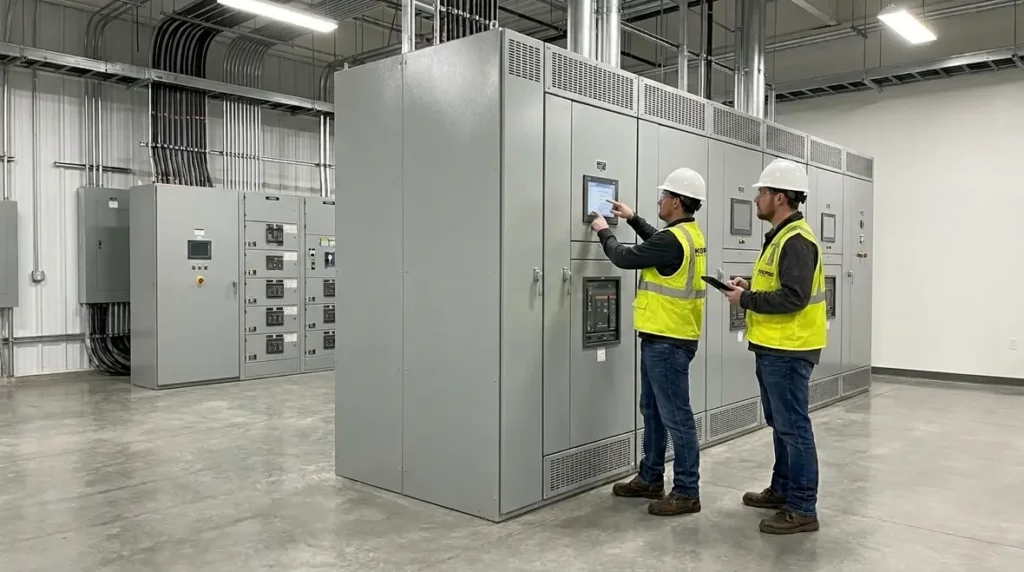
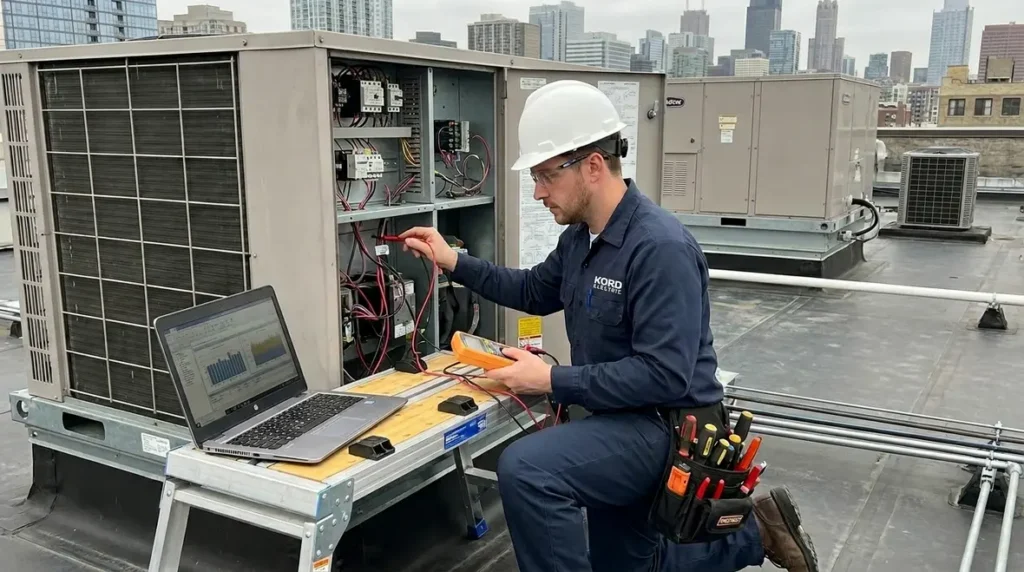
When we perform a proper load test, we evaluate voltage stability, current draw, phase balance, and the overall health of components like transformers, switchgear, feeders, and distribution panels. As a result, we can find weak links before they cause overheating, nuisance shutdowns, or more serious faults. In other words, we stop problems while they still act like small problems, not like dramatic ones that interrupt production or tenant operations.
Also, safety does not only mean avoiding shocks. It also means preventing heat buildup in connections, busbars, and breakers. Overheated terminations can start a chain reaction: insulation damage, escalating resistance, and finally equipment failure. Moreover, electrical failures in major property buildings can impact life safety systems, elevators, HVAC controls, and critical communications. We take that responsibility seriously.

What we check during a real load test
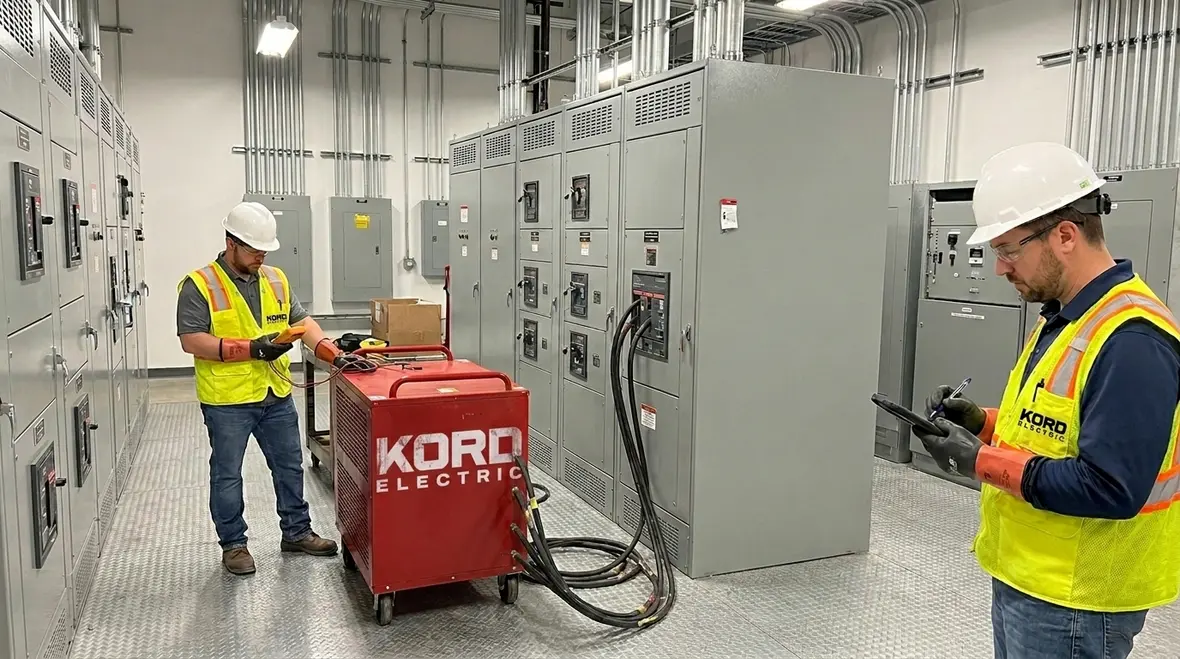
Our technicians and expert service staff approach load testing like a controlled story, where each measurement tells part of the plot. First, we confirm baseline conditions, including the existing configuration and operating patterns. Then we apply load in a safe, planned way that reflects how the facility actually runs.
Typically, our team focuses on:
- Voltage under load, because supply systems can sag when demand increases
- Current draw and distribution, to confirm equipment operates within expected ranges
- Phase balance, since uneven phases can overheat conductors and trip protection
- Breaker and connection performance, to detect high resistance and abnormal behavior
- Transformer behavior, including signs of inefficiency or overheating trends
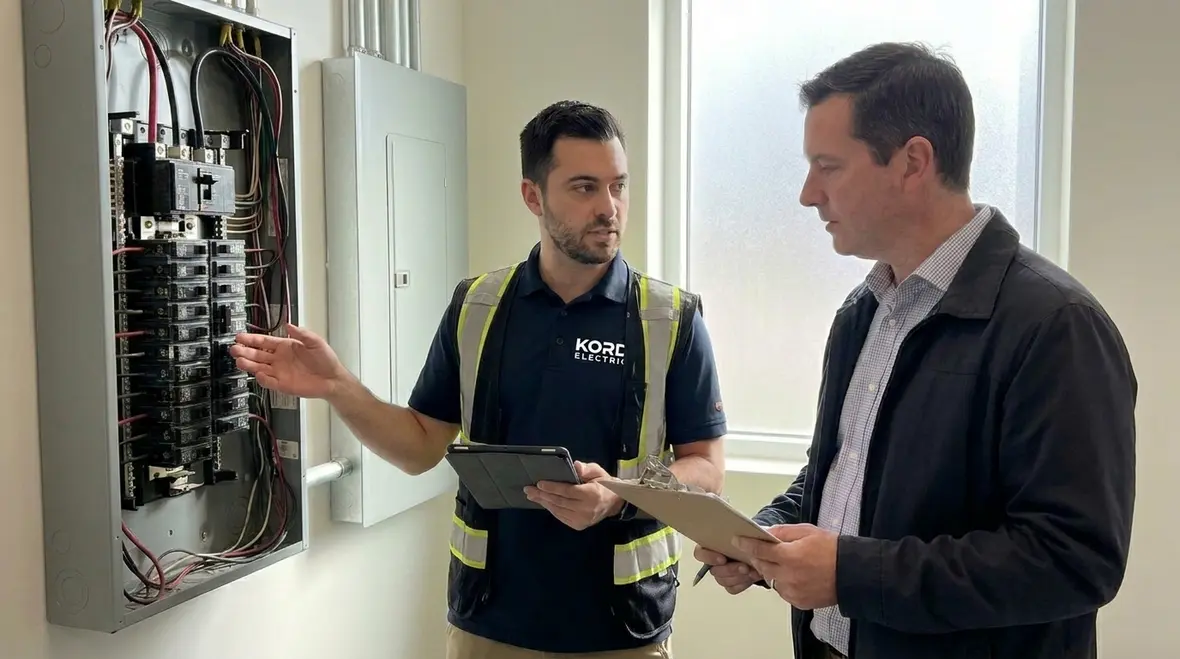
Next, we review what we measure against the design intent and the safety limits that apply to your facility. Importantly, we do not just gather numbers and disappear. We interpret them in plain language, so your operations team understands what the readings mean, what risk they suggest, and what actions make sense.
How voltage problems show up before a failure
Commercial electrical issues often start subtly. For example, a system can experience voltage fluctuation when large motors start, when loads shift between day and night, or when upstream capacity varies. If that fluctuation becomes frequent or severe, sensitive equipment can suffer and insulation can age faster. Therefore, a load test helps catch those patterns.
On facilities, we often see how voltage instability connects to performance complaints: HVAC cycling, unreliable controls, process interruptions, or lights that never quite look “right” but nobody wants to pay for a real diagnosis. And yes, people will say, “It only happens sometimes.” That is usually the exact time failures choose to act up.
We also reference real-world conditions described in our resource on voltage fluctuations in commercial and industrial facilities. In those scenarios, the source can involve load variation, system impedance, connection quality, or equipment condition. Then, the results show up as inconsistent voltage and higher stress on electrical components. When we run a load test, we create a controlled view of those dynamics instead of relying on guesses and maintenance legends.
In practice, the earlier we find instability, the more options we have. Later, you may only have one option, which is replacement and downtime. We prefer the first option.
Why safety depends on more than inspections
Many people expect that a visual inspection or a routine check will confirm safety. Visual checks help, of course, but they cannot prove performance under load. A cable might look fine and still run hot under actual current. A connection might not show damage today and still drift toward failure because resistance increases over time.
So we use load testing to verify the system’s behavior when it matters. Furthermore, it supports safer operations because it confirms that protective devices and distribution paths handle real demand as designed. That helps reduce the chance of:
- Overheating at connections that can lead to smoke or fire risk
- Unplanned outages from overload, imbalance, or weak components
- Equipment damage from unstable voltage and abnormal current
- Reduced efficiency that costs money through higher losses
We also help teams prioritize repairs. Because once we can quantify performance, the next steps become clearer. Instead of debating whether a system “feels unreliable,” we show what the system does under load, and we explain what that means for safety and reliability.
How Kord Electric schedules testing for commercial and industrial sites
We understand that major property buildings and industrial facilities cannot simply shut down power like it is a weekend project. Therefore, we plan around your operations and coordinate with facility leadership.
Our technicians evaluate your electrical layout, identify relevant panels and feeders, and confirm safe test conditions. Then we determine how and when to apply load so results match how the building runs. As a result, we collect useful data without causing unnecessary disruption.
During the work, our expert service staff communicates clearly. They explain what we are measuring, why the measurement matters, and what we do next based on the results. That way, your team stays informed instead of left wondering what is happening behind the doors of the electrical room.
Also, we focus only on commercial and industrial facilities and major property buildings. That matters because these sites have different risks, design requirements, and power profiles than other types of properties. We build our process around those realities.
Interpreting results and choosing the right next steps
After testing, we translate the findings into actions that fit your facility needs. First, we categorize results by urgency and risk. Then we identify the likely causes, such as connection issues, imbalance, transformer stress, or distribution problems that show up under demand.
Next, we recommend a practical plan. That might include targeted repairs, connector and termination improvements, equipment maintenance, or further diagnostics. Importantly, we do not push a one size fits all solution. We help you decide based on safety impact, equipment condition, and operational constraints.
Meanwhile, some clients ask if they should wait until something breaks. We understand the temptation. However, electrical failures usually arrive with paperwork, downtime, and surprise invoices. We prefer a steadier approach: verify performance, correct weaknesses, and prevent unsafe conditions from expanding.
And if you are thinking, “We have a service contract, so we must be covered,” we get it. Contracts help, but they do not replace performance verification under load. We treat load testing as a safety tool that complements maintenance, not a replacement for it. For many facilities, pairing commercial electrical load testing with structured programs like electrical preventive maintenance and emergency electrical services creates a stronger, more reliable electrical safety strategy.
FAQ about commercial load testing
Conclusion: take control before the system takes control
Commercial and industrial electrical systems do not fail politely. They fail at the worst moment, when loads rise and connections run hot. That is why we recommend commercial electrical load testing from Kord Electric for major property buildings that need dependable power and safer operations. Our technicians and expert service staff will explain the process, perform the test with care, and help you choose practical next steps based on real performance. If you want fewer surprises, contact us today to schedule a site assessment and see what your electrical system is doing under load.
If your facility is already dealing with unstable power, recurring breaker trips, or unexplained shutdowns, combining load testing with focused services such as voltage fluctuation diagnostics and structured electrical preventive maintenance gives you a clearer path to long-term stability. And when an issue does escalate unexpectedly, our dedicated emergency electrical services team is ready to respond.
For commercial and industrial properties that depend on uptime, treating commercial electrical load testing as a regular part of your safety program—alongside services like lighting installation, electrical maintenance, and 24/7 emergency support—helps you stay ahead of risk instead of reacting to it.