Commercial Electrical Load Testing for Safety
Commercial Electrical Load Testing Keeps Buildings Safe, Quietly
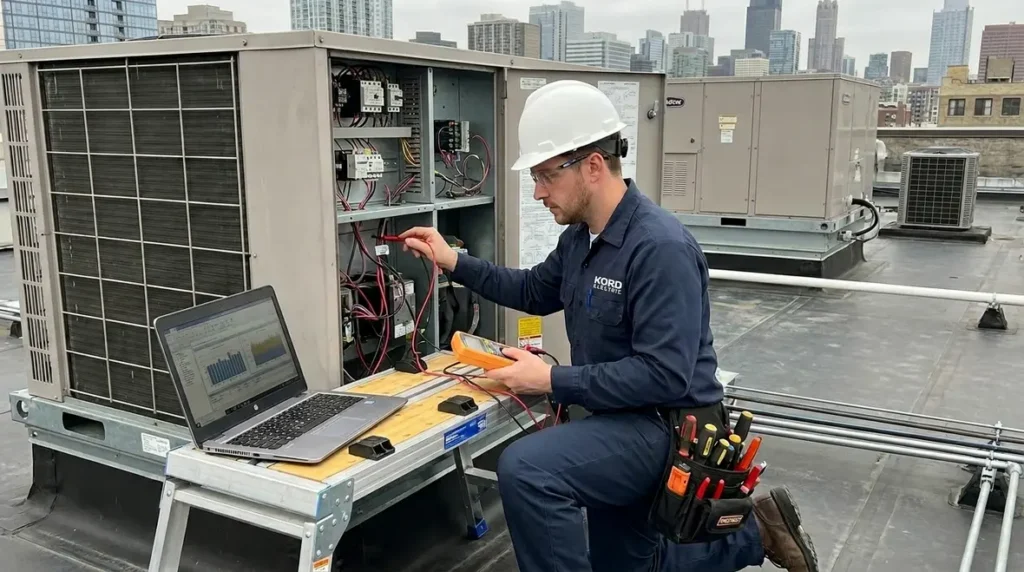
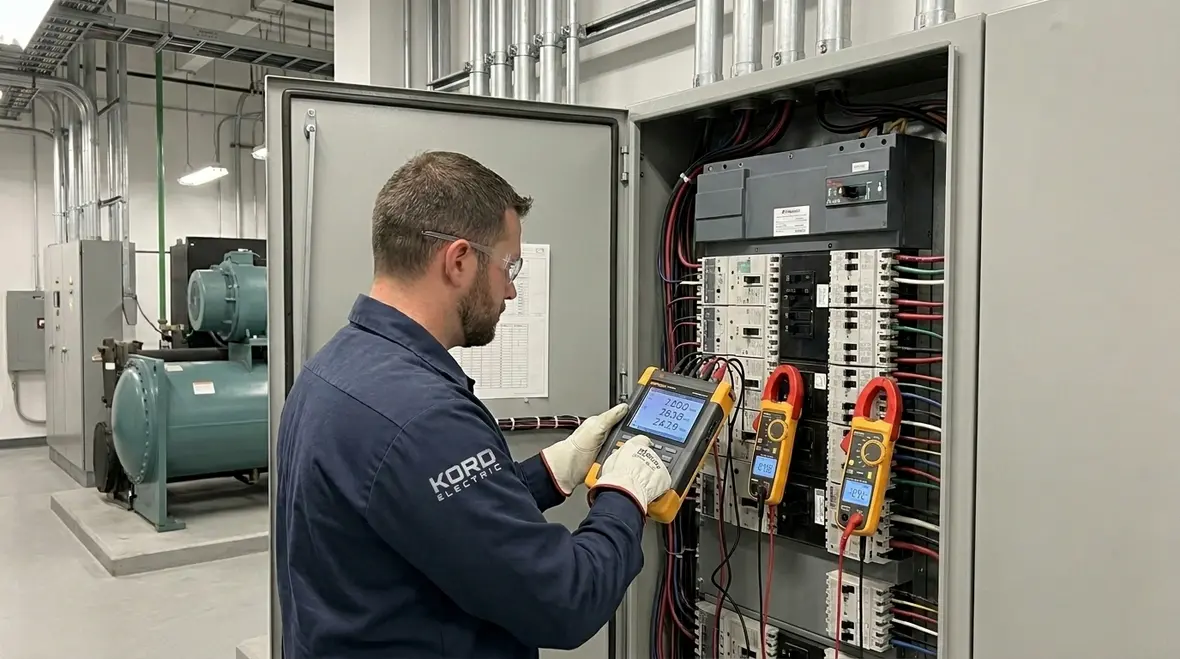
Kord Electric starts with commercial electrical load testing because safety should never feel like a guessing game. When our clients run businesses from offices, warehouses, and major property buildings, the electrical system carries real responsibility, every hour of every day. In fact, the moment loads change, wiring heats, protective devices react, and hidden issues can show up fast. That is why we send our trained technicians to measure how power actually behaves under realistic conditions, not just how it looks on paper.
Think of it like checking a car while it is driving, not only when it is parked. Otherwise, you end up with a “mystery” breakdown that shows up right when the lunch rush starts, and nobody wants that. Still, we do not just test and leave. We explain what we find, what it means, and what we recommend next, step by step.
Why Load Testing Matters for Safety in Commercial and Industrial Power
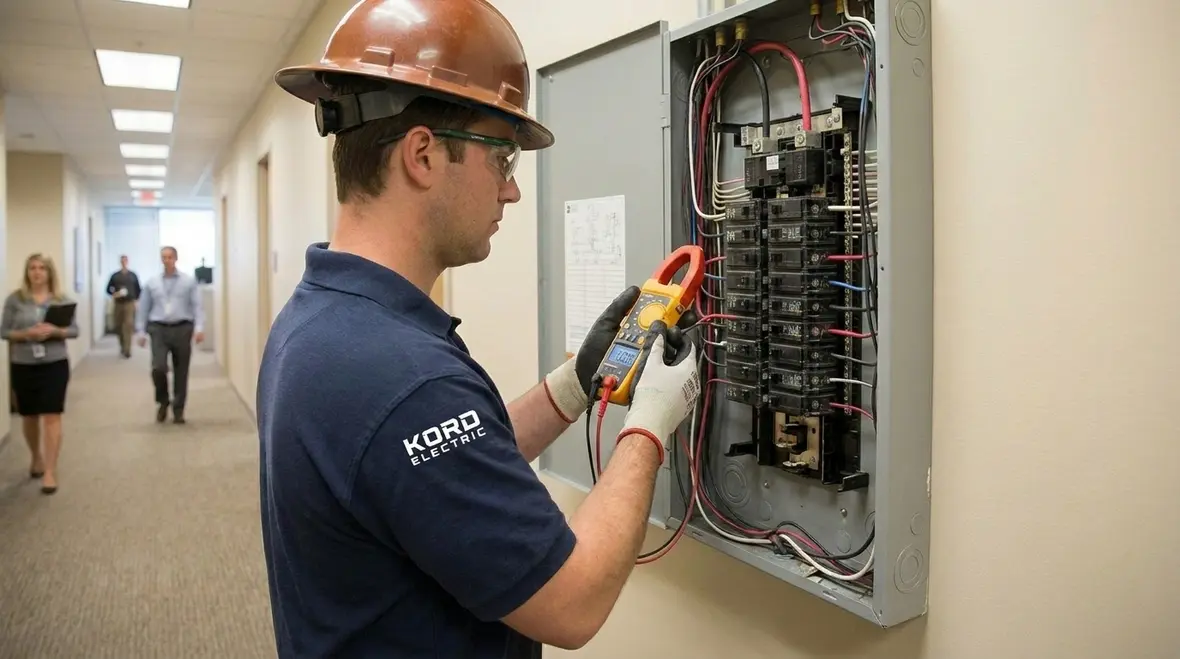
Commercial and industrial facilities do not run on vibes. They run on motors, HVAC systems, lighting controls, refrigeration, charging equipment, and all the other loads that move in and out throughout the day. As those loads shift, the electrical system can experience stress that simple inspections do not catch. Therefore, commercial electrical load testing plays a practical safety role, because it helps confirm that circuits handle current without overheating, excessive voltage drop, or nuisance tripping.
Additionally, when loads pull more current than expected, the voltage can sag. And when voltage sags, equipment draws more current to compensate. That creates a loop that can damage components and shorten equipment life. So, while the problem may start in the power distribution, it can end up in the HVAC unit, the drive system, or sensitive electronics.
Our expert service staff often explains it this way during site walkthroughs. We say: “If the building electrical system struggles during real operation, then safety and reliability suffer during real operation.” Then we back that up with measured results, not guesswork.
What We Test During Load Testing, and Why Each Step Protects People
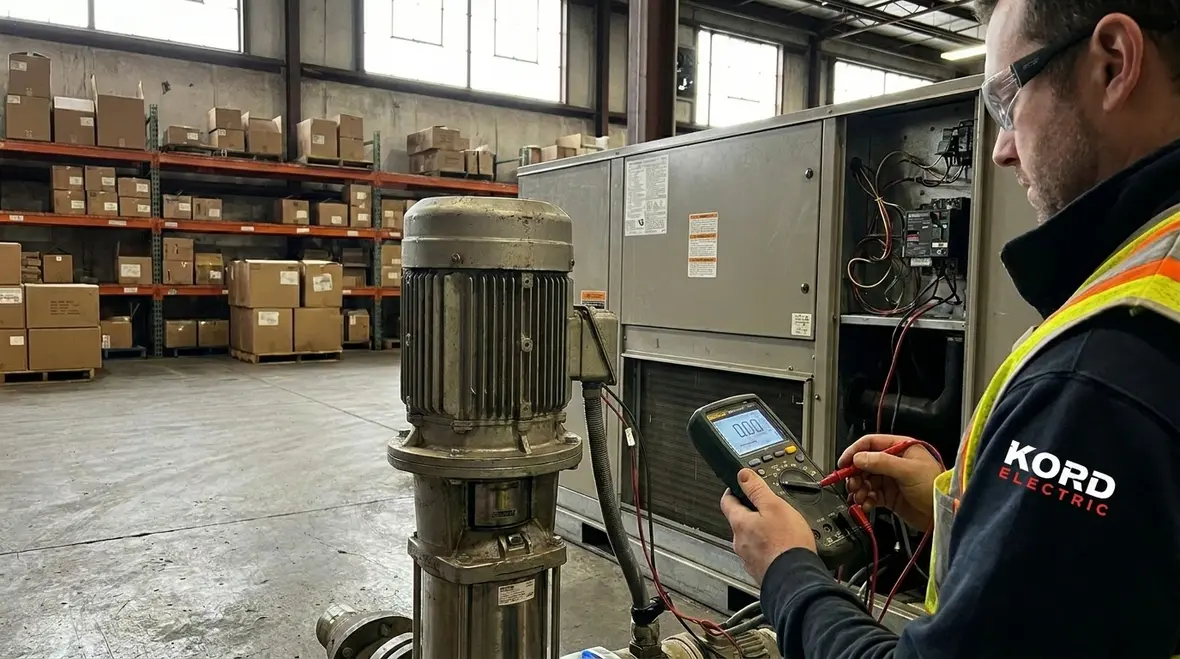
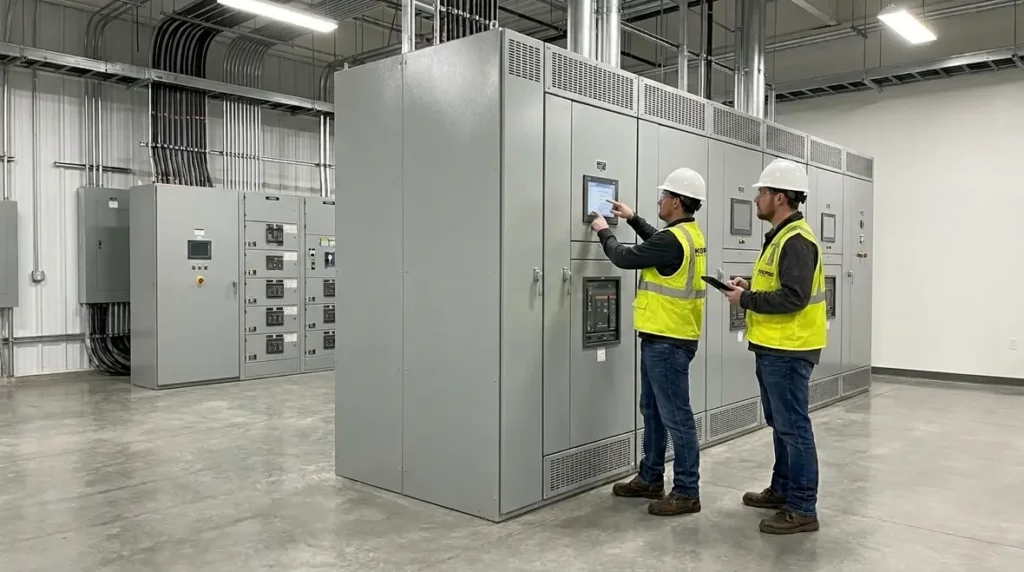
When our technicians perform load testing for a major property building or an industrial facility, we do not treat every site the same. Instead, we build a plan around the equipment and operating schedule. First, we identify the electrical system components that matter most, such as panels, feeders, transformers, and critical branch circuits. Then we measure performance while the building reaches defined operating points.
Typically, we focus on results that connect directly to safety. For example:
- Current draw and load balance to detect overloaded phases and abnormal demand
- Voltage levels and voltage drop to prevent overheating and unstable operation
- Protective device behavior to confirm breakers, fuses, and relays act correctly
- Thermal risk indicators by watching for conditions that lead to hot spots
Even though this sounds technical, the goal stays simple: we help keep people safe and keep equipment running. Moreover, we document what we see and translate it for facility managers. After all, nobody wants a binder full of numbers without meaning. We provide clear explanations, so others can make decisions with confidence.
And yes, we keep things business casual. We might not bring coffee for every engineer on site, but we do bring clarity.
Connecting Load Testing to Voltage Fluctuations in Commercial Buildings
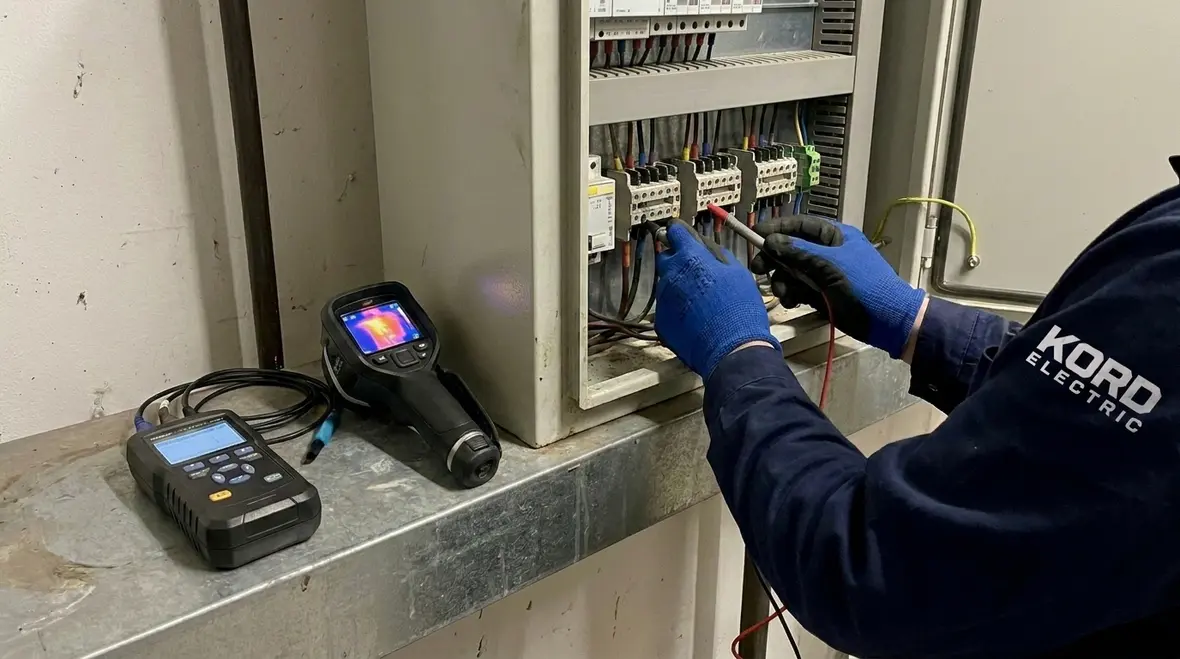
At Kord Electric, we often see that load testing and voltage stability go hand in hand. If voltage fluctuations appear, equipment can behave strangely: motors run rough, controls reboot, production lines slow down, and building automation starts acting like it forgot its password. In many cases, the root cause connects to how the system handles load and how the power quality changes when demand shifts.
One issue we frequently discuss is tied to the conditions described in our guide on voltage fluctuations in commercial and industrial facilities. When loads turn on and off, the electrical system can experience swings that affect sensitive equipment. Therefore, understanding how voltage and current respond during load conditions gives facility owners a clearer picture of risk.
In practical terms, load testing helps us confirm whether the system stays within acceptable limits during real operation. If it does not, then we can recommend steps such as adjusting loads, evaluating transformer performance, checking distribution conductors, or improving power quality. As a result, the building stops “surprising” the people who depend on it.
It is like tuning an instrument. If you do not check it while it plays, the performance sounds fine until the song gets to the part where everything breaks.
Signs Your Facility Needs Commercial Electrical Load Testing Soon
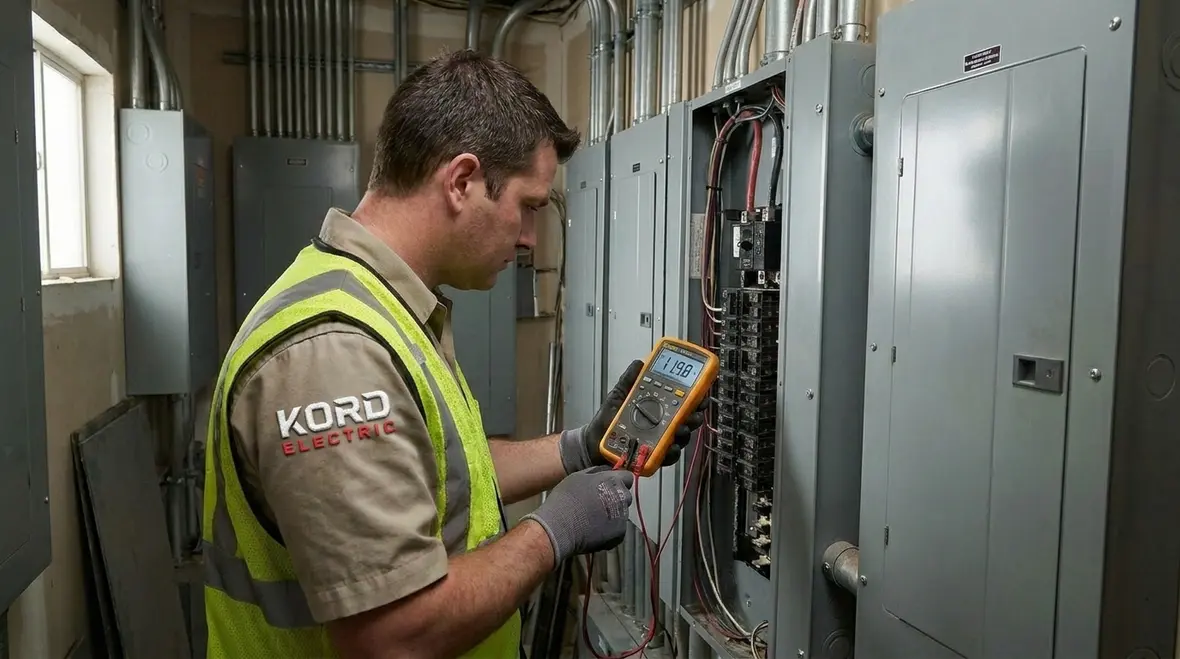
Some facilities wait for a failure, but we prefer a calmer approach. Usually, load-related problems show early as behavior changes. For commercial and industrial properties, the following signs tend to show up before equipment damage becomes obvious.
Watch for:
- Frequent breaker trips or unusual nuisance shutdowns during peak operation
- Equipment that runs hot or shows early wear in panels, drives, and motor starters
- Lighting flicker or inconsistent brightness during load changes
- Controls rebooting when HVAC cycles, dock doors open, or production equipment starts
- Reports of poor performance even after equipment is “serviced”
Additionally, after renovations or tenant improvements, load patterns change. Even a “small” retrofit can add demand or shift load balance across phases. Therefore, we recommend testing when operations evolve, because safety depends on real operating conditions, not old assumptions.
Our team makes these assessments in a way that facility staff can follow. We explain what the symptoms usually mean, and then we use measurements to confirm the true cause.
How We Deliver Load Testing Results That Facility Teams Can Act On
Testing only matters if it leads to action. That is why Kord Electric organizes the process for commercial and industrial clients who need clear decisions, not confusing reports. Our technicians communicate during the work, so facility staff understand what is happening and why it matters. Then we deliver results in a format that supports next steps.
First, we compare measured conditions against expectations for safe operation. Next, we highlight risks tied to voltage stability, load balance, and protective device behavior. Then we explain what could happen if conditions remain unchanged. For example, chronic overheating can damage insulation and create future faults. Meanwhile, poor voltage regulation can lead to unstable operation and shortened equipment life.
After that, we recommend solutions based on what the measurements show. Depending on the findings, options may include targeted troubleshooting, updates to distribution components, or power quality improvements. Importantly, we avoid generic advice. We build a path forward that fits the actual site.
For many facilities, those recommendations tie directly into structured service offerings like electrical preventive maintenance and broader commercial and industrial electrical maintenance plans that keep systems healthy between major projects.
And when a facility manager asks, “Can we trust these numbers?” our expert service staff answers honestly. We show the data, explain the process, and stand behind our work. If that sounds simple, it is. Because in electrical work, simple and correct is the best kind of professional.
Featured FAQ for Commercial Electrical Load Testing
Call Kord Electric for Load Testing That Reduces Risk
When your electrical system handles real loads, safety should stay real too. Kord Electric provides commercial electrical load testing designed for commercial and industrial facilities, with expert technicians who measure performance, explain results clearly, and help you act before issues grow. If you manage a major property building or an industrial site, do not wait for the next “mystery” problem. Contact us today to schedule commercial electrical load testing and protect both people and equipment.
If your facility is also due for a broader review of panels, switchgear, and distribution equipment, consider pairing testing with dedicated electrical preventive maintenance services. Taken together, these programs help reduce risk, support compliance, and keep your commercial electrical system ready for whatever the next production schedule, tenant build-out, or expansion brings.
From structured maintenance plans to targeted troubleshooting, Kord Electric’s commercial and industrial electrical services are built to keep your power reliable, your teams informed, and your operations focused on work instead of worrying about what is happening behind the walls.
When you are ready to move from good intentions to measurable action, schedule commercial electrical load testing as part of a calm, organized electrical strategy for your building.