Commercial Electrical Load Testing for Safety
Commercial electrical load testing: why we run it before something goes wrong
At Kord Electric, we take commercial electrical load testing seriously because safety is not a “later” task, it is a present-day habit. In the real world, electrical systems in commercial and industrial facilities do not fail politely. They wait, they sag, they drift, and then they show up as heat, outages, and expensive downtime. So, we test the load, we verify performance under actual conditions, and we help our clients stay ahead of risk. If you have ever watched a circuit breaker trip like it is trying to escape the building, you already know what we mean. And yes, we do still laugh, but only after we fix the problem.
Our expert service staff, and the technicians who work directly on site, explain the results in plain language. Meanwhile, our process focuses on the gear that protects your people, your equipment, and your operations, not on guesswork. With that foundation, we move into the “why” and the “how” so facility managers can make confident decisions.
What load testing protects in commercial and industrial buildings
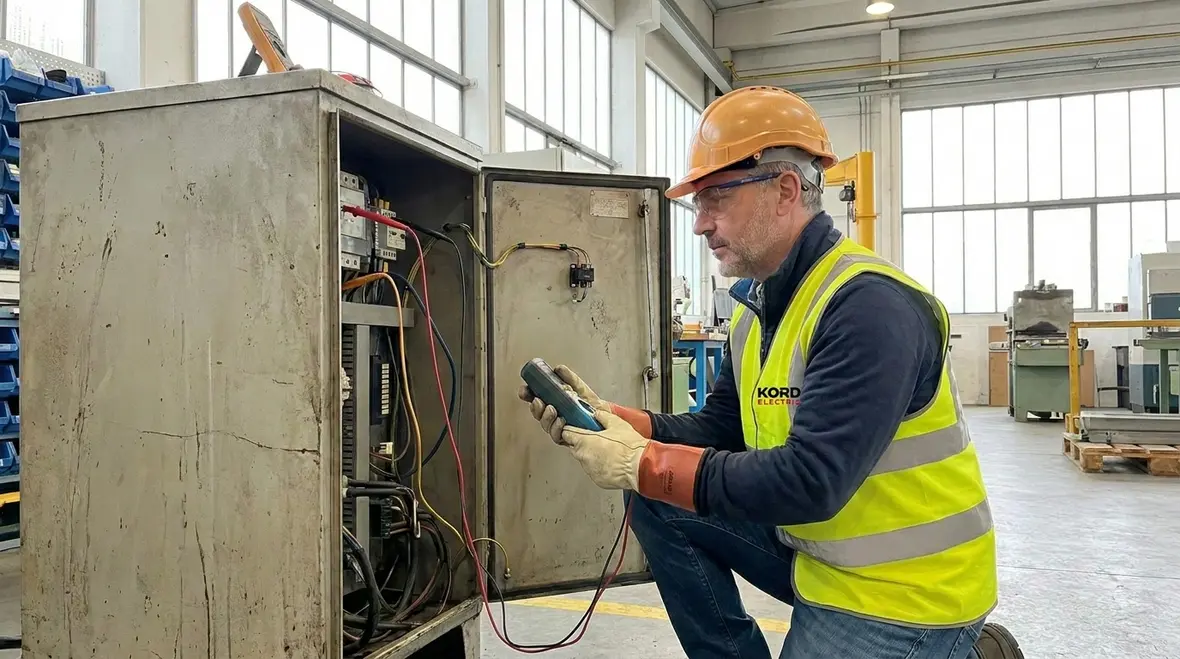
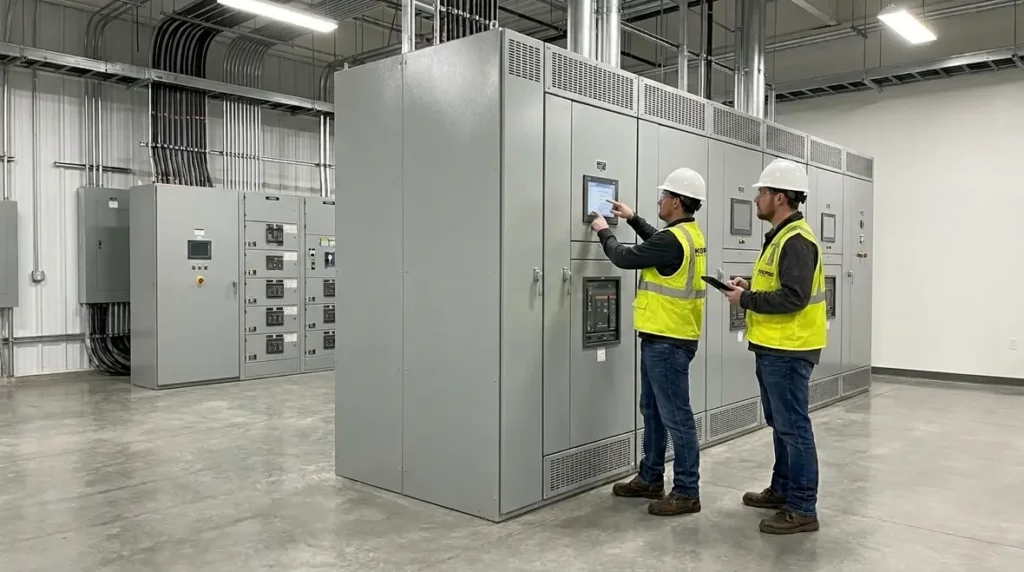
Commercial electrical systems carry more than power. They carry responsibility. When we perform commercial electrical load testing, we help confirm that components handle real demand instead of ideal paperwork. Load testing verifies how panels, feeders, transformers, switchgear, busbars, and protection devices respond when the site runs the way it actually runs. In other words, we stop the system from pretending it is fine at 2 a.m. when the building is half asleep.
To make this practical, we look at how current flows, how voltage holds, and how heat behaves. When voltage dips, motors and drives can draw more current. That extra draw can stress connections, degrade insulation faster, and shorten equipment life. Additionally, protection settings may behave differently under load. That matters because the goal is simple: protect the facility without causing nuisance trips that interrupt operations. Our technicians document findings, then we discuss what the results mean for your specific commercial or industrial setup.
How voltage behavior affects safety and reliability
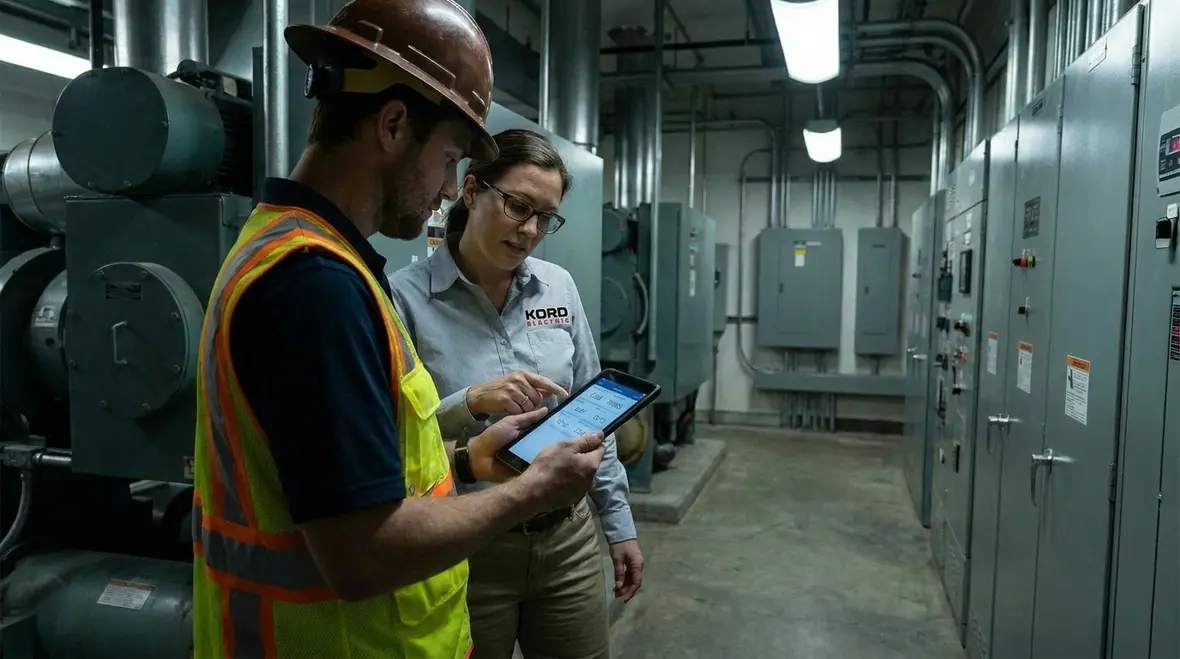
Voltage issues do not always look dramatic. Often, they start as subtle problems that grow over time. In commercial and industrial environments, even small voltage fluctuations can create big operational effects, especially when multiple processes run at once. When we align our work with what we see in voltage fluctuation conditions, we help clients connect the dots between electrical performance and real-world risk. For a deeper dive into this topic, many facility teams also explore how voltage fluctuations in commercial and industrial buildings affect sensitive systems and long term reliability.
From our perspective at Kord Electric, voltage quality and load performance work together. For example, when voltage drops under load, equipment can draw more current to maintain output. That additional current increases conductor stress and connection temperatures. Over time, that can lead to insulation breakdown, damaged starters, or premature failure of sensitive electronics. Further, unstable voltage can cause power supplies to work harder than intended.
That is why we use our field experience and our testing approach to evaluate how the system performs under load, not just how it looks when the building is calm. Our expert service staff also guides facility managers through what they should look for next, including operational patterns that often trigger the worst conditions.
Quick practical note: If your operations include large motors, HVAC systems with variable drives, compressors, or production equipment, voltage dips tend to matter even more. And yes, these systems can run fine until one day they do not. Electrical systems love plot twists.
Our approach to load testing in real buildings
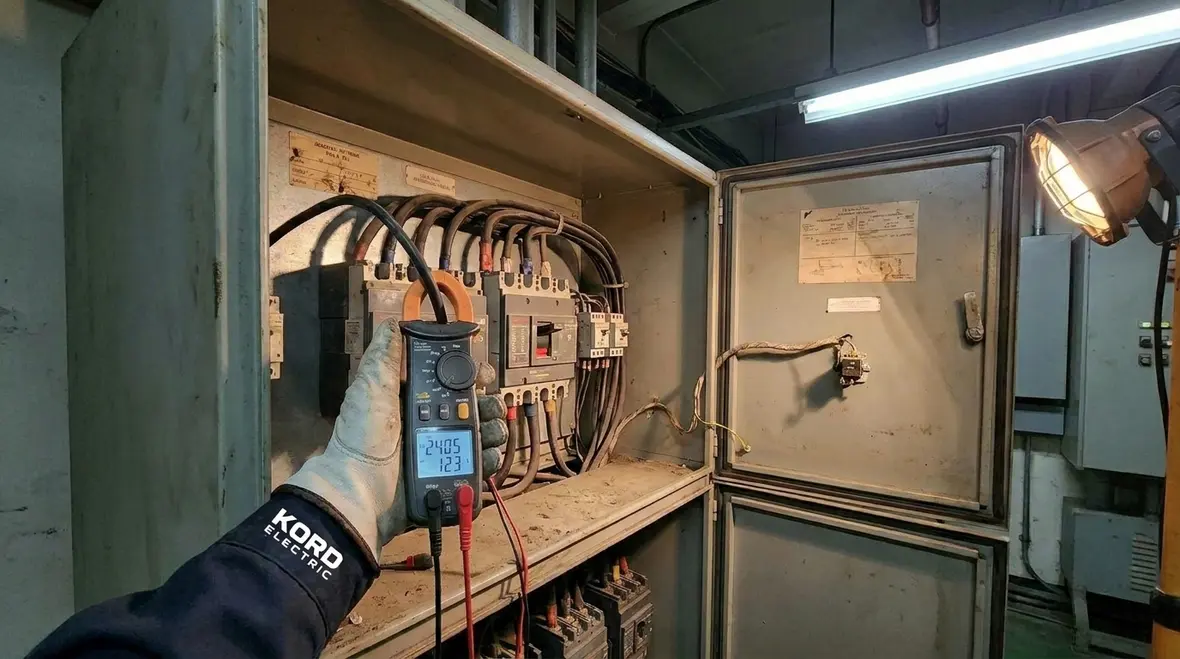
Every commercial and industrial facility has its own rhythm, and we respect that. First, we review the facility’s electrical one lines, equipment ratings, and operating schedule. Then we plan the test so we replicate the real load your building carries. After that, we run measurements at conditions that match day-to-day operation, not only at a convenient time that hides the problem.
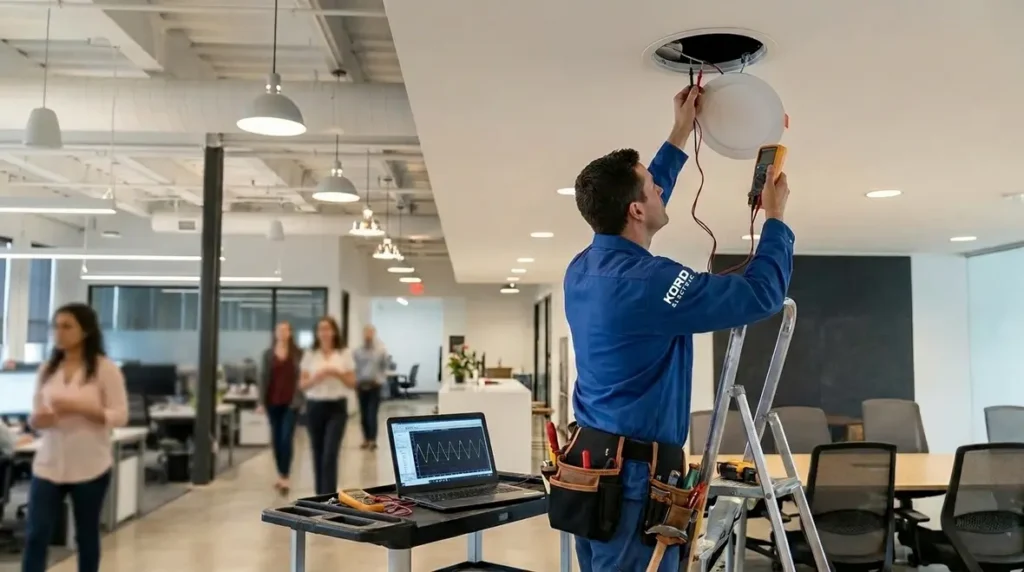
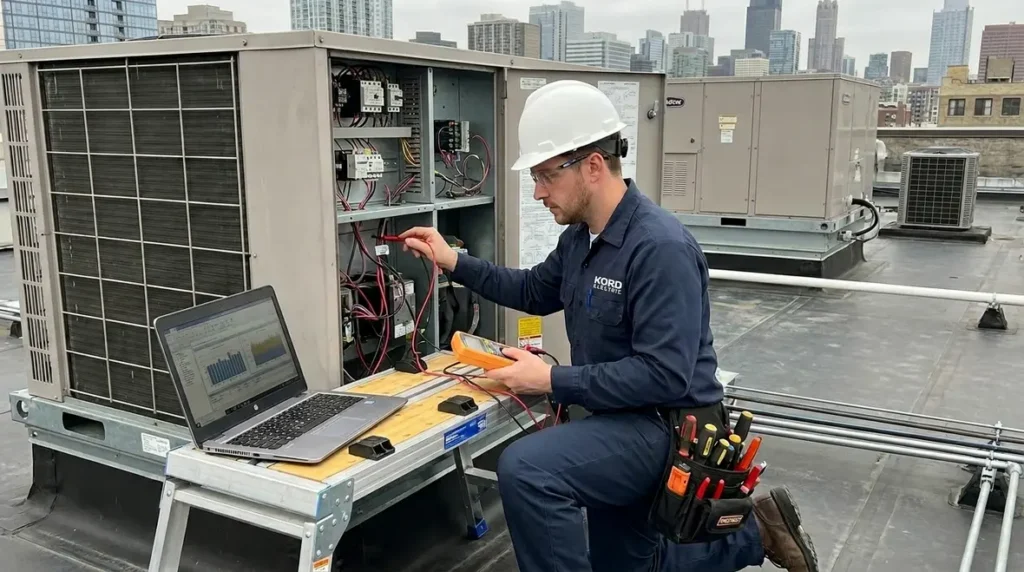
Next, our technicians measure key electrical parameters and observe how they change as load varies. We watch for signs that equipment struggles, including abnormal voltage drop, unexpected current draw, and results that point to connection issues or protective device behavior that needs adjustment. We also coordinate with your team to reduce disruption during testing because downtime is not a “maybe.” We treat it like the risk it is.
Once the test completes, we analyze the data with a focus on safety outcomes. We then explain our findings in a way that helps decision makers act. In plain terms, we outline what is working, what is trending toward failure, and what deserves attention first. Meanwhile, our expert service staff walks through the recommended next steps so you can plan maintenance and upgrades without guessing.
We keep the conversation business casual, but the engineering serious.
Common risks we detect before they become outages
Load testing does not exist to find “mystery problems.” It finds the measurable ones. In commercial and industrial buildings, the risks often come from wear, aging, installation details, and equipment changes over time. So, when we run commercial electrical load testing, we look for issues that can compromise safety and increase failure probability.
Here are examples of what we commonly identify:
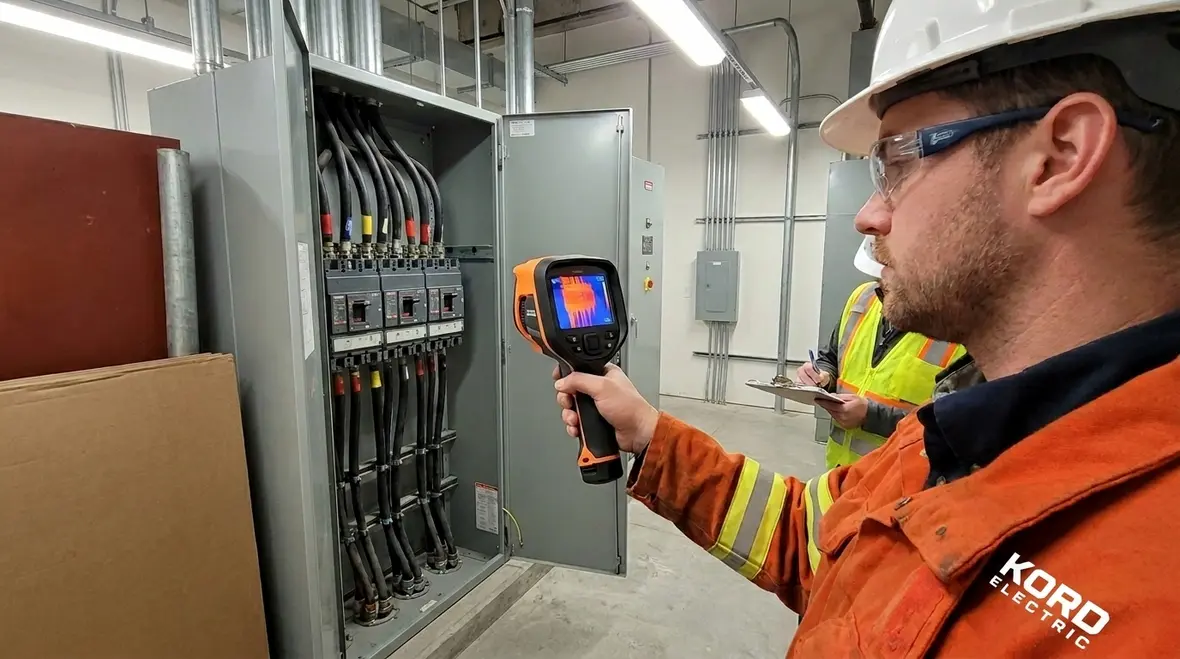
- Overheating risk at connections: Poor terminations, corrosion, or loose connections can create resistance. Under load, that resistance turns into heat.
- Unstable voltage under demand: Voltage drop that exceeds expected limits can stress equipment and reduce performance.
- Protection coordination concerns: Protective devices might react differently than intended when the load profile matches real use.
- Transformer or feeder performance issues: Systems can drift from their original conditions, especially in facilities with growing demand.
- Motors and drives stress: Drives and motor circuits can react quickly to voltage and current changes, which can accelerate wear.
Furthermore, our testing helps facility owners avoid the “it tripped once, so it is probably fine” mindset. That mindset is the electrical equivalent of ignoring a smoke alarm because the battery chirped yesterday and not today. Eventually, the building decides to make its point.
How we explain results to facility teams and decision makers
We do not just hand over a report and vanish into the electrical ether. At Kord Electric, we explain results so teams can understand what matters, why it matters, and what to do next. Our technicians and expert service staff keep the focus on commercial and industrial facilities, since the testing priorities and risks differ from smaller, light use sites.
In our discussions, we typically cover three things. First, we confirm the system’s ability to meet load safely. Second, we highlight any trends that suggest the system is moving toward an issue. Third, we recommend practical actions such as targeted inspections, connection corrections, protective device verification, or planned upgrades.
Also, we help clients connect the electrical findings to operational impacts. If voltage sag correlates with specific production cycles, maintenance windows, or HVAC start times, we point that out. Then we help teams align electrical improvements with business goals.
To make the process smoother, we maintain clear communication and set expectations for testing conditions, access needs, and any coordination required with your operations team. That way, we respect your schedule while we still deliver the quality of data you need.
For facilities that want an even broader safety net, it is common to connect commercial electrical load testing with structured electrical preventive maintenance programs. That combination helps detect hidden issues early, keep documentation organized, and turn one-time tests into a long-term reliability strategy.
FAQ about load testing and voltage performance
Schedule commercial electrical load testing with Kord Electric
Safety does not happen by luck, it happens by verification. Kord Electric helps commercial and industrial facilities confirm electrical performance under real load so your team can reduce risk, avoid unplanned downtime, and plan maintenance with confidence. Our technicians and expert service staff explain results clearly and recommend next steps that fit your operations. If voltage behavior or load demand has changed, or if you want a stronger safety baseline, contact us today. Let us test what matters, then help you protect what you built.
If your facility is already dealing with unexplained breaker trips, flickering lights, or process interruptions, pairing commercial electrical load testing with dedicated emergency electrical services ensures that urgent issues are stabilized quickly while long term reliability plans are put in place. That way, you address today’s problem and tomorrow’s risk with the same focused team.
Whether you are planning a new maintenance strategy, responding to recent voltage concerns, or simply ready to move from “we hope it is fine” to “we know it is safe,” Kord Electric is ready to help you schedule commercial electrical load testing on your terms and your timeline.