Commercial Electrical Load Testing for Safer Facilities
Commercial electrical load testing that keeps your facility safe
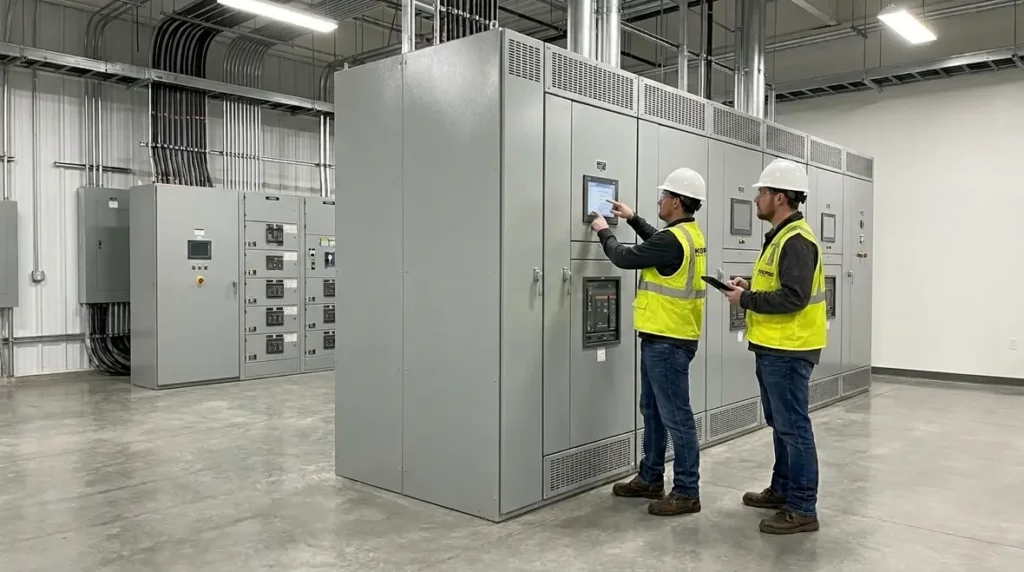
Kord Electric starts every safety conversation with commercial electrical load testing. We run practical checks that show how your electrical system behaves when real power demands hit it, not just when it looks fine on paper. And yes, we know “it passed inspection” sounds comforting, like a sitcom rerun. However, loads change, equipment ages, and hidden issues can simmer until they decide to become expensive problems. That is why our team of trained technicians and expert service staff evaluates your system under real conditions, so your commercial and industrial facility stays protected, efficient, and ready to operate.
To move from suspicion to certainty, we use structured testing, clear explanations, and documentation you can hand to property managers, facility leaders, or your internal safety team. Then, we recommend the next steps with a straight face and a calm plan, not a panic speech.
Why electrical safety depends on real loads
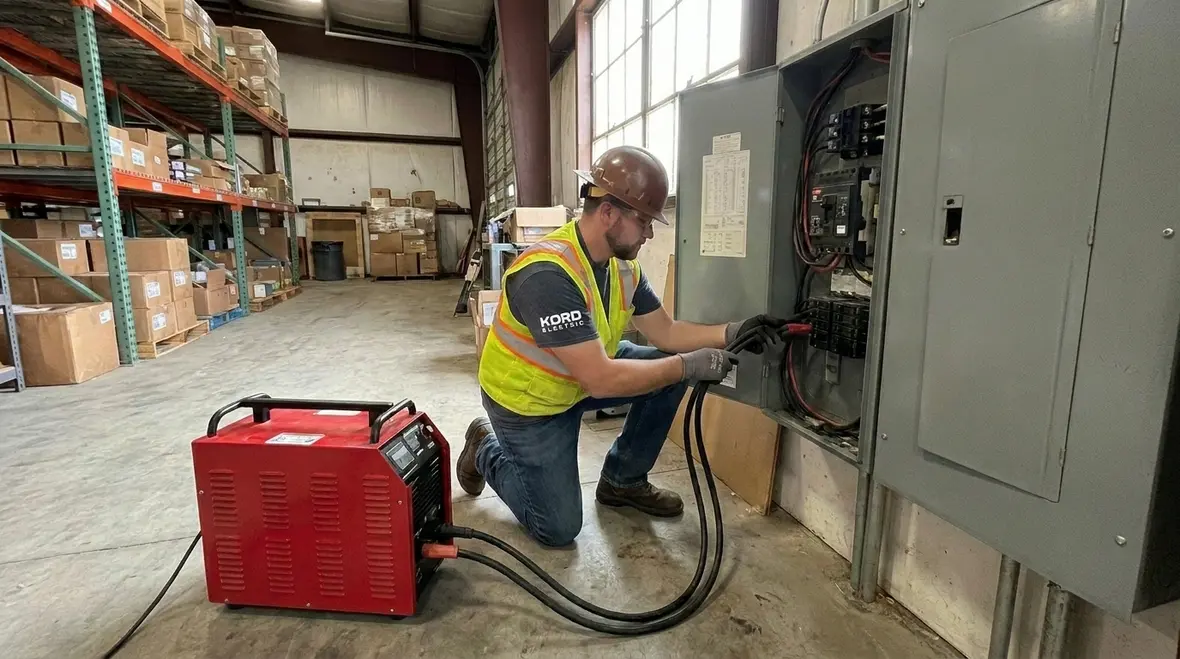
Electrical safety does not live in a single measurement. Instead, it comes from how components work together while power flows. When facilities carry motors, drives, lighting, HVAC, refrigeration, charging stations, process equipment, and increasingly complex building systems, the demand profile can swing across the day. Therefore, an overburdened circuit, a failing connection, or a weak protective device may hide during light-use hours and only reveal itself when commercial electrical load testing pushes the system closer to what it sees during real operations.
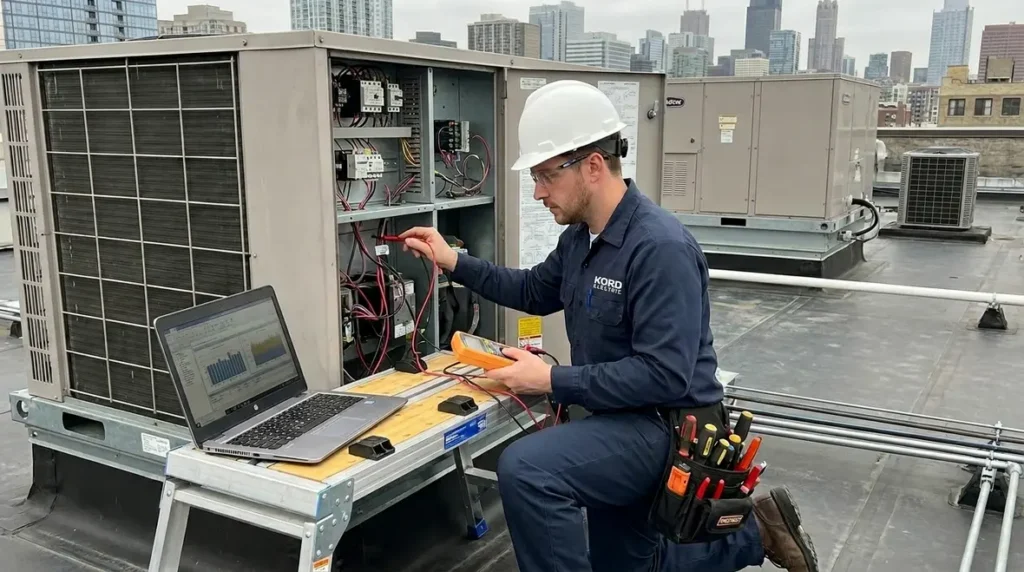
During commercial electrical load testing, we apply controlled load and observe system response. As a result, we can detect early warning signs such as overheating risk, voltage drop under demand, abnormal current draw, and instability that can stress insulation and terminations. In short, we reduce the odds that a small electrical fault turns into a large outage, and we do it before production schedules get hit.
This kind of testing also gives your team context for other risk factors already at play in large facilities, like the hidden issues described in Kord Electric’s insights on hidden electrical risks in commercial buildings and the long-term strategies outlined in their guidance on commercial and industrial electrical maintenance plans. When you combine load testing, preventive maintenance, and clear reporting, you move from guesswork to a defensible safety program.
What technicians check during load testing
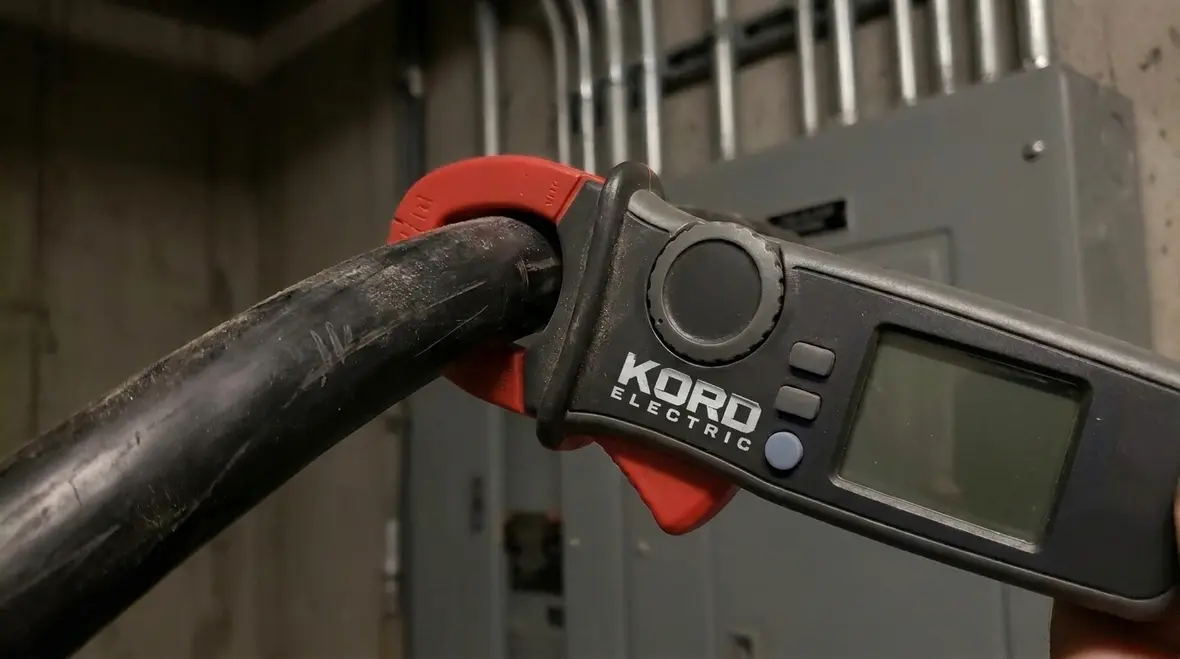
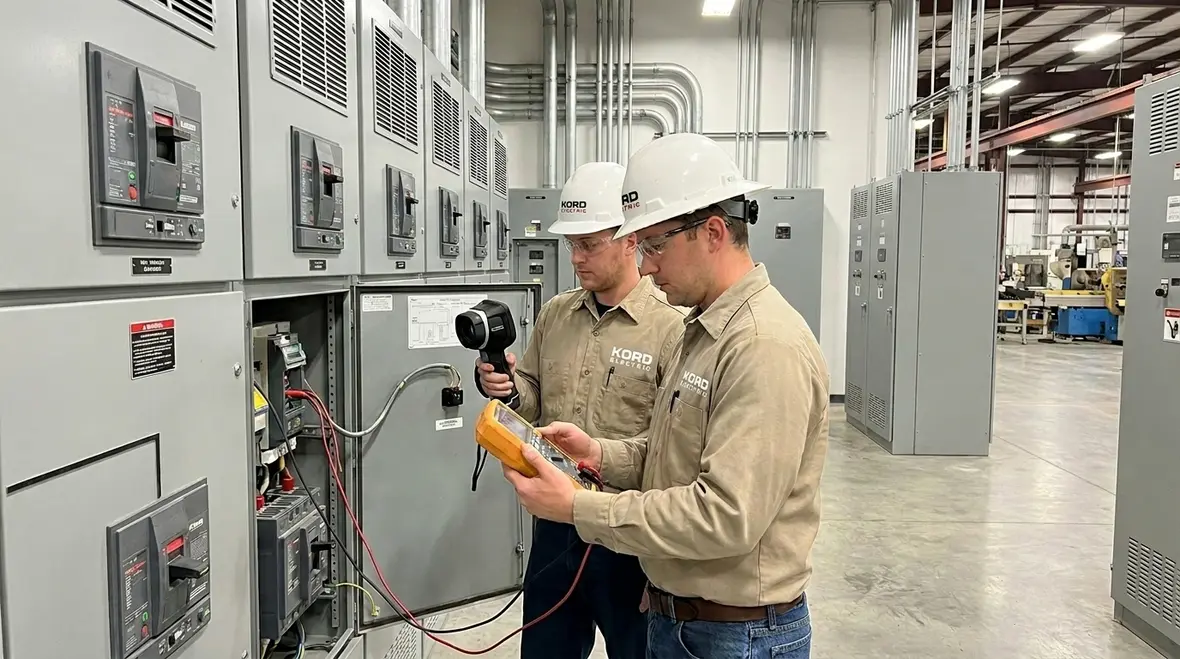
Our technicians treat each test like a careful audit of your electrical reality. First, they review the facility’s electrical one line, panel schedules, past maintenance, and known issues. Next, they verify equipment condition and test points, then they select a load approach that matches how your building actually operates instead of pretending every day looks like a quiet Sunday afternoon.
Then the real work begins. We focus on data that helps safety teams make decisions:
- Voltage behavior under load, because low voltage can cause motors to overheat and control systems to act strangely
- Current draw and imbalance, since uneven loading stresses components and can worsen over time
- Thermal risk indicators by looking for patterns that lead to hot spots at connections and bus bars
- Protective device performance so breakers and fuses respond correctly when demand rises
- System stability during transitions, such as HVAC cycling, elevator use, large lighting sweeps, or startup surges on process equipment
Importantly, our expert service staff explains what we see in plain language. We do not bury clients in acronyms. Instead, we translate results into what it means for safety, downtime risk, and long term reliability. If your team has questions, we answer them like professionals who enjoy doing the job right, not like a portal that only shows error messages.
Voltage fluctuations and commercial power performance
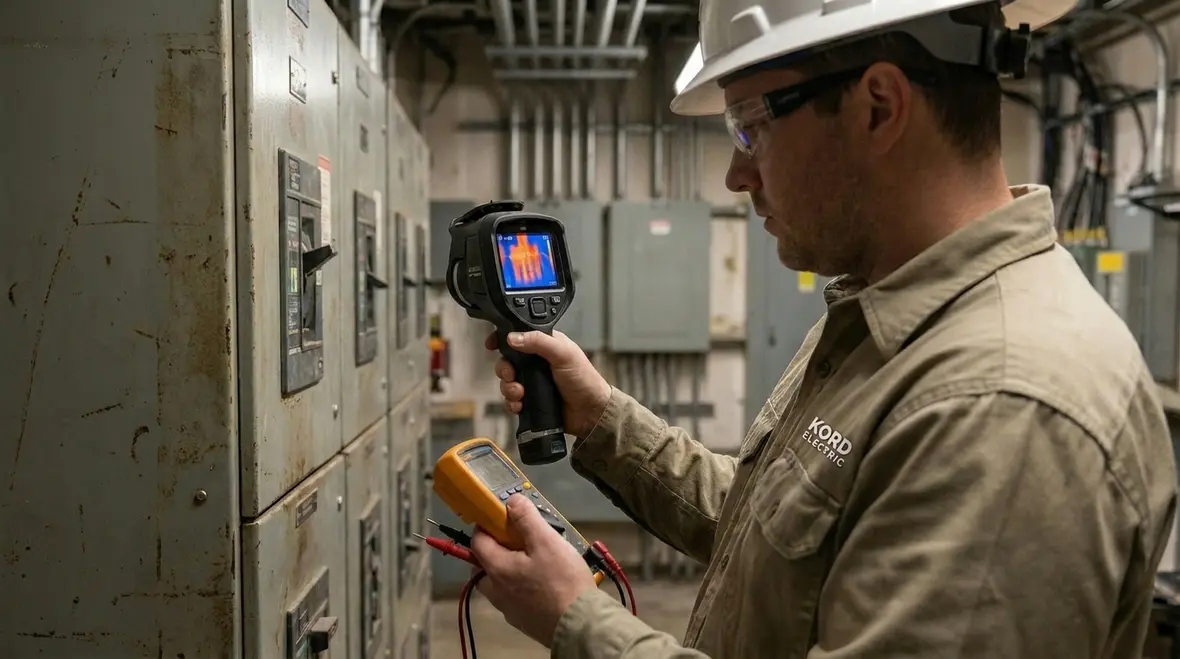
Even well built facilities can experience voltage fluctuations because of demand changes, utility conditions, and internal electrical load behavior. When voltage moves outside expected ranges, equipment stress increases. Motors can draw more current, drives can trip, and sensitive controls can behave like they forgot their job description. In environments with data centers, commercial kitchens, labs, or automated production lines, that kind of instability is more than annoying—it is expensive.
Kord Electric works with major property buildings and industrial sites, where electrical systems often run close to the edge of comfort. For example, during peak demand hours or when large equipment starts, voltage dips can occur and recover. Over time, that pattern can degrade components. Our team also references the types of issues covered in our guidance on voltage fluctuations in commercial and industrial facilities, including causes like load switching, aging infrastructure, and distribution constraints that quietly nudge your system away from its design intent.
Therefore, load testing becomes more than a safety checkbox. It gives us evidence of how your system handles real demand, so we can pinpoint whether the concern sits inside your panels, your distribution, or the way power arrives at the building. In addition, it helps us identify mitigation options such as balancing, connection improvements, harmonic considerations, or coordination tuning where appropriate—all of which fold naturally into a broader preventive maintenance strategy like the one outlined in Kord Electric’s electrical preventive maintenance programs.
How load testing prevents fires, outages, and downtime

Electrical hazards rarely show up as a dramatic lightning strike. Instead, they grow quietly. Loose connections, worn terminations, and degraded insulation can form high resistance points. Then, heat builds. After that, the system gets more stressed each day until something fails.
Commercial and industrial facilities face higher consequences because downtime stops work, impacts safety, and can trigger costly production delays. So we focus on prevention. When we run load scenarios as part of commercial electrical load testing, we can reveal conditions that lead to unsafe behavior, including:
- Undersized conductors or overloaded feeders that raise temperature and risk
- Inconsistent performance when motors start, which can indicate weak stability or poor coordination
- Connection issues that act fine until real current hits them
- Protective device mismatches that reduce fault clearing effectiveness
- Hidden voltage fluctuation issues that slowly damage sensitive equipment and create nuisance trips
And to be clear, we do not do this just to feel busy. We do it because safety teams need answers that hold up when decisions get serious. If your facility has a maintenance meeting next week, you should walk in armed with data, not a guess and a prayer. The goal is simple: keep your electrical system predictable, so unpleasant surprises stay off the agenda—and off the incident report.
Building a safer program with clear reports and next steps
When we finish testing, we compile results in a format that helps decision makers act fast. Our expert service staff explains findings, priorities, and recommended actions in a calm, business focused way. Then we align the plan with the facility’s operating schedule so repairs do not disrupt production, tenant operations, or critical services.
Also, we help clients think beyond one event. Instead of treating testing like a one time event that vanishes into a folder, we build a safer program. Depending on your facility’s complexity and history, we may recommend follow up verification, targeted inspections, and a schedule that matches equipment usage cycles. For higher risk or mission-critical environments, that often means pairing load testing with structured programs like Kord Electric’s dedicated electrical preventive maintenance services and, when needed, rapid support from their emergency electrical services team.
Here is the practical workflow we often use for commercial and industrial facilities:
- Plan the load approach based on your equipment usage and priorities
- Test under realistic conditions and capture key electrical performance data
- Review results with your team and explain what they mean for safety
- Recommend repairs, balancing, coordination improvements, or further checks
- Document for compliance, maintenance planning, and internal risk control
Yes, spreadsheets can be exciting. No, they are not as thrilling as a blockbuster finale. But they do carry the plot of your electrical safety, and nobody likes a cliffhanger when power is on the line. The more clearly your reports link commercial electrical load testing results to tangible next steps, the easier it becomes to secure budgets, schedule corrective work, and prove due diligence to insurers, regulators, and corporate leadership.
FAQ: Commercial and industrial load testing
Ready to protect your electrical system with Kord Electric?
If your commercial or industrial facility needs electrical confidence, we are ready to help. Kord Electric delivers thorough commercial electrical load testing, clear explanations from our expert service staff, and recommendations that support safer operations. Then we document what we find so your team can plan repairs and reduce downtime risk. When paired with services like electrical preventive maintenance or project-based solutions such as lighting installation services, load testing becomes a cornerstone of a long-term reliability strategy instead of a one-off event.
Contact us to schedule an assessment and move from “we think it is fine” to proof you can trust. Your building runs on electricity. Let us make sure it runs safely, efficiently, and with fewer surprises.