Commercial Electrical Load Testing for Safety
At Kord Electric, we treat commercial electrical load testing like a seatbelt, not a decoration. In our experience, the fastest way to protect people, keep a facility running, and prevent expensive surprises is to measure how the electrical system behaves under real operating demand. When others only check equipment at idle, they miss the stress points that show up when motors start, HVAC ramps up, and production loads kick in. And yes, electricity loves drama. Unlike a sitcom, we cannot pause the episode.
In this guide, we explain why load testing matters for safety in commercial and industrial facilities, how our technicians approach it step by step, and what building owners should expect when they ask us for reliable results. We also connect these ideas to common voltage and power quality issues that can quietly build risk over time, including the kind of problems described in our resource on voltage fluctuations in commercial and industrial settings.
What commercial electrical load testing actually shows in real life
Commercial sites rarely run on a calm, steady “laboratory schedule.” Instead, loads rise and fall across the day, and that is where risk hides. With commercial electrical load testing, we apply controlled test conditions and we observe how voltage, current, harmonics, and thermal performance respond. Then we compare what we see to what the equipment should tolerate.
Because our technicians work directly in the field, we do not treat this as a box-checking exercise. We plan the test around your operating profile. First, we confirm what you run and when. Next, we select the right test approach for the panel, transformer, switchgear, feeders, and major end loads. Finally, we document the results in a way that facility leaders can act on.
If a building’s power system looks fine at a light load, it can still fail under peak demand. And when that failure involves bus bars, terminations, or protective devices, it can turn into heat, arcing, or nuisance shutdowns. We prefer fewer fireworks, not more.
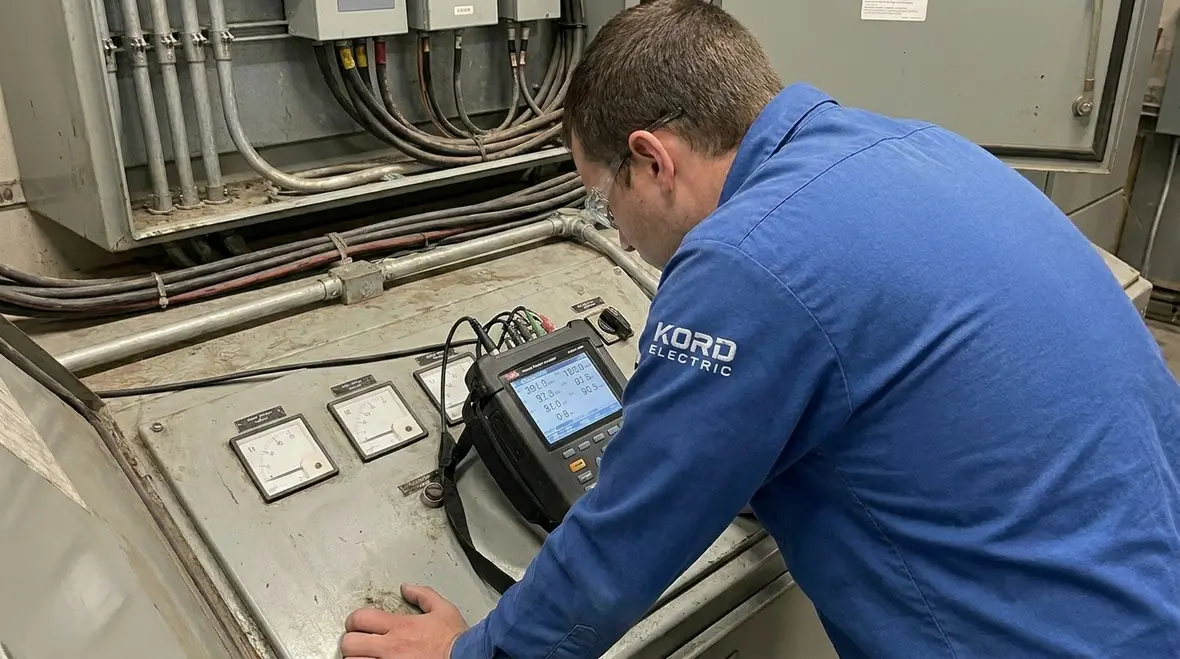
Why safety depends on load, not just voltage
Many safety conversations start with voltage, and that makes sense. However, voltage alone does not explain the full risk picture. Loads create heat through current, and heat accelerates insulation aging. Moreover, weak connections can look “normal” at low demand, then spike temperature when current climbs.
During commercial electrical load testing, we focus on the electrical stress that equipment experiences in your real conditions. That includes monitoring for signs that suggest problems such as overloaded conductors, abnormal voltage drop, or uneven loading across phases. Additionally, we evaluate whether protective devices and system components behave as expected during the test period.
In other words, we do not just measure numbers. We connect those numbers to what can harm people and equipment. When safety depends on how a system loads under demand, then a load-based inspection becomes the logical step, not an optional extra.
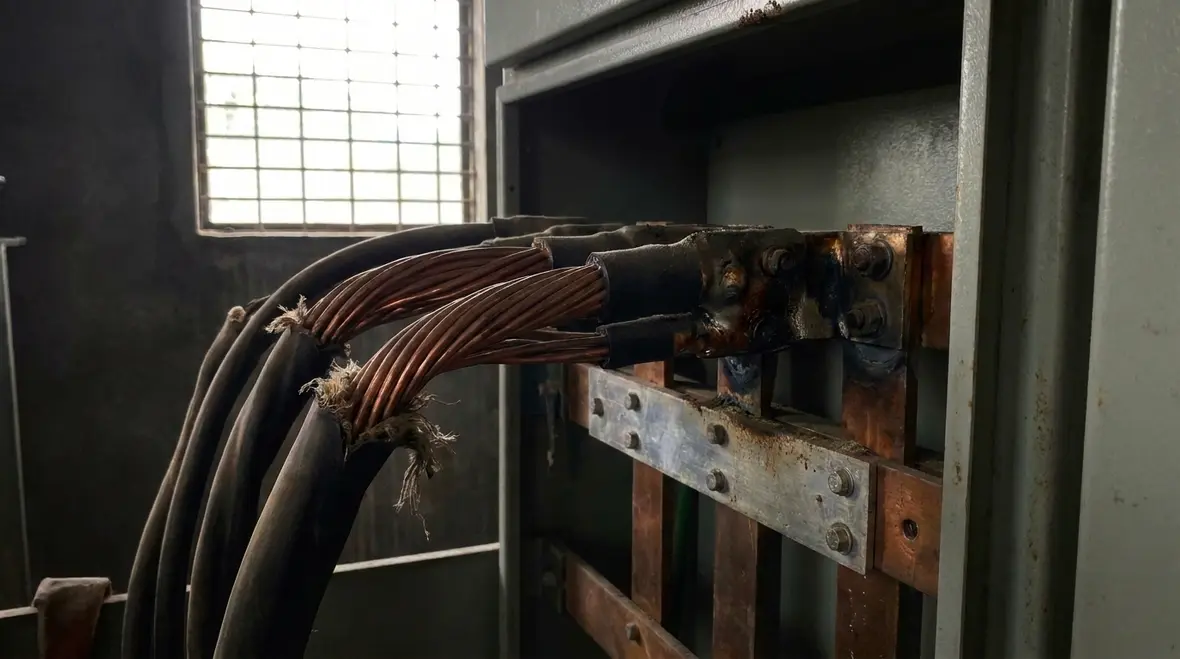
How load testing prevents hidden overheating and damage
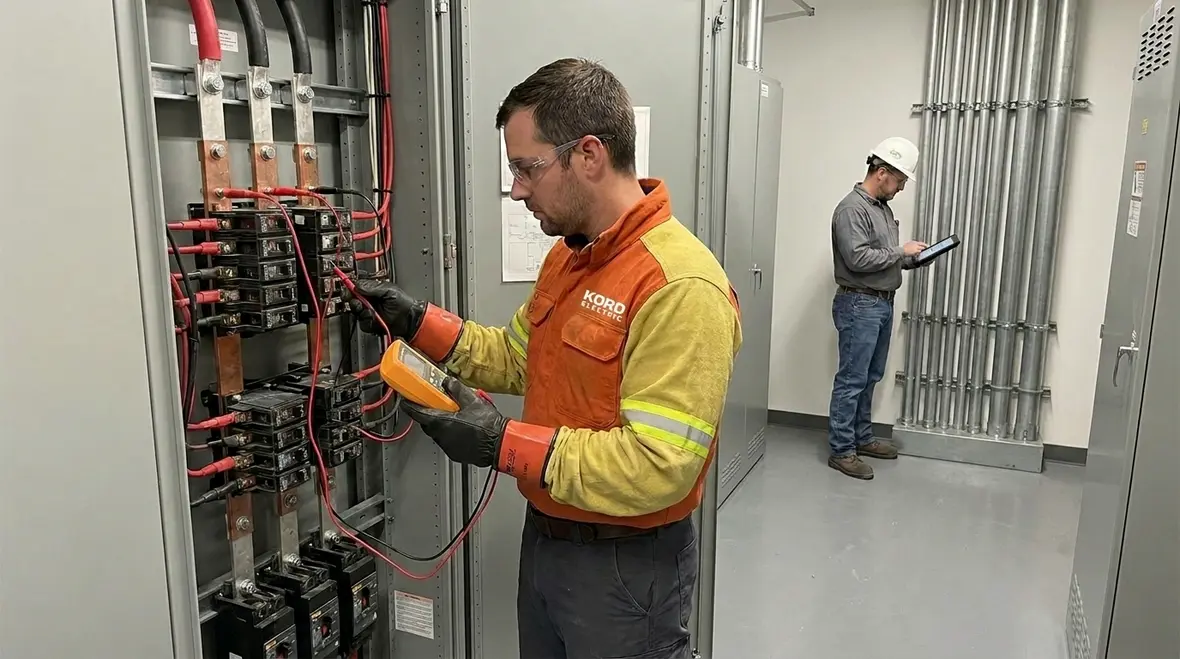
Thermal risk often starts quietly. Over time, loose terminations, degraded insulation, and corrosion in connections can increase resistance. Then, resistance turns electrical energy into heat. Eventually that heat can reach levels that degrade equipment, damage components, and raise arc flash potential.
Our expert service staff explains this in plain terms because operators and decision makers deserve clarity. We walk through what we are checking, why the test targets specific segments, and how we interpret warning signs. At Kord Electric, we prefer your staff to understand the “why” rather than only receiving a report that looks like it belongs in a science museum.
After we run the appropriate commercial electrical load testing, we compare the behavior of the system during load to expected performance. Then we help you prioritize fixes that reduce the chance of overheating. We also identify patterns that may point to upstream issues like transformer loading, feeder imbalance, or power quality disturbances.
And yes, this is the part where someone says, “But it worked yesterday.” Electricity does not care about yesterday. It cares about today’s load and tomorrow’s failure rate.
Power quality link: voltage fluctuations and system stress
Facilities often experience voltage fluctuations due to changes in demand, aging equipment, generator interactions, or utility supply variability. When voltage swings, loads respond in ways that can strain equipment. For example, motors can draw more current, lighting can flicker, and sensitive electronics can face higher stress. Over time, that adds up.
To stay consistent with our field findings, we tie our load testing approach to the types of concerns described in our guidance on voltage fluctuations in commercial and industrial environments. In practical terms, our technicians evaluate how the system holds voltage during real operating demand, not just when equipment sits idle.
As a result, we gain insight into whether voltage fluctuations align with your load peaks and equipment behavior. Then we can recommend corrective actions that reduce risk. Those actions might involve tightening maintenance on terminations, addressing imbalance, improving panel or distribution health, or coordinating power system upgrades. We aim for solutions that fit how commercial and industrial buildings actually run.
What our technicians do during the test
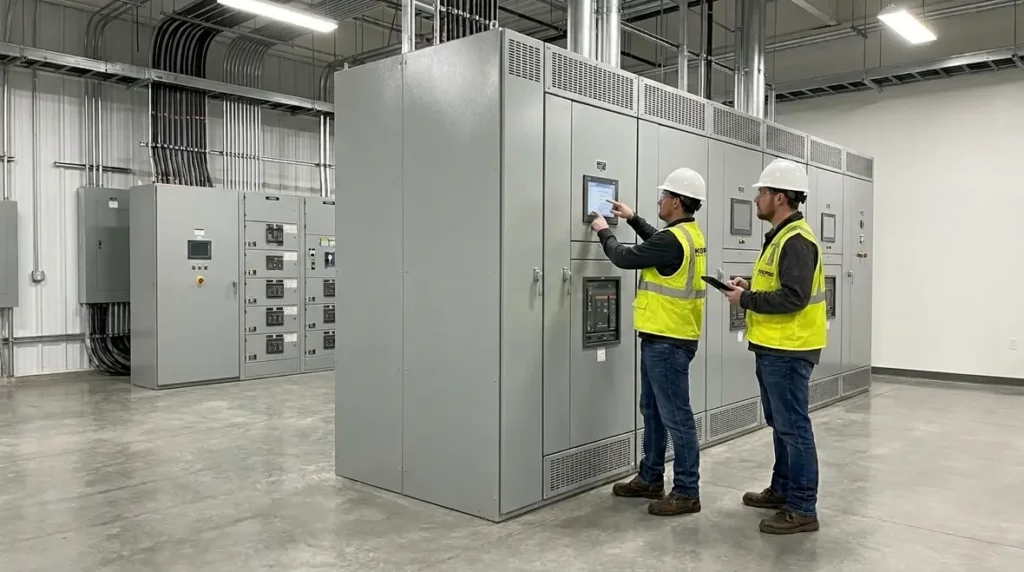
When we schedule commercial electrical load testing for a major property building, we treat the process like a controlled mission. First, our team reviews one line diagrams, load schedules, equipment ratings, and prior maintenance history. Then we plan access, safety steps, and test sequencing so the site stays stable.
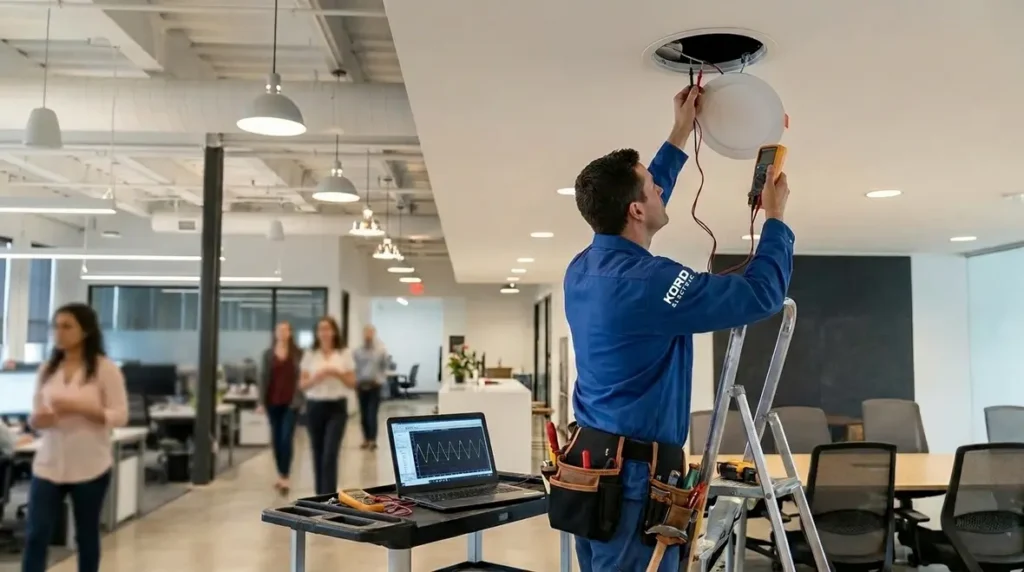
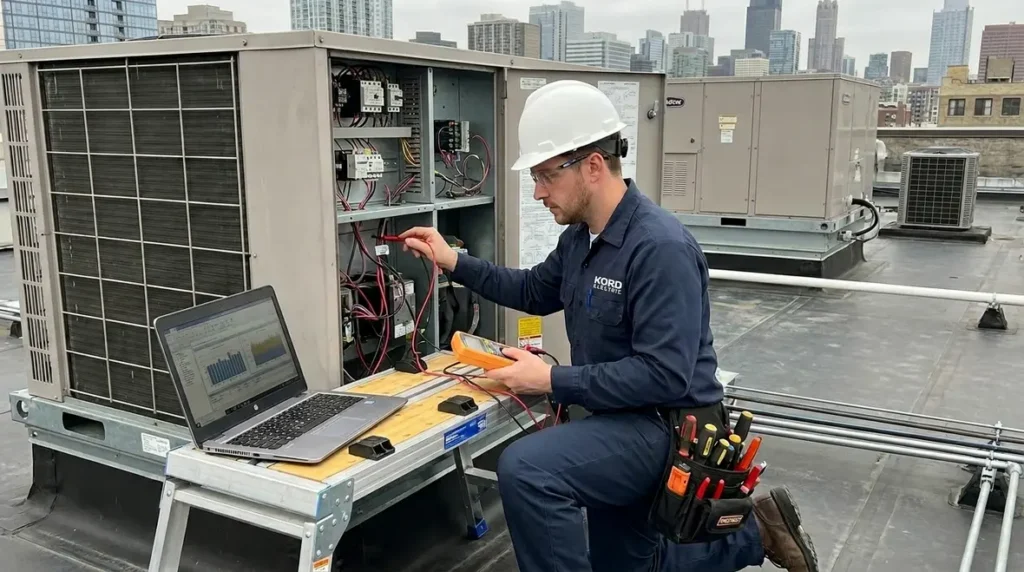
Next, we execute the tests in phases that reflect how your facility loads. We verify connections and measurement setup, and we monitor key electrical parameters while loads reach target levels. Meanwhile, our expert service staff documents observations and correlates results to specific components and operating phases.
Throughout the process, we keep communication steady. We explain what we see as we see it, because waiting until the end to translate what happened under load can waste time. Also, we do not rush. We run the tests long enough to confirm stable readings, not just a quick snapshot.
Then we deliver clear findings and practical recommendations that focus on commercial and industrial systems. We prioritize the items that matter most for safety first, followed by those that reduce downtime and protect your investment.
Reporting that helps owners make decisions, fast
Some reports read like a riddle. Ours do not. We structure our documentation so a facility manager, electrical supervisor, or property owner can understand risk and next steps without translating jargon.
We summarize test conditions, list key results, and highlight areas that deserve attention. Further, we tie those areas to the way the building performs during demand. This means your team can connect findings to real-world operations such as peak HVAC hours, production runs, or loading dock cycles.
Just as importantly, we recommend next steps with priorities. If a particular component shows signs of stress, we flag it for action. If the results suggest imbalance or voltage behavior that may contribute to equipment stress, we explain how it affects safety and performance. Then we offer options for corrective work that fit commercial and industrial needs.
In business, time is money and clarity is power. We bring both.
When should a facility schedule load testing?
We suggest load testing when you need a clear view of system health under actual operating conditions. That often includes situations like seasonal peaks, equipment upgrades, major tenant changes, or after new mechanical systems come online. Also, if your facility has experienced nuisance trips, overheating complaints, or persistent power quality concerns, load-based evaluation becomes especially valuable.
Another trigger is age and maintenance history. As electrical systems age, small issues can grow quietly. Load testing helps detect stress that standard checks may miss. Moreover, if you plan to improve energy efficiency or add production capacity, you should verify that the existing electrical distribution can handle the change safely.
For major commercial and industrial property buildings, we typically align testing with shutdown schedules or planned access windows to minimize disruption. We keep the process organized and we protect uptime. Because downtime is expensive, and we prefer your facility to keep earning revenue rather than hosting electrical troubleshooting.
For deeper planning around inspections and long-term reliability, many facility leaders also evaluate structured programs like Kord Electric’s dedicated electrical preventive maintenance services, which pair naturally with commercial electrical load testing for safety-focused operations.
FAQ
Call Kord Electric for safety focused testing
If you run a commercial or industrial facility, you deserve more than “it looks fine” assurances. We recommend commercial electrical load testing to verify electrical performance under real demand, reduce overheating risk, and support safer operations. Our technicians bring field experience, and our expert service staff explains results in clear language you can act on. If you want to protect equipment and people while keeping downtime low, contact Kord Electric today and schedule your assessment.
For facilities that want ongoing support beyond individual projects, Kord Electric also delivers structured electrical preventive maintenance programs for commercial and industrial properties, helping operators pair commercial electrical load testing with routine inspections, infrared scans, and system-level care.
If your building is showing signs of strain, outdated equipment, or recurring issues uncovered during testing, our team can also coordinate corrective work and system improvements through dedicated commercial and industrial service offerings, so your power infrastructure supports long-term safety, compliance, and uptime.
Whether you are planning preventive work or responding to emerging issues, partnering with Kord Electric for safety-focused testing and maintenance gives your facility a clear, practical roadmap for keeping critical electrical systems reliable.