Commercial Electrical Load Testing for Safer Buildings
Why commercial electrical load testing keeps your business safer
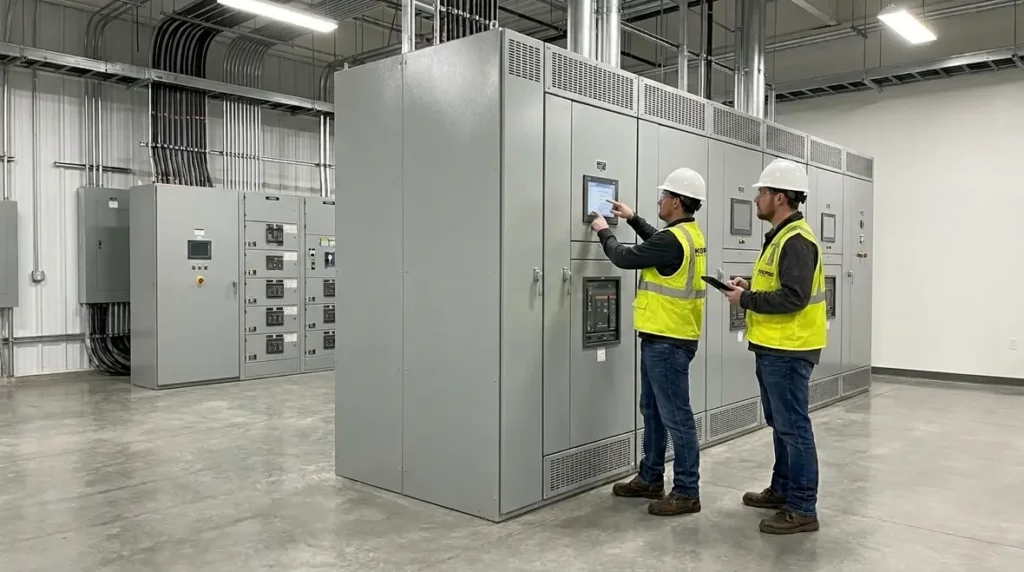
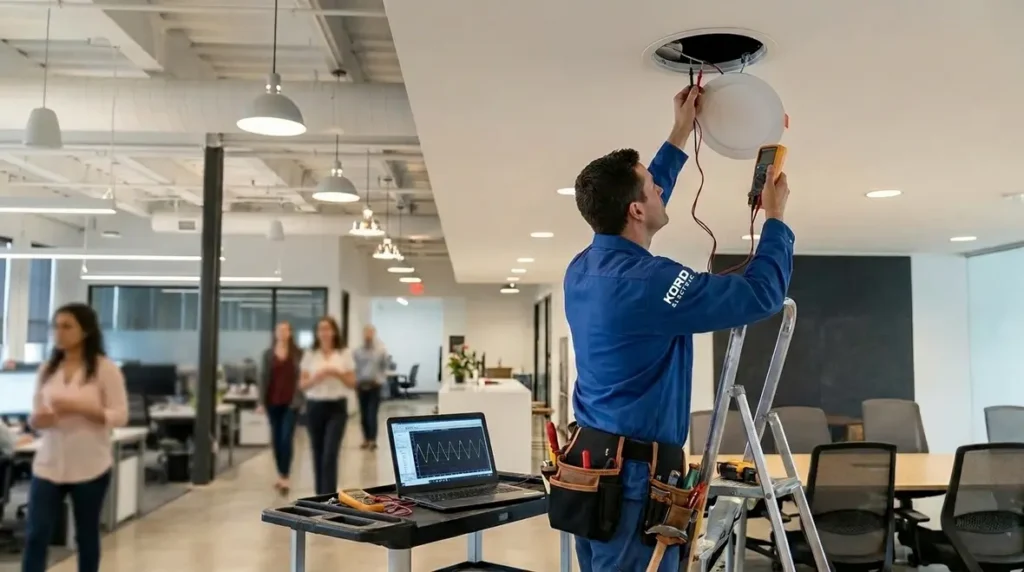
At Kord Electric, we start our site visits by running commercial electrical load testing as a key part of a safety and reliability plan for commercial and industrial facilities. We do it early, because electricity does not care about deadlines, budgets, or how confident someone feels about a breaker that is “probably fine.” When load testing is done correctly, it shows how your electrical system performs under real demand, not just in theory. And so, we can spot weak links before they turn into outages, overheating, or costly damage.
In this article, our certified technicians explain what the testing actually reveals, how it connects to voltage stability, why it matters for life safety, and what steps we take to keep major property buildings running smoothly. We also address common issues found in large commercial spaces, like HVAC heavy loads, long feeder runs, and aging switchgear.
What load testing reveals in a real facility

Commercial and industrial buildings rarely use electricity in a neat, steady way. Instead, loads change with seasons, occupancy, production schedules, and equipment cycling. Therefore, commercial electrical load testing helps confirm that the system handles current and heat the way it was designed to.
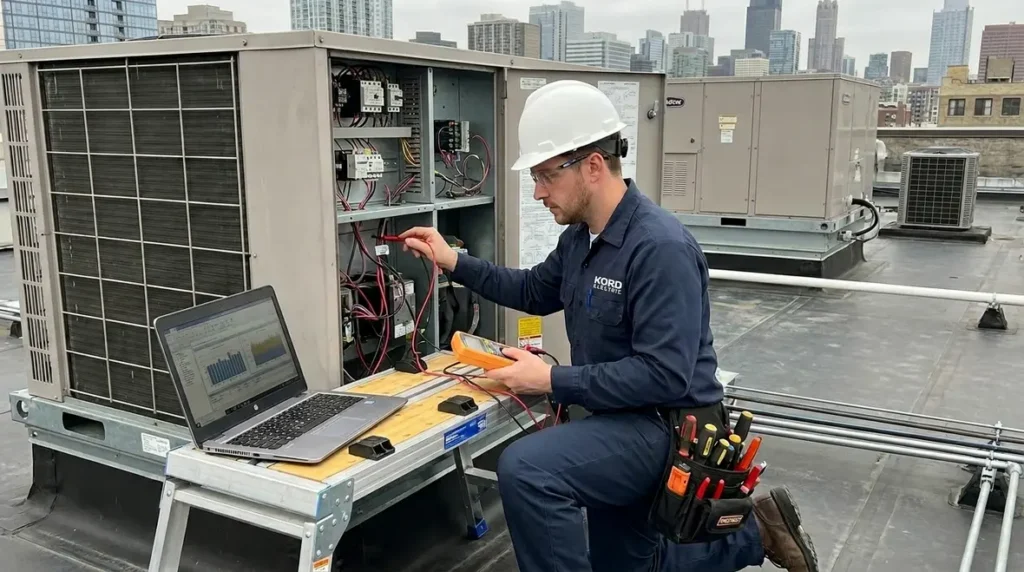
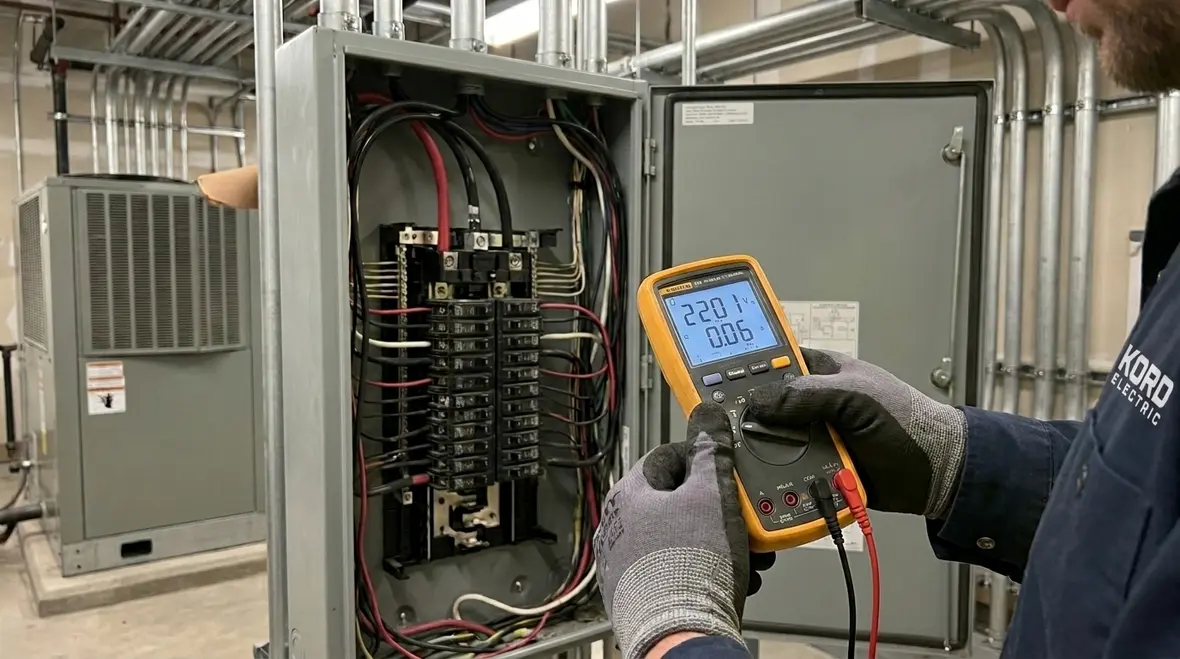
When our expert service staff performs load testing, they measure performance while equipment is operating. We look at power flow behavior, voltage response, current draw, and how stable the system remains when it is asked to work. Then we compare that behavior to the expectations for your panels, feeders, transformers, and distribution equipment.
Think of it like testing a restaurant stove while the kitchen is actually cooking dinner for a full house. “It heats up” is not the same as “it holds temperature when orders pile up.” Electricity is the same. When a system is stressed, it shows you the truth.
To keep things practical, we also prioritize the parts that most often cause trouble in major property buildings: upstream feeders, switchboard connections, busbar joints, and any devices that sit quietly until the day something overheats. If something is loose, corroded, or aging, load testing provides the conditions that can bring it to light.
How safety improves when voltage stays steady
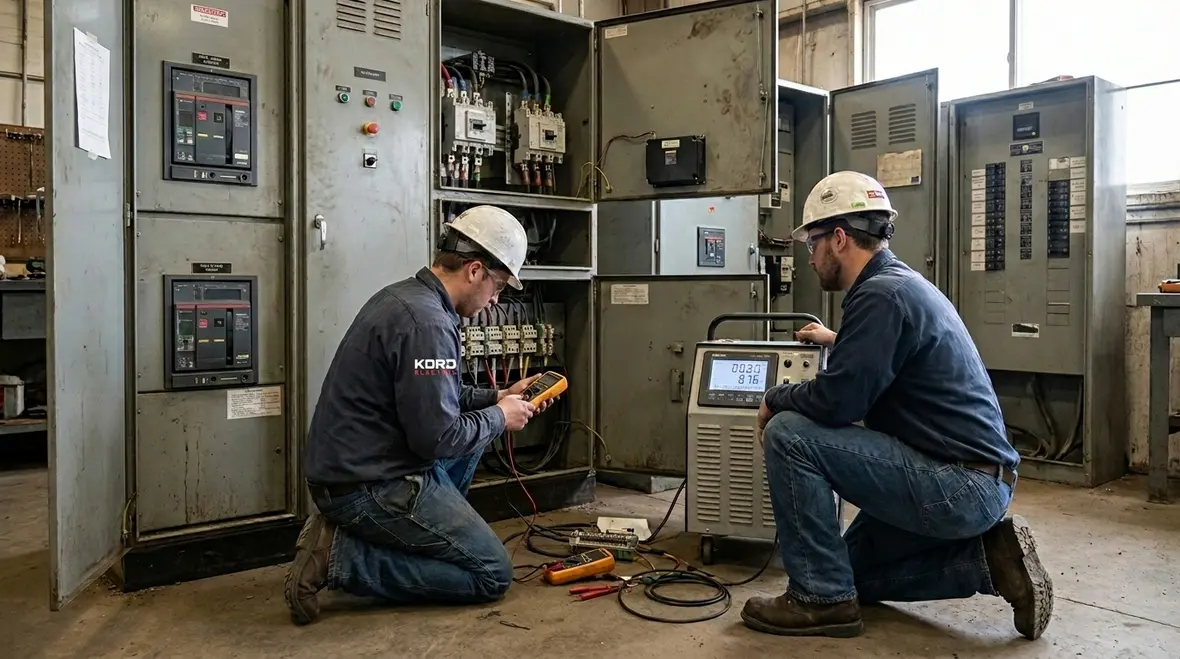
Many electrical problems start with voltage problems. And voltage problems can show up long before a full failure. For that reason, our team often connects load testing results with findings related to voltage fluctuations in commercial and industrial settings.
On our site, we explain how voltage fluctuations can lead to stress on equipment, nuisance trips, reduced motor performance, and overheating risks. When supply voltage swings outside safe ranges, motors, drives, and sensitive electronics can draw more current than expected. As a result, the system may run hotter, protective devices can behave unpredictably, and insulation can age faster. For a deeper dive into this topic, you can explore our dedicated resource on voltage fluctuations in commercial and industrial facilities.
Additionally, when voltage drops under load, the electrical distribution network may not deliver current the way it should. That can create higher losses in conductors and connections, and those losses become heat. Heat is the silent saboteur. It does not announce itself with a drumroll. It just keeps building, and then one day it causes damage.
We also see how poor electrical stability affects operations. A facility may experience intermittent issues like random rebooting of controls, inconsistent HVAC performance, or production equipment slowing down. Load testing helps confirm whether the system responds properly to demand. When it does not, we can recommend corrective actions like tightening connections, addressing overloaded circuits, or adjusting the distribution setup.
Equipment damage, not just downtime

Commercial and industrial owners often focus on outages, which makes sense. However, safety risks go beyond a dark building. Electrical stress can damage equipment in ways that do not show immediately.
For example, when a system carries higher current due to inefficiency or voltage drops, insulation can deteriorate faster. Motors may develop shortened lifespan. Drives and control power supplies can be strained. Meanwhile, panelboards and switchgear can experience thermal stress at terminations where resistance exists.
So even if you do not lose power right away, you can still lose reliability. Then you end up replacing components sooner, paying for emergency repairs, and delaying planned work. No business likes surprise expenses, and yes, the electric bill can already feel like it has its own personality.
Our technicians treat this as a safety and continuity issue. We help others avoid the “it worked yesterday” trap by validating performance under load and documenting findings. When a site later experiences equipment issues, the records support smarter troubleshooting instead of guessing.
Our process: how our technicians perform the testing
To keep results dependable, our approach follows a careful workflow. First, we review the building’s electrical one line diagrams, recent maintenance notes, and the major loads that drive peak demand. Next, we identify test points within the distribution path, especially where current changes and where heat can build.
Then we coordinate with facility staff so operations remain safe and controlled. After that, we conduct commercial and industrial load analysis using appropriate equipment and measurement standards. We capture how the system behaves while connected loads run, and we verify readings at relevant intervals.
Once we collect data, our expert service staff explains what it means in plain language. We do not bury clients in spreadsheets that read like they were translated from a meteorological report. Instead, we connect measurements to safety impacts and real-world outcomes for major property buildings.
Finally, we recommend next steps. Those steps might include addressing connection quality, redistributing load, improving power quality, or updating protection settings. We also help others prioritize actions by risk so the most urgent safety issues get attention first. For many facilities, pairing commercial electrical load testing with a structured electrical preventive maintenance program provides the best long-term protection.
What clients often miss before testing
When others delay load testing, they usually assume problems will be obvious. Yet many failures start quietly. And in commercial and industrial spaces, the signals can look like normal operations.
Here are the things we commonly see overlooked during reviews, even in well-managed facilities.
- Connections that loosen over time due to thermal cycling and vibration
- Undersized components that cannot hold performance during peak demand
- Hidden load growth from added equipment, upgrades, or expanding production
- Maintenance gaps such as missed torque checks, aging thermal interfaces, or corrosion at terminations
- Operational patterns that create unpredictable load swings during critical hours
And yes, sometimes the facility “looks fine” because it kept running. That is not the same as being safe. A system can run for years while slowly drifting out of best operating conditions. Then the day comes when stress lines up with an aged connection, and safety becomes the headline.
Connecting load testing with broader electrical planning
Commercial electrical load testing also fits into a broader strategy for electrical resilience. In many large properties, we combine test results with recommendations for lighting upgrades, panel improvements, or power quality corrections. For example, when load data reveals recurring stress on certain branches, it may be time to consider targeted upgrades or to coordinate with projects like lighting installation services for commercial and industrial facilities so new loads are added intelligently.
The same principle applies to long-range planning. Properties that expect growth, new tenants, or additional equipment can use load testing data to design future projects with realistic capacity in mind instead of guesswork.
FAQ about commercial load testing for major property buildings
Conclusion: take safety personally with Kord Electric
Safety is not a slogan for our clients’ buildings. It is a process, and it needs data. With commercial electrical load testing, we verify how your system performs under real demand, connect the dots to power quality and voltage stability, and help prevent overheating, equipment damage, and disruptive failures. Our technicians take measurements carefully and explain results clearly. If you run a commercial or industrial facility or manage a major property building, contact Kord Electric today to schedule testing and get a safety plan you can trust.
If you are ready to move from “we think the system is fine” to “we know how it behaves under load,” consider pairing a targeted load study with ongoing support like our electrical preventive maintenance services. Together, they provide a structured path to safer, more reliable power for your commercial or industrial property.
For facilities planning upgrades or expansions, load testing data can also inform future projects such as large-scale lighting installation services or specialized systems like EV charger installation, so new infrastructure is built on a verified, stable electrical foundation instead of assumptions.