Commercial Electrical Load Capacity Assessment Guide
Why a Commercial Electrical Load Capacity Assessment Matters (and Why We Start There)
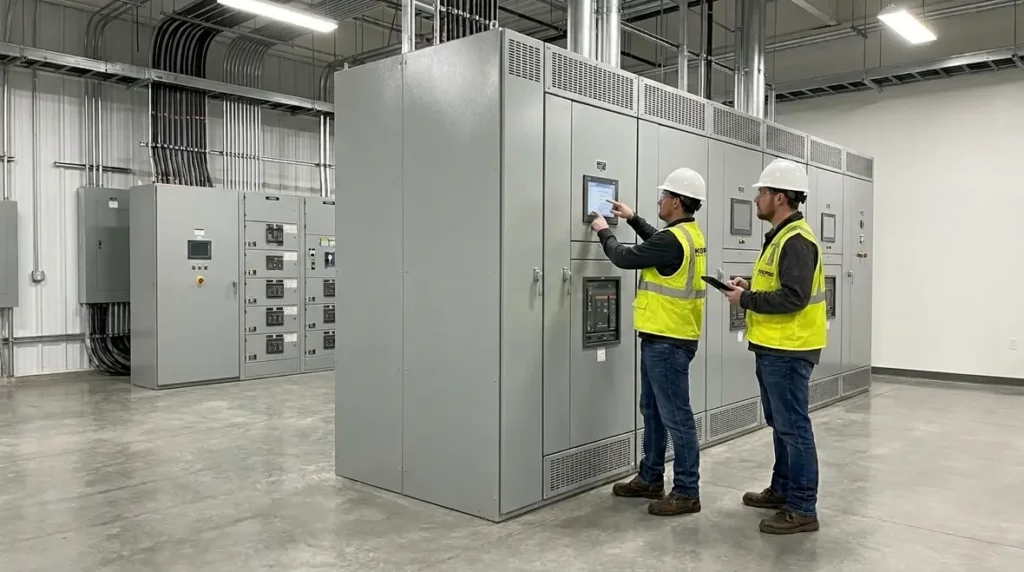
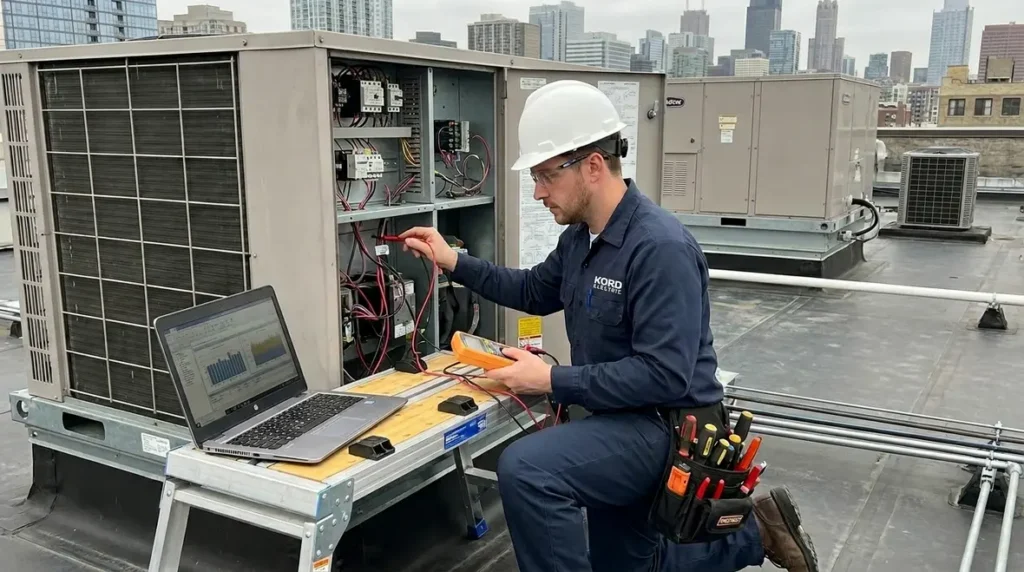
In the first steps of any serious electrical planning conversation, we run an electrical load capacity assessment to understand what a commercial building can safely handle today, and what it can likely support tomorrow. Then we verify the numbers against real equipment, real wiring, and real operating patterns. Because in commercial and industrial spaces, electrical problems do not stay polite for long. They grow, they cost money, and they eventually turn into downtime, which is the one thing business owners never budget for.
Our technicians and experienced service staff explain what they see in clear terms, so others in the facility can make better choices. And yes, we know it is tempting to “wing it” until something trips. But electricity does not respect confidence, it respects limits.
Commercial Facilities Change, So the Electrical Load Capacity Assessment Must Keep Up

Many people assume a facility’s electrical demand stays steady. However, that assumption usually breaks as soon as operations evolve. For example, one tenant adds new process equipment. Another expands hours. Cooling loads shift with new schedules. Even lighting upgrades can change demand in ways that surprise teams.
So when others ask why we schedule regular evaluations, we answer simply: the building is not a snapshot, it is a living system. Furthermore, electrical load assessments help others spot drift before it becomes a failure event. That includes overload risks at panels, overheated conductors, and voltage drops that slowly wear down motors and drives.
When our team performs this kind of analysis, we also check the practical side, not just nameplate ratings. After all, the data on the equipment label rarely matches the way a facility truly runs on a Tuesday at 2:00 p.m.
Prevent Overloads and Voltage Problems That Hit Operations Hard

When an electrical system runs near or beyond capacity, it does not always fail instantly. Instead, it can degrade performance in subtle ways. Motors run hotter. Drives fault more often. Sensitive controls misbehave. Then, one day, you experience a shutdown that feels random. It rarely is random.
In our experience with major property buildings and industrial sites, the most expensive failures show up after a change nobody logged. A new refrigeration line. A larger compressor. A different duty cycle for production. Meanwhile, protective devices may not trip until the situation reaches a tipping point.
Therefore, a regular electrical load capacity assessment helps others maintain headroom for real conditions. We look at current draw patterns, assess how equipment loads interact, and confirm that overcurrent protection still does what it should. And to keep things calm, our technicians translate the findings so facility managers can act with confidence instead of panic.
How Maintenance Plans Reduce Risk Instead of Guessing
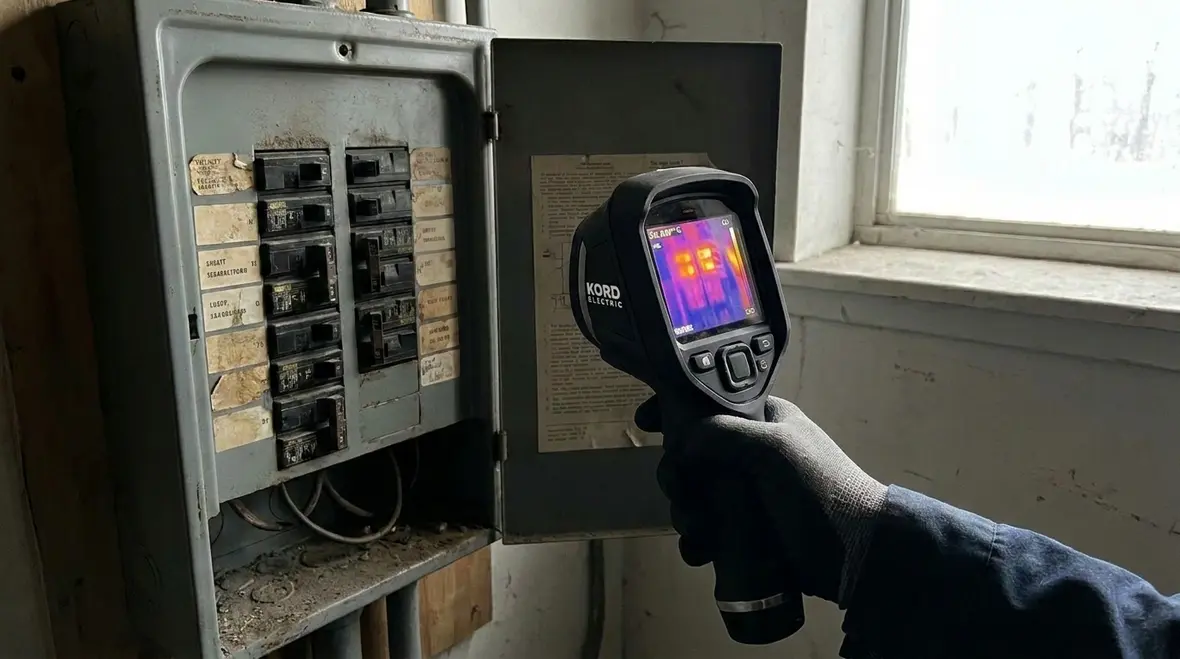
We do not believe in maintenance that relies on luck. That is why Kord Electric supports structured electrical maintenance planning for commercial and industrial facilities. If you want the thinking behind our approach, our blog section on commercial and industrial electrical maintenance plans lays out how organizations should review equipment, verify conditions, and schedule the right tasks at the right time.
Even if the building seems fine, maintenance should still follow a plan. Otherwise, teams only react after a problem appears. And when that happens, you typically pay more and lose more time.
Our service staff helps others connect the electrical load assessment results to the plan itself. For example, if the assessment shows limited capacity at specific panels, we align inspection schedules and prioritize corrective steps. Then, rather than repeating the same checks forever, we adjust the focus based on actual risk.
What Our Team Checks During Electrical Load Capacity Planning
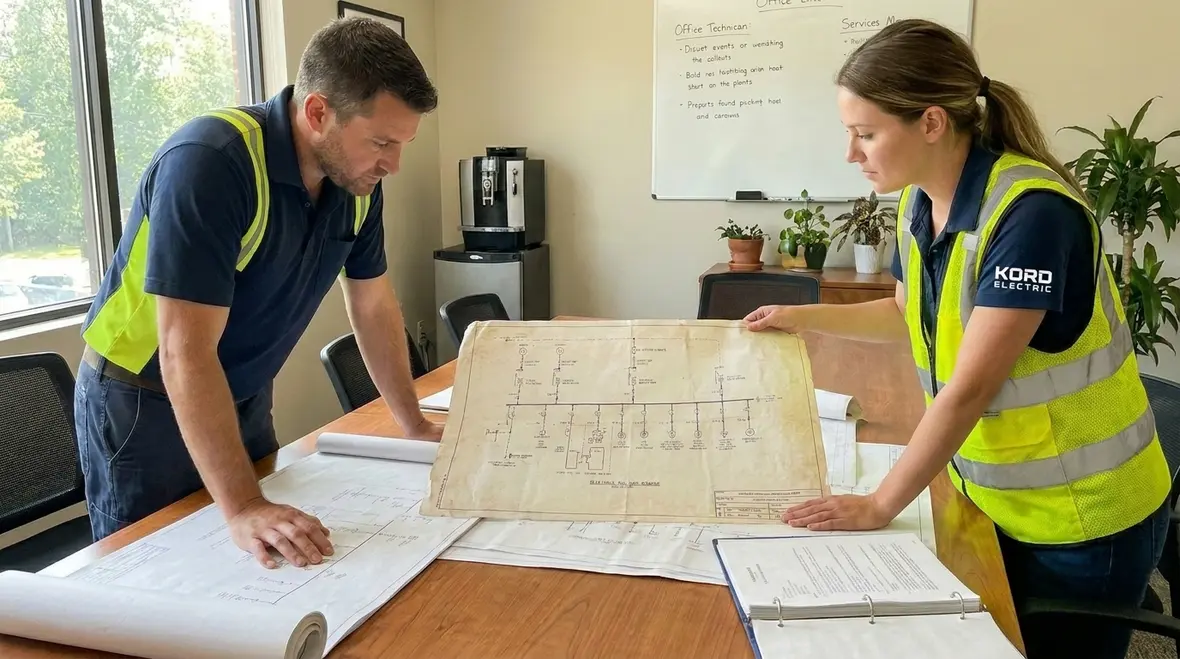
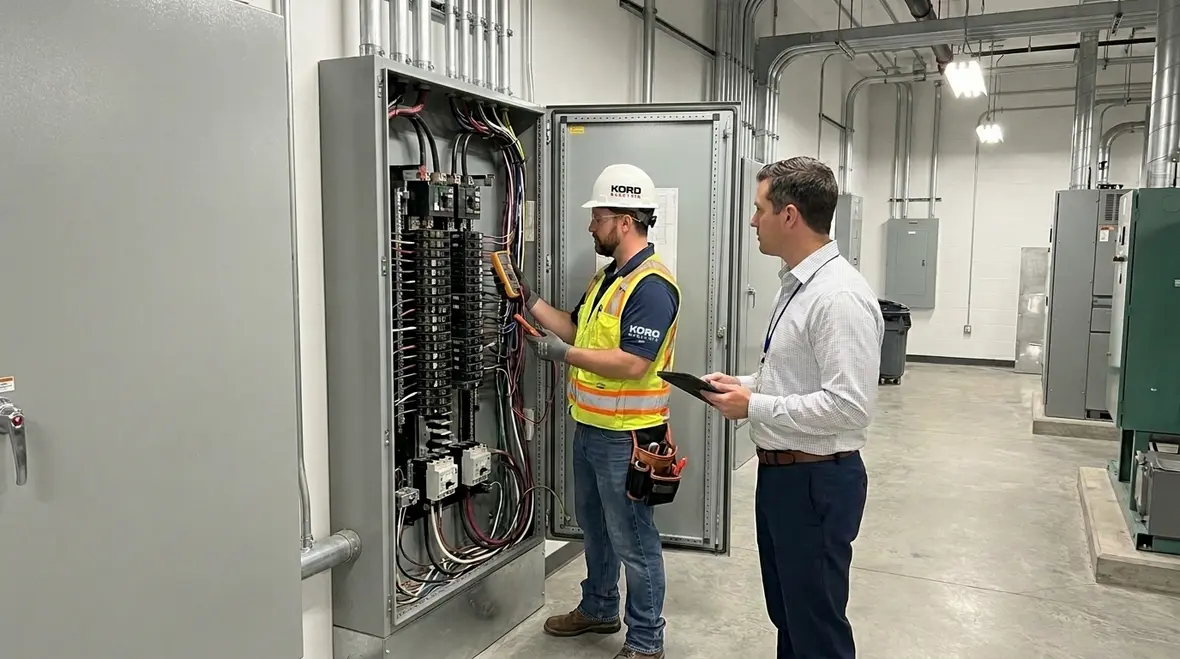
Our technicians approach load assessments like they are preparing a roadmap, not just taking readings. First, we review the building’s electrical one line diagrams, then we compare them against field conditions. Next, we evaluate connected equipment and their operating patterns. Finally, we analyze how the loads distribute across panels and feeders.
During the process, we also verify that the protection strategy matches the real load behavior. That matters because protective devices protect systems, not spreadsheets. Furthermore, we account for growth where it makes sense, especially for facilities that run long-term projects or staged upgrades.
To keep the work business friendly, we explain what we find in plain language. So if a manager hears “voltage drop risk,” they do not have to wonder what that means for their operations. We connect it to outcomes: how equipment can run less efficiently, how heat can build, and how reliability can suffer.
Why Regular Assessments Protect Safety and Financial Health
Electrical risk costs money in two ways. First, it threatens safety. Second, it damages reliability. In commercial and industrial facilities, safety concerns cannot wait until a work order becomes an emergency call.
When loads sit too high, heat rises and insulation life shortens. That can lead to premature failures at terminations, bus bars, and connectors. Moreover, if a system experiences chronic stress, repairs may become recurring instead of one time. Then budgets get squeezed by repeat issues, and teams waste time coordinating contractors.
So we encourage others to treat load planning as part of risk management. It helps avoid expensive stop and start schedules, and it supports planned upgrades instead of forced replacements. And yes, as tempting as it is to let the building “figure itself out,” electricity usually figures things out by tripping breakers and making everyone late.
How Others Can Use Assessment Results for Smarter Upgrades
Once we complete a thorough evaluation, the results should do more than sit in a PDF folder. We help others turn the findings into practical decisions, like which panels to prioritize, which feeders need review, and what capacity improvements make sense.
That process becomes even more important during remodels, equipment installs, tenant buildouts, and expansion of production lines. Because during those moments, the electrical system can shift fast. If others plan upgrades with a clear load capacity view, they avoid overspending on fixes that do not solve the core issue.
Additionally, structured planning supports smoother approvals. Facility teams can explain the electrical reasoning behind changes with data, not guesses. And our technicians and experienced service staff help communicate recommendations in a way that stakeholders can understand and support.
FAQ for Commercial and Industrial Electrical Load Planning
Call Kord Electric for Load Assessment and Maintenance Planning
If your commercial or industrial facility runs busy seasons, adds equipment, or manages multiple systems, you need more than routine checks. Kord Electric provides technicians and experienced service staff who perform a detailed electrical load capacity assessment and connect findings to practical maintenance planning. That means fewer surprises, smarter upgrades, and better protection for safety and reliability. Contact us now to schedule an evaluation and get a clear plan that keeps your building performing like it should.
For facilities that are already thinking ahead about capacity improvements, rewiring, and future growth, you can also explore our related insights like the Rewiring Cost Guide for Commercial Electrical Systems, which pairs naturally with a thorough load review when planning long-term infrastructure upgrades.
When you are ready to move from planning to action, our dedicated commercial electrical services team can turn assessment results into code-compliant field work, so your panels, feeders, and equipment operate with the same calm confidence you expect from your best-performing systems.
Conclusion
An electrical load capacity assessment is not just a one-time calculation. It is an ongoing way to understand how power, equipment, and operations interact inside your commercial or industrial facility. By treating the building as a living system, pairing assessments with disciplined maintenance plans, and using the results to guide upgrades, you minimize downtime, protect safety, and give your teams the confidence that comes from running within well-understood limits. When you are ready for that level of clarity, Kord Electric is prepared to walk your facility line by line, panel by panel, and circuit by circuit, so your electrical infrastructure can support the future you are building.