

Data Center Power Redundancy for Uptime
Designing for Uptime: Why data center power redundancy is the first design decision
In a commercial and industrial facility, uptime is not a slogan. It is the difference between steady operations and expensive interruptions. We at Kord Electric focus on data center power redundancy early in the design, because the power system must keep working when something fails. In real life, components do not “maybe” fail. They age, they drift, and they surprise teams at the worst time, like a pop quiz nobody studied for. Meanwhile, our technicians and expert service staff walk clients through the plan in plain language, so decision makers understand what matters, why it matters, and what we verify before the first load ever runs.
And yes, we also keep it calm. A well planned redundancy scheme lets engineers sleep at night, and it helps facilities avoid the kind of chaos that turns a routine maintenance call into a full production scene from a late night show.
Start with the failure map, not the wish list
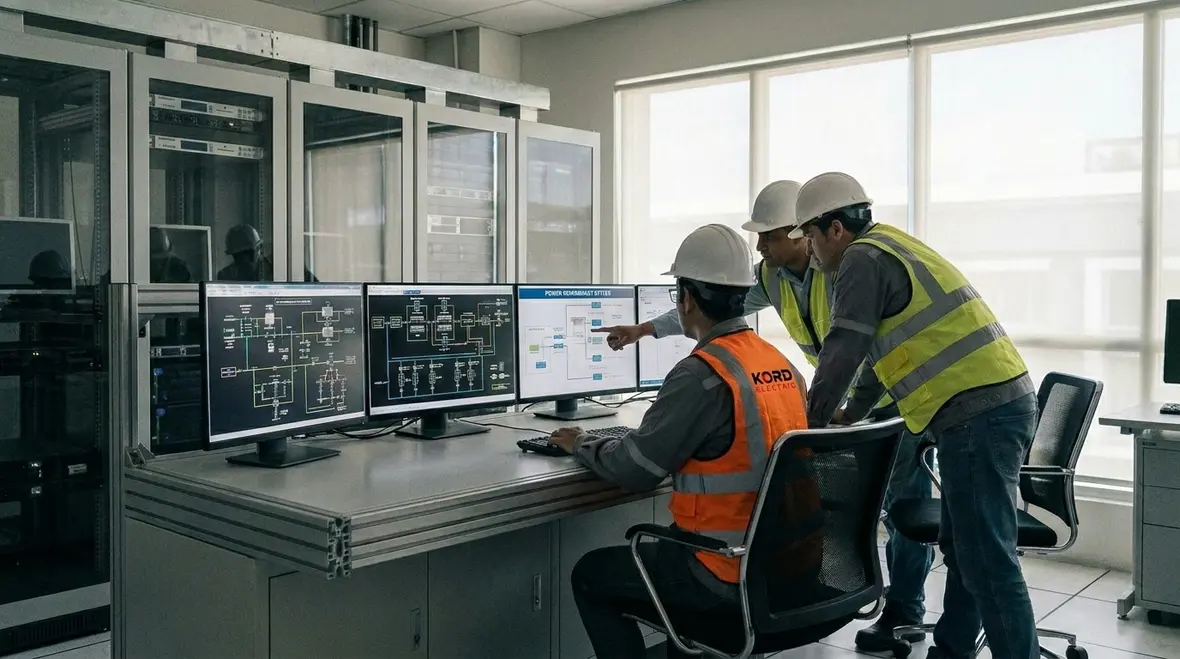
When others design power systems, they often start with equipment names and ratings. We start with the failure map. First, our team identifies credible failure points across utility supply, distribution, switchgear, transformers, and transfer paths. Then we define what must stay online, which loads can ride through, and which loads can interrupt without turning the business into a headline.
To do this, our technicians use a disciplined method: we review single points of failure, study maintenance access limits, and confirm how the facility operates during a routine outage. After that, we translate the map into a practical scheme, such as multiple feeds, protected buses, and designed transfer behavior that keeps critical loads supplied.
Transitioning from theory to reality matters. For example, a “redundant” system fails if the transfer logic is unclear, if interlocks do not prevent unsafe operation, or if maintenance can accidentally take out both paths. So we plan the operational sequence as carefully as we plan the equipment.
We also connect those decisions to the broader electrical backbone. If you are mapping redundancy for a data hall or critical IT environment, it pairs naturally with how we shape distribution in our data center electrical distribution design for reliability work, where reliability starts long before the first server comes online.
Build redundancy with proper transfer and isolation
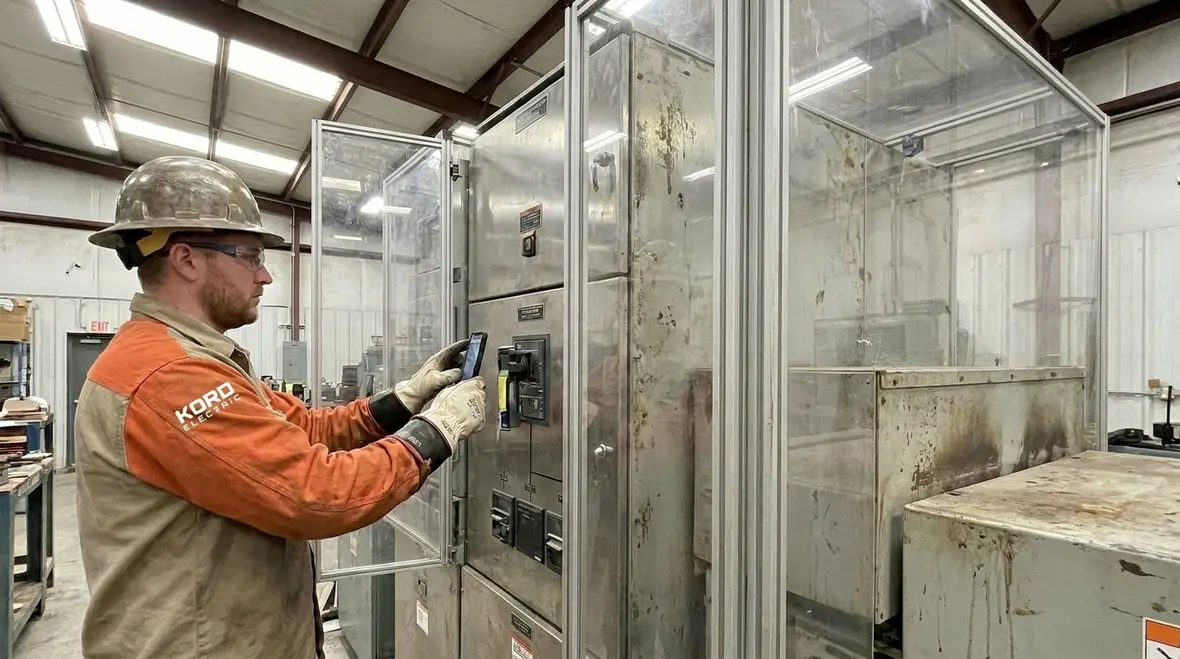
Data center power redundancy often gets described in broad strokes, but the details run the show. We ensure transfer paths behave the way operators expect. That means coordinated switching, clear isolation steps, and protection settings that match the system behavior under fault conditions.
Our service staff also explains the practical side. They show facility teams how isolation affects control power, how interlocks guard against backfeed, and why bypass configurations must still protect people and equipment. Then we verify settings and operation with tests that reflect real operating modes.
To keep things steady, we also design for isolation without downtime. Ideally, maintenance actions isolate one section while the rest continues serving critical loads. If the system forces total shutdown for a simple service task, it is not redundancy. It is just expensive hope.
And for the record, “hope” is not in the switchgear spec sheet. We double check that.
If you want a deeper look at how electrical infrastructure supports uptime before, during, and after transfer events, it aligns closely with our perspective in data center electrical infrastructure essentials, where we unpack how distribution networks, switchgear, and panelboards all work together behind the scenes.
Switchgear and panels maintenance that protects reliability
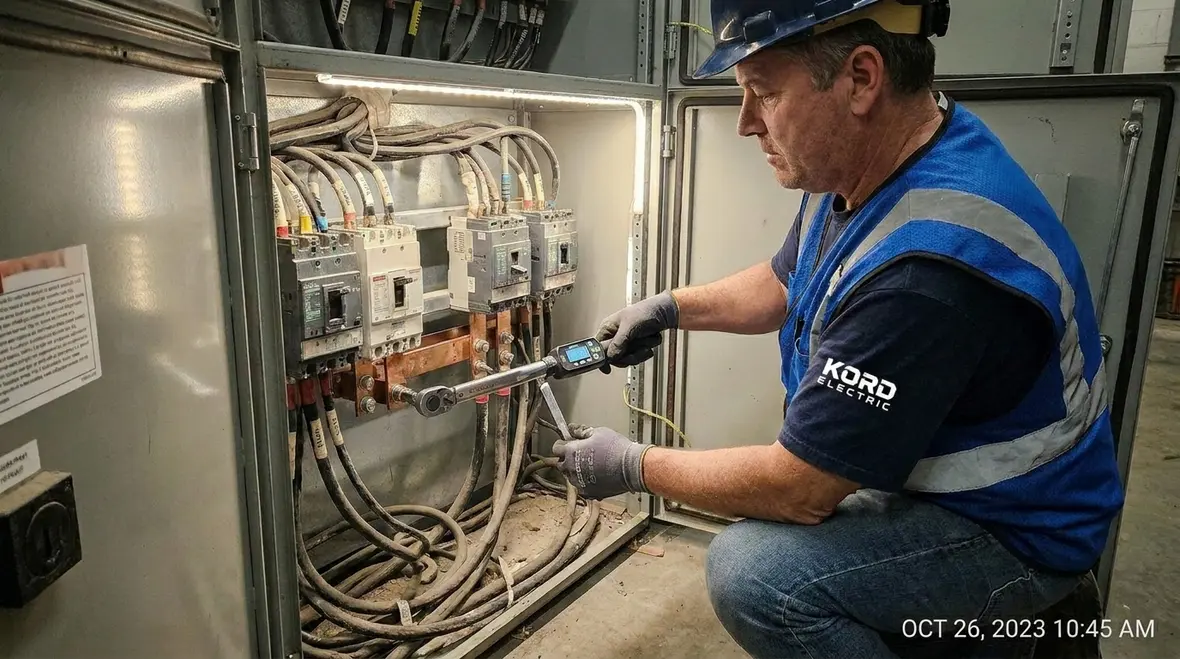
Even the best architecture depends on careful maintenance. In commercial and industrial buildings, switchgear and electrical panels carry the responsibility for safe distribution, fault handling, and stable operation. Therefore, we treat maintenance as an uptime strategy, not a checkbox.
We also reference our own guidance from our Kord Electric blog post on NFPA 70B electrical panels and switchgear maintenance. That approach reinforces what our technicians emphasize on every site: you do not just look at gear, you inspect, you verify, and you document.
Here is what that looks like in real terms:
- Inspection with purpose: We verify termination condition, signs of heat damage, corrosion, and abnormal wear. Then we note issues early, before they escalate into forced outages.
- Testing and verification: We confirm insulation health, breaker operation, and protective device behavior. This matters because protection that does not trip correctly can turn a minor event into a major one.
- Cleaning and torque checks: We control dust and contamination, and we verify connections. Loose connections can create heat, and heat quietly ruins equipment over time.
- Documentation: We help clients keep records that support trend analysis and responsible planning.
Because our technicians explain the “why” as they work, teams understand how each maintenance action protects the larger system. As a result, the facility can plan service during appropriate windows and reduce surprises. That mindset fits naturally with structured electrical preventive maintenance programs that turn maintenance into a tool for uptime, not a disruption.
Thermal health, arc risk, and why conditions matter
Power redundancy works only if the system can survive abnormal conditions. So we address thermal health and arcing risk as part of uptime engineering. A switchgear lineup can look fine during a quick visual check, yet still run hotter than it should due to connection issues, airflow limits, or component aging.
Therefore, we help clients manage conditions with a mix of inspection and disciplined troubleshooting. We look for symptoms like discoloration, hot spots, uneven loading, and signs of partial discharge. Then we connect those findings to maintenance actions and corrective upgrades when needed.
Also, we plan for arc risk because it affects safety and uptime at the same time. If protective devices do not clear faults quickly enough, damage can spread. If labeling and operating procedures are unclear, response time slips. And if the facility does not follow consistent operating steps, one confused action can cancel the benefit of a redundant design.
We keep the conversation grounded. Our expert service staff speaks plainly: we do not sell fear, we reduce risk. And we do it without turning your control room into a mystery novel.
Thermal patterns, arc flash boundaries, and load behavior all show up again when we help teams work through a data center electrical maintenance checklist, where small condition changes become early warnings instead of surprise outage stories.
Commissioning, testing, and the “prove it” mindset
After design and installation, the system must prove itself. That is where commissioning and testing earn their place in the schedule. We verify that the power redundancy strategy works under normal operation and during defined transitions.
Our team focuses on scenarios that match how the facility actually runs. Then we confirm that interlocks, alarms, and indications guide operators during events. We also confirm that protective coordination aligns with the expected behavior during faults.
Transition words matter here because they reflect how the work flows. First we confirm sequence logic. Then we test transfer behavior. Next we review protection settings. Finally, we validate operation against the documentation.
We also train the people who must use the system. Our technicians walk operators through procedures so the facility avoids the classic problem where the equipment works, but the team does not know how to respond quickly. That is like having a fire extinguisher and then freezing when you see smoke. The extinguisher does not help if nobody trusts the steps.
For facilities where uptime, safety, and compliance intersect, we connect that “prove it” mindset with broader data center electrical requirements for uptime so commissioning, testing, and operations all support the same reliability targets.
FAQ: practical answers for facilities and major properties
Call Kord Electric to protect uptime before the event
Uptime is a system outcome, not a hope. Kord Electric helps commercial and industrial facilities design and maintain power systems that stay stable through failures, transfers, and real maintenance work. Our technicians and expert service staff explain the plan in clear terms, then verify performance with a prove it mindset. If you want to strengthen reliability, reduce risk, and protect critical loads, contact us now. We will review your current setup and map practical next steps you can trust.
If you are ready to turn planning into a concrete path forward, our structured electrical preventive maintenance services give your facility a way to keep data center power redundancy, distribution equipment, and critical panels aligned with real-world operating demands.


