Commercial Subpanel Capacity Planning Guide Kord Electric
Kord Electric’s Commercial Subpanel Capacity Planning Guide starts the job right
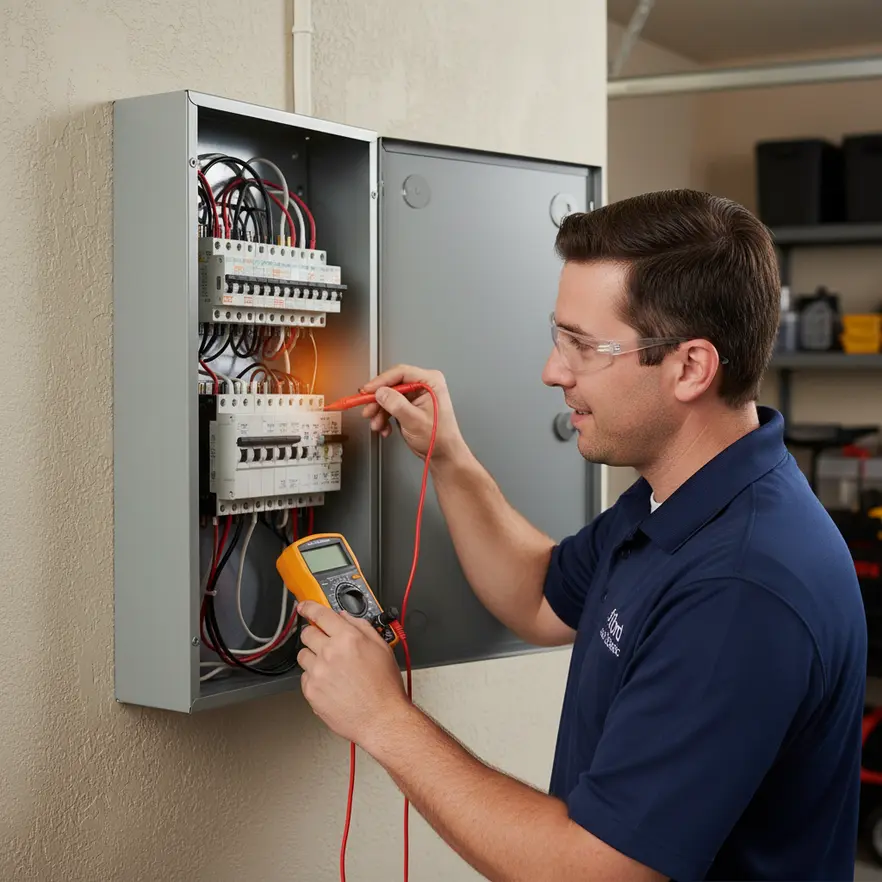
In our field, guessing is expensive and silence is not an engineering method. That is why Kord Electric uses a Commercial Subpanel Capacity Planning Guide to help teams size breakers, distribute loads, and avoid future panel upgrades that show up like surprise invoices. In the first planning steps, we make sure the building’s real electrical needs drive the design, not the “what if” mood of a meeting. Then our technicians explain the choices in plain language, so facilities managers and electrical contractors can move forward with confidence. And yes, we still joke about how electricity always finds the weak link, like a superhero with poor boundaries.
Why capacity planning decides the next decade of electrical work
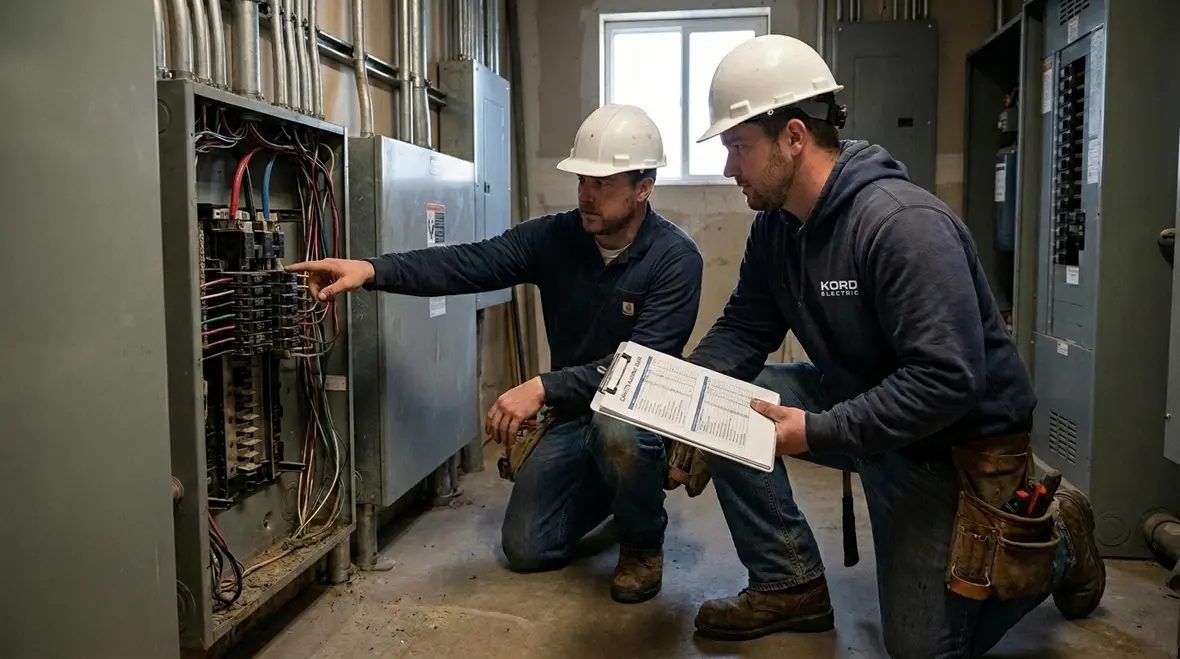
Capacity planning for a commercial subpanel is not only about fitting today’s equipment. Instead, we plan for tomorrow’s changes in tenants, equipment, scheduling, and operational growth. When we help others size a subpanel properly, we reduce the risk of nuisance trips, overheating, and expensive rewiring. Moreover, a well planned panel supports reliability for life safety systems, critical processes, and everyday operations.
Commercial and industrial sites often change faster than their original electrical design. So we look at the whole picture, including diversity factors, demand profiles, and the reality of motor loads and intermittent equipment. If you ignore those details, you end up with a panel that works… until it does not. And when that happens, it is rarely during business hours. It is usually right when someone wants a quick fix.
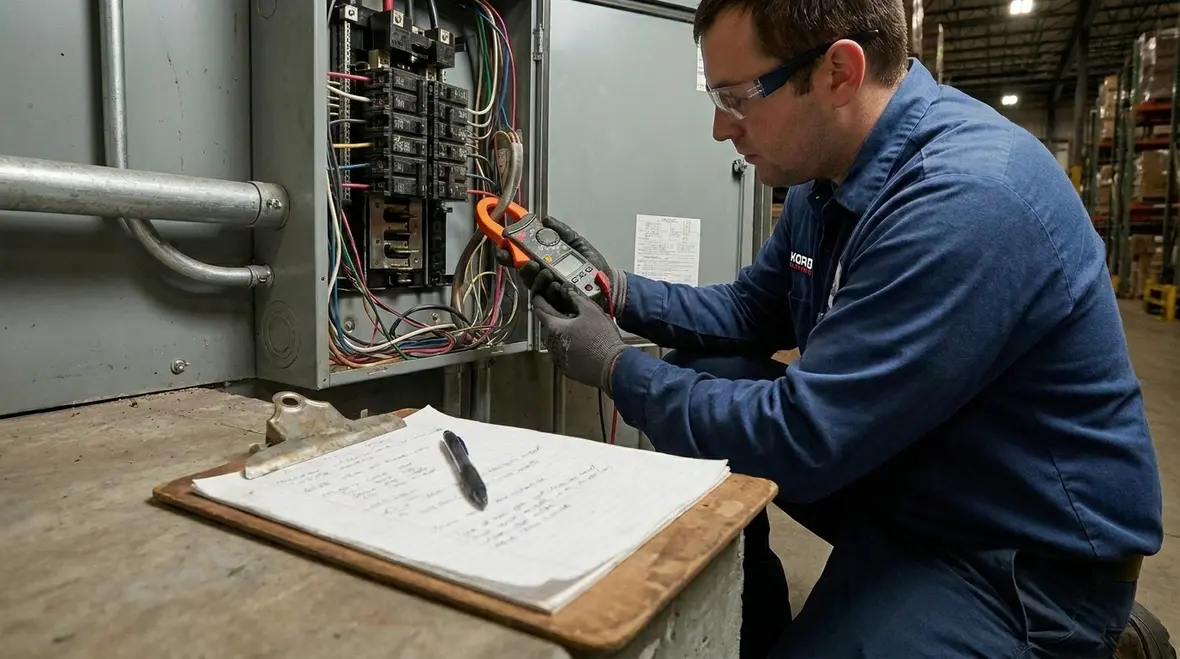
In many facilities, smart subpanel capacity planning goes hand in hand with stabilizing power quality and preventing voltage swings before they cause damage. Building a panel that is sized correctly, coordinated properly, and prepared for future growth makes it easier to integrate broader reliability strategies like dedicated voltage fluctuation mitigation, preventive maintenance, and power quality diagnostics across your site.
Step by step sizing process our expert service staff follows on site
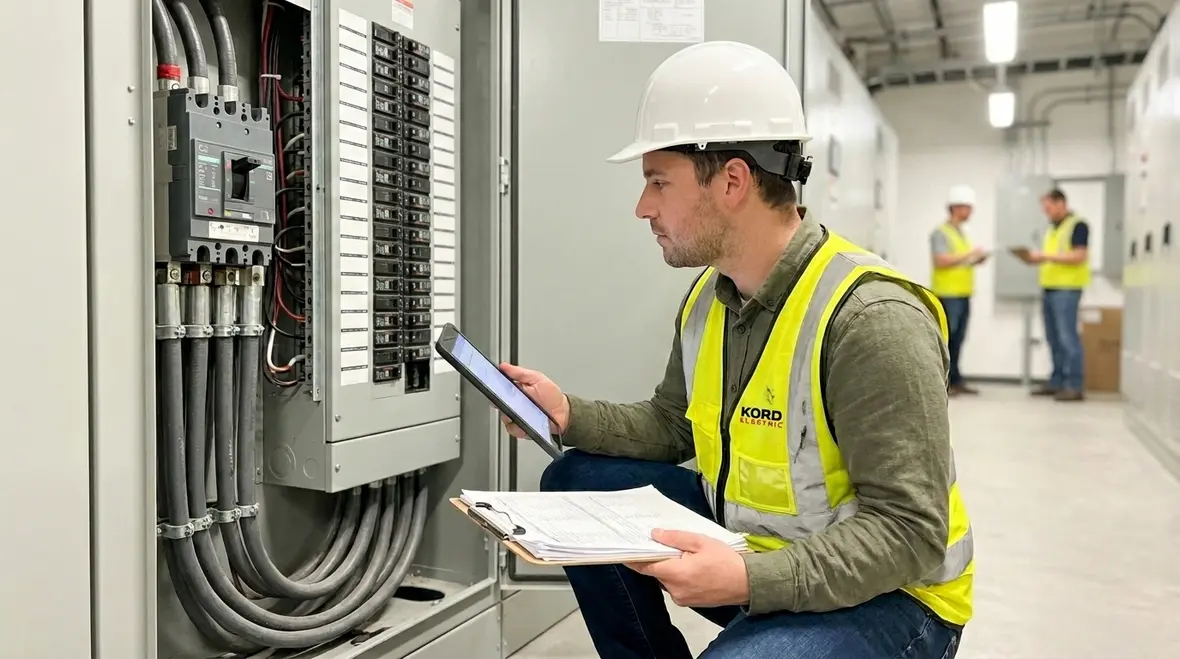
Our approach starts with a careful load inventory, and our technicians take the time to verify namesplate data, equipment ratings, and operating schedules. Next, we separate loads into groups that behave similarly. For instance, we treat lighting differently than HVAC, and we treat receptacle circuits differently than machinery. Then we apply the appropriate calculation method to estimate current demand and potential future growth.
After that, we choose subpanel size, bus rating, and breaker frame sizes with realistic margin. We also confirm that the panel can handle voltage drop, conductor sizing, and grounding and bonding requirements. Finally, we document assumptions so the next team does not have to decode yesterday’s decisions like it is a mystery novel.
To keep the process steady, we use a clear workflow. Transitioning from data to design matters, because it prevents last minute surprises. And when our technicians explain the plan, they connect each step to risk reduction, not just compliance.
How we build the load list for commercial and industrial buildings
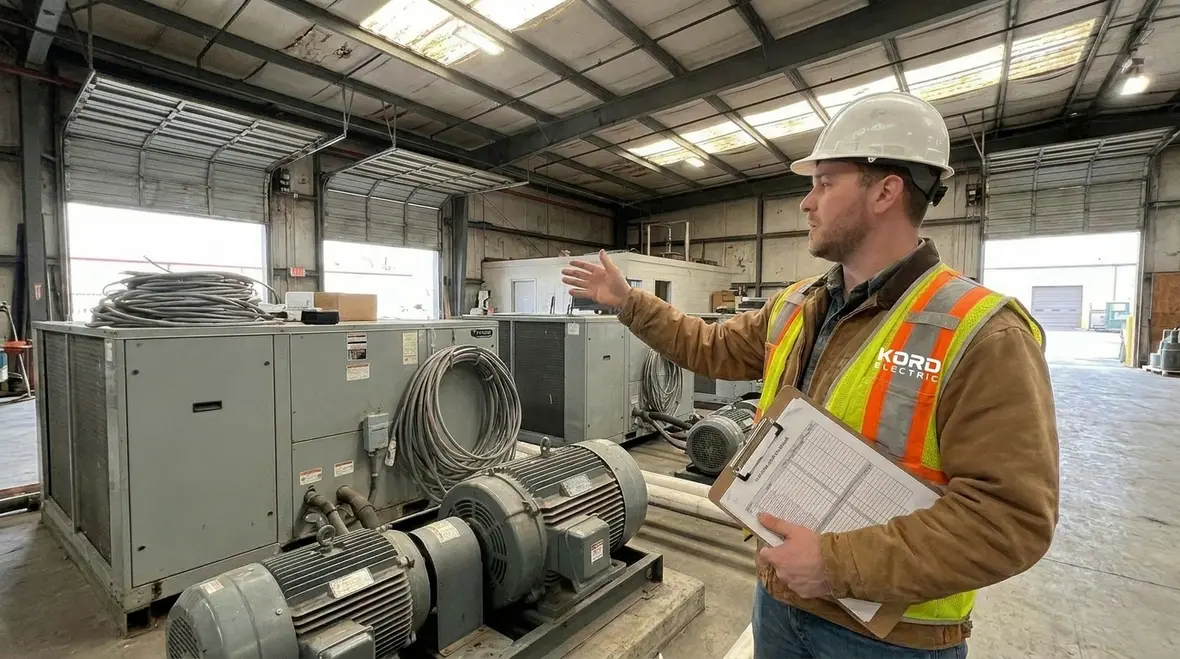
Most capacity mistakes come from incomplete data. Therefore, we start by collecting a load list from existing drawings, equipment schedules, and field verification. We pay attention to actual demand, not just installed capacity. For example, a building may list multiple AHUs, but the operating strategy might stagger starts or reduce speed during certain hours.
We also track load type, because each category needs different thinking. Motors may cause higher inrush current and can influence voltage stability. Kitchen equipment, compressors, and process equipment may cycle in ways that create peak demand spikes. Even lighting can change with occupancy sensors and retrofit upgrades. Additionally, we include spare capacity for future tenant improvements and expansions that are typical in major property buildings.
When we talk to facility teams, we listen for patterns. For example, if a warehouse adds a new line next year, we model the impact now. If a retail space changes tenant usage seasonally, we adjust expectations. Then our Commercial Subpanel Capacity Planning Guide becomes practical, not theoretical.
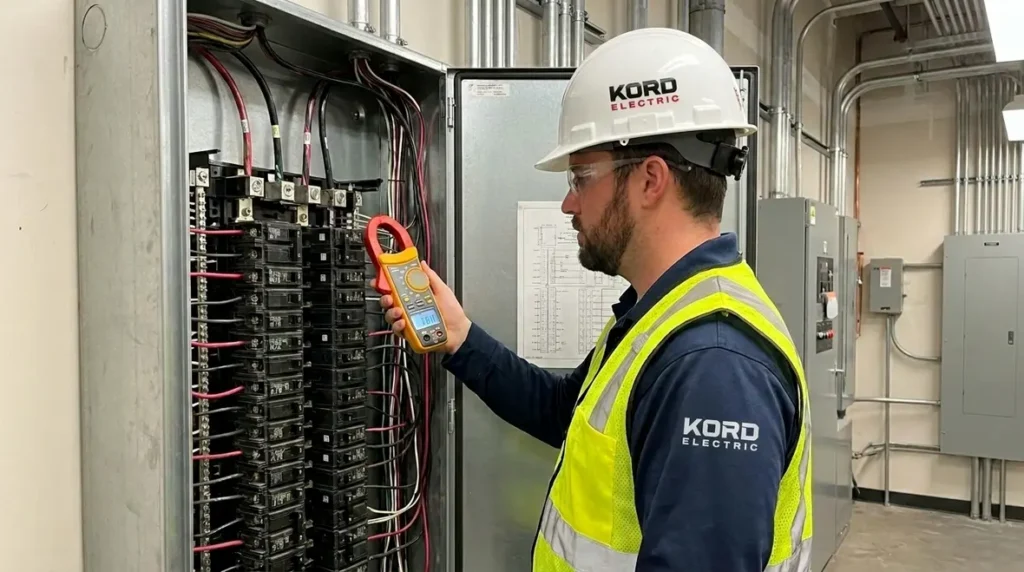
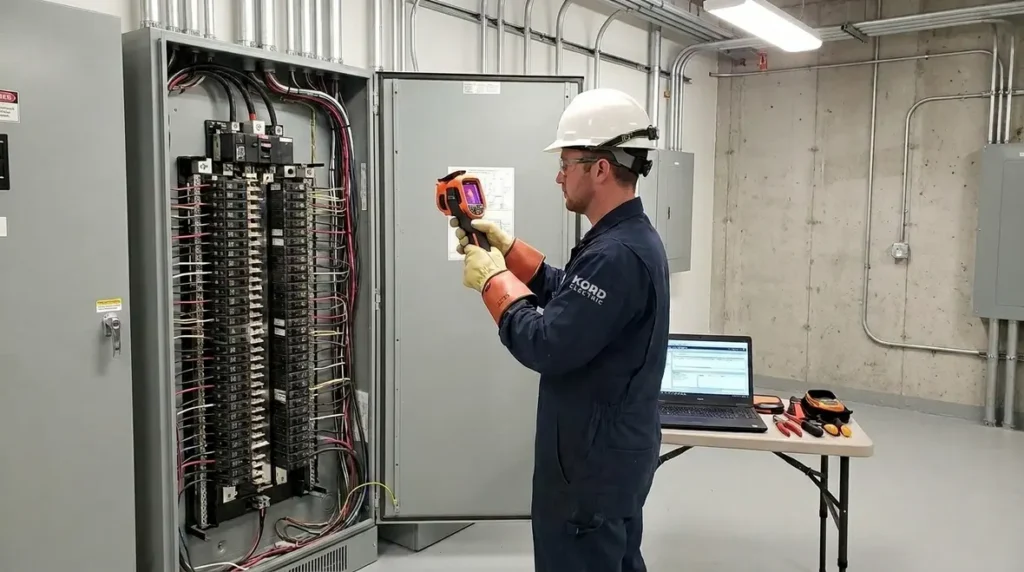
A well built load list does more than support subpanel sizing. It becomes a living reference for preventive maintenance, future projects, and system upgrades. When the same information feeds electrical preventive maintenance programs, infrared inspections, and power quality studies, the subpanel plan turns into a cornerstone for long term reliability across the entire facility instead of a one time calculation that everyone forgets after the project closes.
Demand calculations, diversity, and future growth without wishful thinking
Once we have the load list, we convert it into a demand estimate. This is where diversity comes in. Diversity means not every circuit reaches peak at the same time, and in many commercial settings that is true. However, we still avoid optimistic assumptions that look good in spreadsheets and fail in the field.
So we treat future growth as a controlled variable, not a fantasy. In many major property buildings, common areas and tenant spaces evolve. Therefore, we include a thoughtful expansion allowance based on lease plans, equipment schedules, and realistic renovation timelines. Meanwhile, we maintain room for additional circuits and future high demand equipment.
Next, we confirm that the subpanel supports both steady state load and short duration events. In practical terms, this means we check for breaker and conductor capacity, bus rating, and thermal limits. We also verify that upstream equipment can handle the load profile without creating bottlenecks. Our technicians explain this in a calm, stepwise way, so stakeholders understand why we choose one design path over another.
Panel components that must match the load plan
A correctly planned subpanel starts with the right parts. Yet many failures happen when the selection process skips over details. We focus on bus capacity, breaker types, and conductor sizing. For example, if the design assumes a certain current rating but the selected breakers or terminations cannot support it, the whole plan breaks down.
We also check protective device coordination, especially in industrial spaces with motors and variable frequency drives. Coordination affects reliability and repair time after faults. Additionally, we confirm that feeders and overcurrent devices align with the calculated load. Otherwise, protective devices can act too early or not early enough, and that can turn a small problem into a long outage.
Then there is temperature and installation method. Conductor derating can change effective ampacity, depending on how cables are bundled, routed, and installed. We do not skip this. Instead, we use the installation details to refine the load plan so the final design matches the real world.
In short, our Commercial Subpanel Capacity Planning Guide treats the subpanel like a system, not a single box. When everything matches, the building operates smoothly. When it does not, you end up troubleshooting like you are debugging a pop quiz you never studied for.
Common mistakes that cost money and how we prevent them
We see repeat patterns across commercial and industrial projects, and we address them early. First, teams often underestimate motor and HVAC contribution. Even if the nameplate looks reasonable, real startup behavior can affect demand peaks and voltage performance. Second, they sometimes include too much load diversity without checking operating patterns. That is the electrical equivalent of saying, “No worries, nothing bad ever happens during lunch.”
Third, incomplete circuit documentation leads to wrong breaker counts and incorrect feeder sizing. If the load list lacks future planned equipment, the subpanel becomes full faster than expected. Fourth, ignoring voltage drop creates performance issues in sensitive controls. Finally, poor termination practices can add heat and wear over time. These issues usually show up later, and when they do, the repairs cost more than doing it right the first time.
To prevent these problems, our technicians verify data in the field and then connect it to the design calculations. Moreover, our team documents assumptions so future upgrades follow the same logic. When stakeholders understand the “why,” maintenance teams can expand without guesswork.
FAQ about subpanel capacity planning
Request a capacity plan built for your facility, not a template
If you operate a commercial or industrial facility and you want electrical capacity that stays reliable through growth, Kord Electric can help. We build a clear load list, calculate demand with real operating behavior in mind, and design a subpanel that fits now and scales later. Our technicians and expert service staff explain the decisions step by step, so your team can approve confidently and maintain easily. Reach out to us for an on site review and a Commercial Subpanel Capacity Planning Guide aligned to your building goals.
For facilities where subpanel capacity is just one part of a broader reliability strategy, you can also explore how structured electrical preventive maintenance programs support long term performance and risk reduction across large commercial, industrial, and government properties. Coordinating capacity planning with preventive maintenance, voltage stability solutions, and targeted upgrades puts your building on a path where reliability is planned, not hoped for.
And if your growth plans include new high demand equipment, EV charging infrastructure, or future expansions, our commercial electrical services team can design and install the supporting systems while keeping your subpanels, feeders, and distribution gear aligned with real world loads. That way, every project ties back to a capacity plan that keeps operations steady instead of creating new bottlenecks.
When your facility is ready to move from talking about reliability to building it into every panel and feeder, our commercial and industrial services team can help you integrate subpanel planning with broader upgrades and infrastructure work. From power quality corrections and distribution improvements to EV charging builds and targeted retrofits, we connect each project back to a clear electrical roadmap.
Explore Kord Electric’s electrical preventive maintenance services to see how a structured maintenance plan can extend the life of your newly planned subpanels, protect critical loads, and keep your facility’s electrical backbone aligned with future growth.
If your upcoming projects also include EV charging expansion, you can plan capacity once and reuse that work by coordinating your Commercial Subpanel Capacity Planning Guide with our dedicated commercial EV charger installation services. Our team evaluates demand, plans for scalability, and ensures panels, feeders, and distribution equipment are prepared for both present chargers and future growth.