Commercial Subpanel Installation and Expansion
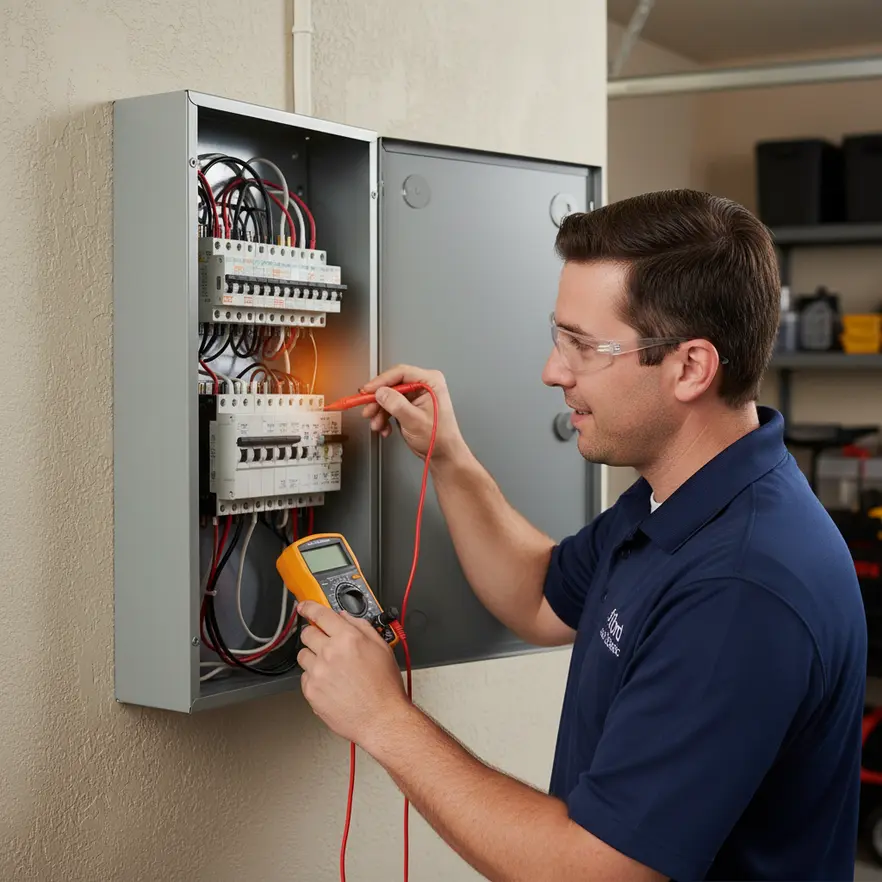
At Kord Electric, we follow commercial subpanel installation best practices from the first walk-through to the final label in the panel room. First, our technicians map the building load and expansion plans so the new subpanel supports today’s demand and tomorrow’s growth. Next, we size conductors and overcurrent protection for real duty, not guesswork, because “close enough” is how you end up with a breaker that trips on a quiet Tuesday. Then we route circuits cleanly, torque connections to spec, and label everything so maintenance teams can work fast and safely. Finally, we document the work and coordinate with preventive maintenance so the subpanel stays reliable as the facility evolves.
Meanwhile, our expert service staff explains what we do in plain language, so your team understands the why, not just the what. And yes, we can make panel work sound almost as exciting as a sports halftime show, minus the drumroll and injury risk.
Commercial subpanel installation planning that protects growth
Commercial and industrial facilities do not stay still. A tenant expands, a production line adds equipment, or property management changes the way spaces operate. Therefore, we start by reviewing power sources, existing panel capacity, and the facility’s load profile. We then verify that the main service can safely accommodate the new branch circuits and that the subpanel will not become a bottleneck.
Because expansion is often planned long before it happens, we build a roadmap with your stakeholders. We ask what is scheduled for the next 12 to 60 months, and we also consider operational changes that do not show up on a calendar. For example, a restaurant style kitchen may shift to higher power cooking loads. A warehouse may add dock lighting, charging stations, or automated systems. In each case, we align the subpanel’s circuit slots, breaker spaces, and spare capacity with the likely future demand.
Our technicians also confirm how the subpanel will serve critical systems versus general loads. If power quality matters, we account for sensitive electronics, motor loads, and any systems that require dependable runtime. In other words, we do not just install hardware. We design the role the subpanel will play in your building’s electrical reliability.
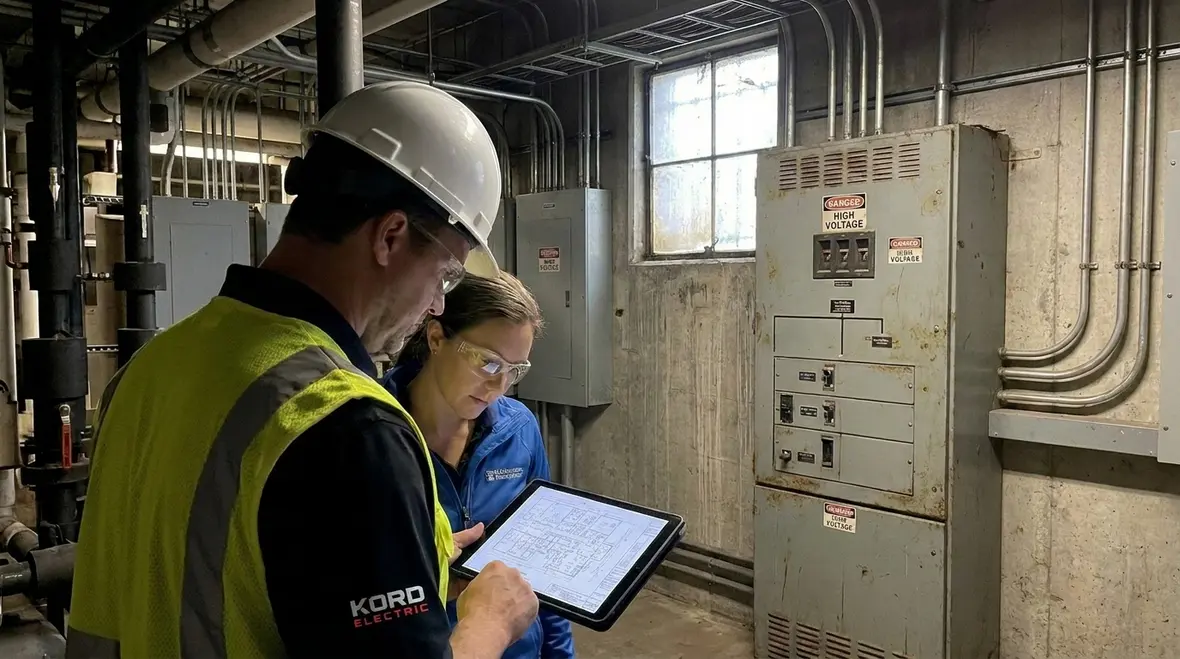
What our technicians check before they set the subpanel
Installation without a thorough check is like building a deck without checking the boards. It might look fine at first, but it fails at the first real stress event. So we verify key items before we mount anything.
- Site conditions: We evaluate room temperature, ventilation needs, and moisture exposure, because panel components do not like harsh environments.
- Enclosure suitability: We select the correct enclosure type and confirm the wiring space meets code expectations.
- Grounding and bonding: We inspect grounding paths and ensure bonding is correct for the system.
- Load calculations: We verify conductor sizing and breaker ratings for continuous and non continuous loads.
- Labeling and access: We plan for clear labeling and safe access so maintenance crews can work without guessing.
Then our expert service staff explains each step to the facility team. That matters because when people understand the process, they manage power changes better later. And later always arrives. That is the annoying part. The good part is that planning today makes tomorrow smoother.

Expansion ready design for commercial and industrial properties
For commercial and industrial work, the goal is not just to add circuits. The goal is to avoid future rework and reduce interruptions. To do that, we think in systems, not in single circuits.
First, we plan circuit grouping and capacity. We separate critical loads from general lighting and outlets. We also consider motor starting currents and other inrush effects so the panel can handle startup behavior without nuisance trips.
Second, we reserve breaker positions and conductor routes for realistic growth. We do not want a subpanel that reaches full capacity the moment a tenant adds a printer room, a small HVAC upgrade, or new charging equipment. Instead, we design with spare space that fits the building’s likely trajectory.
Third, we coordinate the subpanel’s layout with how the facility actually operates. If a maintenance team needs fast shutoff for certain areas, we arrange branch circuits so isolation is practical. If your operation relies on phased upgrades, we plan so circuits can be energized in steps with minimal downtime.
Of course, we still follow all required safety rules. We torque connections to spec, secure conductors properly, and keep workmanship consistent so the subpanel performs for years, not just for the first inspection. In short, we build for expansion the way facility owners want: carefully, clearly, and without drama.
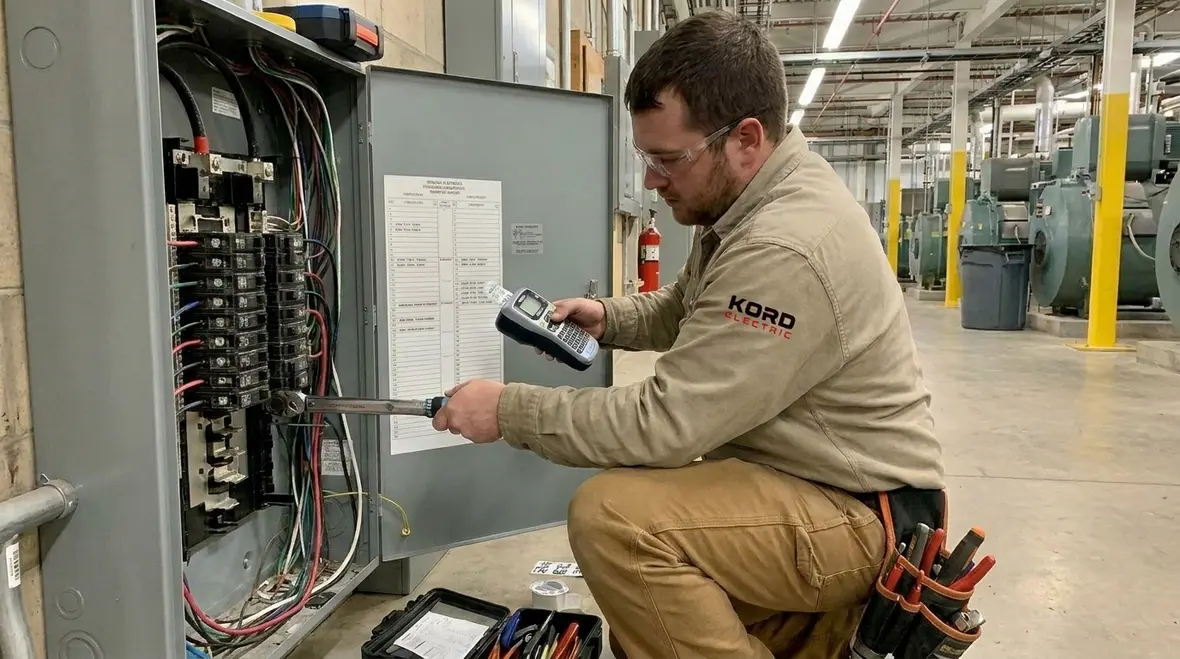
How safe wiring, protection, and labeling reduce downtime
Once the planning is solid, installation quality becomes the difference between a reliable system and a recurring headache. Therefore, our electricians focus on details that most people never see, yet everyone feels when something goes wrong.
We ensure correct breaker selection and coordination with upstream protection. That means the system trips in the right places and at the right time, which limits what gets taken offline during a fault. Additionally, we confirm conductor insulation ratings and cable types match the environment. If the wiring route runs near heat sources or in tight raceways, we address that early rather than during troubleshooting.
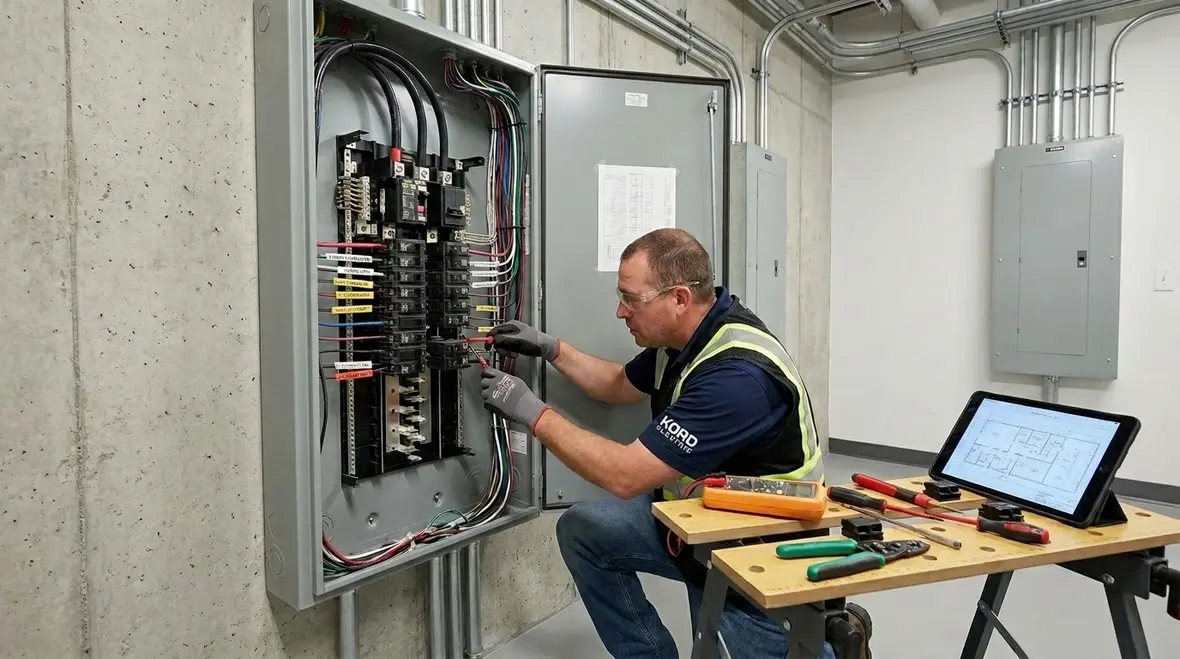
We also handle labeling with discipline. Clear labeling speeds up service calls and reduces the chance that someone isolates the wrong circuit. In commercial facilities, that is not a small thing. A wrong shutoff can halt operations, disrupt production, or delay service teams.
Finally, we verify termination quality. We inspect conductor termination, confirm proper phase connections, and check that neutral and ground conductors are handled correctly. This work prevents overheating and voltage issues that can quietly degrade performance over time. In fact, many problems show up long after the installer leaves. Our approach reduces that risk.
And for a little humor, we will say this: electricity is not like coffee. You cannot “sneak a little more” and hope it behaves. It follows the rules, and we make sure your panel does too.
Coordination with preventive maintenance for long term performance
A subpanel is not a one time project. It becomes part of a long term performance plan. That is why we connect installation work to electrical preventive maintenance practices and align with the dedicated electrical preventive maintenance services Kord Electric provides for commercial and industrial facilities.
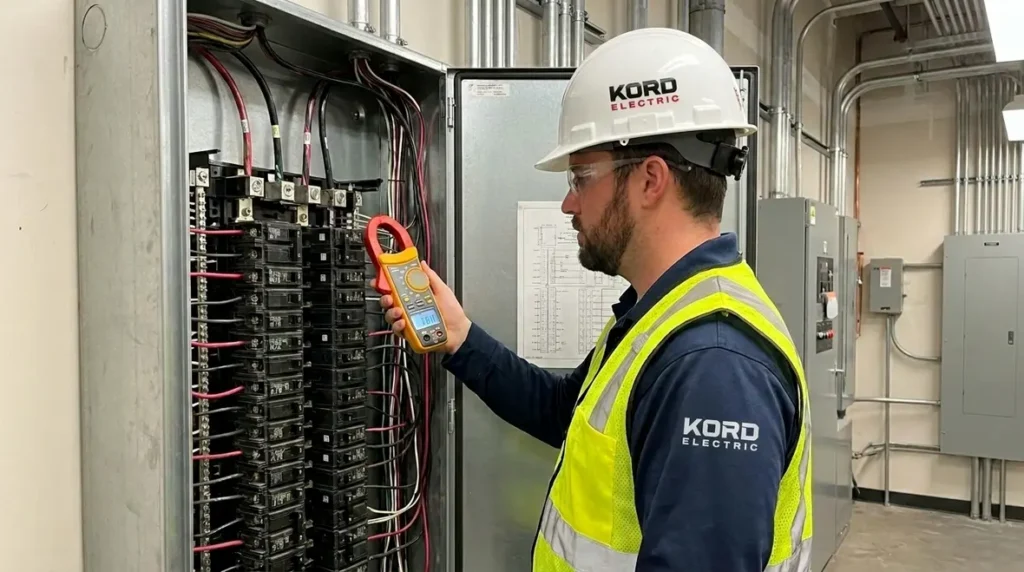
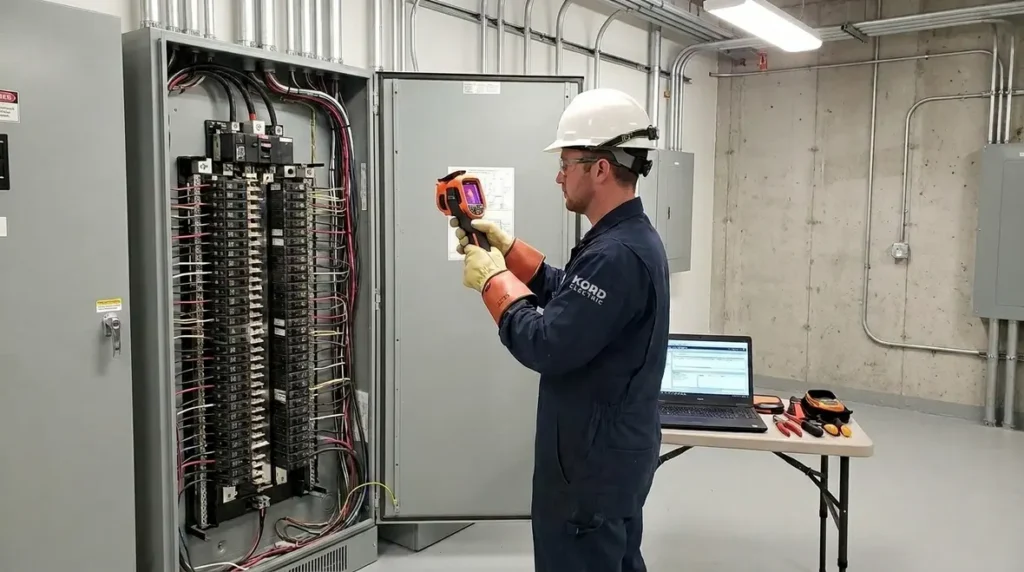
When the facility maintains the system regularly, small issues do not grow into major failures. Our preventive approach typically includes inspecting panel conditions, checking connections, and watching for signs of heat, corrosion, or loosening. It also focuses on verifying breaker performance and confirming that the labeling remains accurate as circuits change over the years.
In addition, preventive maintenance helps your team catch problems before they interrupt operations. It supports safer troubleshooting and smoother upgrades. And it gives managers confidence because they have records and routine oversight.
Our technicians and expert service staff also guide your internal teams on how to report symptoms and how to document changes. When people handle small updates correctly, the subpanel stays predictable. That predictability saves money, because in commercial and industrial buildings, downtime is expensive and downtime is never scheduled.
If a facility wants, we can coordinate with their maintenance schedule and upgrade plan so the subpanel stays ready for new loads. That way, when expansion arrives, the electrical system does not have to start from scratch. It builds on a foundation already cared for.
Dual column checklist for a commercial subpanel project
To keep projects organized, we follow a field tested checklist. Below is a simple view of what our teams handle on site and what facility managers can prepare in advance.
What we handle
- Load review, capacity planning, and circuit mapping.
- Correct subpanel selection, mounting, and wiring layout.
- Grounding and bonding verification.
- Breaker setup, termination inspection, and safety checks.
- Accurate labeling and documentation.
- Coordination with preventive maintenance practices.
What you prepare
- Updated floor plans and expansion timelines.
- Access coordination and approved work windows.
- Point of contact for facility operations.
- Existing panel information and prior upgrade notes.
- Maintenance schedule preferences and reporting needs.
- Any equipment requirements for startup and isolation.
FAQ for commercial subpanel installation and expansion
Ready to plan your next electrical expansion with Kord Electric
Commercial subpanel installation and expansion should feel controlled, not chaotic. At Kord Electric, we start with careful load planning, install with disciplined workmanship, and connect the project to electrical preventive maintenance so your system stays dependable. If your facility is adding equipment, reconfiguring spaces, or nearing panel capacity limits, we can help you build a smarter electrical path forward.
For properties planning larger upgrades alongside subpanel work—such as lighting improvements or system-wide care—it often makes sense to integrate a structured electrical preventive maintenance program into the same roadmap so expansion and ongoing reliability move in lockstep.
If your electrical expansion includes additional systems or reconfiguration of major areas, Kord Electric’s broader commercial services—from lighting installation services to targeted infrastructure upgrades—can be coordinated with your subpanel project so everything is planned, installed, and maintained as one unified system.
Contact us today to schedule an on site assessment with our technicians and get a plan you can trust.