
Electrical Infrastructure Resilience for Tall Buildings
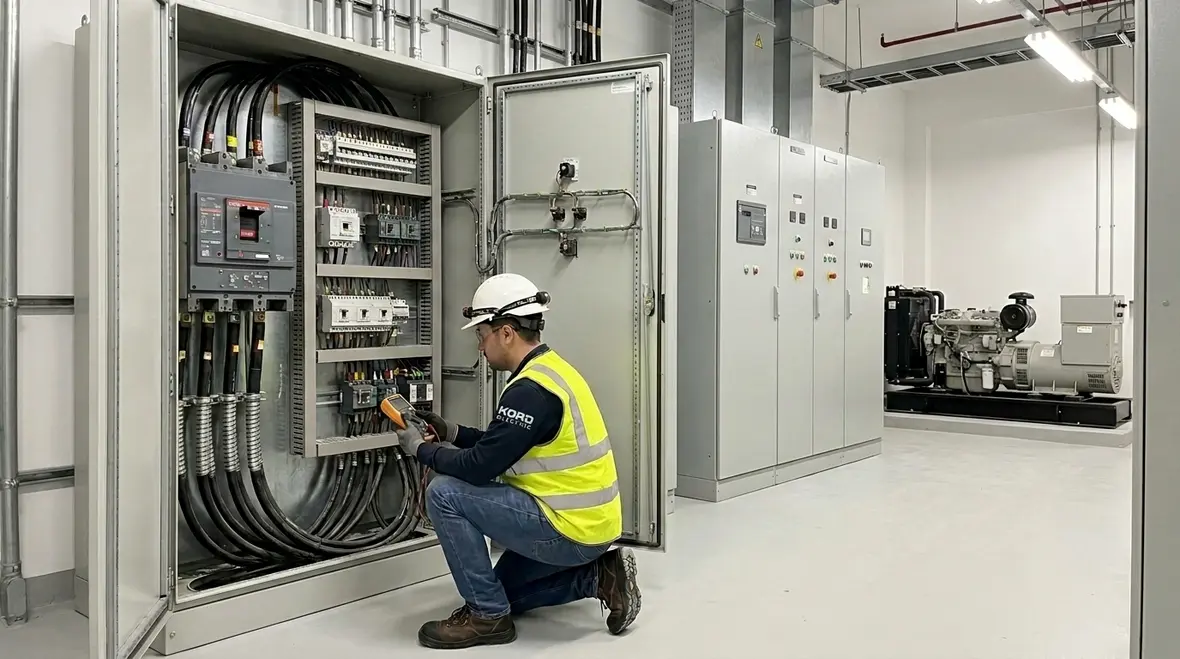
Electrical infrastructure resilience for tall buildings does not happen by luck. It is built, tested, and improved over time, especially in high rise commercial and industrial structures where downtime costs more than repairs. At Kord Electric, we focus on strengthening the electrical backbone that keeps elevators moving, lighting stable, cooling systems running, and critical processes online. Others may treat maintenance as an afterthought, but our field technicians and expert service staff take a more steady approach. We plan, we inspect, and we document so the building can absorb stress, recover faster, and keep operating when conditions get tough. And yes, we also make sure the equipment does not fail like a bad sitcom: slow setup, then sudden chaos.
What resilient power really means for high rises
When people hear the word resilient, they picture a tough frame and a strong spirit. In electrical systems, it means something more practical. Resilience is how well the distribution, protection, and power quality handle strain from everyday loads and from the unexpected. Therefore, a resilient high rise does not just “survive” an outage. It reduces the chance of outages and limits the damage if an event occurs.
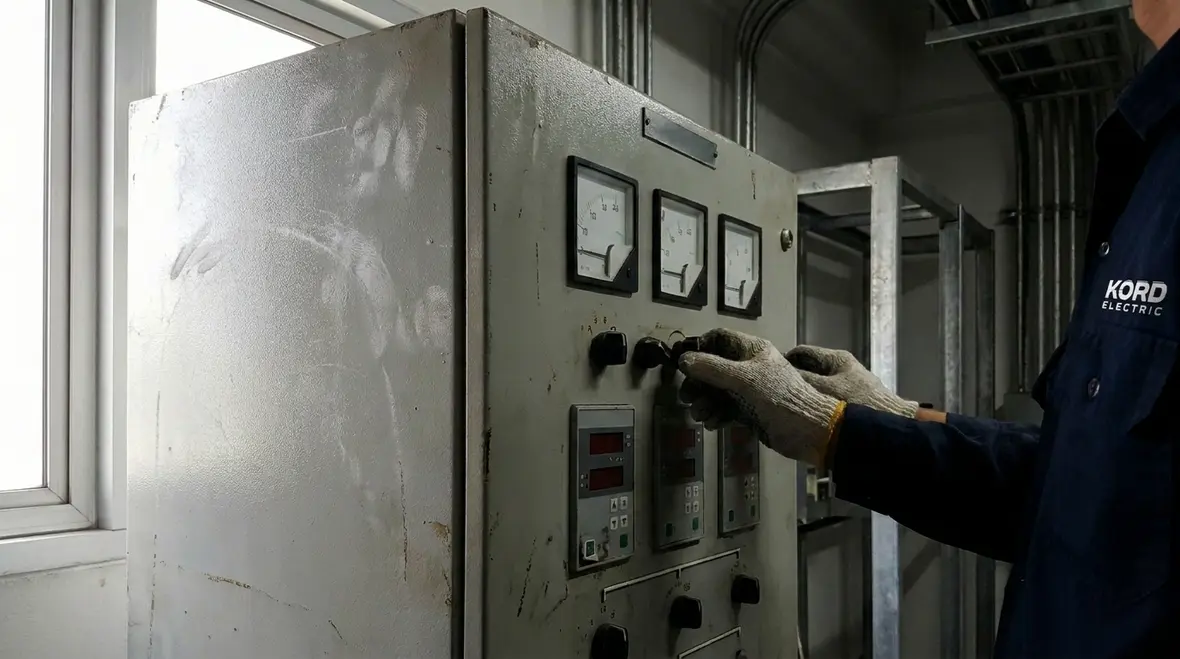
In commercial and industrial facilities, that usually comes down to three pillars. First, the system stays within safe operating ranges so components do not age faster than they should. Second, protection devices clear faults quickly and correctly, so a small issue does not turn into a site wide problem. Third, the building maintains power quality for sensitive loads, like building management systems, life safety controls, and modern HVAC controls.
Our technicians explain this in plain language, on site, while they work. They show what we see, what we measure, and why the recommendation matters. That way, others in management are not left guessing. They understand the building’s electrical posture, the risks, and the next steps.
How we build maintenance plans that prevent expensive surprises
Kord Electric supports commercial and industrial facilities with maintenance planning that runs on purpose, not guesswork. To do that, our team uses structured electrical maintenance plans that align with how major property buildings operate. Then we schedule work around building needs, tenant operations, and the practical realities of access and downtime.
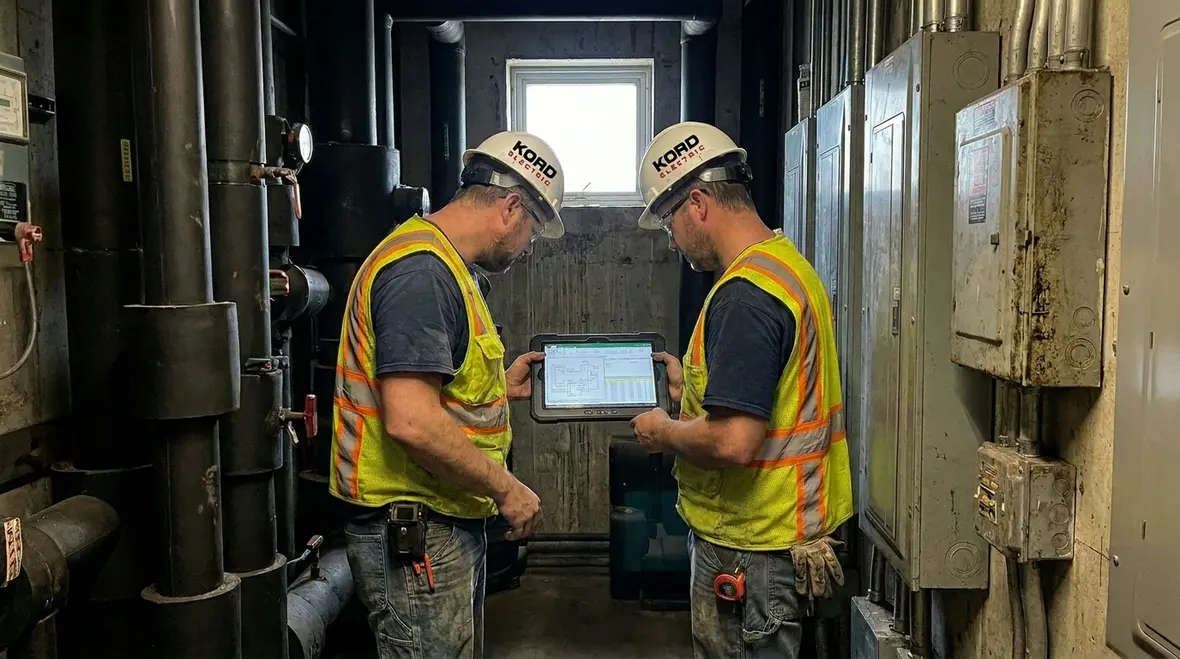
In other words, we reduce the number of “surprise failures” that show up after hours, when the schedule is already packed and the budget already flinches. Instead, we check the system while it still behaves normally. And when we do find issues, we address them before they become outages.
In many cases, our process also supports compliance and better record keeping. When a facility can show what was tested, what was found, and what was corrected, the entire operation becomes calmer. It also makes the next decisions faster.
If you want the details on how commercial and industrial maintenance plans work, you can review our approach here: Commercial and Industrial Electrical Maintenance Plans on the Kord Electric blog.
Inspection and testing that strengthens power stability
Electrical infrastructure resilience for tall buildings starts with what we measure, not what we assume. Therefore, our inspections focus on the parts that affect reliability the most. We look at distribution equipment, switchgear performance, panel conditions, connections, and the protective layers that keep faults controlled.
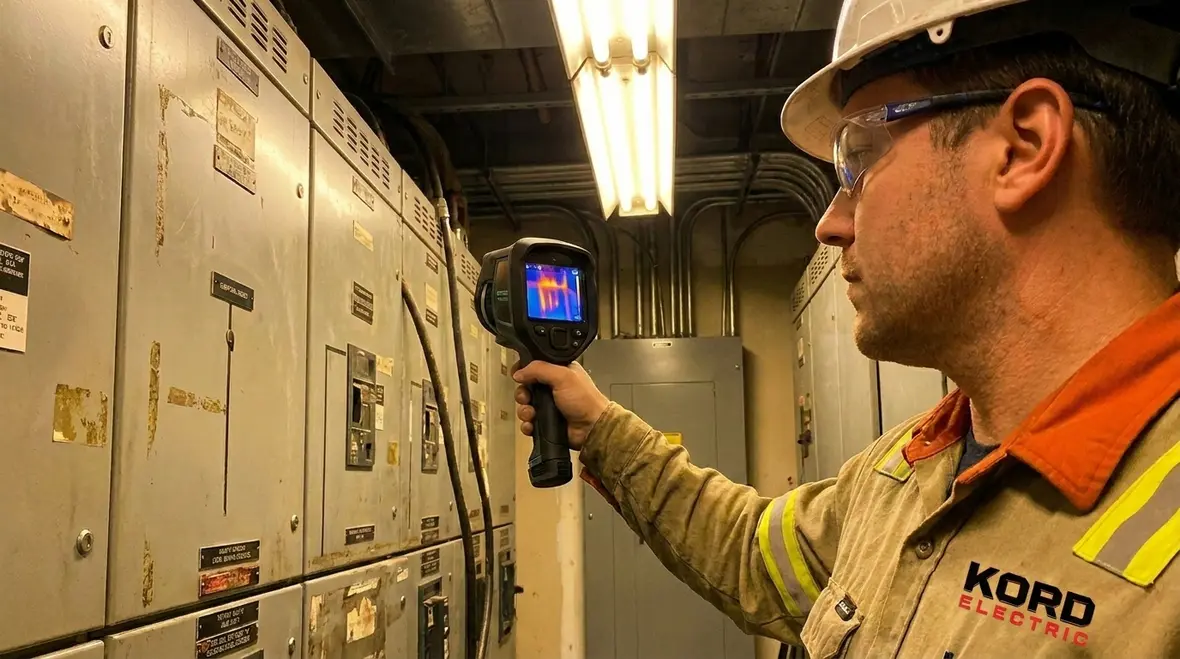
During testing, our expert service staff often finds problems that do not show up in a basic visual check. For example, loose terminations can create heat buildup. Heat buildup can quietly degrade insulation. Over time, that increases the chance of a failure. Then, when someone finally hears a buzzing sound, the system acts like a warning light that was ignored.
So we perform targeted checks that support stability. We also prioritize the health of connections and conductors, because those are common failure points in high rise electrical infrastructure. Additionally, we review power quality symptoms that can lead to nuisance trips or equipment stress. When customers hear, “It’s probably the power,” they should know we investigate, not guess.
And just to keep things human, we sometimes say, “Your building’s wiring tells a story. We just read the fine print.”
Why protection systems matter when the building faces faults
In tall structures, faults do not ask permission. They happen due to aging insulation, moisture ingress, vibration, construction impacts, or simple wear. Yet the building’s response decides the outcome. Proper coordination and dependable protection devices can limit how far a fault spreads. As a result, the building keeps critical loads alive while the system isolates the problem.
Our approach focuses on both function and selectivity. We examine breakers, fuses, relays, and coordination settings so the right devices operate in the right order. If protection operates too slowly, damage can grow. If protection operates too broadly, you get larger outages than you need. Either way, tenant operations suffer and recovery costs climb.
Moreover, we consider how the facility uses power. A building with heavy process loads and modern controls needs a protection mindset that matches its actual operating profile. We help others in facility management understand the difference between “power is on” and “power is protected.” In a high rise, that distinction can save more than one expensive day of troubleshooting.
Backup power, transfer switching, and recovery speed
Backup power supports resilience, but only when it performs under real conditions. Kord Electric treats backup systems as part of the main electrical plan, not as a separate checkbox. Therefore, we evaluate transfer switching paths, generator readiness, automatic controls, and the distribution downstream of backup.
When a facility relies on standby power for critical services, the timeline matters. The building must transfer quickly enough to keep sensitive systems stable and prevent cascading failures. Also, the transition must not stress equipment with unstable voltage or timing issues.
Our technicians and expert service staff take time to explain testing results in a way that helps decision makers. We point out what works, what needs attention, and what the likely risk looks like if action gets delayed. That calm, clear guidance helps others choose priorities without fear.
And yes, standby power testing can feel like a “practice drill.” But in the world of electrical systems, drills prevent the real thing from turning into a headline.
Managing heat, moisture, and load growth in major properties
Electrical failures often start with slow, predictable stress. Heat and moisture wear down insulation. Load growth increases current demand. New tenants add equipment. Meanwhile, renovations can change airflow patterns and cable routing. Over time, the original design can face new realities.
To strengthen electrical infrastructure resilience for tall buildings through these shifts, our team monitors system conditions and adapts the plan as the building evolves. We also address environmental issues that contribute to premature aging. When a facility has consistent cooling and ventilation across electrical rooms, components last longer. When those conditions drift, failure risk climbs.
We also support long term planning. Instead of treating each maintenance visit like a one off event, we keep a running view of what the building experiences. Then we recommend actions that match the facility’s roadmap, whether it involves tenant changes, expansion, or upgrades to critical systems.
Others sometimes try to manage electrical concerns with only “run to failure” tactics. That strategy feels efficient until the day it costs them a week of downtime. Then efficiency turns into a comedy sketch, and everyone laughs less.
FAQ
Get a resilient electrical plan with Kord Electric
At Kord Electric, we help commercial and industrial facilities strengthen electrical infrastructure resilience for tall buildings through structured maintenance plans, clear testing, and fast, targeted fixes. Our technicians and expert service staff explain what they find and guide decision makers toward practical upgrades that reduce risk. If you manage a major property building and you want steadier power, smarter protection, and faster recovery, reach out today. We will review your needs, discuss priorities, and map the next steps with care. Then your electrical system can work like it means it.
To align your tall building strategy with broader preventive care, you can also explore how our electrical preventive maintenance services support ongoing reliability across commercial and industrial portfolios.
Whether you are evaluating current system stability or planning upgrades for future growth, we design service around real world constraints. From voltage stability and protection coordination to long term maintenance planning, our team works to keep your building ready for whatever comes next.


