Common Commercial and Industrial Lighting Issues
Common Lighting Issues in Commercial and Industrial Facilities And How to Fix Them
There is something unsettling about flickering lights in a large commercial building. One moment the production floor hums along like a well rehearsed orchestra. The next, the overhead fixtures begin their own disco revival. Not the fun kind. Not the Saturday Night Fever kind. The kind that makes facility managers reach for the maintenance log and whisper, “Here we go again.”
At Kord Electric, we have seen how flickering lights can ripple through a warehouse, manufacturing plant, or high rise property like a bad sequel no one asked for. Our technicians and expert service staff explain it clearly. Lighting problems are rarely just about bulbs. They are often signals. Signals about load imbalance, aging systems, poor installations, or neglected maintenance. In this article, we walk through the most common lighting issues in commercial and industrial facilities and, more importantly, how we fix them.
Why Do Flickering Lights Happen in Large Commercial Buildings?
How electrical issues turn into visual symptoms
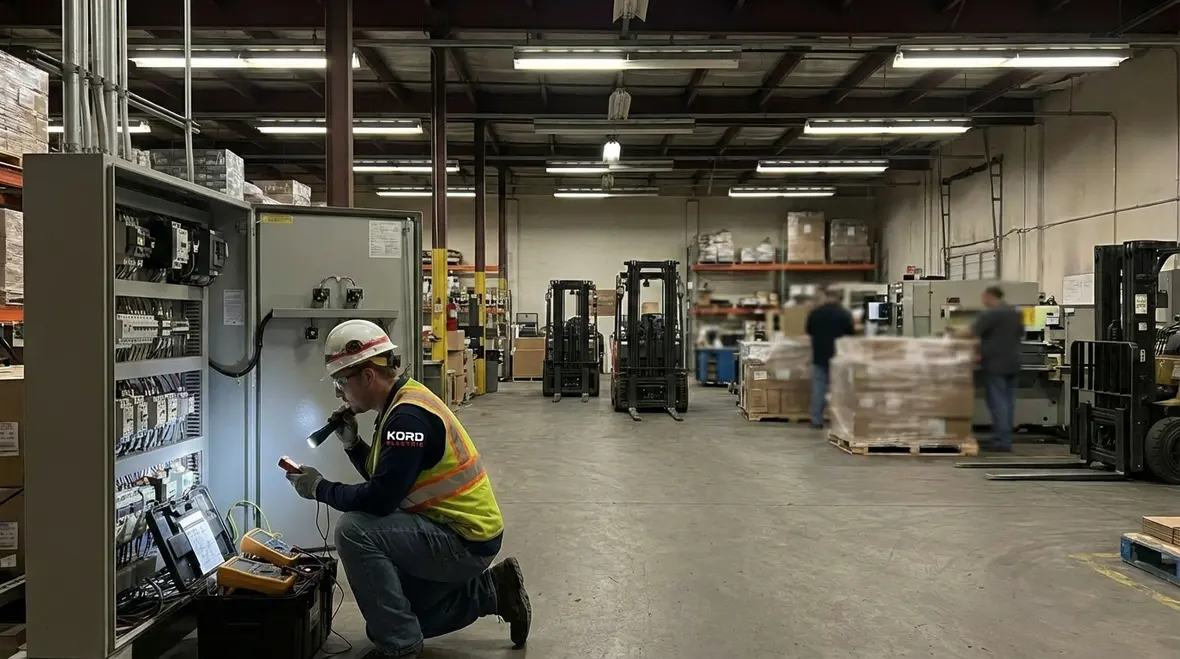
Facility managers often ask this question directly. They type it into search engines late at night while staring at surveillance footage of a warehouse floor pulsing like a sci fi movie. The answer, however, is layered.
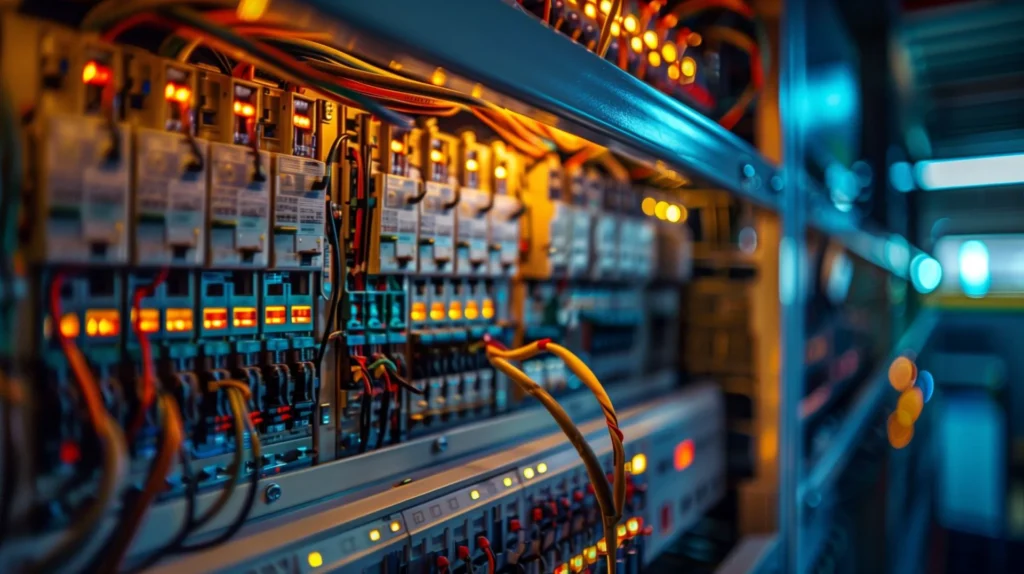
First, loose electrical connections are a frequent culprit. Over time, vibration from heavy machinery or HVAC systems can loosen wiring inside fixtures or panels. As a result, the electrical flow becomes inconsistent. That inconsistency shows up as blinking lights or subtle brightness shifts.
Second, voltage fluctuations inside the building’s electrical system can trigger flickering lights across entire sections. Large industrial equipment that cycles on and off may draw heavy current. Consequently, lighting circuits experience brief dips in voltage. When lighting systems share panels with heavy loads, instability follows. For a deeper dive into how unstable voltage affects large buildings, explore our guide on voltage fluctuations in commercial and industrial facilities.
Third, aging ballasts in fluorescent systems or failing LED drivers often cause uneven illumination. Our expert service staff regularly explain to property managers that drivers and ballasts are the quiet workhorses behind each fixture. When they begin to fail, the result is strobing or dimming.
At Kord Electric, we approach the issue methodically. We do not swap bulbs and hope for the best. Instead, we perform load analysis, inspect panels, check terminations, and test drivers. Only then do we recommend targeted repairs or upgrades. That way, we eliminate the root cause, not just the symptom.
Inconsistent Brightness Across Large Facilities
Why some aisles glow while others feel like a noir set
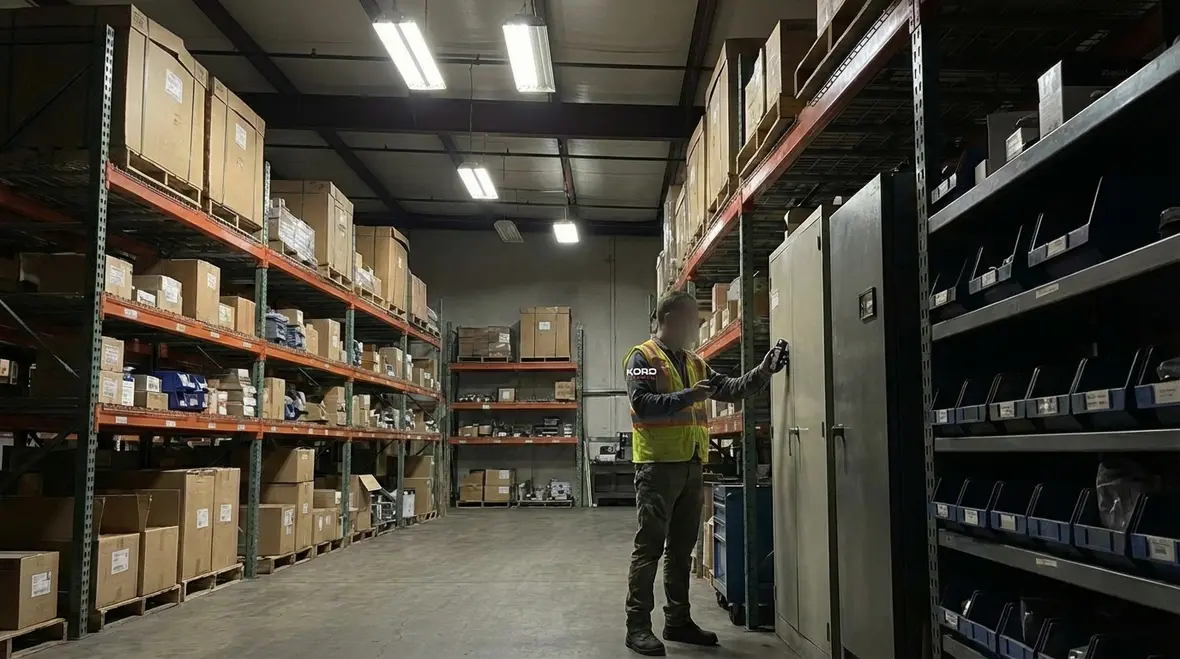
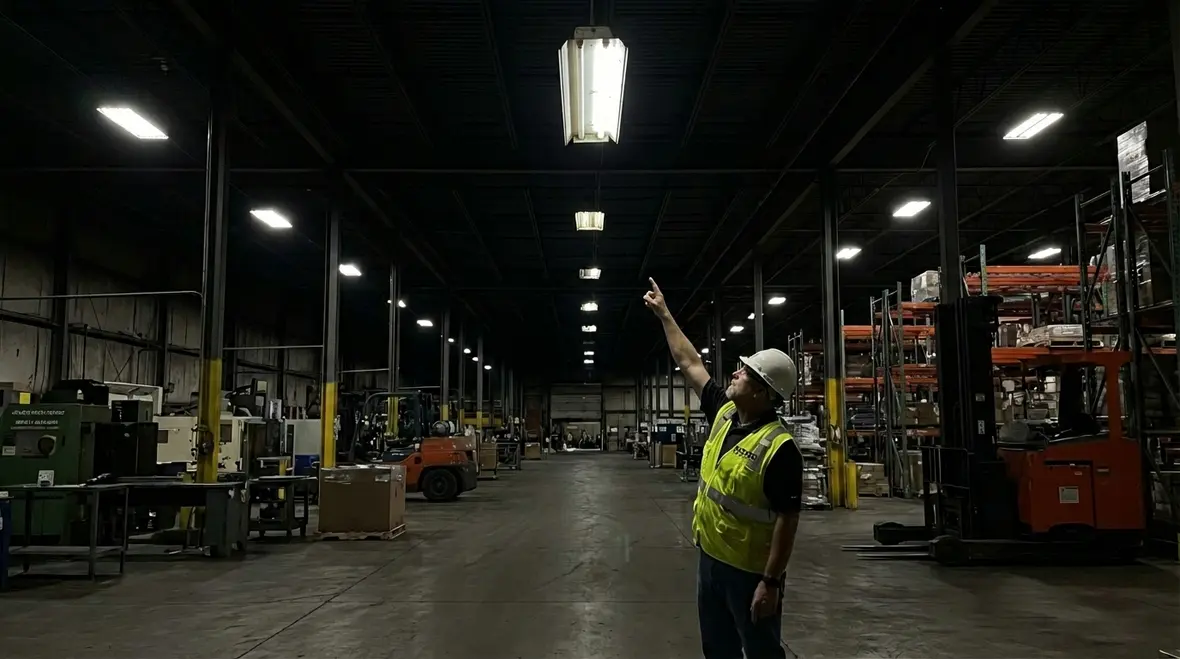
Lighting should feel steady and dependable. Yet in many commercial and industrial facilities, brightness varies from aisle to aisle or floor to floor. While some areas feel over lit, others look like they belong in a noir detective film.
Inconsistent brightness usually stems from three main issues. Improper lighting design for the facility’s layout. Outdated technology mixed with newer fixtures. Or poor distribution of circuits across panels.
When facilities expand, lighting often expands with them. However, additions sometimes happen in phases. Consequently, different fixture types and color temperatures coexist. The result is uneven illumination that affects worker productivity and visual safety.
Our technicians take a comprehensive approach. We evaluate ceiling height, task requirements, rack placement, and reflectivity of surfaces. Then we map out lighting levels to ensure compliance with commercial and industrial standards. In many cases, we recommend LED retrofits that balance output while lowering energy consumption. Furthermore, we ensure circuits are properly distributed to avoid overloading specific breakers.
Because lighting in a manufacturing plant is not just about visibility. It is about precision. It is about safety. And it is about efficiency. No one should need to squint at a control panel like they are deciphering ancient runes.
If you are planning a system upgrade or new layout, our dedicated lighting installation services for commercial and industrial facilities are built specifically for large-scale environments.
Frequent Lamp or Fixture Failures
When replacements become a pattern, not a one-off
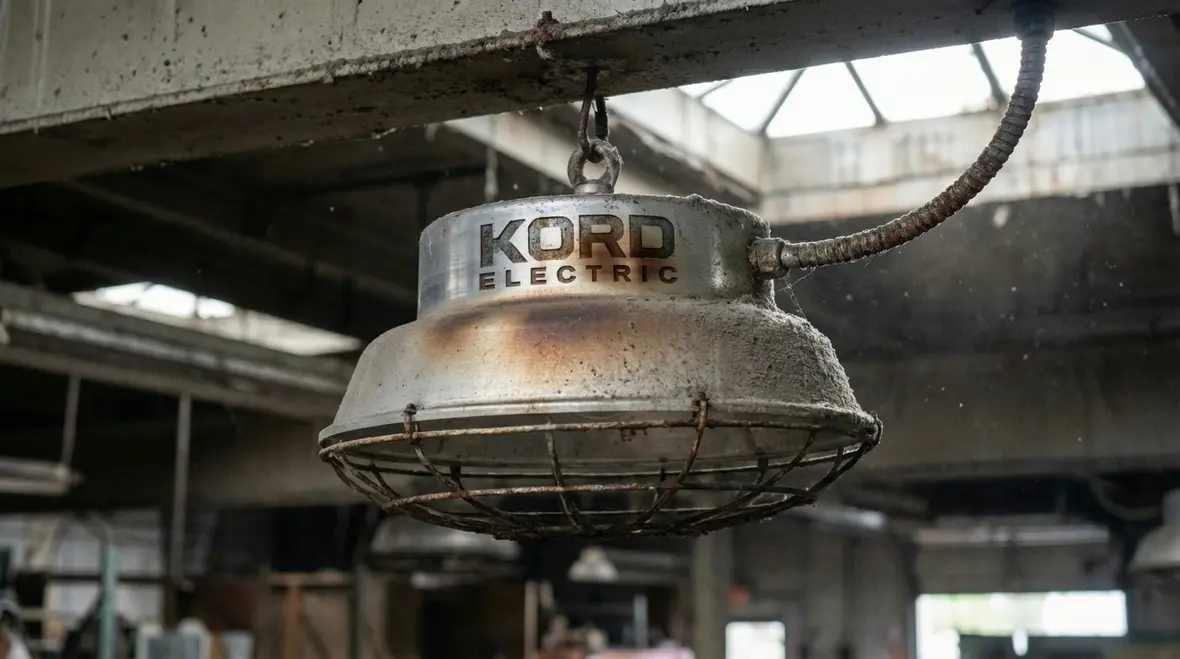
When fixtures fail repeatedly in the same area, the issue often runs deeper than poor quality lamps. Facility managers sometimes assume a bad batch of bulbs caused the problem. However, repeated failures often signal electrical stress.
Excessive heat in enclosed fixtures can shorten component life. Additionally, poor ventilation in high bay installations accelerates driver degradation. In industrial facilities, airborne contaminants such as dust or chemicals may infiltrate housings. Over time, internal components corrode.
At Kord Electric, our service staff carefully inspect environmental conditions. We look at ambient temperature, airflow, and exposure to moisture. Then we determine whether fixtures require higher rated enclosures or sealed designs.
Moreover, we check voltage levels at the fixture. Surges and spikes, even minor ones, degrade electronics gradually. Therefore, we may recommend surge protection devices or dedicated circuits for sensitive lighting systems.
Repeated failures are not random acts of fate. They are clues. And our technicians treat them like detectives with multimeters.
Lighting Controls That Do Not Cooperate
When automation creates more complaints than savings
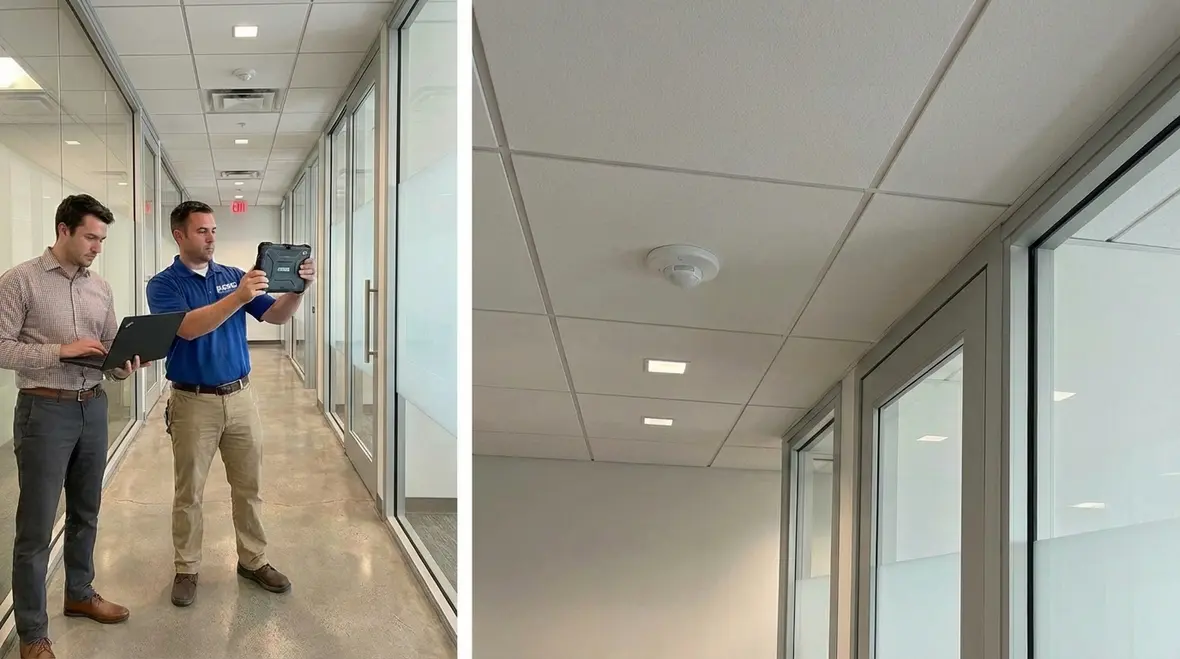
Modern commercial properties rely heavily on lighting controls. Motion sensors. Daylight harvesting systems. Timers. Building automation integrations. When these systems work, energy savings feel almost magical. When they fail, frustration builds quickly.
Common control issues include delayed response, lights remaining on during unoccupied hours, or sections refusing to activate at all. Often, misaligned sensors or outdated firmware cause the issue. In other cases, improper commissioning during installation leads to inconsistent performance.
Our expert service staff emphasize the importance of proper setup. Controls are not plug and play toys. They require calibration to the specific layout of a facility. Ceiling height, line of sight, and equipment placement all affect sensor accuracy.
Therefore, we begin with a full review of the control logic. We verify programming, test sensor ranges, and confirm communication between devices. If needed, we reconfigure zones to align with actual workflow patterns. The goal is simple. Lights respond when and where they should. No haunted warehouse vibes required.
How Kord Electric Diagnoses and Resolves Commercial Lighting Problems
From complaints on the floor to corrective action plans
Commercial and industrial lighting systems are complex ecosystems. They involve panels, transformers, drivers, controls, and sometimes miles of conduit. As a result, surface level troubleshooting rarely solves persistent issues.
At Kord Electric, our process follows a disciplined path. First, we gather data. We interview facility managers and maintenance teams. We review load schedules and maintenance history. Then we perform on site measurements.
Below is a simplified view of how we compare symptoms with solutions.
| Observed Issue | Our Targeted Response |
|---|---|
| Flickering lights in one zone | Inspect local wiring, test drivers, verify circuit load balance |
| Building wide brightness shifts | Conduct voltage monitoring, analyze panel distribution |
| Frequent fixture burnout | Evaluate environmental factors, install surge protection |
| Control system failures | Reprogram, recalibrate sensors, confirm integration settings |
This structured approach ensures we do not rely on guesswork. Instead, we rely on data, testing, and experience across large scale facilities.
Energy Waste and Hidden Operational Costs
What flickering lights quietly do to your utility bills
Lighting issues are not just visual annoyances. They directly affect operating costs. In industrial settings where lights operate for extended hours, inefficiency multiplies quickly.
For example, outdated fluorescent systems consume more energy and require frequent maintenance. Additionally, unstable power conditions increase component wear. Over time, energy bills rise while reliability drops.
At Kord Electric, we help commercial and industrial property owners transition to modern LED systems designed for durability and efficiency. However, we do not recommend upgrades blindly. We calculate return on investment, evaluate rebate opportunities, and project maintenance savings.
Moreover, we design systems that integrate with advanced controls. By doing so, facilities reduce unnecessary runtime without compromising safety. It is not glamorous work. Yet it is powerful. Because every kilowatt saved strengthens the bottom line.
Safety Risks Linked to Poor Lighting Conditions
From flickering aisles to real-world incidents
In commercial and industrial environments, lighting affects more than aesthetics. It influences safety. Dim corridors, blinking lights, or shadowed production areas increase the risk of accidents.
Forklift operators rely on consistent illumination. Maintenance teams need clear visibility around machinery. Security personnel depend on reliable exterior lighting. When flickering lights disrupt visibility, reaction time decreases.
Our technicians treat safety as non negotiable. Therefore, we verify that lighting levels meet recommended standards for specific tasks. We also ensure emergency lighting and exit signage operate independently of primary circuits. During inspections, we test backup systems and confirm battery integrity.
Because in a large facility, safety is not a suggestion. It is a responsibility. And lighting plays a central role. For a closer look at how bad lighting affects productivity and safety, you can also review our breakdown of workplace lighting safety hazards.
Preventive Maintenance for Long Term Performance
Stopping problems before the next shift ever sees them
Reactive repairs solve immediate problems. Preventive maintenance prevents them from returning. That distinction matters.
Kord Electric offers scheduled maintenance programs tailored to commercial and industrial facilities. Our service staff perform routine inspections of panels, fixtures, and control systems. We tighten connections, clean housings, and test voltage stability.
Furthermore, we track patterns. If one section shows recurring blinking lights, we investigate upstream distribution. If certain drivers fail prematurely, we analyze environmental factors.
Preventive maintenance extends system life and reduces downtime. It also allows property managers to budget predictably. Instead of scrambling during unexpected outages, they operate with confidence.
Think of it like regular health checkups. No one waits for dramatic music and a hospital scene before taking action. At least, they should not. If you want a structured program instead of one-off service calls, explore our electrical preventive maintenance services built for commercial and industrial facilities.
Frequently Asked Questions
Conclusion
Lighting shapes how commercial and industrial facilities operate every single day. When problems arise, they rarely solve themselves. Kord Electric brings experience, precision, and expert service staff who diagnose issues at their source and deliver lasting solutions. If flickering lights or other performance concerns disrupt your property, we stand ready to restore clarity and reliability. Contact Kord Electric today and let us bring steady, dependable light back to your facility.
If you are ready to move from chasing symptoms to implementing long term fixes, our dedicated lighting installation and upgrade services are designed specifically for commercial and industrial properties that cannot afford guesswork or downtime.