Core Drilled Outdoor Lighting for Commercial Sites
At Kord Electric, we deliver Core-Drilled Outdoor Lighting Installation for Commercial Properties that stays solid, looks intentional, and passes inspection when the paperwork starts flying. We install core drilled outdoor lighting for commercial and industrial facilities, major property buildings, and campuses where downtime costs real money. And yes, we plan the work so the site keeps moving.
Even so, lighting can fail in ways that look small at first but get caught fast by inspectors. In the next sections, we explain how we handle commercial core drilling, cable routing, fixture placement, and the details that keep systems safe. Our technicians and expert service staff also walk others through the “why” behind each step, because guesswork is not a service model, it is a comedy routine.
Core drilled outdoor lighting: what we install and why it matters
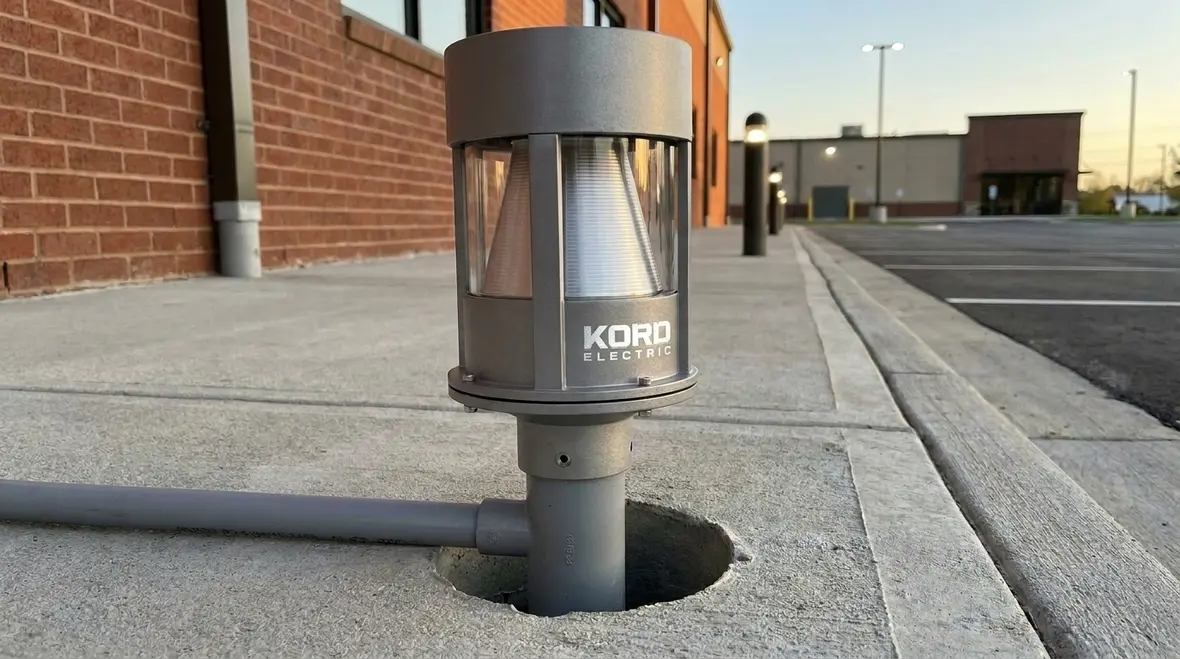
In commercial and industrial spaces, exterior lighting needs to do more than shine. It needs to support safety, reduce accidents, meet site standards, and handle weather without drama. That is why we focus on core drilled installs, especially where surface mounting would disrupt finishes, landscaping, or building systems.
To keep the installation clean and durable, we plan the placement first, then we drill through appropriate concrete or masonry areas. After that, our team sets the anchor points, installs conduits and wiring, and connects fixtures with care. As a result, the system holds up over time and looks straight, not like it was mounted during a “quick fix” sponsored by chaos.
Also, commercial sites often demand consistent illumination across lanes, loading areas, entrances, and pathways. Therefore, our electricians coordinate fixture type, beam spread, mounting height, and aiming so the light lands where it should, not where it only feels good.
Planning that keeps code officials calm
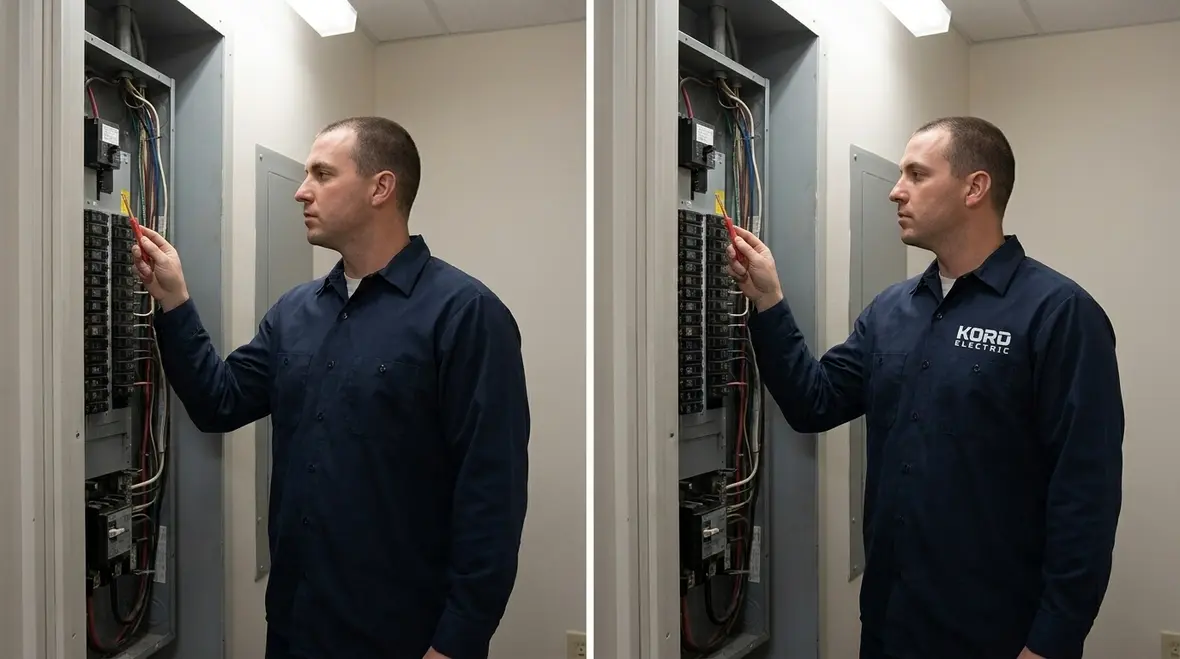
Before any drilling begins, we treat planning like it matters, because it does. Inspectors usually do not fail people for having lights. They fail teams for missing details: wrong burial depth, unclear wiring routes, improper grounding, or fixtures placed in spots that violate safety requirements.
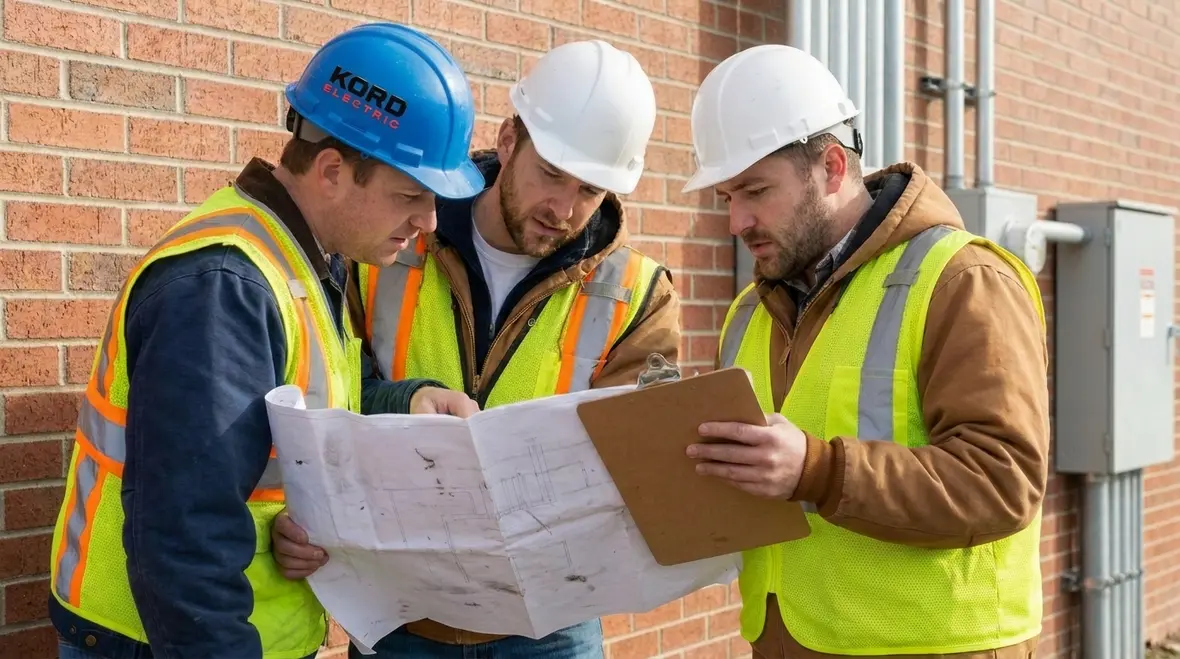
We start by reviewing the site layout and the power source, then we confirm the routing path and equipment locations. After that, we map out conduit runs, device locations, and any penetration points so our technicians do not create surprises in the field. This approach keeps work efficient and also reduces patching, which helps the facility manager keep everyone happy.
Additionally, we consider lighting controls. Timers, photocells, and motion sensing all have proper placement rules and wiring needs. As we plan, we also verify that the system will function the way the owner expects, not the way the building accidentally interprets it at midnight. Pop quiz: buildings do not do “interpretation.” They do only what the wiring tells them.
Lighting installation mistakes that fail inspections, and how we avoid them
If you have ever seen an inspection comment that starts with “minor issue” and ends with “rework required,” you understand the stakes. Our team uses the lessons from our own Kord Electric blog on lighting installation mistakes that fail inspections to prevent the same headaches on commercial projects.
Here are the mistakes we look for, and the fixes we build into every job
- Unclear conduit and wire routing: We route conductors with clear paths and secure methods so nothing gets crushed, pinched, or exposed.
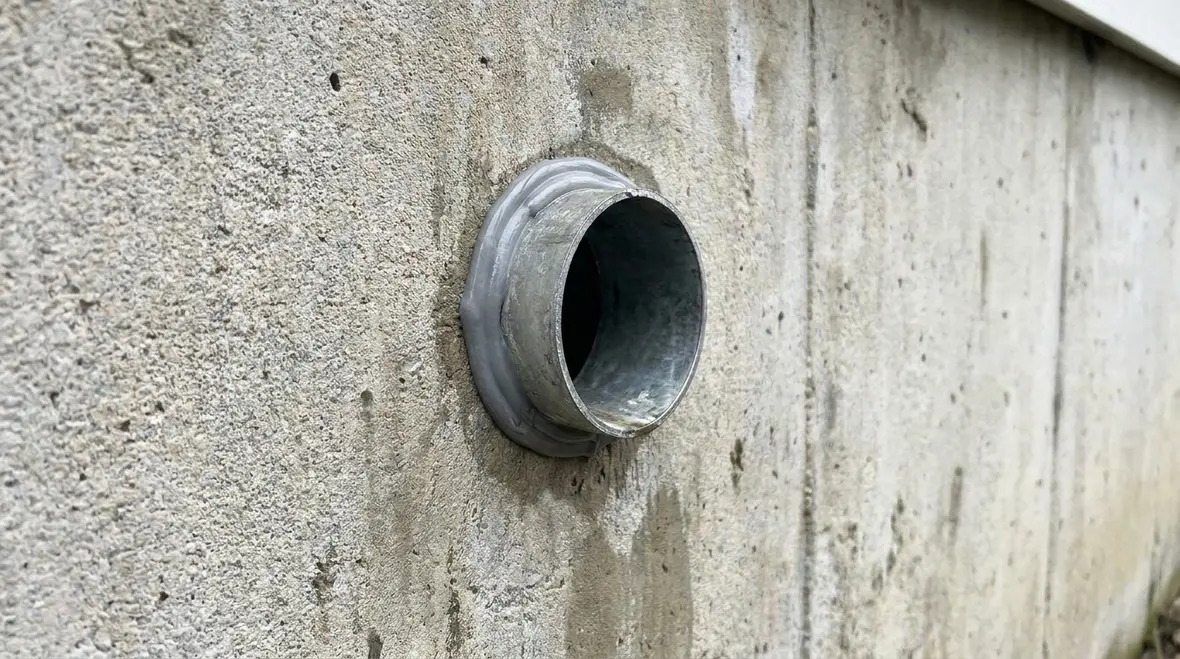
- Improper penetration sealing: For core drilled holes, we use correct sealing approaches so water intrusion does not become a future equipment failure.
- Weak grounding practices: We verify grounding and bonding continuity so fault protection works the way code expects.
- Wrong fixture aiming and coverage: We place fixtures so lighting targets the site needs, not random patches of concrete like a bad magic trick.
- Missing weatherproofing details: We ensure exterior rated components stay rated after installation, with proper connections and secure housings.
Then we document what we did. In commercial settings, good records help fast approvals and reduce back and forth. Meanwhile, our expert service staff explains key details to facility teams in plain terms, so everyone understands what was corrected and why it matters.
And just to be clear, our technicians do not treat safety like a suggestion. They treat it like the part that keeps the system alive, and the people working outside it safer.
How we handle core drilling safely on large facilities
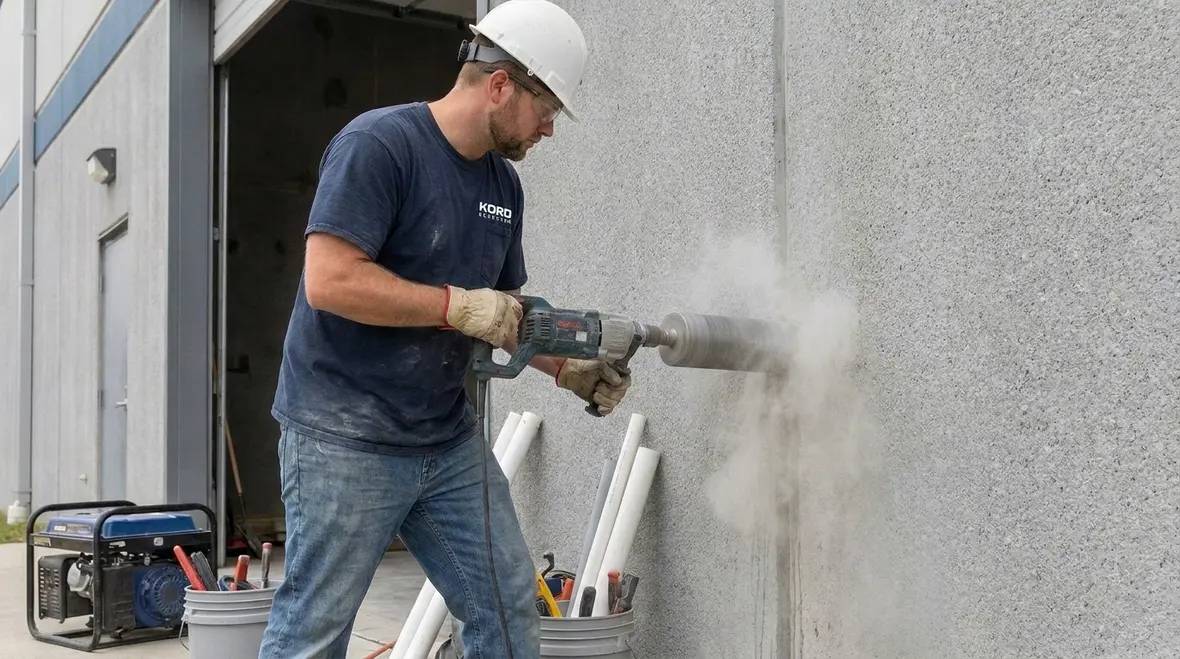
Core drilling can be done fast, but it should not be rushed. We approach it with control and respect for the building and the schedule. First, we confirm drilling locations and check that they align with structural and mechanical constraints. Next, our team sets up proper protection so debris stays contained and site traffic stays safe.
Then we size the openings correctly for conduits, sleeves, and cable needs. After drilling, we clean up and inspect the openings so the conduit fitment is consistent. From there, we install the conduit and make sure penetrations get finished in a way that protects the system from water and long term wear.
Finally, we verify electrical continuity and function before we close things out. Therefore, we catch issues early, when fixes are simple, not after the site is already under full operational pressure. If a facility has a shift schedule, we coordinate work around that reality because commercial projects do not pause for convenience.
As part of our process, our technicians also brief others onsite, including property management and maintenance leads. That way, people understand what they will see during drilling and how the installation will look when the system is complete.
Choosing commercial grade fixtures and controls
Once the core drilled infrastructure is ready, fixture selection becomes the difference between “it works” and “it performs.” We match fixtures to site needs such as vehicle access, pedestrian areas, loading docks, and building entrances. We also consider glare control, beam direction, and the way light spreads across surfaces.
Controls matter, too. Many commercial properties want reliable schedules, energy savings, and predictable behavior for safety. We install compatible controls and wire them with the right methods so the system responds correctly. For example, photocells need proper placement, and motion sensors need correct coverage angles to avoid useless activations.
Also, we plan for serviceability. We want the system to be easier to maintain, so we do not bury problems inside messy routing or difficult access points. In the real world, someone will eventually need to inspect or replace a component, and we build for that future moment instead of pretending maintenance is a myth.
And yes, sometimes clients ask for “the brightest light possible.” We listen, then we guide them. Bright is not always better when glare and coverage cause issues. We aim for effective light, not a lighthouse impression.
Site cleanup, documentation, and handoff
Commercial customers want the job finished, the site respected, and the system explained. We handle closeout with the same discipline we use during installation. We clean the work area, ensure the exterior looks neat, and confirm the equipment operates as designed.
Then our expert service staff provides a clear handoff. They explain what was installed, how it should behave, and what to monitor during seasonal changes. If controls are included, we explain the settings and what the owner should expect when lights cycle. As a result, the facility team does not feel like they inherited a mystery box with wires.
We also document key steps. This helps with internal records and future service planning. Most importantly, it supports inspections and compliance reviews by showing that the work followed safe, intentional methods.
FAQ: Core drilled outdoor lighting for commercial and industrial sites
Bringing core drilled outdoor lighting into your broader electrical plan
Core drilled outdoor lighting does not live in a vacuum. On real commercial sites, those conduits and fixtures share space with panels, feeders, data lines, and sometimes solar infrastructure and EV charging. That is why we design exterior lighting to align with the rest of your electrical strategy instead of fighting it.
For properties in Los Angeles County and nearby regions, our outdoor work often ties directly into broader programs like Los Angeles County commercial and industrial electrical services. When we handle both the lighting and the supporting electrical systems, we can coordinate load capacity, routing paths, panel space, and future maintenance so everything plays well together.
If your building already has older exterior lighting, we can review what is in place, compare it with current safety and performance expectations, and suggest a phased approach. In some cases, that might mean replacing a few failing circuits and fixtures. In others, it can mean a full redesign using core drilled pathways that protect wiring, improve coverage, and finally retire those leaning, loose mounted poles that have seen one too many quick fixes.
We also look ahead. When we install Core-Drilled Outdoor Lighting Installation for Commercial Properties, we think about expansion: possible added fixtures, new access lanes, or changes in tenant use. That mindset helps you avoid ripping up concrete twice or improvising surface raceways later just to support new requirements.
Ready for commercial outdoor lighting that holds up?
If your site needs dependable exterior lighting, Kord Electric is ready. We install core drilled outdoor lighting with planning, clean workmanship, and inspection focused details for commercial and industrial facilities and major property buildings. Our technicians and expert service staff explain the process clearly, so your team knows what is happening and why it matters.
Whether you are planning a new build, upgrading an aging exterior system, or tying outdoor lighting into a broader project, we help you design around real world use, code expectations, and long term maintenance needs. From the first core drilling layout to the final walkthrough at night, our focus stays on safe, reliable light that supports how your property actually runs.
Contact us to schedule an assessment and get a lighting plan built for performance, safety, and smooth approvals. Our team will review your site, discuss goals, and outline practical steps so your core drilled outdoor lighting becomes one of the most dependable parts of your exterior infrastructure instead of another item on the “we will fix it later” list.
To learn how outdoor lighting can connect with your wider electrical strategy, you can also explore related topics in the Kord Electric Blog, including commercial lighting planning, code compliance, and maintenance approaches that keep systems stable long after the first inspection is done.