
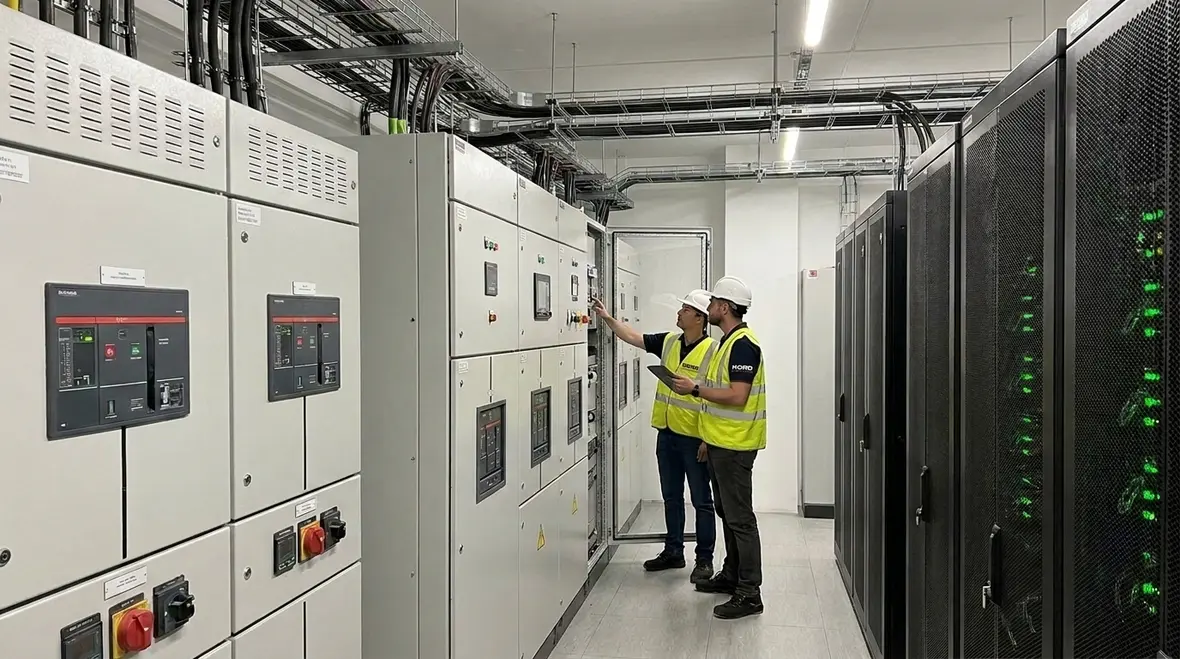
Data Center Electrical Systems: Power Distribution, Backup & Reliability
When a data center runs, the power must behave like a well trained conductor: steady, precise, and impossible to improvise. That is why Kord Electric focuses on Data Center Electrical Systems: Power Distribution, Backup & Reliability for commercial and industrial facilities and major property buildings. In the real world, that means power distribution that delivers clean energy where it is needed, and backup systems that keep operations alive when the grid decides to act dramatic. We have seen it firsthand, and our technicians explain the details with a calm confidence because uptime is not a slogan. It is a plan.
And yes, power planning can feel boring at first. However, so does wearing a seatbelt. Then one day you need it, and suddenly it makes perfect sense.
Building dependable data center electrical systems: power distribution, backup & reliability
Building dependable data center electrical systems starts with accepting that “good enough” power is not good enough for mission critical loads. Servers, cooling systems, and facility controls expect stable voltage, predictable transfers, and distribution paths that do not panic when something upstream flinches. At Kord Electric, we engineer Data Center Electrical Systems: Power Distribution, Backup & Reliability to behave like a practiced routine, not a last minute improvisation.
That approach means reviewing how power enters the building, how it travels through switchgear and distribution panels, how backup sources step in, and how operators will maintain everything year after year. Instead of treating each device like a separate project, we link them into one electrical story: power comes in, gets conditioned, distributes cleanly, rides through disturbances, and recovers without drama. When you look behind the panels, the details that seem “boring” in drawings become the very things that keep uptime steady on the worst day of the year.
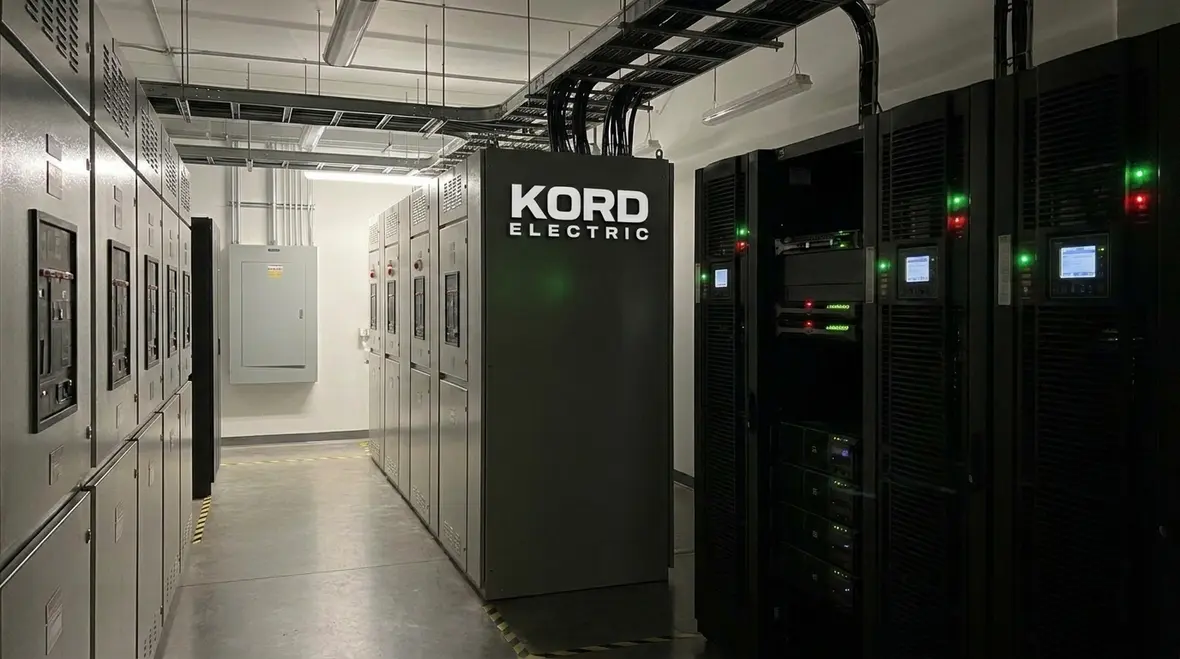
If you want to see how this thinking plays out across an entire facility backbone, Kord Electric’s Data Center Electrical Infrastructure Essentials guide walks through how power distribution, redundancy, and layout decisions support uptime from day one.
Why power design decides uptime, not just power capacity
In data center electrical systems, capacity alone does not guarantee reliability. Others can size gear and still fall short because design choices affect how power moves through the building during normal operation and during disturbances. Therefore, we treat the electrical infrastructure like a living network. We look at paths, switching logic, loading behavior, and how components share risk.
Our expert service staff often starts by asking what failures are most likely in a facility like yours. Then they connect those risks to design. For example, we verify that distribution layouts reduce single points of failure. At the same time, we confirm that protective devices coordinate correctly so faults clear fast without taking down more than necessary.
Next, we review power quality factors that quietly shape equipment health. Voltage sags, harmonics, and long transients can stress sensitive electronics over time. As a result, we design distribution with attention to grounding, separation of noisy and clean loads, and the right protection strategy for power electronics.
When this is done well, the facility gets more than “enough kVA.” It gets a system that rides through utility blips, holds voltage steady for fast-changing IT loads, and behaves predictably when equipment is switched, serviced, or expanded. That is where uptime actually lives.
Data center power distribution: how energy travels safely
Power distribution in a data center must do two things at once: deliver energy efficiently and isolate trouble quickly. We approach this with a clear sequence. First, we help define the load requirements by class and criticality. Then we design feeders, switchgear, and distribution panels to support both scalability and operational flexibility.
In practice, distribution usually includes multiple layers such as medium voltage incoming (when available), transformers, switchgear, distribution units, and final branch circuits. Additionally, we account for how maintenance happens. If a technician needs to service one section, the system should transfer loads without turning the entire room into a dark museum exhibit.
Our team also focuses on busbar ratings, breaker coordination, and proper labeling so operations teams can act fast under pressure. During commissioning and later on during system checks, our technicians follow procedures that keep the facility safe and predictable.
To make it practical, we often recommend a design that supports redundancy in distribution paths. That way, if one route underperforms, another can take over. Of course, nothing is magic. The goal is to reduce downtime and prevent cascading failures. When clients want to compare options, we often reference insights from Kord Electric’s reliability-focused article on data center electrical distribution design and related planning resources, then tailor those concepts to the exact behavior of your building.
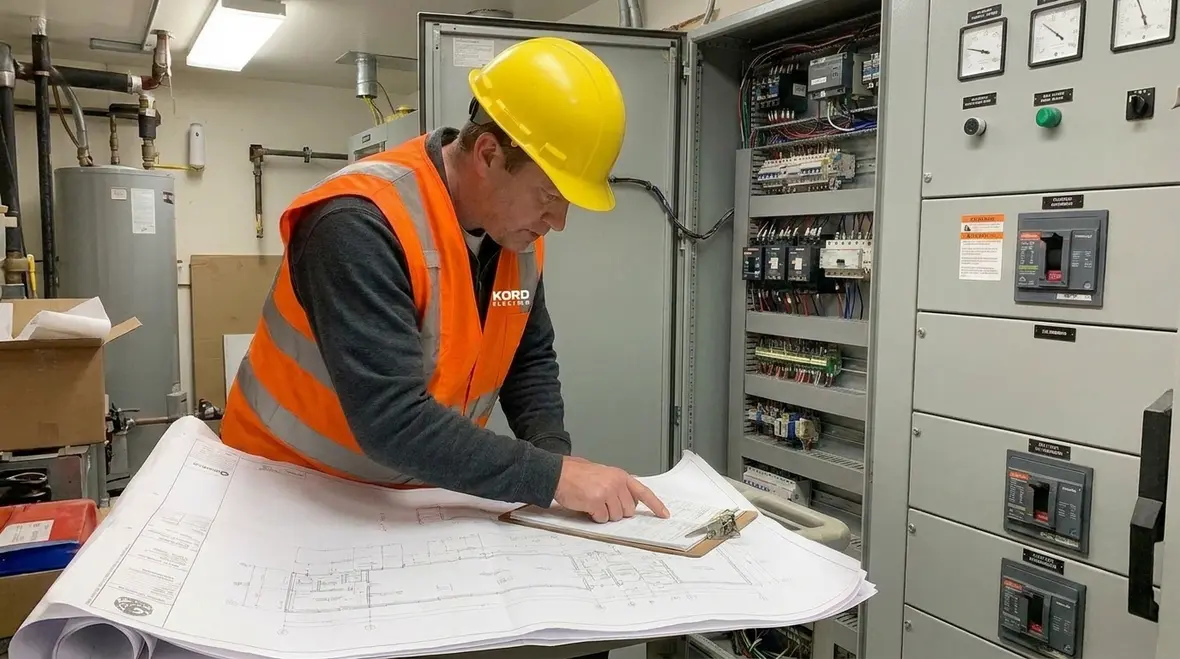
Backup & reliability strategy: what keeps the lights on through chaos
Backup systems earn their reputation only when they are tested under real conditions. Therefore, we design backup and reliability around speed, capacity, and seamless transfer. Most facilities rely on some combination of UPS systems, generator backup, fuel strategy, and transfer equipment.
Here is where the details matter. UPS systems handle the short window of transition while generators start and stabilize. If that coordination fails, equipment rides the edge between “working” and “gone.” Then the data center pays the price.
We also help clients plan for runtime. A generator can be sized on paper and still fall short if fuel logistics or tank management creates a real-world limitation. So we assess onsite storage, delivery planning, and any constraints tied to local regulations and building operations.
Additionally, we support reliability through proper electrical switching design. Transfer switches and bypass arrangements need to match the operational model of the facility. When our expert service staff explains these choices, they connect them directly to your maintenance workflows and your uptime goals, so the plan stays usable after the install team leaves.
And yes, we have seen systems that “technically” meet requirements but still behave awkwardly during transfers. Our job is to prevent awkwardness from becoming an outage. That is also why we tie redundancy and backup decisions back to broader design guides on resilient power paths, so the UPS, generators, and switching logic all tell the same story when the grid misbehaves.
Reliability design for redundancy: N, N plus one, and more
Redundancy helps, but only when it is engineered with clear rules. We help clients understand the difference between simply adding more equipment and building a system that truly behaves redundantly under stress. For example, two parallel paths might exist, yet a design can still introduce common failure points through shared components, shared controls, or insufficient isolation.
In the field, we support common reliability frameworks such as N, N plus one, and configurations that protect against multiple failures based on operational risk. We also consider what “critical loads” really mean in your environment. Some loads can ride through brief interruptions. Others cannot.
So we map the electrical architecture to load criticality, and then we align switching and distribution strategies. Moreover, we review how monitoring and alarms help operators detect issues early. When an operator can spot a problem during normal conditions, the facility avoids emergencies later.
Our technicians often explain this in plain terms during site walkthroughs. They show where redundancy lives, where it does not, and what changes reduce risk without overspending. That clarity helps facility teams choose redundancy models that fit their risk tolerance instead of copying someone else’s blueprint that does not match their building or business.
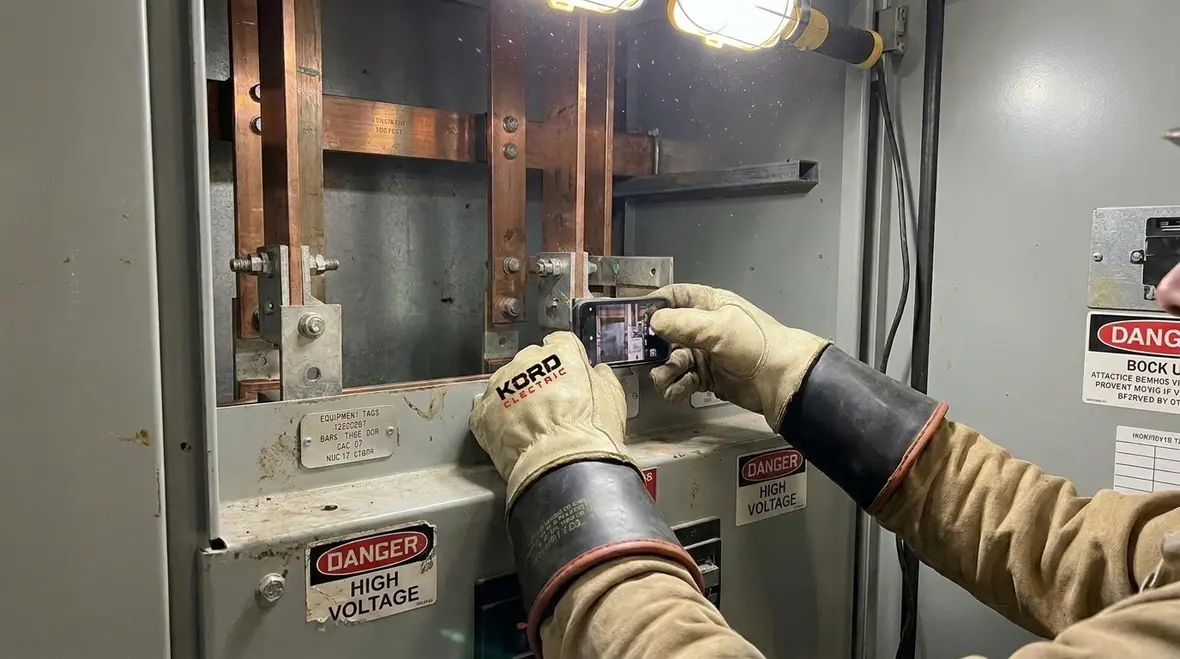
Power quality, grounding, and protection that prevent silent damage
Even if the system never fully fails, poor power quality can quietly degrade performance. Over time, harmonics and unstable voltage can increase heat, stress components, and shorten equipment life. That is why we include power quality and protective engineering in our data center support for commercial and industrial facilities and major property buildings.
We examine grounding approaches, separation methods, and how equipment and bus systems tie together. Then we verify that protective devices coordinate with the expected fault levels and that settings align with the actual load behavior.
We also evaluate surge protection and insulation stress. Surge events can come from utility switching, internal switching, or lightning exposure. If protection design misses the details, the damage shows up later, when replacement costs hurt the most.
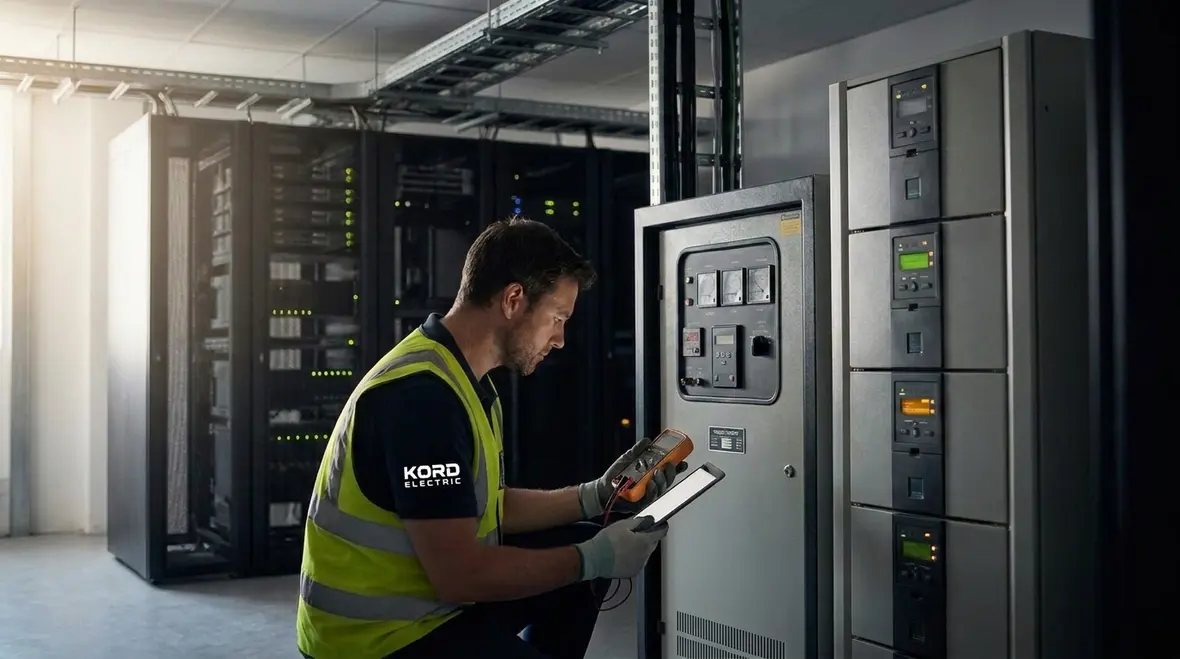
And because maintenance is not optional, we build service-ready designs. Our expert service staff typically schedules and guides testing steps such as insulation checks, breaker inspections, and functional exercises for transfer logic. In other words, we help you move from assumption to evidence. When facility managers pair that care with structured electrical maintenance programs, the result is fewer surprises and a longer life for critical assets.
Commissioning, testing, and maintenance that hold up after install
Commissioning is where theoretical reliability becomes real reliability. We do not treat it like a checkbox. Instead, we verify that labeling, logic, interlocks, and monitoring work as intended. Then we confirm that load transfer and protection responses match your operating model.
Once a facility goes live, maintenance keeps the system honest. Therefore, we recommend maintenance plans that include periodic inspections, functional tests, and trend reviews for key parameters. Monitoring data often reveals patterns long before a failure occurs.
Our team also trains facility staff on what they should watch for and how to respond. We explain procedures clearly, step by step, so the people who run the facility can act fast. That reduces reliance on “tribal knowledge,” which is great for campfire stories but bad for uptime.
Finally, we align service with your downtime windows. So when maintenance happens, it does not become a second emergency disguised as scheduled work. For organizations that want an even deeper checklist-driven approach, Kord Electric’s maintenance guides help standardize inspections so your system stays aligned with the original design intent.
FAQ: data center power planning and electrical systems
Choose Kord Electric for calm, engineered reliability
When you plan Data Center Electrical Systems: Power Distribution, Backup & Reliability, you need more than equipment specs. You need coordination, testing, and service that protects uptime after the ribbon cutting. Kord Electric supports commercial and industrial facilities and major property buildings with expert technicians who explain every decision in plain language and verify performance with real procedures. If you want a power plan that stays steady when the grid does not, contact us for a site review and a practical reliability roadmap.
For facility leaders responsible for portfolios across the region, Kord Electric’s dedicated Los Angeles County electrical services team supports both new data center projects and upgrades to existing buildings, aligning local code requirements with real-world uptime goals.
If your building already hums with high-demand technology and you are ready to align power paths, redundancy, and backup behavior with your long-term plans, our technicians can help translate that goal into drawings, commissioning steps, and maintenance routines that your team can actually follow.
Whether you are planning a new data hall, expanding an existing room, or simply tired of wondering how your backup systems would behave on the worst day of the year, Kord Electric is ready to help you turn assumptions into tested reliability.


