Data Center Power Distribution Best Practices for Reliability & Efficiency
Data Center Power Distribution Best Practices for Reliability & Efficiency: how we keep critical power clean and calm
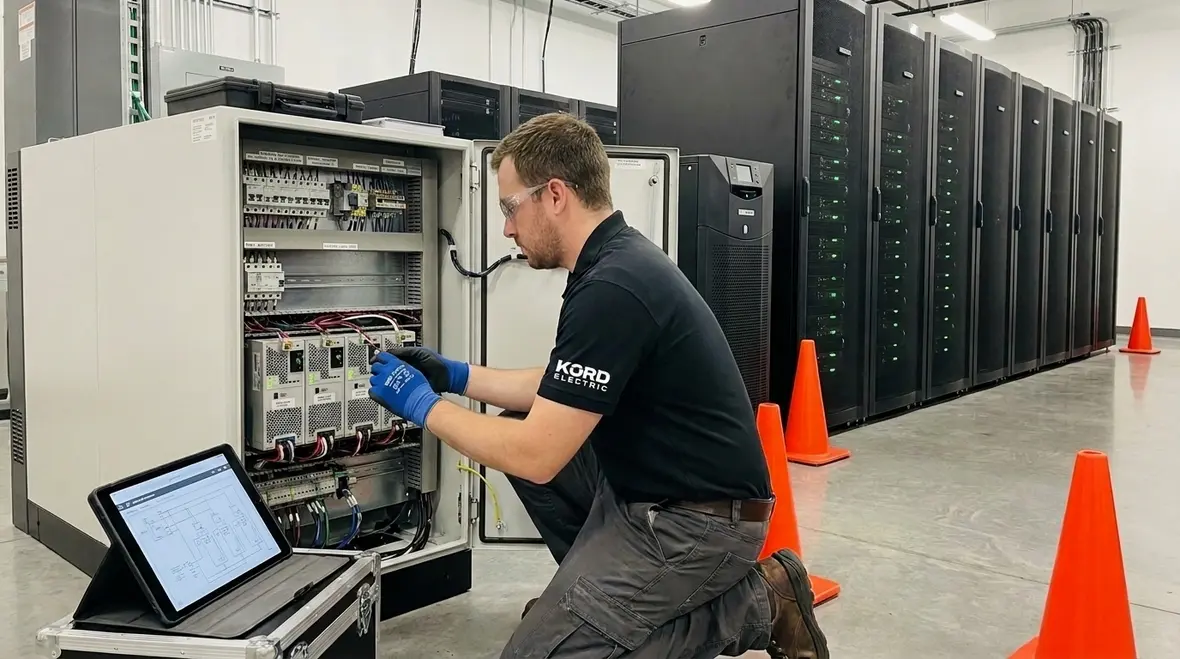
At Kord Electric, we focus on Data Center Power Distribution Best Practices for Reliability & Efficiency because mission critical loads do not care about schedules, budgets, or your luck. In the real world, data centers must deliver stable power under stress, and they must do it year after year without drama. So we design power distribution with redundancy, coordination, and clear fault handling from the first one line diagram to the final test report. And yes, we also explain it in plain language, because even the best electrical design can fail when the staff cannot maintain it. Our technicians and expert service team walk clients through the “why” behind each decision, slowly and clearly, like a calm voice in the middle of a power event.
How we start with reliability goals, not guesswork
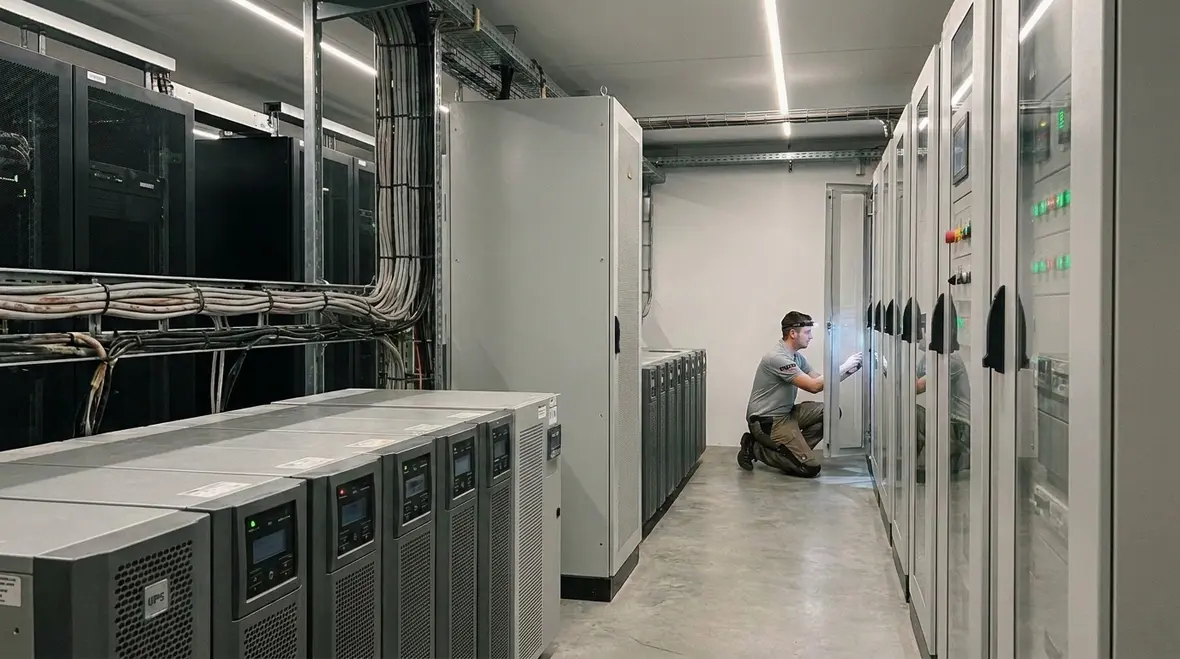
In most projects, the biggest mistake does not happen at the switchgear. It happens earlier, when teams treat reliability as a buzzword. We help commercial and industrial facilities define what “reliable” means in measurable terms. Then we align power distribution design with those targets.
First, we map the load criticality. After that, we decide what must stay up through disturbances, and what can ride through with reduced performance. Next, we connect that logic to architecture choices such as separate paths, maintenance states, and equipment selection. Meanwhile, our expert service staff supports this process by translating design intent into operational actions, so the facility team knows what to do during startup, shutdown, and inspections.
And if someone says, “We will figure it out later,” we smile politely. Later is where power problems live, like a villain who never clocks out.
If you are mapping out long-term upgrades, it can also help to pair this planning work with a deeper dive into your upstream infrastructure using guides like Kord Electric’s data center electrical distribution design for reliability, which explores how topology and coordination support stable operations from the first feeder to the last rack.
Single line diagrams that actually match the field
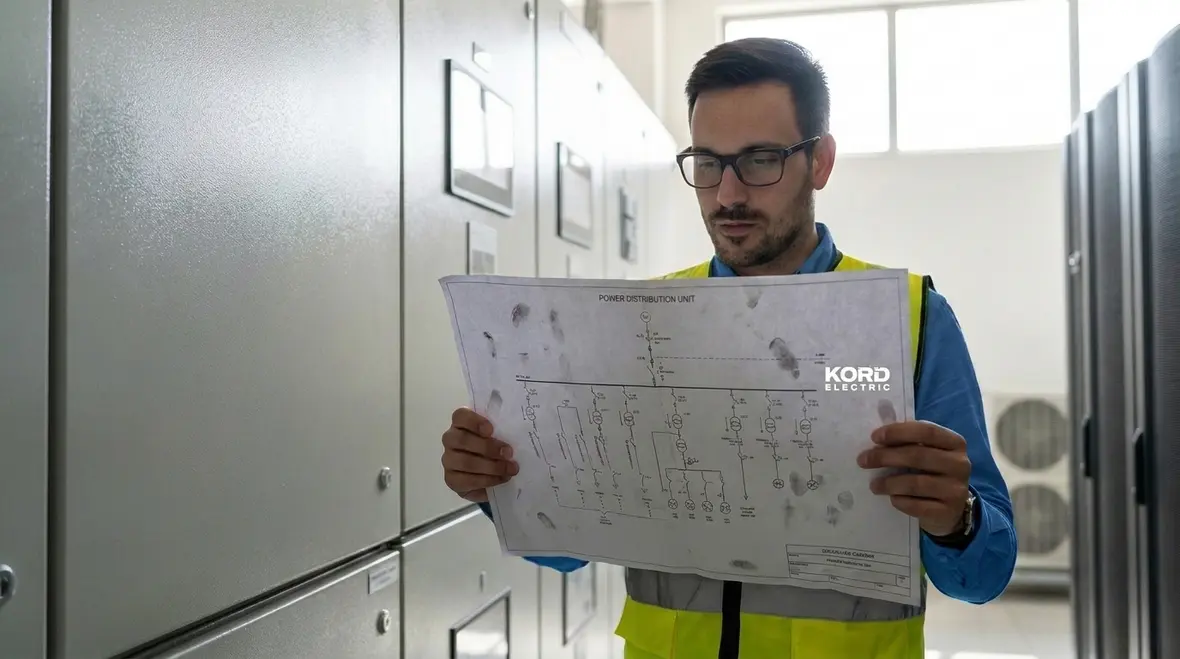
A one line diagram is only useful if it matches the real cabinet, the cable routing, and the monitoring points. We produce clear drawings that match field reality, including breaker switching logic, transformer connections, and bypass paths where applicable. Then we plan the physical layout so that maintenance does not turn into a scavenger hunt.
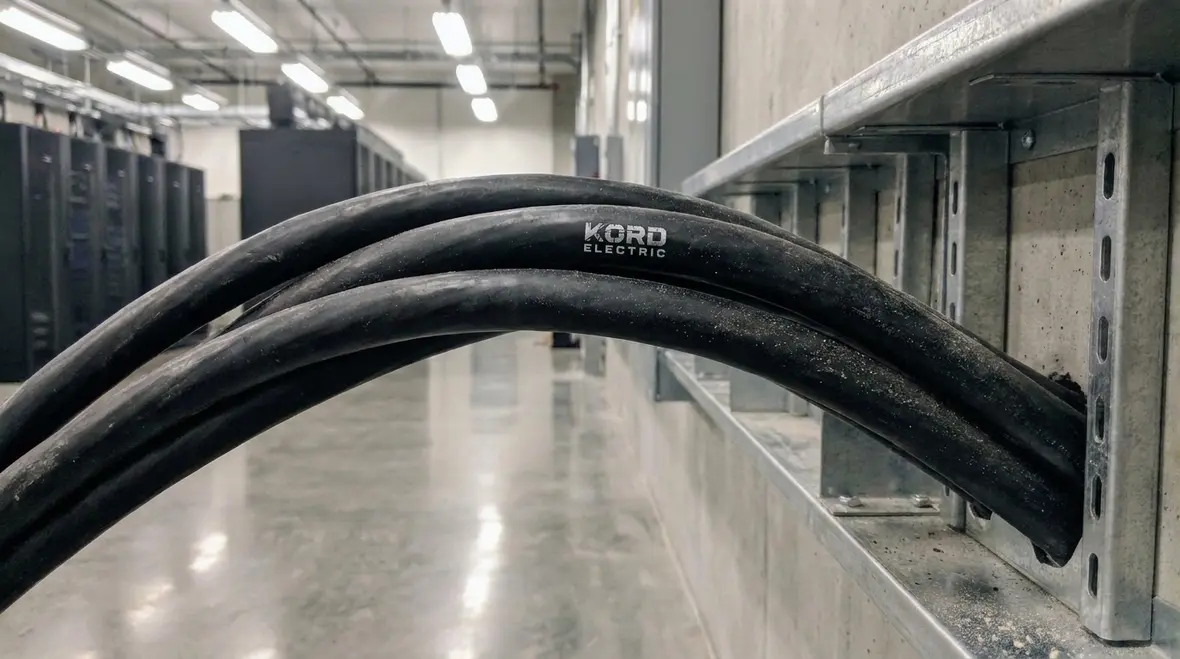
Because data centers often expand over time, we also design for growth. For example, we plan busway or cable capacity with spare space and thoughtful routing, so added racks or additional UPS strings do not force risky rework. As a result, the facility can scale without weakening reliability.
Our technicians review the final design in practical terms. They check labeling, test access, and the locations where crews will need clearances for torque checks, terminations, and IR testing. Consequently, the documentation becomes a tool, not a museum piece.
For facilities planning major upgrades across a campus or portfolio, aligning your diagrams and distribution design with reliability-focused guides like Kord Electric’s Data Center Electrical Distribution Design for Reliability can help keep single line drawings and field conditions in sync as the site evolves.
Redundancy and separation: two paths, one promise
We build separation into the system, not just into a spreadsheet. In a strong data center power distribution plan, critical loads get redundant sources, and those sources remain independent enough to prevent a single failure from taking everything down.
We also pay attention to where redundancy can quietly disappear. For instance, a shared routing path, a common termination area, or an overlooked control circuit can link risks that teams assumed were independent. Therefore, we inspect not only the electrical design, but also the layout logic and the physical pathways.
And yes, separation can get complicated. So we simplify it for the people who operate the system. Our expert service team explains the changeover and maintenance strategy in a way that sticks, so staff can respond quickly instead of guessing under pressure. When the lights stay on, it is not magic. It is planning.
Practical redundancy that operators can trust
Real-world redundancy is less about having twice as much equipment and more about having two power paths that stay independent when it really counts. We prioritize isolation points, sectionalizing strategies, and transfer logic that let teams move loads without creating surprise cross-connections. That way, facilities gain both reliability and clarity.
Coordination and protective device settings that behave under fault
Protection coordination is where reliability goes to either succeed or get humbled. In data center systems, a protective device must detect faults, clear them, and leave the rest of the system working. We coordinate protective relays and breakers so that faults clear locally, in the correct sequence, without dragging down upstream or downstream loads unnecessarily.
We evaluate time current curves, device tolerances, and fault current levels across operating conditions. Then we set protection logic to match the actual system behavior, not a generic model. Meanwhile, we include practical test and verification steps, because a good setting on paper must also prove out during commissioning.
Our technicians also consider how fault events affect sensitive loads. If the system clears a fault too slowly, equipment can experience unsafe stresses. If it clears too aggressively, it can increase downtime across unaffected areas. So we balance selectivity and speed, and we document the reasoning for future troubleshooting.
Pop culture comparison, since we are all human: protective coordination should act like a well trained stage crew. It runs fast, it runs accurate, and it does not drop the props on opening night.
Designing coordination that grows with your load
As data centers grow, new racks, UPS modules, or feeders can quietly change fault levels and loading patterns. We revisit coordination after major changes and help clients fold those updates into their maintenance planning, so protective devices stay tuned to the real system instead of the system that existed five years ago.
UPS, static switches, and bypass: designing for real maintenance
Most facilities understand the idea of UPS backup. However, reliability depends on how the architecture handles maintenance, transitions, and abnormal conditions. We design power distribution around UPS operation modes, including normal operation, bypass operation, and maintenance states.
Then we verify that the transfer paths do not create unexpected interruptions. We also coordinate static switches and bypass systems so they respond cleanly to events like overloads or control failures. As a result, the facility can perform required work without risking unnecessary downtime.
We also plan the commissioning and testing workflow up front. That means we define what we test, who verifies what, and how we confirm that the system meets reliability targets. Our expert service staff stays involved so that future maintenance aligns with the original design intent.
In short, we design for uptime during operations, and we design for uptime during maintenance. Because outages do not care if you planned them.
Bringing UPS strategy into everyday procedures
Clear operating procedures turn a well engineered UPS and bypass scheme into something a shift team can use confidently. We document transfer sequences, maintenance states, and fallback steps in everyday language so that when a project becomes a live facility, staff can keep power stable without drama.
Monitoring, alarms, and data you can act on
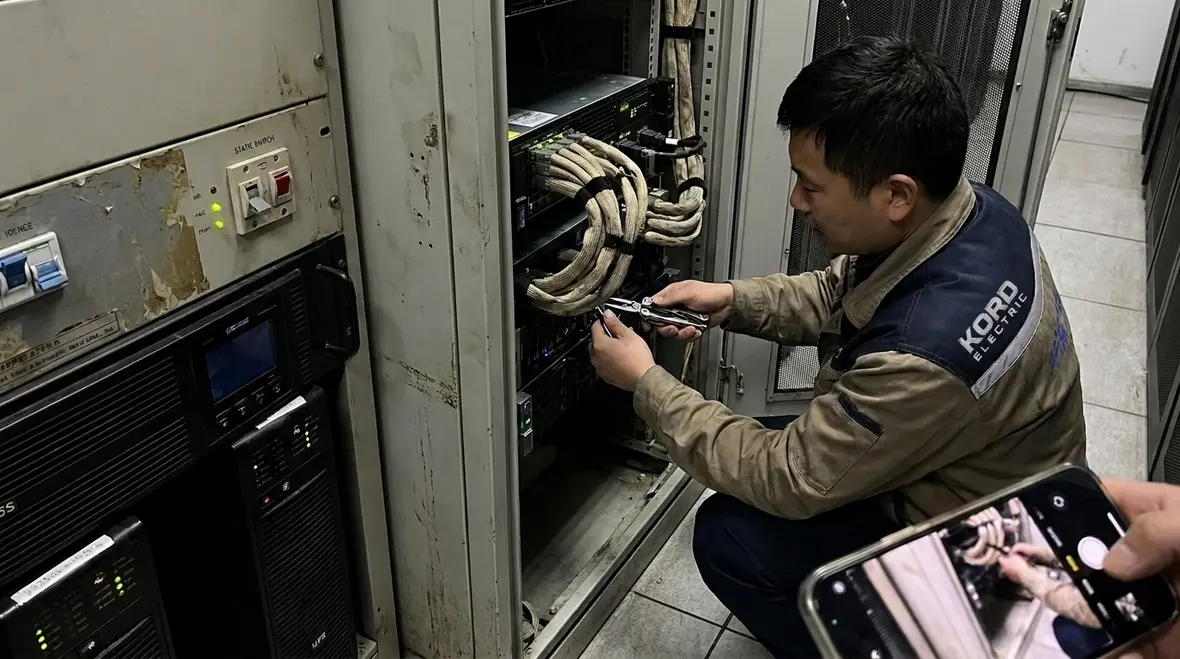
Power distribution reliability improves when teams can see problems early and act fast. Therefore, we integrate monitoring for key electrical parameters such as voltage, current, power quality signals, and thermal indicators where they matter most. We also structure alarms so they support decision making, not alarm fatigue.
We help clients define alarm thresholds and priorities. Next, we confirm that monitoring points map cleanly back to the one line diagram. That way, an operator can trace an alarm to its likely source and take action without chasing clues across multiple systems.
In addition, we recommend a testing plan that includes periodic verification of relay function, breaker operation, and insulation performance. Consequently, monitoring becomes a living system that improves reliability over time rather than a “set it and forget it” display.
Our technicians explain how to interpret these signals in the context of day to day operations. Meanwhile, our expert service staff teaches maintenance teams what to check first, what can wait, and what requires immediate escalation.
Turning trends into preventive action
When monitoring is paired with a practical response plan, teams can treat unusual events as early warnings instead of surprises. We help convert data from meters and analytics into checklists and maintenance tasks so electrical teams can steadily lower risk instead of reacting only when alarms go red.
Dual-column reliability checks: what we verify before energizing
When we deliver power distribution work for commercial and industrial facilities and major property buildings, we verify the details that prevent future downtime. Below, we list reliability checks we prioritize during design validation and commissioning.
Reliability area |
What we verify and why it matters |
|---|---|
Protection coordination |
We confirm selectivity and clearing sequence so faults isolate locally and critical loads keep running. |
Redundancy paths |
We validate physical separation and independence of sources to reduce common cause failures. |
Switching and maintenance states |
We test transition logic so UPS, bypass, and transfer actions do not create unexpected interruptions. |
Thermal and connection integrity |
We confirm termination quality, torque, and thermal design to avoid heat related failures. |
Monitoring and alarm mapping |
We align sensor points with the one line so operators can act quickly and correctly. |
Documentation that matches reality |
We ensure labeling, as built drawings, and test records help future crews work with confidence. |
From checklist to long-term reliability program
These checks are not just a one-time punch list. We help facilities turn them into recurring tasks within their maintenance plans so that reliability improves over the life of the data center instead of drifting with each new project or tenant.
FAQ: Data Center Power Distribution Best Practices for Reliability & Efficiency
Conclusion: let Kord Electric help you build uptime that lasts
Power distribution should not feel like guesswork, and it should not depend on heroics. With our team at Kord Electric, we help commercial and industrial facilities and major property buildings implement Data Center Power Distribution Best Practices for Reliability & Efficiency that hold up in real operations and real maintenance. Our technicians and expert service staff explain decisions clearly, verify performance, and document everything so your team can act fast when it counts. If you want a dependable design and a steady maintenance plan, contact Kord Electric today and let’s build power that behaves.
For data centers and other critical sites across the region, our dedicated services—from reliability focused design reviews to ongoing electrical maintenance—are available through our broader Los Angeles County electrical services offerings, so your distribution system and day-to-day operations stay aligned.