Electrical Services for Business Continuity: Backup Power & Reliability for Commercial and Industrial Sites
When power stops, businesses do not get “extra credit.” They get delays, alarms, lost production, and unhappy customers. At Kord Electric, we help commercial and industrial facilities stay online when the unexpected happens. We provide Electrical Services for Business Continuity: Backup Power & Reliability solutions built around real-world failure points, clear planning, and dependable field execution.
In this guide, we walk through how others plan for outages, how we design and support backup systems, and how our technicians explain every step in plain language. That last part matters, because nobody should need a decoder ring to understand their electrical plan. Think of it like a calm tour of the engine room, minus the theatrics and definitely minus the “good luck” approach.
Why business continuity electrical services fail when planning stops
Many facilities treat electrical planning like paperwork that “gets done later.” However, later is when the generator fails a week before the big launch. And yes, that can happen. While others may rely on generic checklists, we focus on how power actually behaves under stress.
First, we identify critical loads, then we map the paths that feed them. Next, we check how systems interact during transitions. For example, a backup source that starts too slow can still cause shutdowns. In the same way, a transfer process that works on paper might stumble in the field when load levels change.
Moreover, continuity is not only about having backup equipment. It also depends on coordination, load testing, protective settings, and monitoring. If those pieces drift over time, the facility slowly loses reliability. Then one day, the outage becomes a lesson everyone wishes they had never learned.
How we build a continuity plan for your electrical system
Our experts use a structured approach that starts with understanding your operations. To do that, we review utility service, distribution equipment, life safety systems, and process power needs. Then we separate “nice to have” from “must stay alive.” After that, we design a continuity path that keeps the right circuits energized in the right order.
When we reference the planning framework in our blog guide, we use it as a starting point and adapt it to your site. Because your facility does not run like anyone else’s facility. Your loads have different starting currents, different durations, and different priorities.
We also confirm key details that many plans miss. For example, we look at motor starting loads, data center requirements, and HVAC behavior during long outages. Additionally, we evaluate how the backup system connects to the main distribution. If the transition is wrong, reliability drops fast.
Aligning continuity planning with broader maintenance and design strategy
A continuity plan works best when it connects with your larger electrical strategy. For example, if your facility is already evaluating emergency power improvements, it helps to align with guidance from resources such as the Emergency Power for Business Continuity Design guide. That way, backup power, protection, and preventive maintenance all move in the same direction instead of competing for attention.
For enterprises that treat uptime as non-negotiable, pairing continuity planning with disciplined troubleshooting and maintenance makes the strategy more durable. Whether your team is reviewing critical system protection practices or walking through an electrical troubleshooting guide for facilities, the continuity plan becomes the thread that ties these efforts together.
Designing backup power that actually carries the load
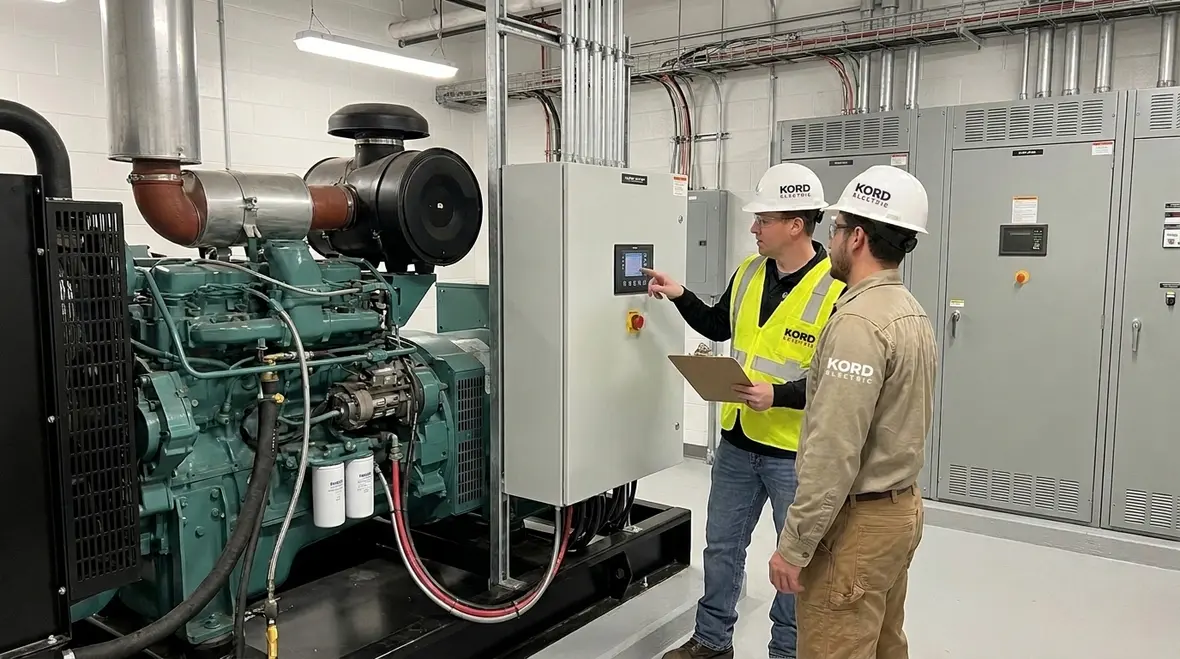
Backup power must do more than start. It must carry real load under real conditions. That is why we test assumptions early and verify performance during commissioning.
Our service staff explains the design choices in a practical way. If you ask how long runtime should be, we answer with your actual demand profile, not a guess. If you ask whether fuel storage meets your risk needs, we map storage limits and replenishment realities. And if you wonder how much capacity you truly need, we calculate starting and steady-state draw together.
Moreover, we take a hard look at redundancy for major property buildings and industrial operations. Some loads can wait; others cannot. We help owners decide what deserves parallel support and what can ride out a brief transition. In other words, we avoid “overbuilding” where it is wasteful, and we avoid “underbuilding” where it becomes a future outage headline.
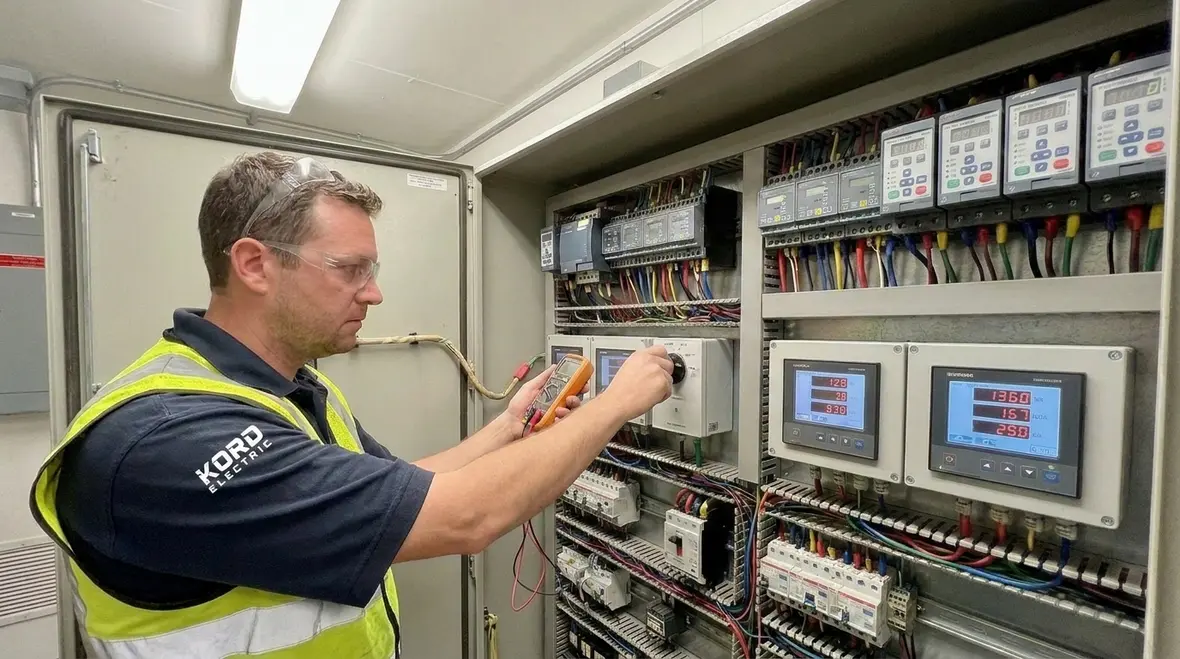
Integrating commercial backup power with continuity goals
For many commercial and industrial sites, backup systems are part of a broader continuity roadmap. When we discuss sizing, run time, and redundancy, we connect those details with how the facility approaches resilience overall. That can include referencing frameworks similar to those described in commercial backup power solutions for continuity, where backup generators, transfer methods, and testing routines all support the same business objectives.
By grounding decisions in how your building actually operates, we turn backup power into a predictable tool, not a mystery asset that only gets attention when something breaks.
Transfer, protection, and monitoring: the calm heart of reliability
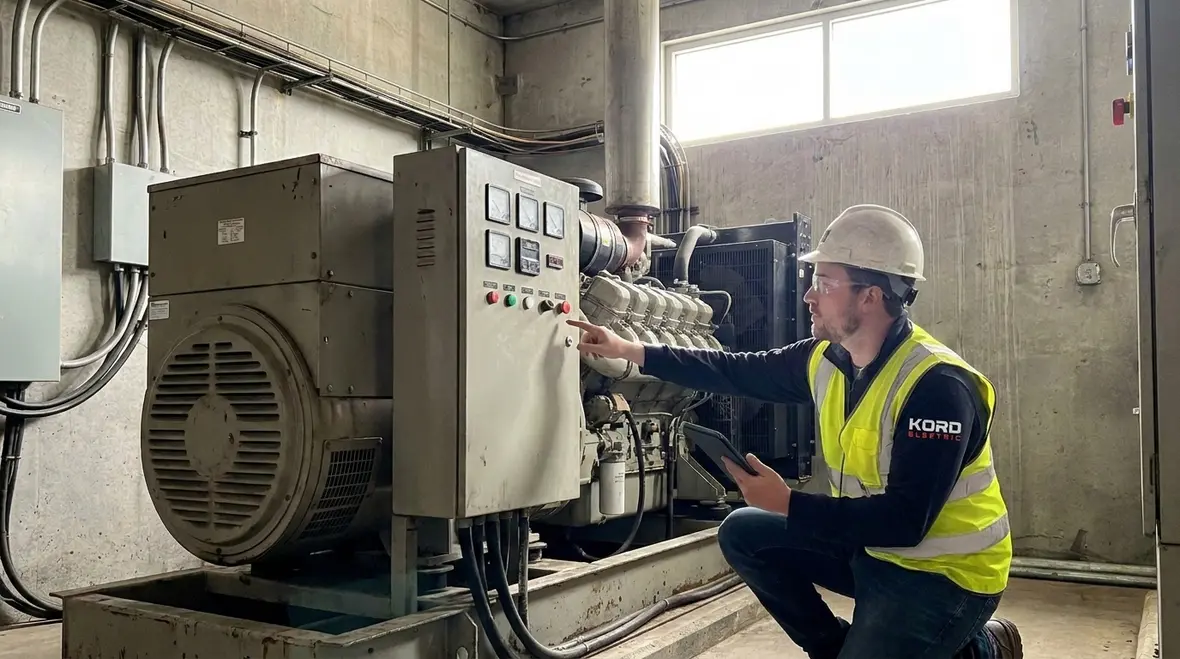
Power continuity hinges on the handoff. During transfer, systems must switch without causing unwanted trips. That is where coordination and protection matter. If protective devices misoperate, backup power may exist but cannot reach critical circuits. Nobody wants a generator that is basically an expensive paperweight.
We install and configure transfer and protective systems with coordination in mind. Then we validate settings so the system behaves predictably. After that, we add monitoring so your team knows what is happening before alarms pile up.
Additionally, we document the sequence of operations. Our technicians explain the logic step-by-step, which helps facility managers respond quickly. Instead of troubleshooting with guesswork, your team follows a plan. And yes, it feels almost like cheating, but it is really just good engineering.
Protection and monitoring as part of Electrical Services for Business Continuity: Backup Power & Reliability
Within Electrical Services for Business Continuity: Backup Power & Reliability, transfer, protection, and monitoring act like the nervous system. They sense conditions, respond in the right order, and provide feedback when something deviates from the plan. Whether the facility is leaning on critical power protection practices or reviewing logs from a recent test, a clear monitoring strategy makes it easier to tell the difference between a minor alert and a genuine event.
We also help teams understand how monitored data translates to decisions. For example, persistent alarm patterns may signal a coordination issue that warrants updating protective settings or refining the transfer sequence. Instead of chasing isolated alerts, your staff can use monitoring as a roadmap for targeted improvements.
Electrical continuity services for data, life safety, and process loads
Different critical systems need different continuity strategies. For data and communications, fast, stable power and clean transfer matter. For life safety, compliance and reliable operation matter more than almost anything else. For process loads in manufacturing or industrial settings, motor behavior and starting surges shape the design.
At Kord Electric, we focus on commercial and industrial facilities and major property buildings. So when we talk continuity, we talk about what your operation cannot lose. We help you prioritize circuits and design continuity paths that match the way your staff runs day to day.
Then we build around maintenance realities. Because if the plan cannot be maintained, it will deteriorate. We plan for inspections, test schedules, and component lifecycles. Consequently, reliability stays real, not just theoretical.
Connecting continuity with regional electrical services
For organizations operating across Southern California, continuity work often overlaps with broader regional support. That is why many facility teams fold their critical power strategies into Los Angeles County electrical services for commercial and industrial properties, so panel upgrades, troubleshooting, and backup systems follow the same standards across sites.
When every property uses a consistent approach to critical loads, life safety circuits, and process equipment, it becomes easier to share lessons learned and maintain a reliable baseline across your portfolio.
Testing, commissioning, and ongoing support that keeps continuity honest
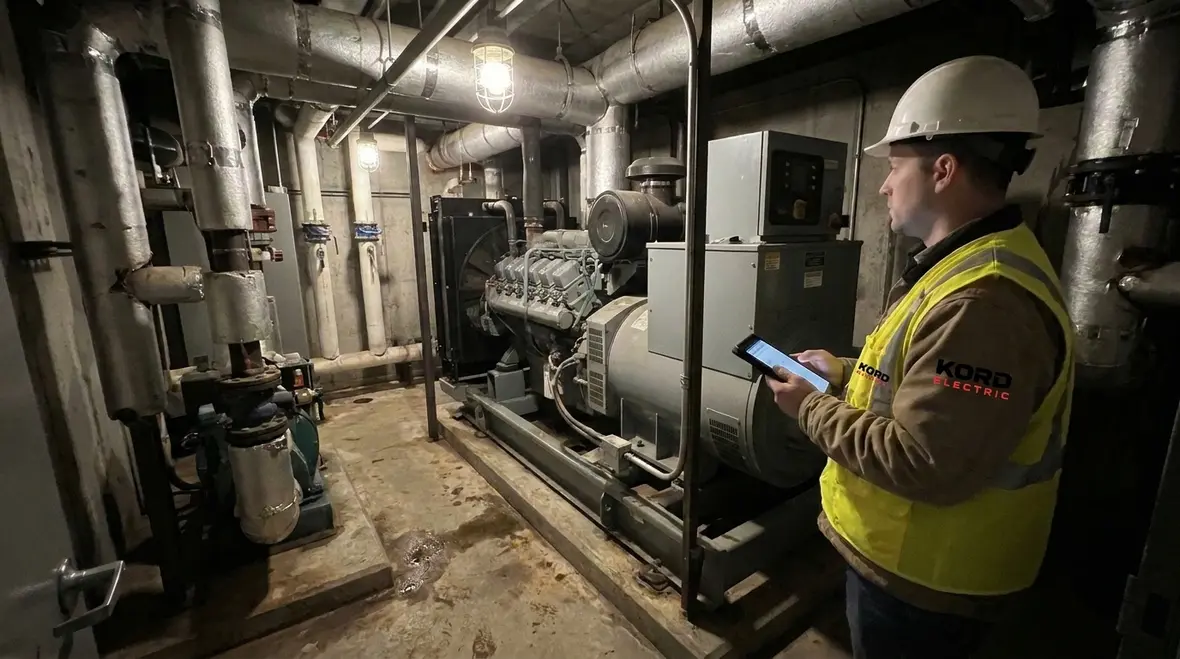
A continuity system needs proof, not just installation. Therefore, we test startup performance, load carry capability, transfer sequences, and protective responses. We verify controls and alarms too, because a system that hides problems is still a system that fails you later.
Our expert service staff supports commissioning and then backs it with ongoing maintenance. We help define service intervals and recommend checks that match your risk level. Also, we support corrective actions if results show weak points.
Transition words help the process stay clear, and we do the same in the field. First, we plan the test. Next, we run it safely. Then we review outcomes with your team. After that, we adjust and document. Finally, we confirm readiness. That sequence keeps everyone aligned and reduces surprises.
Why commissioning belongs inside Electrical Services for Business Continuity: Backup Power & Reliability
Electrical Services for Business Continuity: Backup Power & Reliability does not end when equipment is energized. Commissioning is where the strategy proves itself under controlled conditions. By treating testing as an essential phase, not a checkbox, we give your team confidence that the system will behave during real events the way it behaved during rehearsals.
Over time, we recommend folding commissioning data into your preventive maintenance playbook. That way, each test becomes both a readiness check and a learning opportunity for fine-tuning protection, transfer, and monitoring.
What a continuity-ready facility looks like after the work is done
Once continuity electrical services are complete, your facility does not just “have a generator.” It operates with a documented power strategy. Critical loads have a defined path. Transfer is coordinated. Protection is configured. Monitoring provides actionable visibility.
Furthermore, your team understands the system. Our technicians take time to explain operations, response steps, and maintenance needs in simple terms. That way, when the event occurs, people do not panic. They follow procedures. And while panic makes for great movies, it is terrible for uptime.
From there, continuity becomes a process, not a one-time project. We help facilities maintain reliability as equipment ages, loads change, and expansion occurs.
How continuity connects with broader electrical strategy
As your operation grows, continuity planning sits alongside other electrical priorities like capacity upgrades, smarter controls, and energy management. The same foundation that supports backup power also supports initiatives such as smart building energy management and structured troubleshooting. By anchoring those efforts to a clear continuity baseline, you get a more predictable path forward instead of a collection of isolated projects.
FAQ
Schedule a continuity electrical assessment with Kord Electric
If your facility runs on uptime, you need a continuity plan that holds up under pressure. Kord Electric helps commercial and industrial sites build reliable electrical backup power strategies, coordinate transfers, and keep systems tested through ongoing support. We also explain decisions clearly so your team can respond fast when events happen. Contact us to schedule an electrical continuity assessment and get a plan that protects production, operations, and peace of mind. Let us handle the power, while you handle business.
As you look ahead to upgrades, expansions, or new facilities, you can also connect continuity work with related service offerings such as regional commercial electrical support. Exploring how broader Los Angeles County electrical services integrate with your continuity plan helps you build a long-term roadmap instead of a single project list.
Whether your next step involves refining backup power, tightening protection and monitoring, or coordinating future site upgrades, our team is ready to help you turn Electrical Services for Business Continuity: Backup Power & Reliability into a working, documented system that fits how your business actually runs.