Electrical Troubleshooting for Facilities Guide
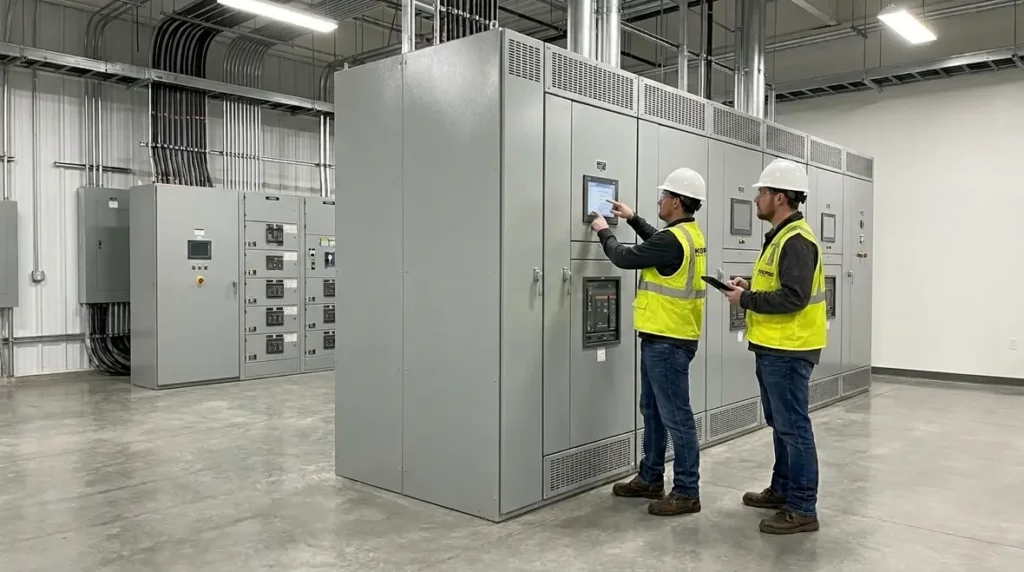
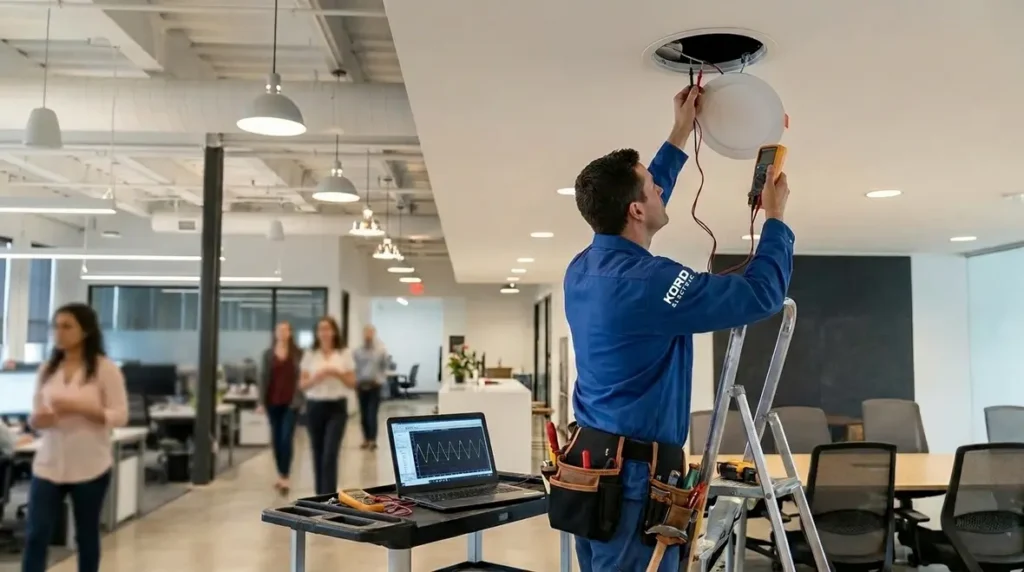
When a commercial or industrial facility starts acting up, the downtime clock does not care about anyone’s patience. That is why Kord Electric leads with Electrical Troubleshooting for Facilities as soon as we see a pattern of faults, nuisance trips, or uneven power. In this guide, our team and expert service staff explain the procedures we use in the field, step by step, so the fix does not rely on guesswork.
First, we slow things down. Then we narrow the problem using safe tests, smart observations, and clean documentation. And yes, we still laugh sometimes, because even in the most serious control room, somebody will always treat a breaker like it is a magic switch. We treat it like what it is: a protective device with a job to do.
How Kord Electric starts troubleshooting without guessing
In most successful electrical work, the first win happens before the meter even gets pulled out. Kord Electric technicians begin by confirming the reported symptoms, the timeline, and what changed. For example, they compare the current situation to recent events such as equipment startups, seasonal load shifts, maintenance activities, or utility power disturbances. Next, they verify that the right system is under review, because one wrong panel label can send a team on a “treasure hunt” that never ends.
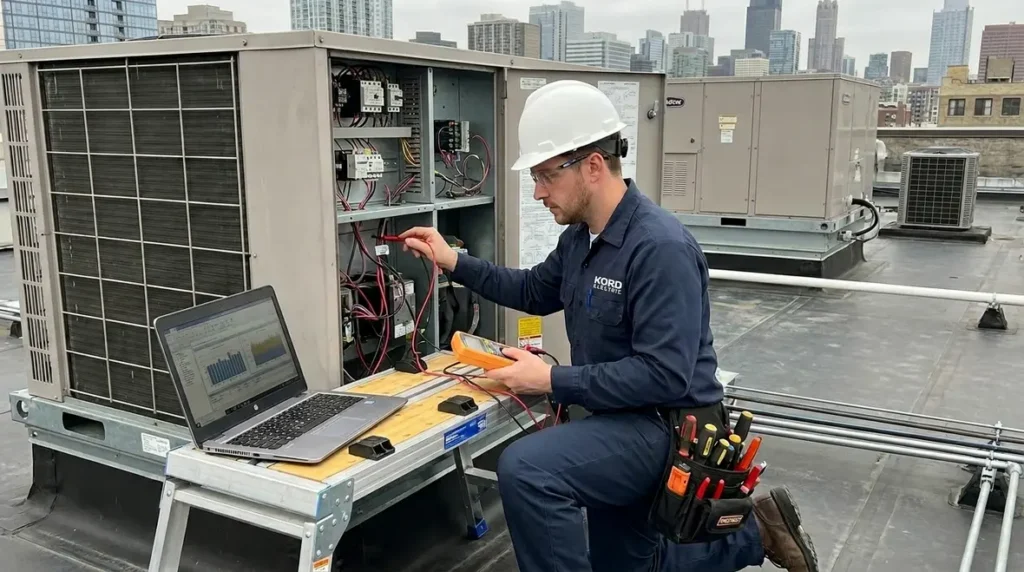
Then, we set a safe scope. Our expert service staff confirm lockout needs, arc flash boundaries, and whether the work must pause until a risk review is completed. After that, we collect baseline details: voltage levels, phase balance clues, protective device trips, control fault codes, and any trending data from building management or motor control systems.
Finally, we choose a method that matches the symptom. If a motor fails to start, we think different than if a transformer runs hot. If circuits trip, we treat it like a story with chapters: cause, evidence, and failure point. This is not drama. It is procedure.
What to check first when power behaves strangely
When power does not behave, we start with the simplest signals that often reveal the biggest issues. The technician typically checks incoming supply quality first, then moves inward toward distribution and control. Even so, we do not rush. A calm, deliberate pace prevents repeated starts and reduces the chance of damaging equipment further.
Common first checks include these:
- Verify line voltage at the correct bus or service point
- Confirm phase rotation and phase balance where applicable
- Inspect for signs of overheating, discoloration, or loose terminations
- Review protective device logs, trip indications, and settings
- Check for voltage drops during load transfer or motor startup
Next, we test for patterns. If only certain loads cause issues, we map them to specific feeders, panels, or motor starters. If trips happen at the same time each day, we look at schedule driven loads like HVAC, pumps, or process equipment. And if we see a gradual decline, we suspect insulation or thermal stress before we suspect “bad luck.”
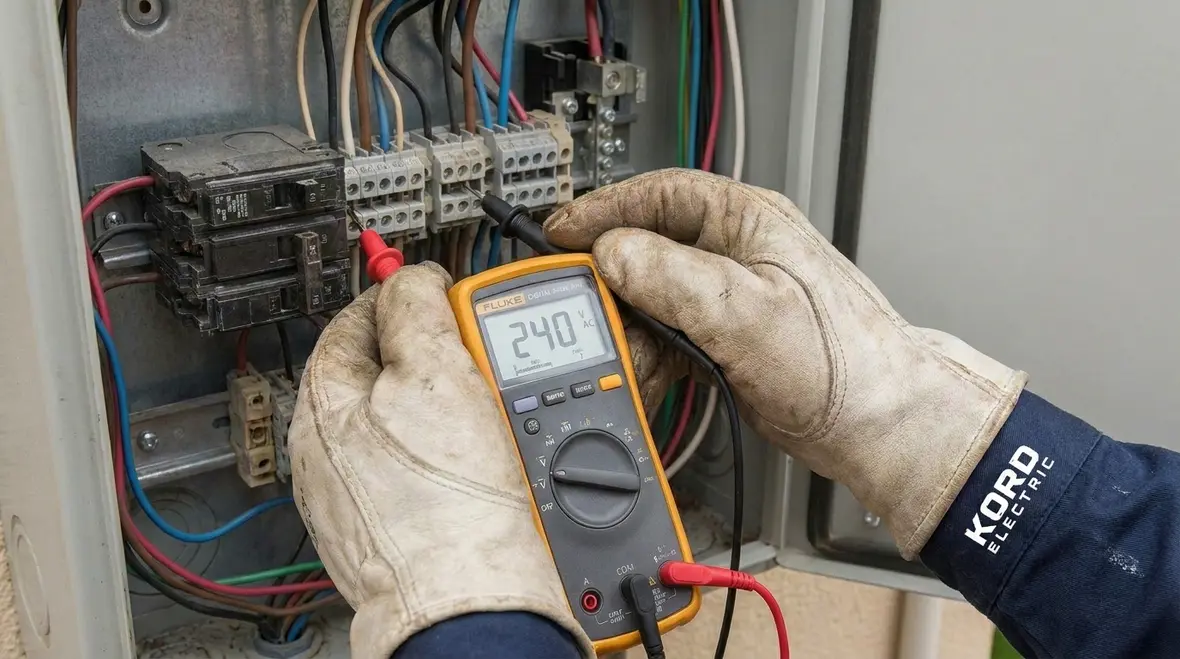
How industrial control circuits get traced to the exact fault
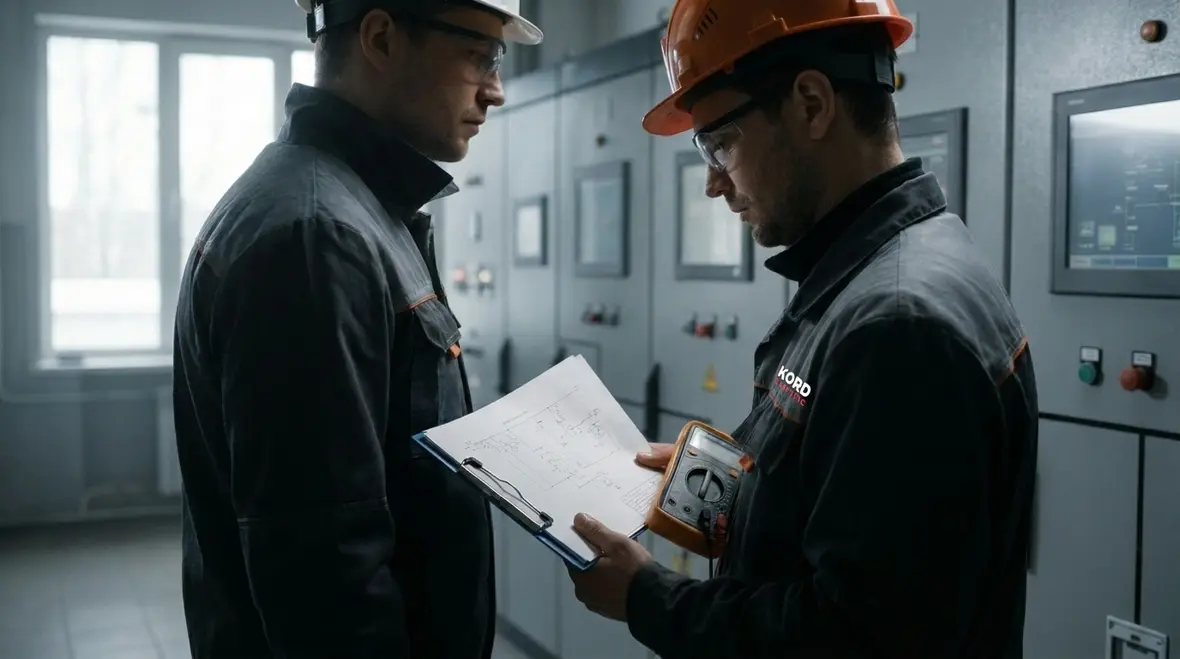
Many facilities do not fail because the power supply is entirely wrong. Instead, the problem sits inside the control logic, sensing circuits, or interlocks. That is where our technicians rely on tracing routes and isolating functions. They follow the signal path from the command source to the final switching device, then they confirm each transition along the way.
Typically, we verify:
- Control voltage availability and stability
- Relay and contactor pickup behavior
- Interlock status and permissive signals
- Switchgear auxiliary contacts and limit switches
- Motor starter control components and fault reset logic
Then we confirm whether the issue sits in the “brain” or the “hands.” In other words, is the control command missing, or does the output fail to respond? To reduce confusion, we also check for miswired terminals, bypasses left behind from past work, or settings that no longer match the equipment configuration. And yes, we have seen more than one bypass that looked like it was installed by a hurried raccoon. Still, the fix requires proof, not blame.
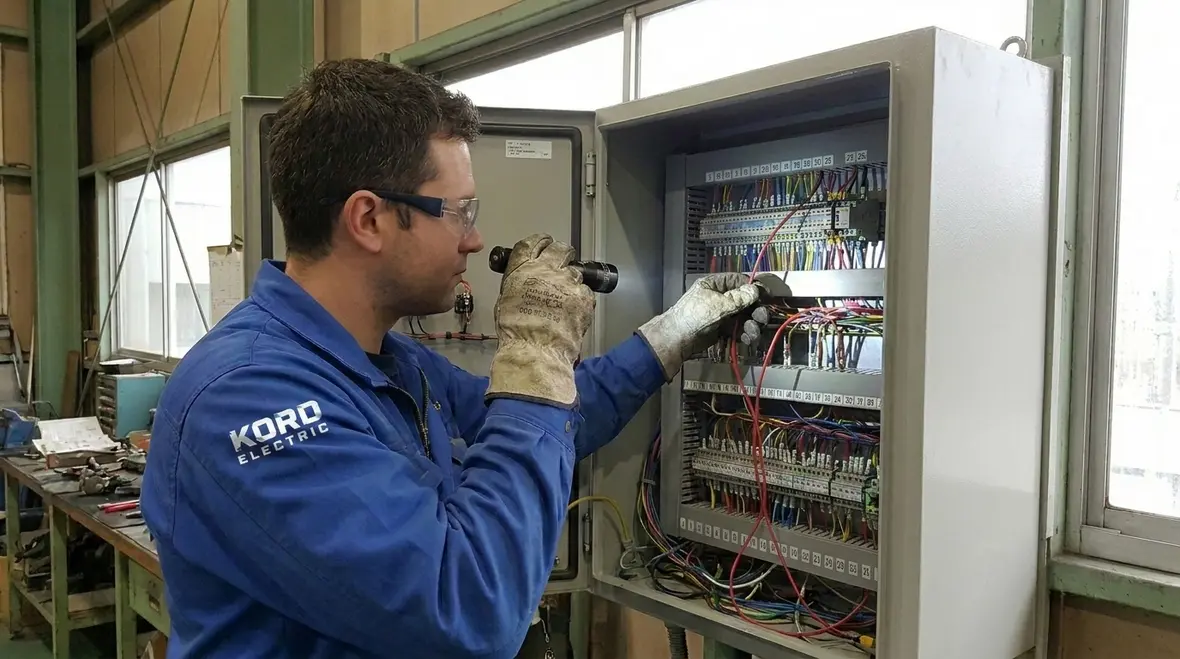
Motor and drive troubleshooting procedures that avoid repeat failures
Motor problems create headlines, because when a pump stops, a facility feels it fast. So our technicians use a repeat failure prevention mindset. We verify the basics first, then we move into deeper testing based on motor type and drive technology.
For motors and drives, we commonly focus on:
- Motor nameplate match to the starter or drive settings
- Continuity and tightness of motor leads and starter connections
- Insulation resistance testing with correct procedures
- Thermal evidence on motor, wiring, and contactors
- Drive fault codes and parameter history
- Underload or overload symptoms and cooling status
Importantly, we do not “clear faults and hope.” We interpret fault codes in context, because drives can report the same code for different root causes. Then, we check mechanical load conditions where needed, since blocked impellers and binding bearings can create electrical stress. After that, we confirm the system can start reliably and remain stable under normal load.
When we complete repair, we document what changed and how performance improved. That way, when the equipment behaves again, we know whether the improvement is real or temporary.
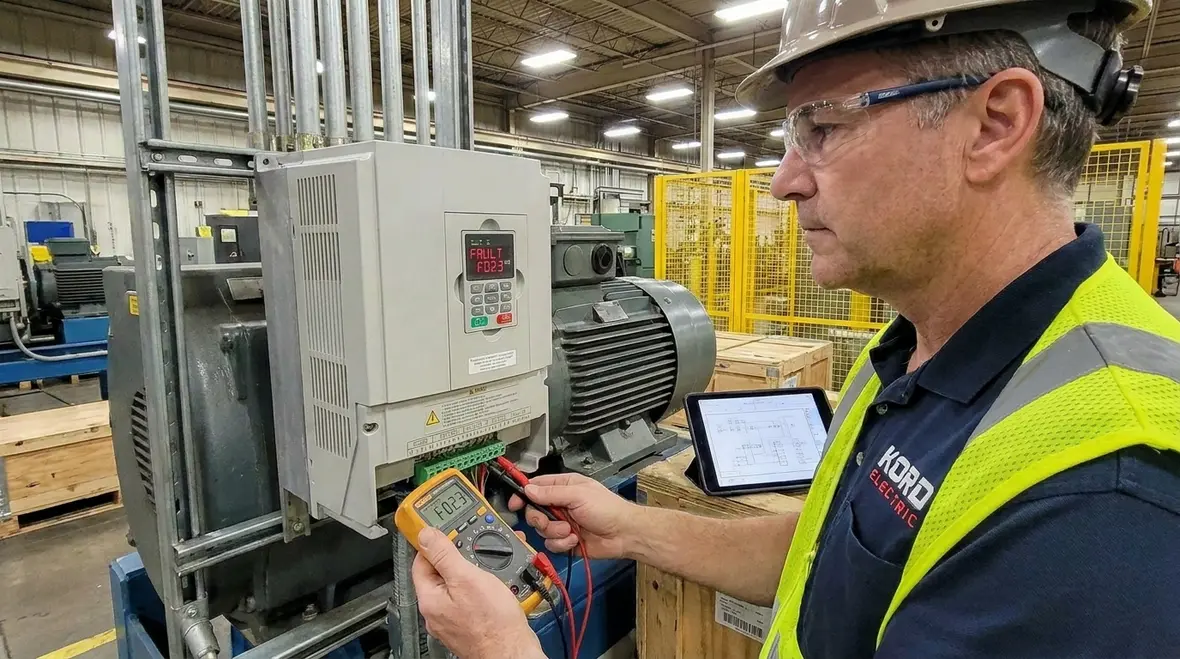
Ground faults, shorts, and insulation issues in commercial buildings
Ground fault and insulation issues can look mysterious until the team uses the right test path. Electrical Troubleshooting for Facilities often centers on finding what current should not be flowing. When leakage increases, protective devices react, nuisance alarms appear, or equipment runs with stress that builds over time.
Our expert service staff handle these cases with careful staging. First, they confirm whether the fault is stable or intermittent. Next, they isolate feeders and segments, then they test with equipment suited to the system type. We also evaluate moisture, corrosion, cable condition, and past repair quality, because old work can still “haunt” current trouble.
In many facilities, we find recurring root causes such as:
- Damaged cable jacket or water intrusion in conduits
- Failed terminations or loose lugs at panels
- Worn insulation in motor circuits
- Surge damage that weakened insulation over time
- Incorrect grounding paths or mismatched bonding
Then we make sure the fix matches the system design. In commercial and industrial settings, the goal is not just to stop a trip. The goal is to restore reliable operation and keep protective coordination intact.
Why documentation and communication prevent costly downtime
Troubleshooting is not only technical. It is also operational. When we work in commercial and industrial facilities, we coordinate with facility leadership, operators, and maintenance teams so troubleshooting does not create additional risk. As a result, repairs do not happen in a vacuum. We share what we observe, what we test, and what it likely means.
Our technicians keep records that help teams later. For instance, they log test readings, protective device information, drive codes, motor starter behavior, and component condition. Then, they outline the solution path with clear next steps. This approach helps property owners and facility managers plan downtime windows and avoid “surprise” shutdowns.
Also, we close the loop. After work completes, we verify safe operation, confirm that systems remain stable under load, and ensure reset procedures are correct. This is the difference between a one time bandage and a long term fix. And trust us, we have seen plenty of bandages. They usually come with a note that says “temporary.” Temporary is the favorite word of every problem that never stays solved.
If your building team wants to go deeper on long term reliability beyond one time repairs, Kord Electric also shares structured strategies in their commercial and industrial electrical maintenance plans, where troubleshooting, preventive inspections, and documentation work together instead of operating as separate events.
Frequently asked questions about Electrical Troubleshooting for Facilities
Book expert help from Kord Electric
When your commercial or industrial facility faces electrical troubles, you need calm expertise, not random resets. At Kord Electric, our technicians and expert service staff use structured procedures, safe testing, and clear documentation to find the true cause and restore dependable power. If you want less downtime and fewer repeat failures, contact us today to schedule a troubleshooting visit. We will evaluate the system, explain the findings in business plain language, and move the fix forward. Your equipment can stop acting up now. Let us help you make that happen.
For facilities across the region, our team can pair in depth Electrical Troubleshooting for Facilities with ongoing electrical preventive maintenance services so today’s repair turns into tomorrow’s reliability plan instead of tomorrow’s repeat outage.
If your operations extend across multiple buildings or you manage a large property in Southern California, you can also explore how our broader Los Angeles County electrical services support panels, switchgear, lighting, and emergency response under one coordinated service umbrella.
Whether you are dealing with mysterious trips, chronic motor issues, or hidden electrical risks behind the walls, the goal stays the same: verified causes, clean fixes, and clear documentation that your team can rely on the next time power even thinks about misbehaving.