Smart Lighting System ROI for Commercial Buildings
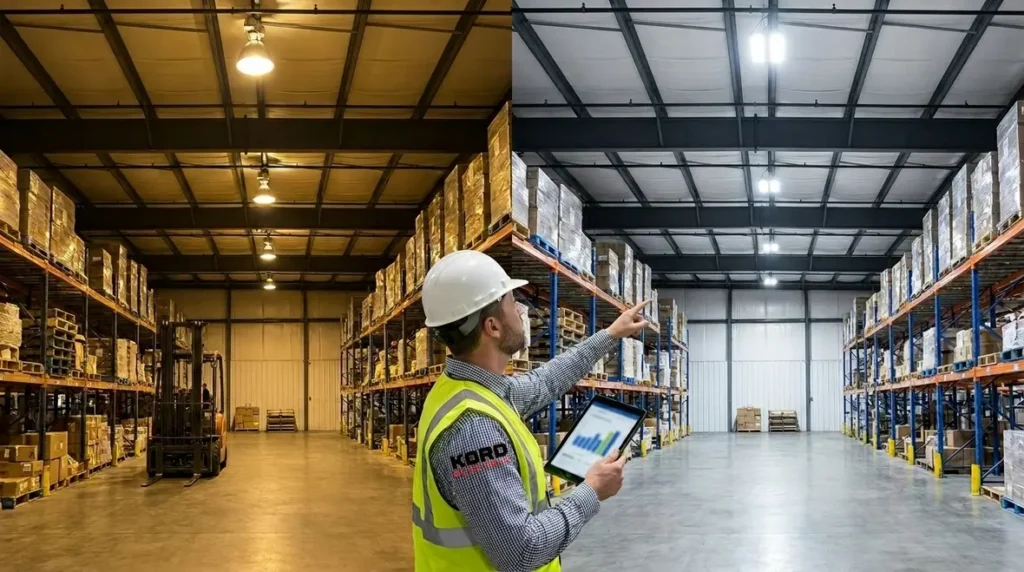
At Kord Electric, we often get asked a simple but very real question: what kind of money comes back when a building invests in a Smart Lighting System ROI? In the real world, that calculation does not live in a spreadsheet fantasyland. Instead, it lives in how a facility actually operates day after day, from occupancy patterns to maintenance schedules to local utility rates. And while some people treat lighting like a “set it and forget it” appliance, our technicians know better. They follow the data, test the controls, and guide the team through the numbers step by step.
In this article, we break down how our experts help commercial and industrial facilities and major property buildings estimate returns, reduce risk, and plan a smarter rollout. Also yes, the ROI math can be fun, in the way that “watching paint dry” is fun only if you love results and timelines.
What we measure inside Smart Lighting System ROI
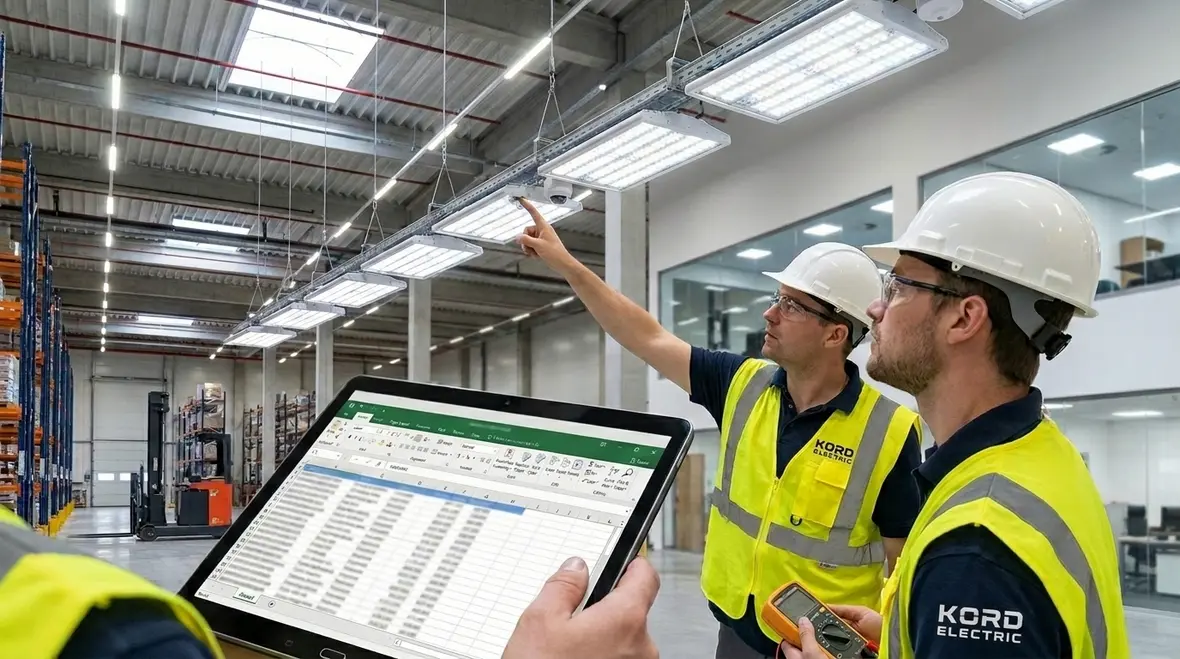
To calculate ROI for smart commercial lighting, Kord Electric focuses on a few core inputs. First, we identify current lighting energy use and compare it to expected savings from upgrades like LED fixtures, controls, and scheduling. Second, we estimate operational changes, such as reduced lighting run time during unoccupied hours and better dimming strategies. Third, we include maintenance effects, since controls can extend relamp and service intervals for many sites.
Next, we translate those inputs into cash flow. Utility savings become the benefits. Implementation costs become the expenses. Then we look at payback and longer term value. To keep things practical, our service staff and technicians explain each step using the building’s own operating patterns, not generic assumptions that ignore how people actually use the space.
Below is the simple structure we use for the Smart Lighting System ROI math, tailored to commercial and industrial facilities and major property buildings:
- Annual energy savings from reduced kWh use
- Annual demand or tariff impacts if your rate structure rewards load reduction
- Annual maintenance savings from fewer lamp replacements and reduced labor
- Annual system management cost such as software support and periodic commissioning
- One time project cost such as fixtures, controls, and installation
How we estimate energy savings with real site behavior
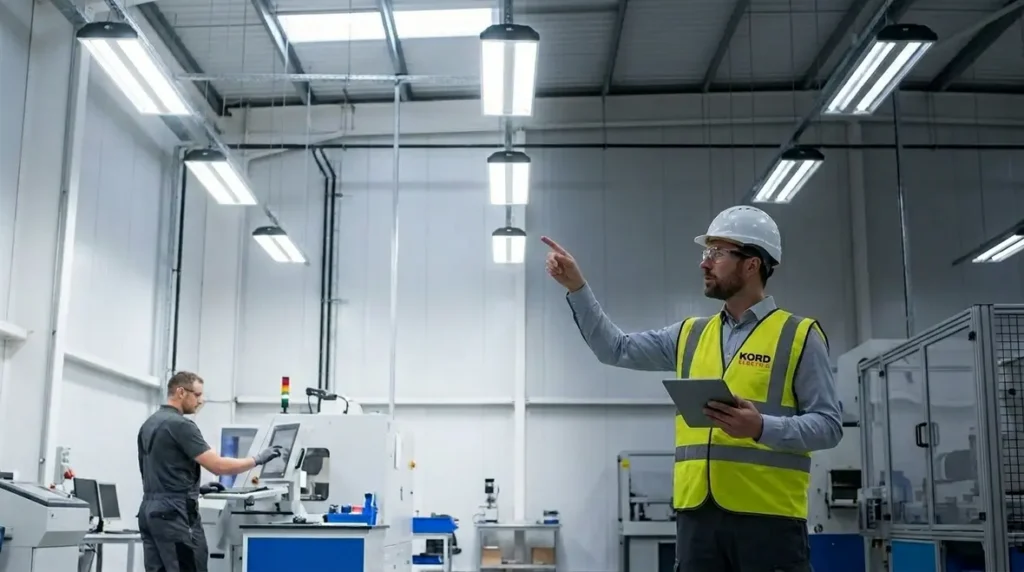
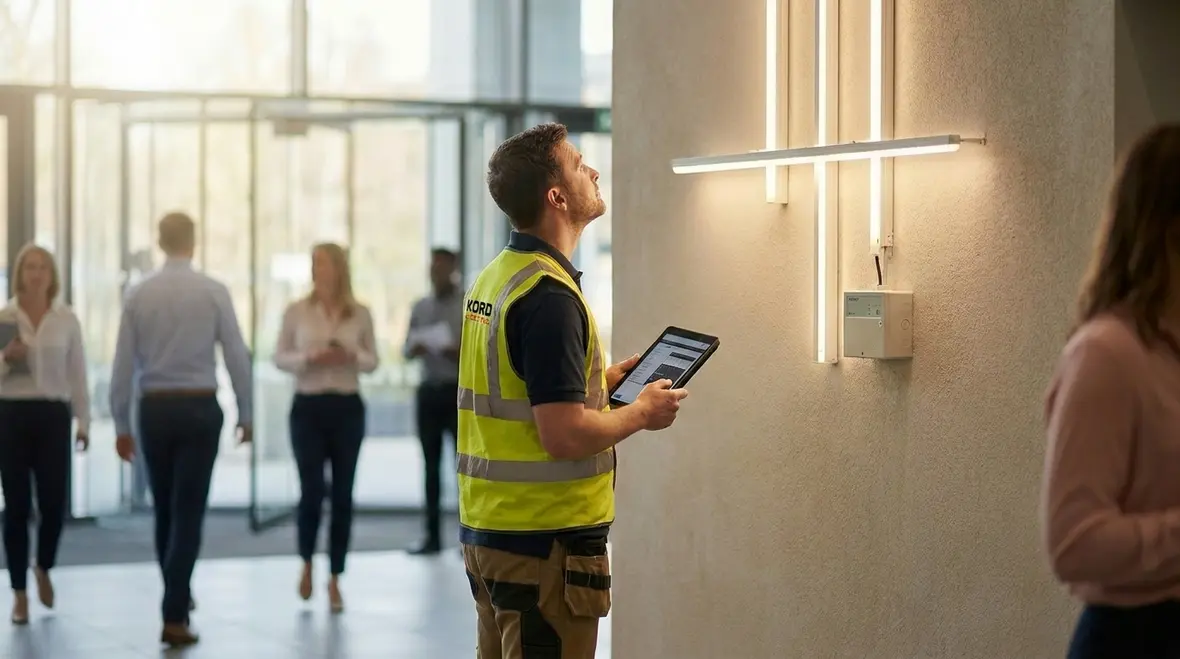
Energy savings should not be based on a guess that every room gets the same treatment. Instead, we measure how areas behave. A warehouse bay, an office corridor, a parking structure, and a loading dock do not follow the same schedule, and neither should the controls. Therefore, our technicians map usage patterns and set up control logic that matches them.
We start by establishing baseline light use. That usually means reviewing existing fixture wattage, hours of operation, and any available metering data. If the facility has submetering, we use it. If not, we build a baseline from utility bills plus on site observations. Then we project how the Smart Lighting System ROI will improve under smart control methods such as:
- Occupancy based dimming in offices, conference rooms, and back of house areas
- Scheduling that aligns with actual work shifts
- Daylight harvesting near windows to reduce unnecessary power draw
- Step dimming to maintain safety and visibility while lowering output
Then we apply these changes to the building’s kWh calculations. For clarity, we compute projected kWh after controls, not just “percent savings” in theory. That approach reduces surprises later, and it helps decision makers feel confident. Because, to be blunt, nobody wants an ROI story where the punchline is “we hoped for better.”
For many facilities, this is also where Smart Lighting System ROI links directly to broader energy strategies, including Title 24 lighting compliance and California commercial lighting code requirements. When controls mirror real occupancy behavior, properties are not only saving on the bill, they are better aligned with state code expectations for shutoff controls, daylight response, and zoning across office suites, warehouse bays, stairwells, and shared spaces.
If your building is also exploring an LED retrofit or a larger lighting modernization, pairing this ROI work with an LED commercial lighting upgrade cost review helps close the loop between upfront investment, smart control strategy, and long term energy and maintenance savings.
Payback period: the part everyone wants, and we can show how
Most stakeholders ask for the payback period because it is direct. However, we still earn that number. We compute payback by dividing the net upfront cost by the annual benefits. Yet we do not stop there. We also review how benefits change if usage shifts, if schedules get adjusted, or if occupants ignore motion sensors. Yes, people do that. No, it does not break the system. But it affects results, and our experts plan for real world behavior.
We typically model scenarios rather than a single outcome:
- Conservative assumes smaller reductions in hours or dimming levels
- Expected uses current operations and likely staff behavior
- Optimistic assumes better scheduling and proper setpoint tuning
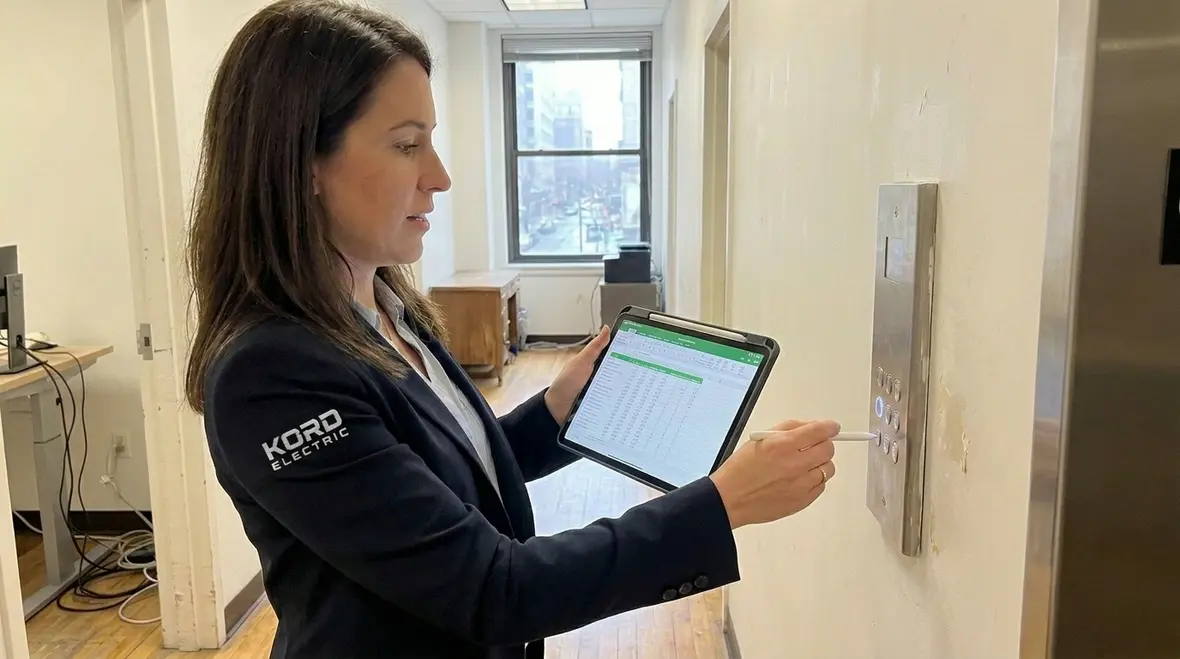
At Kord Electric, we explain these scenarios in plain terms. Our technicians and expert service staff guide building teams through what drives the payback most. Often it is not the tech itself, it is the control settings, the commissioning, and the ongoing adjustments during seasonal changes. In other words, the ROI does not run on “install and pray.” It runs on calibration and smart operations.
For larger campuses and multi site portfolios, we often wrap this payback analysis into a broader capital plan. That plan may prioritize high impact zones, pair smart lighting upgrades with other electrical improvements, or fold the controls into an electrical preventive maintenance program so the Smart Lighting System ROI is supported year over year, not just in the first few months.
Maintenance and lifecycle gains that quietly boost ROI
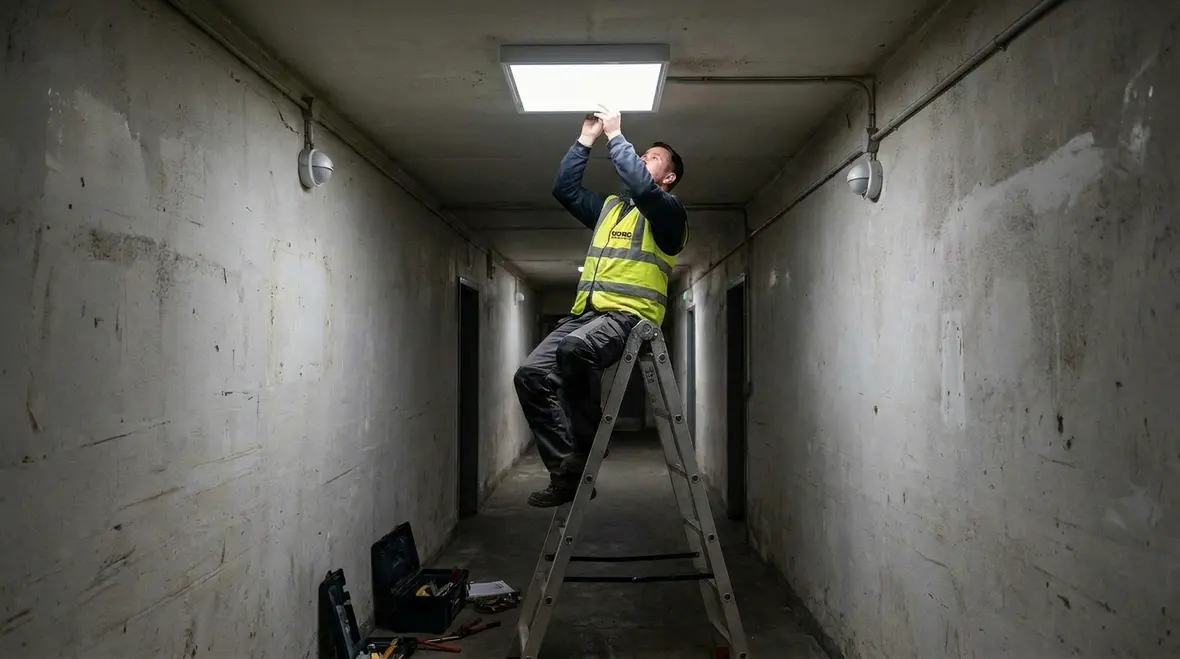
Energy savings usually gets the spotlight. Still, maintenance savings can be the sleeper hit that improves Smart Lighting System ROI without making noise. In many commercial and industrial facilities, relamping and repairs create recurring labor costs and downtime. Smart systems can reduce lamp replacement frequency through better control strategies and lower operating hours.
In addition, centralized monitoring helps detect faults earlier. That reduces the time between “a light is out” and “someone knows about it.” For safety critical areas, faster fault detection matters. And for property teams, it matters because faster detection often means less disruption.
We also consider lifecycle impacts. LED fixtures last longer than older technologies, and smart controls prevent unnecessary full output. Therefore, the system uses less energy and experiences less stress over time. Our service staff helps clients estimate how that extends maintenance cycles, and we factor those savings into the ROI timeline.
Here is a practical way we think about it for major property buildings:
- Lower call frequency for relamping or troubleshooting
- Reduced labor hours due to monitoring and proactive checks
- Less downtime in work areas and common zones
- Better inventory planning for replacement parts
And look, maintenance teams already have enough to deal with. They should not be battling lighting failures like it is a monthly side quest.
Some facilities pair smart lighting with a structured electrical preventive maintenance program. That way, the same team reviewing panels, emergency circuits, and thermal scans also keeps an eye on control logs, failure alerts, and runtime data. The result is a tighter feedback loop between what the system is doing and how maintenance resources get used.
Case planning for warehouses, offices, and property common areas
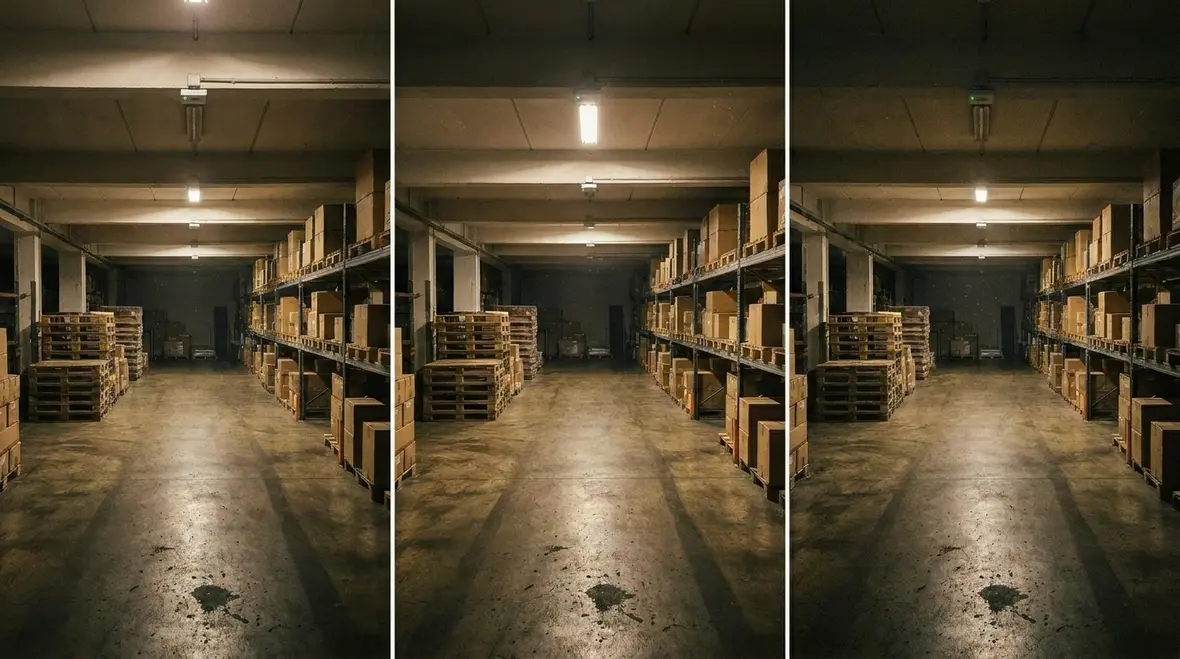
Facilities do not behave like one big room. So Kord Electric plans ROI by zone and function. For warehouses and industrial corridors, we focus on motion patterns, shift schedules, and the difference between high and low traffic zones. For offices, we focus on occupancy, daylight, and user comfort. For parking structures and common areas, we focus on safe illumination levels with reduced runtime when risk is low.
To make this approach clear, we often use dual column planning once during project scoping, so teams can see the link between zone use and ROI drivers:
| Zone type | ROI driver |
| Warehouse bays | Motion and scheduling reduce hours at full output |
| Office suites | Occupancy dimming cuts waste without hurting comfort |
| Hallways and stairwells | Targeted controls lower runtime while keeping safe levels |
| Parking and exterior areas | Step dimming and timing reduce night energy use |
| Loading docks and work zones | Better staging reduces unnecessary power during downtime |
Then we align those drivers with installation phases. That reduces risk and lets the facility gain benefits earlier. If a building wants to start with one wing first, we can still build the ROI model to show phased returns. The goal is to keep leadership confident and to keep operations running smoothly.
As those phases roll out, many property teams also review how smart lighting intersects with California Commercial Title 24 Lighting requirements and broader Title 24 compliance planning. By aligning zoning, controls, and documentation from the start, you avoid rework later and keep Smart Lighting System ROI tied directly to code ready design.
Risk checks, commissioning, and what we do after the lights go live
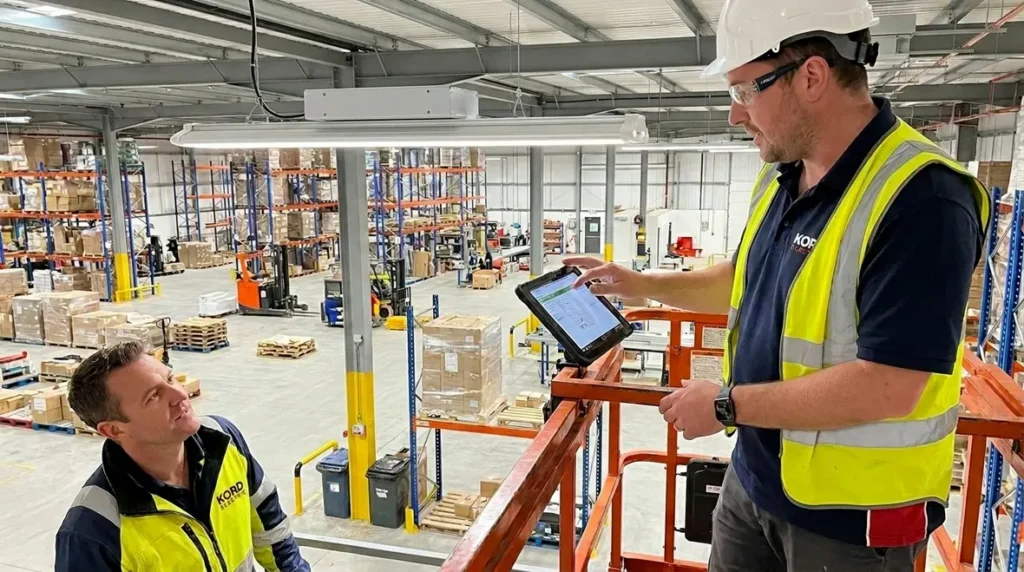
ROI models fail when teams skip the hard part: commissioning and adjustment after installation. Kord Electric treats commissioning like an essential step, not a nice extra. Our technicians verify sensor coverage, confirm that control scenes work as designed, and test daylight harvesting performance where applicable. Then we tune settings based on the building’s needs, which helps preserve savings.
Next, we plan for operations. Many systems can show performance trends, such as occupancy behavior and control response. We encourage clients to review those reports, especially early on, so the facility can adjust settings if workflows differ from the initial assumptions.
And here is the part people sometimes forget: smart lighting should feel normal to occupants. If lights behave in a way that annoys staff, behavior changes and savings can drop. Therefore, we educate stakeholders on how to use the control features and we set expectations. Our expert service staff explains the system in a clear way, so the building team does not treat the controller like a mysterious black box. It is technology, not a haunted elevator.
When commissioning links tightly with documentation and testing, smart lighting projects also land in a better place for inspections and long term records. That is especially true for facilities in Los Angeles County that need coordinated support across panels, controls, Title 24 paperwork, and ongoing electrical reliability.
For those properties, working with a team that handles both project work and ongoing building support under one umbrella, like Kord Electric’s Los Angeles County electrical services, keeps Smart Lighting System ROI from becoming a one off project and turns it into part of a broader, resilient electrical strategy.
Smart Lighting System ROI FAQ
Call Kord Electric for ROI based on your facility
If you manage a commercial or industrial facility and want numbers you can trust, Kord Electric will help you calculate Smart Lighting System ROI using your actual operating patterns. Our technicians and expert service staff walk your team through baseline assumptions, energy and maintenance drivers, and commissioning steps that protect the savings. Then we support a phased plan that keeps operations steady while returns start early. Contact us today to review your zones, rate structure, and lighting schedules, and turn that ROI question into a confident decision.
Whether you are planning a focused lighting controls upgrade or a larger LED retrofit that touches multiple buildings, connecting Smart Lighting System ROI to a structured service relationship makes a difference. With a single partner coordinating smart lighting, code compliance, and ongoing electrical support across Los Angeles County, your facility is not just chasing payback charts, it is building a stable, resilient electrical backbone that pays you back in energy, maintenance, and peace of mind.