Load Management for Commercial Buildings Reduce Electrical Demand
Load Management for Commercial Buildings: Strategies to Reduce Electrical Demand
In commercial buildings, electrical demand can rise fast, and it can stay high long after a busy day ends. That is why Load Management for Commercial Buildings: Strategies to Reduce Electrical Demand matters, and it matters early. We at Kord Electric guide our clients through practical ways to control peak loads, protect equipment, and avoid unnecessary utility charges. Our expert service staff explains each step in plain language, so teams know what changes, why it happens, and how to keep it stable. And yes, managing load can feel as exciting as watching paint dry, but when you do it right, you keep power reliable, budgets calmer, and operations running without surprise downtime.
Next, we break down the real tools that work in offices, warehouses, hospitals, manufacturing sites, and major property buildings, using approaches that fit how these facilities actually operate.
How we map electrical demand in major properties
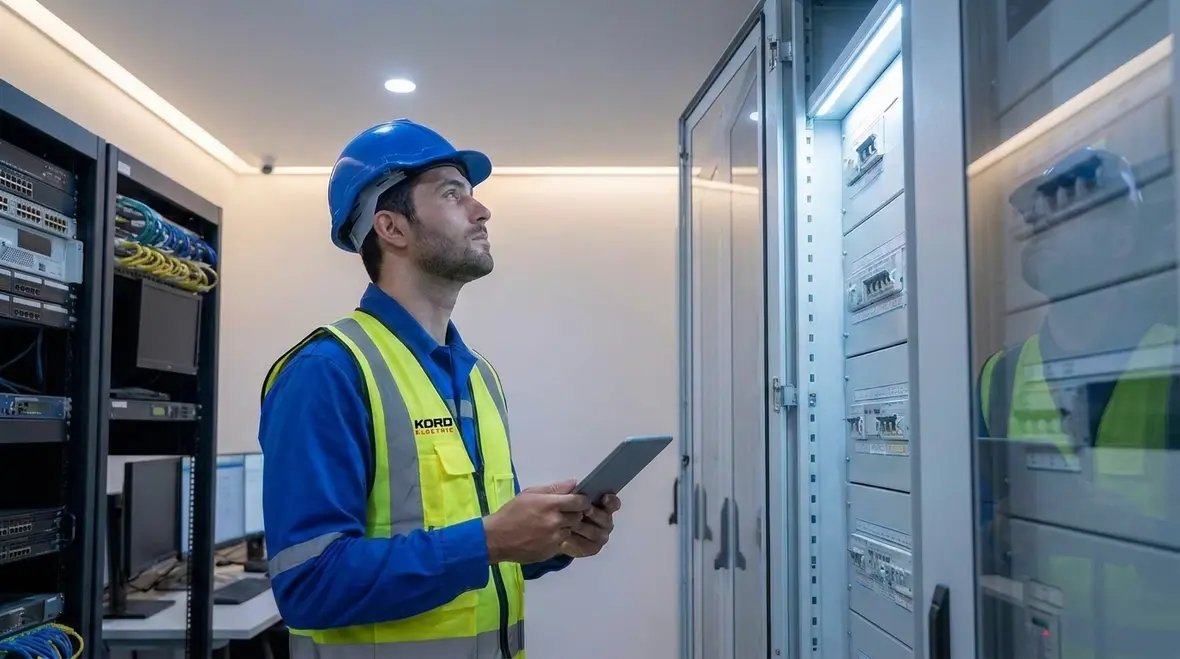
Before we touch controls, we help our clients see the numbers clearly. First, our technicians review utility bills, interval data, and equipment loads. Then we compare those patterns with building schedules such as shift changes, HVAC cycles, refrigeration pull-down, and after hours lighting and charging. This matters because peak demand rarely shows up by accident. It usually follows a predictable rhythm.
Next, we build a practical load profile. We do not guess. We use existing panel schedules, submetering data where available, and direct field checks for major consumers like air handlers, chillers, boilers, pumps, compressors, and process equipment. From there, we identify which assets create the biggest spikes, and which loads can shift without harming comfort or safety. In many facilities, only a few systems drive most of the peak. So instead of chasing everything, we focus on what moves the needle.
To keep the process steady, our team also sets performance targets. For example, we look at demand charges, transformer loading limits, generator runtime expectations, and the risk of nuisance trips. Finally, we help operators understand the plan. When our expert service staff explains how load changes will affect equipment, teams stay confident instead of confused. After all, a building is not a magic trick, it is a machine with a personality.
Scheduling and sequencing controls that reduce peaks
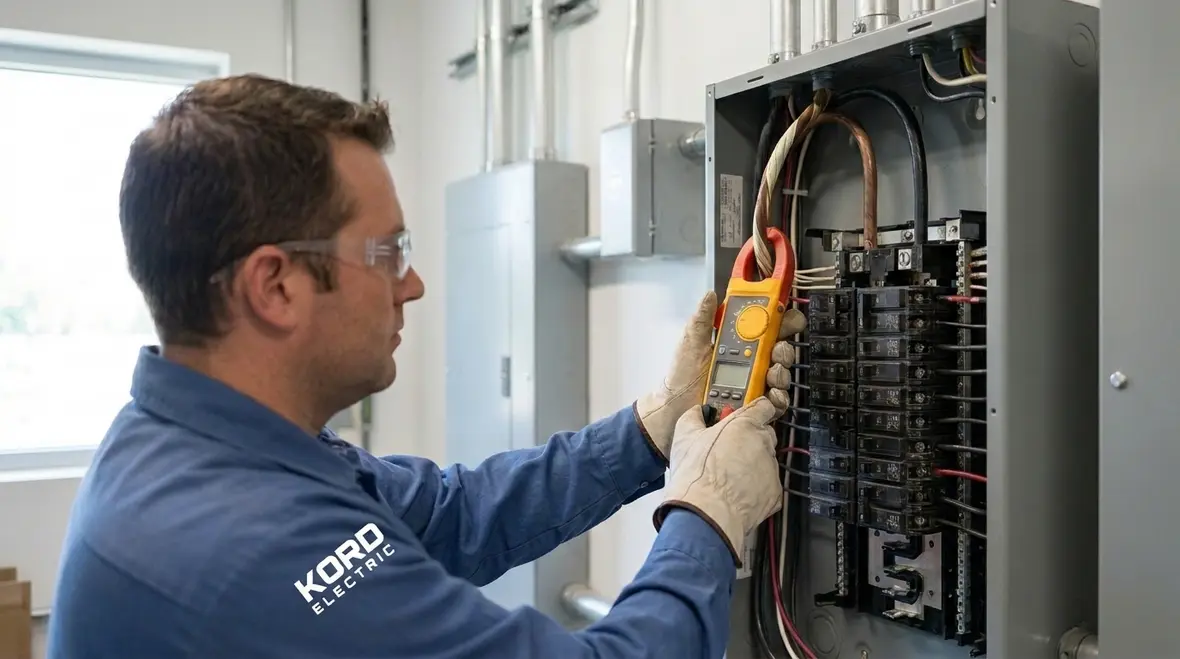
Once we know the demand drivers, we implement schedules and sequencing logic that spreads load over time. Many commercial and industrial buildings ramp loads at the same moment. It happens when multiple systems start at once after a night setback or a weekend shutdown. Consequently, the main service sees a peak that lasts just long enough to trigger higher charges or stress equipment.
We address this with staged start strategies. For example, instead of starting all air handling units together, we stagger their start and ramp rate. Then we coordinate pump speeds and compressor staging so they do not all pull at full load simultaneously. We also align setpoint resets with actual occupancy rather than generic calendars.
Where cooling or heating plants run in parallel, we adjust staging rules. We can prioritize the most efficient equipment first, then bring on other units only when demand requires it. In addition, we can use demand limiting controls that watch real-time building load and shed noncritical operations when the facility approaches a target threshold. This approach keeps comfort within set limits while preventing short peak surges.
And here is a little truth for those who think “automatic” means “instant.” When systems have inertia, delayed responses, and thermal lag, the control sequence matters. Our technicians tune the sequencing so the building does not fight the controls like a stubborn customer at a customer service desk.
Submetering and measurement for smarter decisions
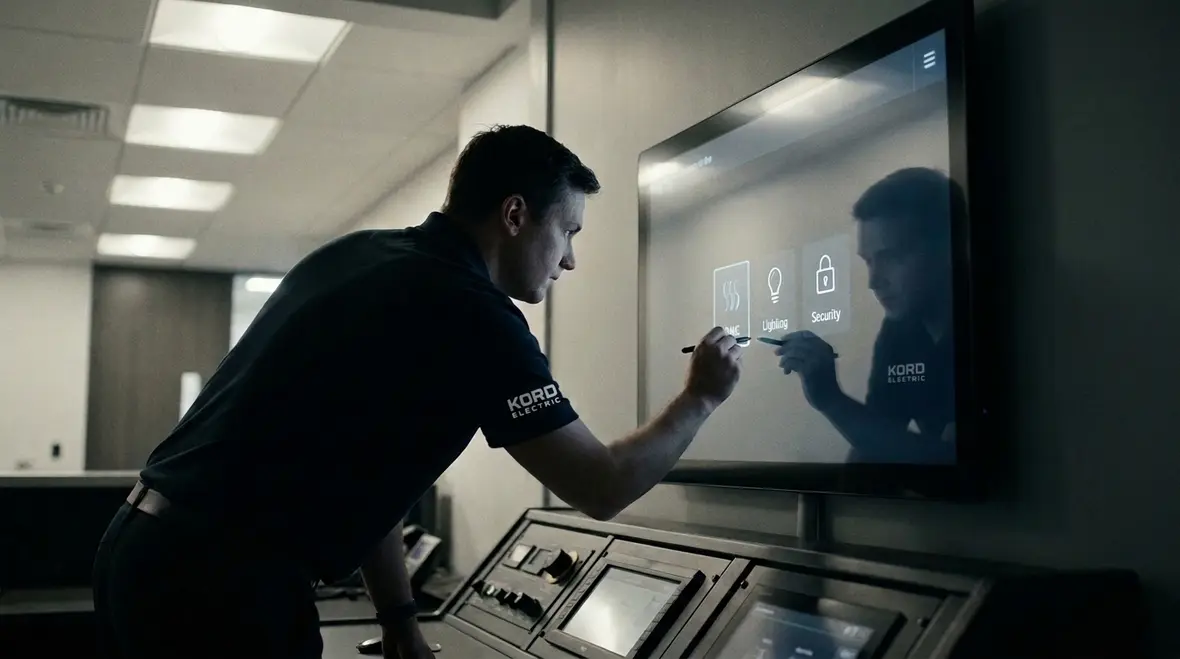
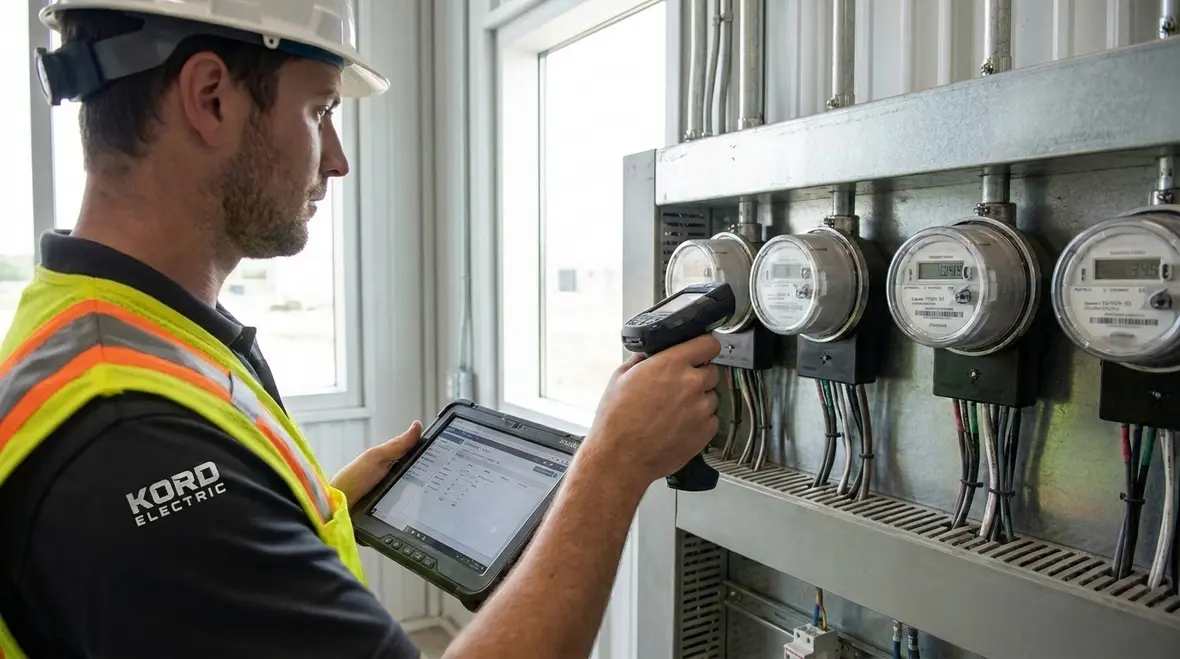
Load management fails when the building cannot “see” itself. So we install or improve measurement where it counts. Submetering helps us separate baseline loads from big peak contributors. It also helps facility managers spot patterns like one refrigeration circuit that cycles inefficiently or a dock area heater that runs too long.
We work with our clients to decide the right level of monitoring. For many major property buildings, we focus on:
- Mechanical systems such as HVAC, pumps, and refrigeration
- Large specialty loads tied to operations like production lines or logistics support
- Tenant power areas in multi tenant facilities where permitted by metering structure
- Critical loads to ensure protective controls never cut essential services
Then we connect the data to controls. Some sites already have building automation systems. If so, we integrate measurement into those platforms. If not, we still ensure we can track performance trends and verify results after changes. In other words, we do not just install equipment. We validate that the plan reduces demand and improves stability.
To keep the guidance clear, our expert service staff shows operators how to read the trends and what to expect during peak windows. When people understand what they are looking at, they stop treating energy like a mystery novel that never ends.
Demand response, utility coordination, and incentives
Another layer of load management comes from aligning with utility programs. Many utilities offer demand response or rate structures that reward reduced peaks. However, these programs only work when a facility can respond quickly and safely, and when the facility team trusts the response.
We coordinate with utilities and stakeholders to confirm eligibility, test response methods, and document operating limits. Then we help configure controls so the building can reduce demand in a controlled way during events. For example, we may adjust HVAC staging, limit noncritical refrigeration cycles, or modify pump schedules during a demand response window. We never take a reckless approach. We protect critical systems and follow the building’s safety requirements.
In addition, we review incentives that may reduce project payback. Some clients qualify for rebates tied to metering, energy management systems, or efficient controls. Our role is to help them connect the dots between the technical steps and the financial outcome. When an operator sees the business case clearly, they support the plan. And when they support it, the system performs better over time.
Also, if anyone thinks demand response is like pressing a button and magically changing physics, we gently remind them that it is closer to choreography. Timing, coordination, and limits matter. That is where good engineering and field experience win.
Power quality and equipment protection during load changes
When facilities shift loads, they can also face power quality issues if they do not plan properly. Therefore, we treat load management as more than demand reduction. We also protect equipment that costs a lot and takes longer than anyone wants to replace.
Our technicians evaluate where switching could create voltage dips, harmonic issues, or nuisance trips. Then we ensure protective devices and control sequences match the facility electrical system. For example, when we stagger motor starts or adjust compressor staging, we confirm that overload relays and breakers behave as intended. We also review transformer capacity and feeder limits so staged control does not accidentally push other circuits into stress.
Where appropriate, we review power factor correction strategies and harmonic mitigation needs. This step matters because some modern loads, like variable frequency drives and certain process equipment, can raise harmonic levels if not managed. Good controls reduce peak demand. Good electrical design protects the system that delivers that power.
As we implement changes, we monitor the building after commissioning. We watch for unexpected load behavior, delayed responses, and any comfort complaints tied to HVAC staging. We then fine tune the strategy. This careful approach helps the building get the benefits without creating new problems. And yes, that is the kind of “boring” work that saves everyone from the exciting kind of downtime.
Technology choices: building automation, EMS, and control logic
Technology can help or hurt, depending on how it is used. So we help clients choose a control approach that fits their facility and their operating team. In many commercial and industrial buildings, building automation systems already exist. If so, we extend them with load management logic, demand limiting features, and improved scheduling and sequencing rules.
In other cases, teams need an energy management system layer that can track demand targets, support optimization schedules, and generate reports for operational review. We also ensure that communication points work correctly, including data timing, alarm handling, and control priorities. A strategy that cannot be trusted during a real event is a strategy that gets turned off. Our job is to prevent that from happening.
We also consider cybersecurity and access controls when connecting to automation networks. Major properties often have many stakeholders, including property managers, facility staff, and sometimes tenant teams. Clear roles help the system stay reliable. Our expert service staff then trains the team on how to operate the controls and what to do when conditions change, like equipment maintenance or unusual occupancy patterns.
At Kord Electric, we aim for control logic that operators can understand. When people can explain why a system reduced load, they can also explain why it resumed load safely. That clarity makes load management part of routine operations instead of a one time install that gets forgotten.
If you are planning broader energy improvements, you can also explore related insights from our blog such as smart building energy management for offices and our guide on commercial EV charging infrastructure planning. These strategies align closely with disciplined load management and long term reliability for commercial portfolios.
FAQ
Request a load management plan from Kord Electric
If your facility sees demand spikes that drive up costs, we can help you regain control. Kord Electric designs practical Load Management for Commercial Buildings: Strategies to Reduce Electrical Demand using measurement, sequencing, and safe control logic that protects equipment. Our technicians and expert service staff walk your teams through the plan, then we verify results after implementation. If you want fewer peak charges, steadier operations, and clearer reporting for the people running the building, contact us today for an assessment. We will keep it simple, direct, and effective.
For multi-site portfolios or high demand facilities across Southern California, you can also connect this work with our broader Los Angeles County electrical services. Coordinating load management with panel upgrades, preventive maintenance, and troubleshooting keeps your electrical backbone ready for whatever your operations require next.
If you are looking for more detail on planning electrical capacity and demand across large properties, you can explore related guidance on our blog, including topics like commercial electrical system uptime for critical facilities, smart energy management for offices, and commercial EV charging strategies. Together, these approaches support a more resilient, efficient electrical infrastructure across your buildings.
When you are ready to turn ideas into a practical roadmap, our team can align your load management strategy with a full suite of Los Angeles County electrical services, from design and installation to troubleshooting and long term maintenance coverage for commercial and industrial sites.
Whether your building is a high rise office, an industrial plant, a logistics hub, or a multi tenant property, we help you manage demand without turning everyday operations into a science experiment. Load management becomes part of how the building breathes, not an extra layer of complexity that people are afraid to touch.
If your facility’s electrical profile includes EV charging, data center loads, or complex mechanical plants, we can coordinate your load plan with related upgrades and controls so you do not outgrow the backbone of your system. That alignment helps you avoid surprise capacity limits, rushed panel changes, and last minute utility coordination that could have been handled months earlier.
Finally, when your facilities team wants a reference point to understand how daily operations connect with long term infrastructure planning, we can walk them through examples from our blog and from real-world projects across the region. Over time, load management stops being a one off project and becomes part of how your organization plans, budgets, and protects uptime.
If you manage a complex commercial facility and want a deeper dive into broader planning concepts, visit our dedicated article on Load Management for Commercial Buildings: Strategies to Reduce Electrical Demand to see how these strategies connect across scheduling, submetering, controls, and long term electrical design.
From there, you can map out which steps belong in your next budget cycle and which ones should be fast tracked to avoid equipment stress, surprise downtime, or runaway demand charges that did not need to be there in the first place.
When you are ready, Kord Electric is prepared to help you design, implement, and maintain a load management plan that fits how your buildings actually run from Monday morning to Sunday night.