De-Energized Preventive Electrical Maintenance: Safety & Best Practices
At Kord Electric, we take De-Energized Preventive Electrical Maintenance: Safety & Best Practices seriously because the safest work is the work done with control, verification, and calm discipline. In the first place, we focus on making equipment safe before anyone touches it. Then, we build a routine around testing, labeling, and restoring power in a way that protects people, property, and operations. Our technicians follow proven steps so the job stays predictable, even when the schedule does not. And yes, we know how exciting “turning things off” sounds, but trust us, it is less dramatic than it sounds on a horror movie set.
For commercial and industrial facilities, major property buildings, and critical infrastructure environments, this approach reduces risk while keeping systems dependable. In the sections below, we explain what deenergized preventive maintenance looks like in real life, why it matters, and how our expert service staff helps you get it done the right way.
What deenergized preventive maintenance really means
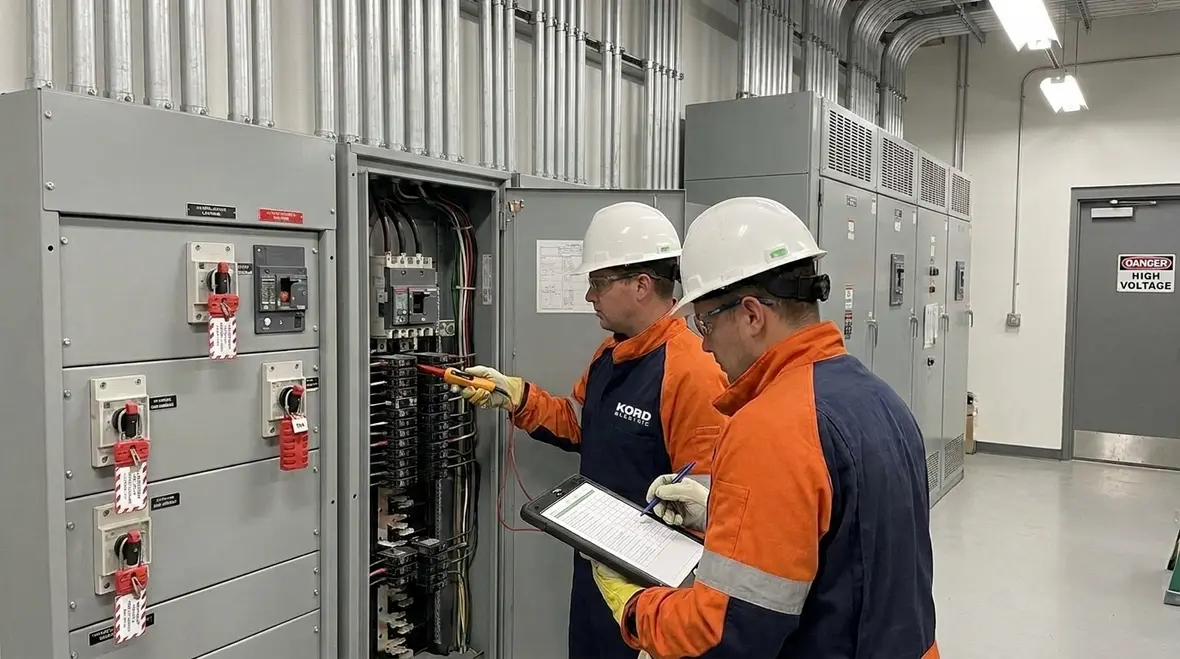
When our team performs deenergized preventive electrical maintenance, we do not simply “flip a switch and hope for the best.” Instead, we treat it like controlled work: we remove energy, confirm it is gone, and then verify the system is safe to inspect. After that, we perform the maintenance tasks that would be risky under live conditions, such as inspecting terminations, checking for overheating signs, measuring insulation condition where allowed, and documenting any findings.
In many cases, this means the equipment is placed in a known state and then locked out for the duration of inspection or service. However, we also plan the job so you avoid unnecessary downtime. Therefore, we coordinate with facility operations, align with production needs, and keep the work scope focused on what supports reliability.
Meanwhile, our technicians explain each step to the people who manage the building, because clarity reduces stress. If a supervisor asks why we need certain checks, we answer directly and in plain language. We do not talk down to anyone. We just make sure your team understands what we did and what it means.
Why commercial buildings benefit from controlled maintenance
Commercial and industrial facilities depend on electrical systems to keep doors open, lights on, elevators running, chillers operating, and critical processes moving. When maintenance happens the wrong way, the result can be unexpected trips, hidden damage, or degraded performance that shows up later as higher operating costs.
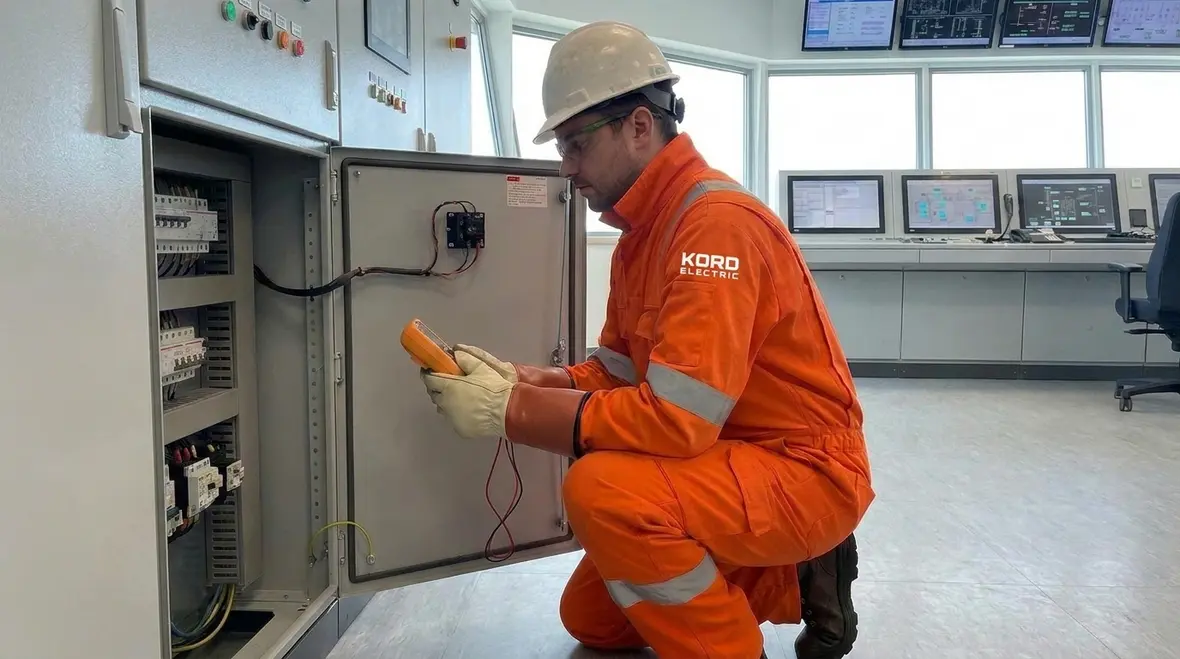
That is where deenergized preventive work shines. By taking equipment out of service in a controlled manner, we can inspect components in ways that live work often cannot support. We can also catch early warning signs, like loose connections, poor torque evidence, or visual defects, before they turn into failures.
Also, major property buildings often have complex schedules, including tenant operations and shared systems. Our approach helps reduce surprises. We coordinate the scope, document the condition, and schedule follow ups, so the building does not feel like it is being “handled” by a rolling carnival. We keep it professional, steady, and efficient.
Safety planning that our technicians treat like the main event
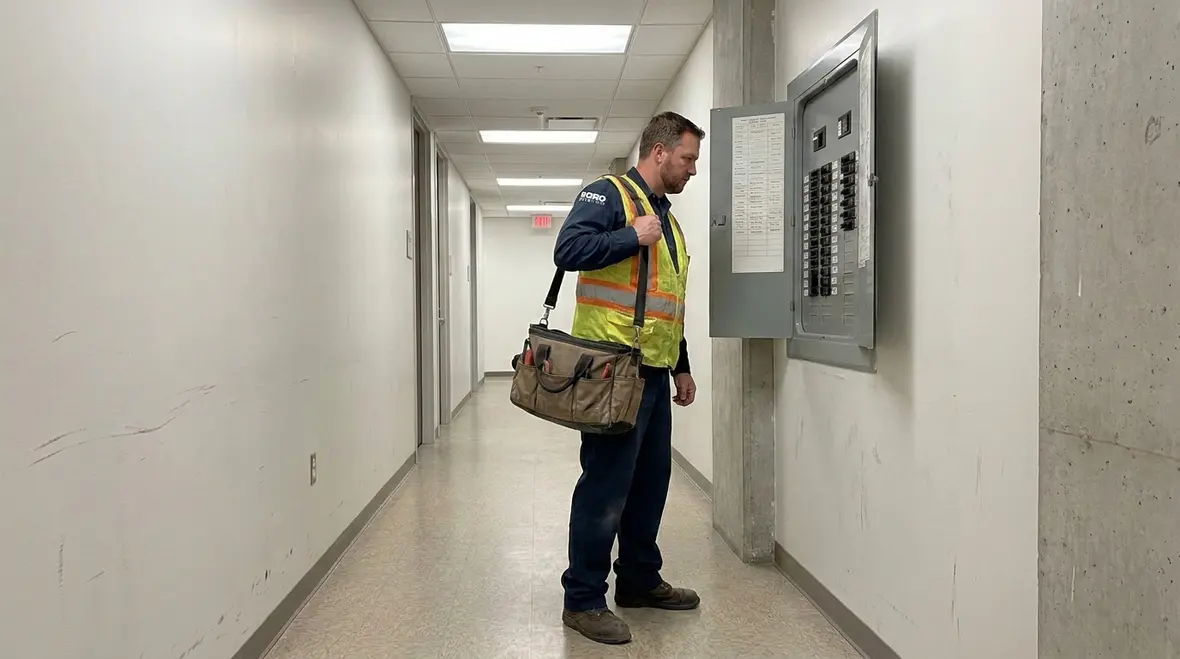
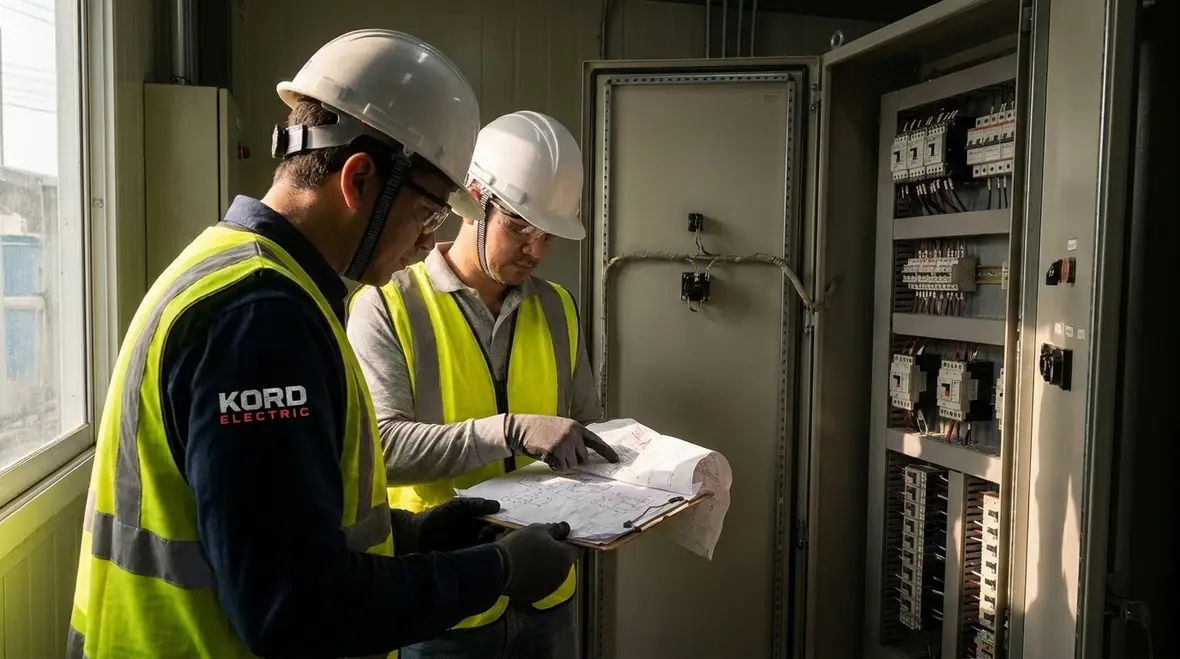
Safety begins before we even open an electrical panel. First, we review the site’s electrical one line diagrams, past maintenance records, and any known problem areas. Then, we confirm the equipment boundaries and define the exact work zone. After that, we create a lockout and verification plan that matches the system and the operating environment.
Next, our technicians follow a step-by-step method that typically includes deenergizing, applying lock and tag controls, and verifying absence of voltage using appropriate test equipment and procedures. We do not rush this. We verify more than once when the situation demands it. Moreover, we control access so only authorized personnel operate within the work area.
We also think about more than shock risk. We account for arc flash exposure, stored energy, and induced voltage. And we plan for safe removal and reinstallation when parts need attention. If someone thinks this sounds like overkill, we say this with a smile: electricity does not care about confidence. It cares about physics.
How our process finds issues before failures show up
After equipment is properly deenergized and verified, we move into inspection and measurement steps that support long term reliability. Here is what our expert service staff focuses on during deenergized preventive electrical maintenance.
- Visual inspection of connections and components: We look for heat marks, discoloration, corrosion, and signs of stress at terminations.
- Condition checks: We assess insulators, bus bars, and protective devices for wear and damage that might not appear during routine observation.
- Torque and connection integrity: We verify that connections hold proper integrity based on the equipment type and the maintenance plan. Loose connections can create heat and future failure risk.
- Cleaning and controlled restoration: Where needed and appropriate, we clean surfaces and restore components with correct procedures.
- Documentation and next step planning: We record findings clearly, then recommend targeted actions instead of vague “maybe later” language.
Then we tie results back to your operational priorities. For example, we may suggest focused work on specific panels, feeders, or distribution sections instead of a full system overhaul. That kind of precision helps you control cost and downtime.
Just as importantly, we confirm what was repaired and what remains stable. In other words, we do not stop at “we checked it.” We close the loop so your facility ends the service visit with an understanding of what changed.
For facility teams who want to connect deenergized tasks with a broader reliability program, our preventive electrical maintenance contractors guide shows how structured inspections, documentation, and follow up work together across your power system. You can explore that in more depth here: Preventive Electrical Maintenance Contractors for Power Systems.
Planning downtime and coordination with facility operations
Even when the maintenance work is deenergized, operations still matter. We therefore build each job around coordination, communication, and practical scheduling for your commercial or industrial environment. In many major property buildings, multiple tenants and systems rely on shared electrical infrastructure. So, we plan work windows carefully and we sequence tasks to reduce the time that critical loads are out of service.
Our expert service staff communicates with facility leaders about what will happen, when it will happen, and what the building team needs to do on their side. Meanwhile, we also prepare for restore activities, including safe reenergization steps, functional checks after work, and updates to documentation.
And because pop culture likes chaos, we often compare poor planning to “going live” without rehearsals. Nobody wants a power event that looks like an unplanned sitcom plot twist. We plan so your electrical systems act like a well run production, not a surprise ad lib.
For organizations building a larger playbook around uptime, our business continuity electrical services for resilience article explains how disturbance planning, transfer behavior, and recovery sequences fit alongside preventive maintenance and testing.
Common deenergized maintenance tasks we prioritize
Not every site needs the exact same scope, but commercial and industrial facilities often share similar risk drivers. So, we prioritize tasks that support safety, reliability, and predictable performance. Depending on your system and maintenance history, we may focus on distribution equipment, protective devices, and connection integrity across key areas.
- Switchgear and distribution inspection: We inspect bus connections, interfaces, and cabinet conditions to prevent heat and wear issues.
- Panel and feeder service: We examine terminations and protective device conditions in distribution paths that feed major loads.
- Grounding and bonding checks: We verify grounding paths to support stable system behavior and safety.
- Preventive inspection of high use circuits: We give extra attention to circuits tied to HVAC, lighting loads, process equipment, and life safety related functions where applicable to your system design.
To keep everything grounded in reality, we tailor the maintenance plan to your site: equipment age, usage, environmental conditions, and prior inspection outcomes. Then, we adjust the schedule so maintenance stays aligned with risk, not just calendar time.
If your team wants a deeper roadmap that turns these deenergized tasks into a structured playbook, you can also review our dedicated guide on electrical preventive maintenance services, which walks through program design, inspection intervals, and how to connect testing with practical follow up: Electrical Preventive Maintenance Services Guide.
How De-Energized Preventive Electrical Maintenance supports long term reliability
De-Energized Preventive Electrical Maintenance: Safety & Best Practices is not just about today’s inspection. It is about shaping how your system behaves over the next months and years. When we deenergize equipment on a planned schedule, we can see how heat, vibration, and loading patterns have been treating your gear. We are not guessing. We are reading real evidence from the field.
Over time, this discipline helps you avoid the kind of “mystery outage” that ruins a workday and sends everyone digging through logs. Instead, you get a maintenance history that shows when torque was checked, when insulators were inspected, and when weak components were replaced. That record supports better budgeting, smoother insurance conversations, and more credible planning with your leadership team.
For multi-site owners and property managers, aligning De-Energized Preventive Electrical Maintenance across locations also lets you compare patterns. You can see which properties run hotter, which loads drive more wear, and where investment will make the biggest difference. That is how maintenance stops being a scramble and starts behaving like a strategy.
When you combine this with broader resilience strategies, such as emergency power for business continuity design or data center power redundancy for maximum uptime, deenergized maintenance becomes one of the quiet heroes in your reliability story. It is not flashy, but it is the kind of steady practice that keeps people safe and operations calm.
FAQ about De-Energized Preventive Electrical Maintenance: Safety & Best Practices
Get dependable results with Kord Electric
If your commercial or industrial facility relies on electrical systems that must stay steady, we should talk. Kord Electric delivers deenergized preventive electrical maintenance that supports safety, reduces unexpected downtime, and helps you catch issues early. Our technicians and expert service staff coordinate with your operations team, document findings clearly, and recommend next steps that fit real schedules. Reach out to us today to plan a maintenance approach for your major property building, so your power stays calm, controlled, and ready when you need it.
For facility owners and managers across Southern California, our broader Los Angeles County electrical services for commercial and industrial facilities connect De-Energized Preventive Electrical Maintenance: Safety & Best Practices with design, construction, and emergency support. That way, your maintenance visits, upgrades, and repair work all point in the same direction: safer people, steadier power, and fewer surprises.
When you are ready to turn deenergized maintenance into a predictable, well documented program, our dedicated electrical preventive maintenance services guide is a practical next read: Electrical Preventive Maintenance Services Guide. From there, our technicians and expert service staff are ready to walk your facility, review your drawings, and build a plan tailored to your operations.