Smart Warehouse Lighting Controls, Sensors & ROI Payback
Smart warehouse lighting that pays back, not just “looks good”
Smart Lighting Systems for Warehouses: Controls, Sensors & ROI turn warehouse lighting from a flat cost into a controlled utility. At Kord Electric, we design systems that dim when they should, brighten where work happens, and reduce energy waste without slowing people down. In other words, we make sure the lights do the job, not the other way around. And yes, your warehouse will still look bright enough for humans, not like a scene from a low budget sci fi film where everyone forgot the bulbs.
Because this topic touches the full chain of results, we explain the details through our expert service staff and technicians. First, we focus on controls and sensor placement. Then we map the ROI to your operation. Finally, we set up commissioning so the system behaves as expected in the real world, not just on paper. That calm, deliberate process is how warehouses get consistent, measurable gains.
How smart controls manage light across large spaces
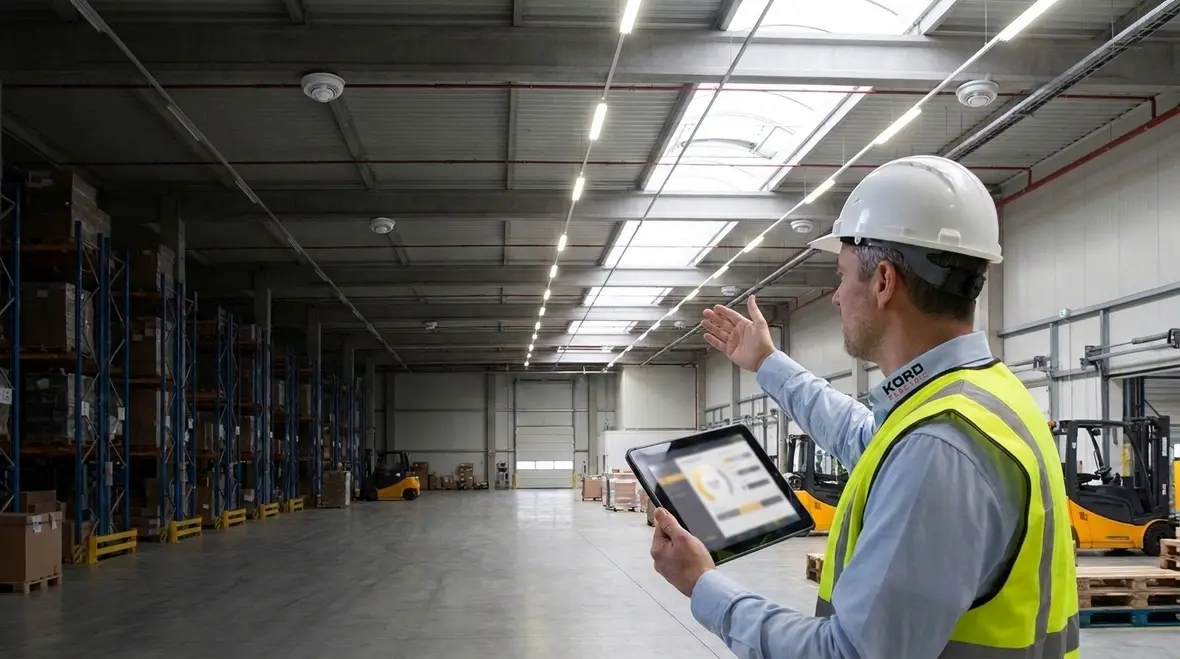
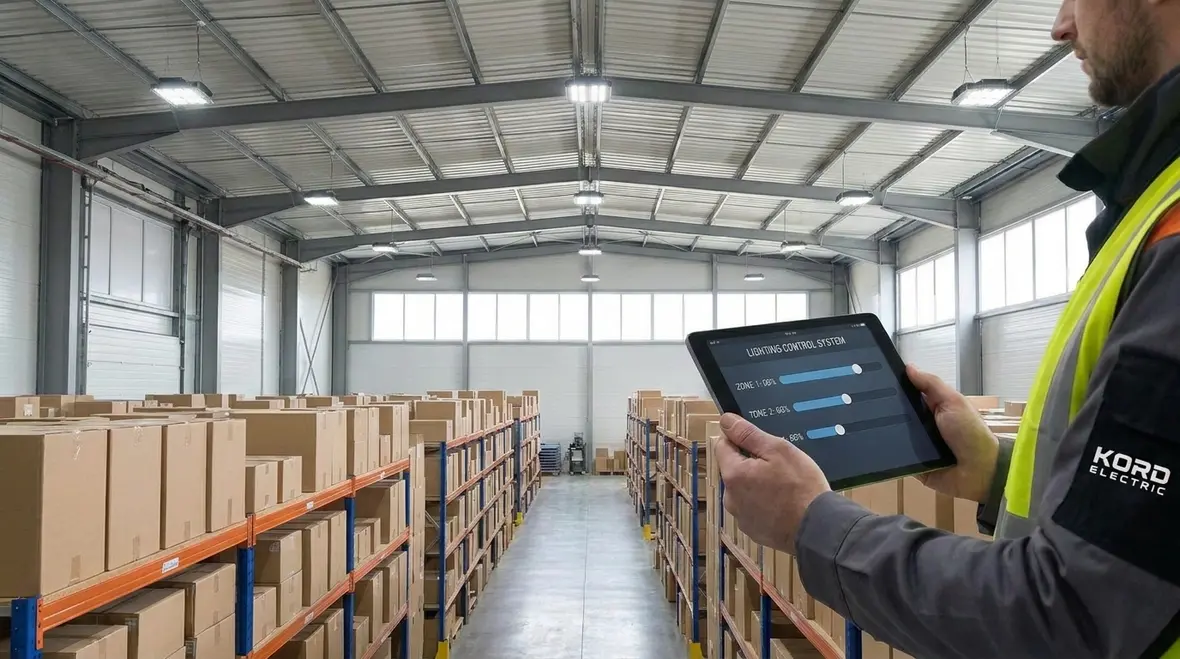
Warehouses rarely have one lighting need. They have loading zones, picking lanes, long aisles, packing areas, and sometimes outdoor staging. Therefore, we start with zoning and control logic rather than installing a few “smart” fixtures and hoping for the best. A well planned control layout lets your team treat different areas differently, even when they share the same building.
For instance, we often recommend schedules that match shifts, plus manual overrides for special tasks. However, the real win comes from intelligent control behavior. Instead of sudden on off changes, our systems can apply smooth dimming transitions that reduce glare and keep workers comfortable. And when conditions shift, the controls respond automatically.
Our technicians explain the design choices step by step. They walk through what the system does during shift start, during peak activity, and during low activity hours. Then they show how facility managers can adjust settings without guesswork. That way, “smart” does not mean “mysterious.”
Sensor placement that avoids dead zones and wasted power
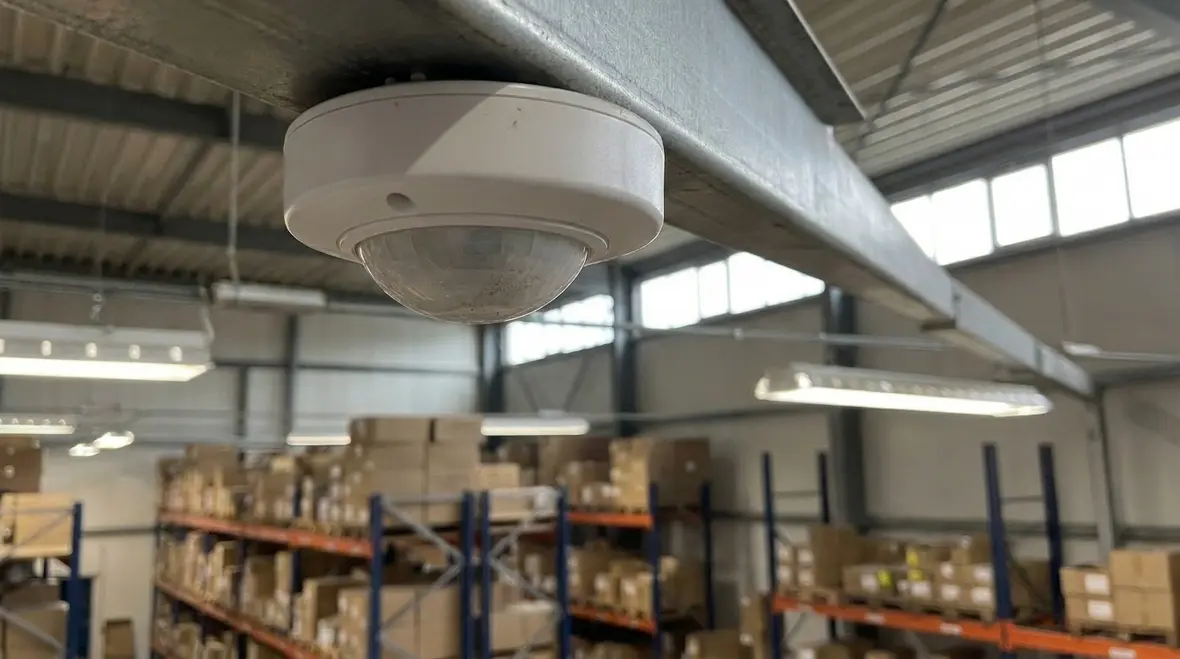
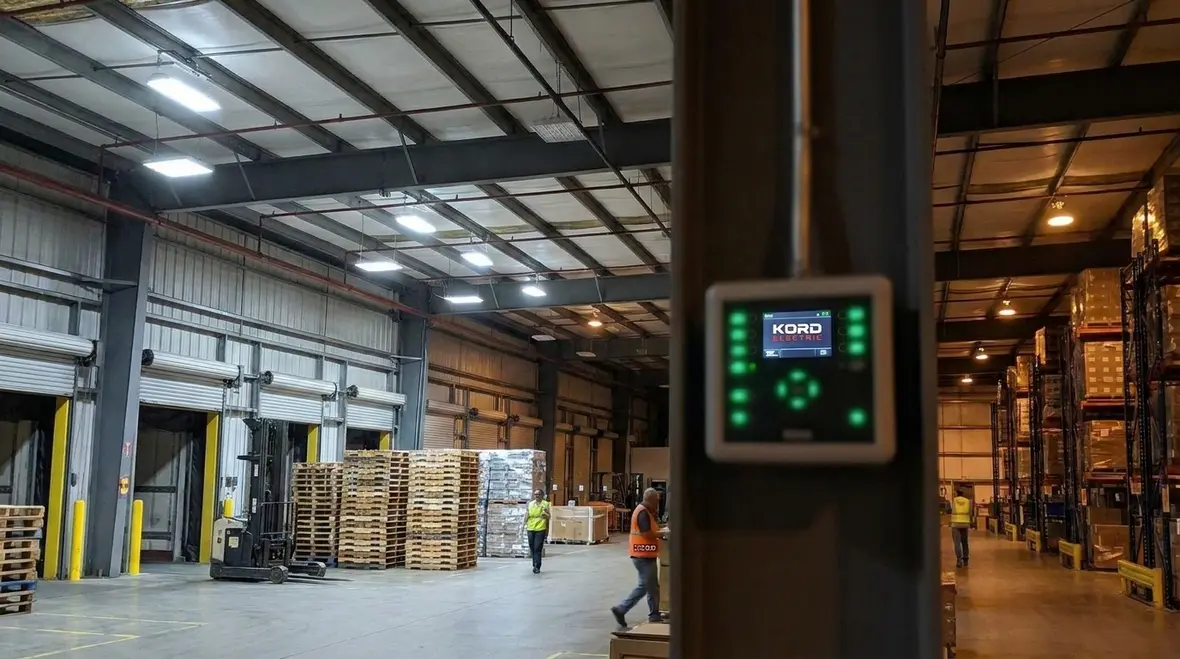
After controls, sensors decide whether the system performs as promised. So, we go beyond generic layouts. We place sensors where they can accurately sense motion, occupancy, and ambient light levels. Then we verify coverage with real checks during commissioning.
In warehouses, sensor challenges often include high bay heights, reflective surfaces, aisle geometry, and airflow near dock doors. As a result, we design around the way light actually moves through the space. For example, a sensor that sits near a bright aisle might “think” the whole building is bright, even when deeper racks stay dim. Likewise, a sensor that faces a loading bay may get fooled by frequent door openings.
Our expert service staff handles the practical side: we test, we adjust, and we confirm the system follows your work patterns. We do not just install hardware and leave you with a manual that reads like a puzzle. Instead, we train your team on how to fine tune settings if your operations change.
Daylight harvesting: use the sun without starting a glare show
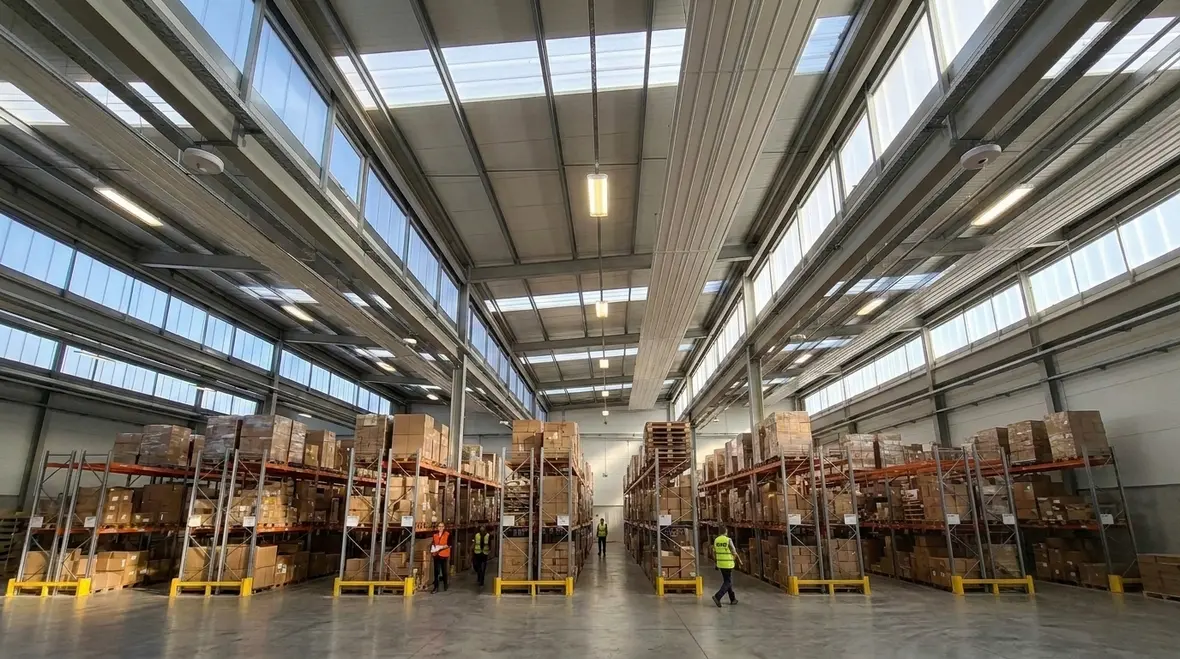
Many warehouses have skylights, clerestory windows, or perimeter light. That natural light can reduce energy use, but it can also create glare and uneven illumination if the system does not manage it correctly. So, we use daylight harvesting in a controlled way, tying sensors to dimming logic.
To keep performance stable, we calibrate target light levels for each zone. Then we set limits so the system dims to safe working ranges rather than chasing a moving target all day. This matters for picking accuracy, safety, and worker comfort. Also, stable lighting can reduce eye strain, which sounds small until you remember how long people work in a warehouse.
We explain the “why” behind the settings to facility leaders. When they understand the logic, approvals come easier and future adjustments feel simple. And if anyone in your team makes jokes about letting the sun “control the lights,” we respond politely. We do not let the sun run the building. We just make it contribute.
Energy savings and ROI for commercial and industrial facilities
Now we get to the part your finance team cares about: Smart Lighting Systems for Warehouses: Controls, Sensors & ROI. We estimate savings based on your current fixture types, operating hours, and the likely reduction from occupancy based control and scheduled dimming. Then we add value through lower maintenance needs, depending on the lighting technology you use today.
Energy savings typically come from three drivers. First, occupancy sensors prevent lights from running full output in empty zones. Second, daylight harvesting trims output when natural light covers part of the demand. Third, controls support time based schedules and event based boosts, like when loading begins. Together, those mechanisms reduce “baseline waste,” which is the steady burn that happens even when the space is not fully in use.
However, ROI is not only about kWh. We also consider operational consistency. When lighting stays reliable, teams spend less time complaining, reworking tasks, or dealing with unsafe conditions. Also, reduced maintenance visits mean fewer interruptions. Our technicians help you set a realistic timeline for commissioning and training so you capture benefits without disrupting operations.
To support the work, we reference the same warehouse lighting benefit framework discussed in our Kord Electric blog entry on warehouse LED lighting benefits and ROI. That article highlights how controls and sensors improve performance and reduce costs, and we use that foundation to tailor design to your building.
Integration with building systems and ongoing performance checks
Smart lighting should fit into how a warehouse already runs. Therefore, we plan for integration where it makes sense, such as with building management systems, scheduling platforms, and alarm or safety workflows. We also consider network reliability and how electricians and facility teams will access the controls.
We coordinate installation so the lighting system does not become a separate universe. Then, after wiring and setup, our expert service staff runs performance checks across zones. They verify occupancy response, daylight dimming range, schedules, and manual override behavior. If the system reacts too quickly or too slowly, we correct it during commissioning, not weeks later.
We also guide your team on operational updates. Warehouses change. New shifts start. A department moves into a different bay. Seasonal work alters traffic patterns. So, we give you a practical method to adjust controls without turning every adjustment into a project.
And yes, we can explain it in plain language. If someone asks, “Why did the lights do that?” our technicians answer with calm certainty, not a tech monologue. It is the difference between a system that works and one that only performs when the stars align.
Installation, training, and commissioning that reduce headaches
Smart lighting projects fail for predictable reasons: unclear zoning plans, rushed commissioning, missing sensor coverage checks, or training that never happens. At Kord Electric, we focus on execution that protects results. We document design intent, confirm mounting and aiming, and test after installation with your layout in mind.
During training, our technicians walk through daily operation for supervisors and facility managers. They cover how the system behaves during shift start, during active work, and after hours. They also show how to handle temporary conditions, like a surge in picking or a special event near a dock area.
Then we provide a commissioning report that supports future adjustments and maintenance planning. This is important for large propertie buildings where ownership may change over time or where multiple teams share responsibility. We help ensure the system remains maintainable, not fragile.
For facilities that want lighting upgrades to align with broader infrastructure plans, we can coordinate smart warehouse lighting work with wider programs like Los Angeles County electrical services for commercial and industrial facilities, so power distribution, safety, and lighting performance all move in the same direction.
FAQ
Ready to modernize warehouse lighting with measurable savings
If your warehouse lighting feels like it runs on autopilot, Kord Electric can change that. We design Smart Lighting Systems for Warehouses: Controls, Sensors & ROI that match your zones, your shift patterns, and your real operating conditions. Then our technicians commission the system and explain how it works so your team can manage it confidently.
If you want to see how lighting upgrades perform alongside other electrical improvements, explore our guide to warehouse lighting automation efficiency or connect smart lighting plans with broader warehouse power distribution efficiency so the entire system supports your ROI goals.
Contact us for a site focused assessment, and let us build a lighting plan that reduces waste and supports day to day work. We will handle the details. You keep the peace.