Smart Lighting Control Scheduling for Commercial Facilities
At Kord Electric, we design and maintain Smart Lighting Control Scheduling for Commercial Buildings so lights work like a well trained team, not a bored intern guessing all day. We build schedules that match occupancy, shifts, daylight, and room needs, so spaces stay comfortable while energy use stays under control. And yes, when lighting behaves on its own, it feels almost magical, like a remote that actually works on the first try.
Next, we explain what smart scheduling does, how our technicians set it up, and why facilities with real traffic patterns benefit most. Because in commercial and industrial environments, “good enough” lighting is never enough.
Smart lighting control scheduling for commercial facilities that stay ready
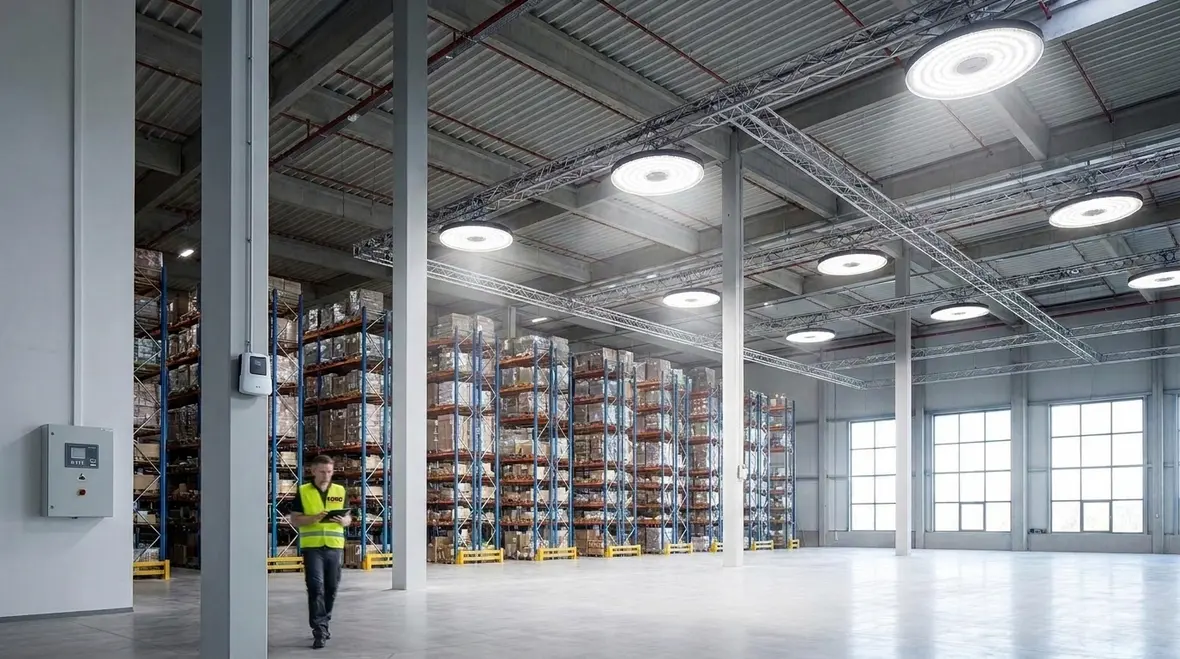
Commercial facilities rarely get true downtime. Warehouses turn over inventory at odd hours, office tenants stretch into evenings, and production lines run on carefully planned shifts. Smart lighting control scheduling for commercial facilities that stay ready means your lighting keeps up with all of it without constant human intervention. Instead of staff playing “switch roulette” every time someone opens a door, the system already knows what each zone should do.
Our technicians map real operating patterns, not idealized diagrams. We walk docks, corridors, stairwells, work cells, and lobbies to see when people actually move and how long zones stay active. Then we convert that into time blocks, sensor logic, and override rules that keep lights where they belong: predictable, safe, and efficient in the background, instead of starring as the daily drama.
Because schedules live inside a well designed control system, your building can stay “ready” without staying wasteful. Early crews see the right light when they arrive. Late shifts get consistent levels instead of random leftovers from the day. And when an area really is empty, lights do not keep burning just because someone forgot a switch three doors away.
How Smart Lighting Control Scheduling works in real life
When other teams think about lighting, they often stop at bulbs. We do not. We think in systems. First, sensors and building inputs report what is happening. Then the controller decides what lights should do, and when. After that, the system uses time based schedules to follow your operation, rather than asking staff to constantly flip switches.
In practical terms, scheduling means the lights change with the day. For example, early morning setup can bring spaces up to the right brightness for crews. Midday can reduce output when daylight covers the area. Evening can shift to task lighting levels, and after hours can drop to safe, low levels if no one is present.
Meanwhile, occupancy detection adds the missing piece. So when people arrive late or stay longer, the system adapts. In other words, the lights do not act like robots stuck in yesterday’s routine. They act like they understand the pattern of work.
For facilities that want a deeper dive into this combination of sensors, dimming, and logic, we often point to our internal guide on automated lighting control benefits for facilities, which shows how these same principles scale across large commercial and industrial properties.
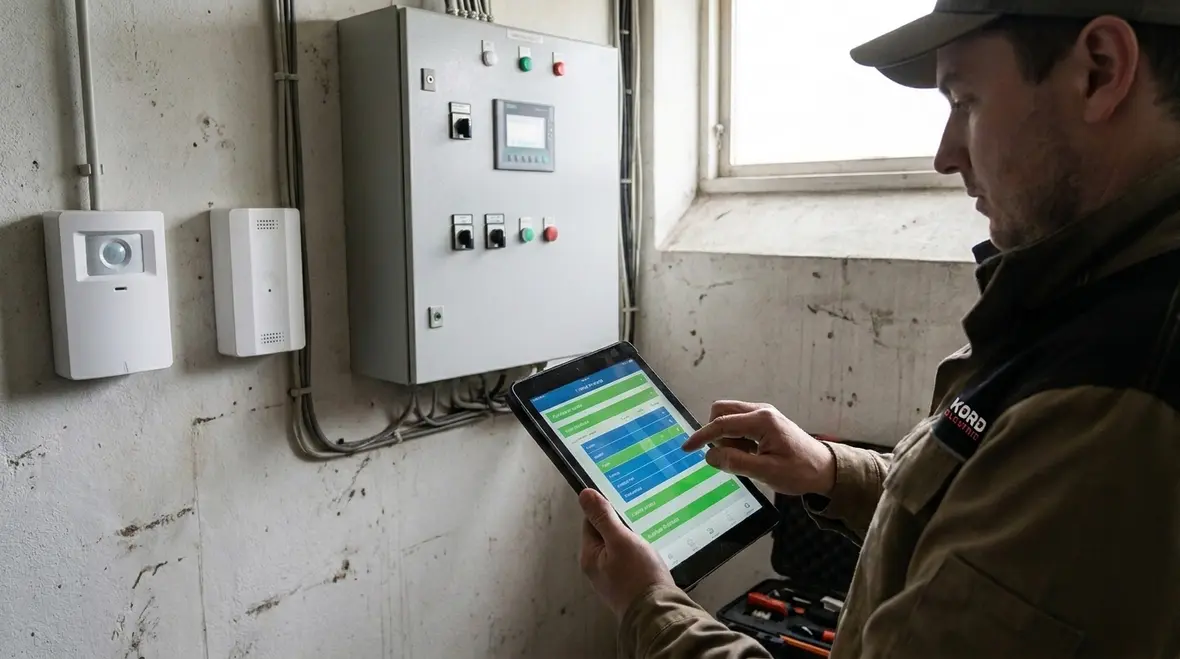
When Smart Lighting Control Scheduling for Commercial Buildings is tuned to the way your facility actually runs, the “on/off” experience becomes a sequence of thoughtful transitions. Equipment areas come up to working levels before teams arrive. Hallways stay bright enough for safety without blasting at full output all night. And yes, you can still override zones when operations change, but you will not need to babysit them every hour.
Better energy use without dimming the human spirit
Energy waste usually comes from one thing: lights running longer than needed. Smart scheduling tackles that issue by aligning lighting output with actual use. For example, a warehouse dock may see heavy activity in short bursts, while office corridors stay light on weekends. A well designed schedule can avoid lighting empty zones for hours.
Also, scheduling supports zoning. That means we do not treat the whole building like one big room. Instead, we separate areas by function and usage. Then we apply the right schedule to each zone. So break rooms do not follow the same logic as manufacturing bays.
As our expert service staff explains during site visits, the goal is not to create a cave. We aim for the right light for the task. When the system reduces output at the right time, it can cut energy costs and still keep safety and visibility strong. And if someone jokes that it will “save the building on a feelings based budget,” we just smile and keep measuring.
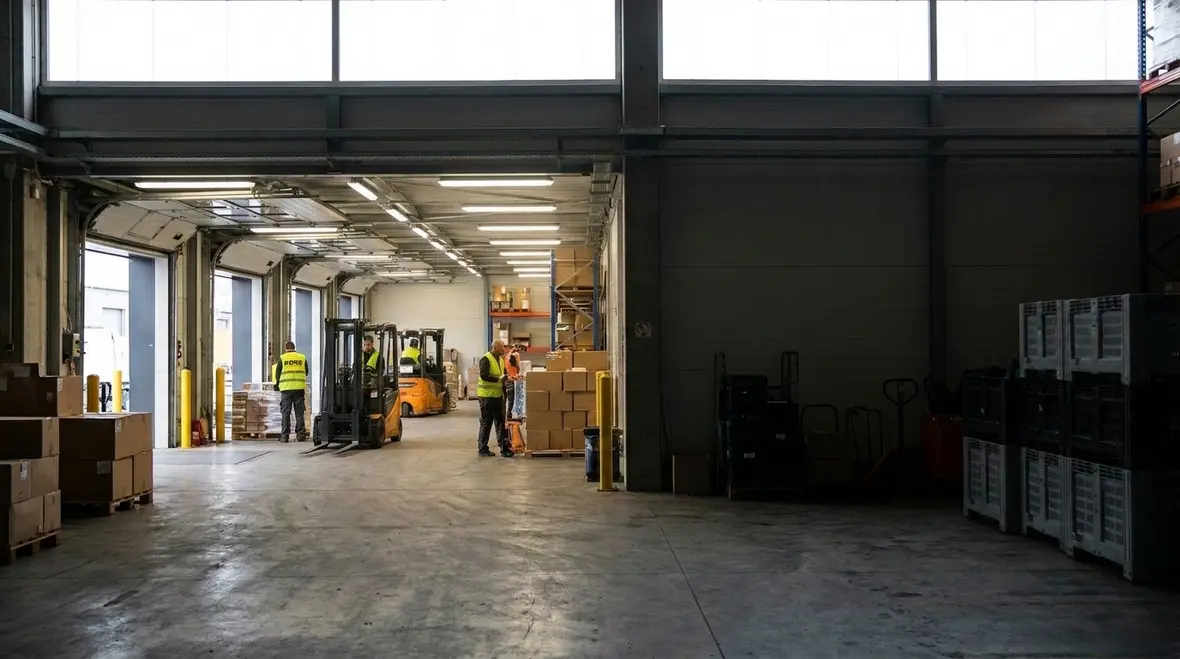
Smart scheduling also pairs well with broader control upgrades. As lighting retrofits add dimming drivers and networked hardware, scheduling becomes the quiet part that turns hardware into results. Instead of simply installing smarter fixtures, you get a building that stops wasting light in the first place—without making people feel like they are working in a low budget thriller.
Daylight, occupancy, and time schedules working together
Smart systems work best when they combine three inputs. Time schedules set the baseline. Daylight sensing adjusts for sun and cloud changes. Occupancy detection handles the moments when reality differs from the plan.
Consider a commercial property with multiple floors. During the morning, time rules can bring lights up in stairwells and common areas as employees start moving. In the afternoon, daylight sensors can reduce brightness near windows. Then occupancy sensors can boost lighting in conference rooms when meetings begin.
In practice, this reduces the “flicker fatigue” that staff can feel when systems react poorly. We configure settings to avoid harsh changes. Therefore, the experience stays smooth. And because schedules include built in transitions, the lighting does not jump around like a pop quiz.
Our approach also respects business operations. Loading areas, parking structures, and production spaces have different needs. So we design schedules around your workflow, not around a generic example found online.
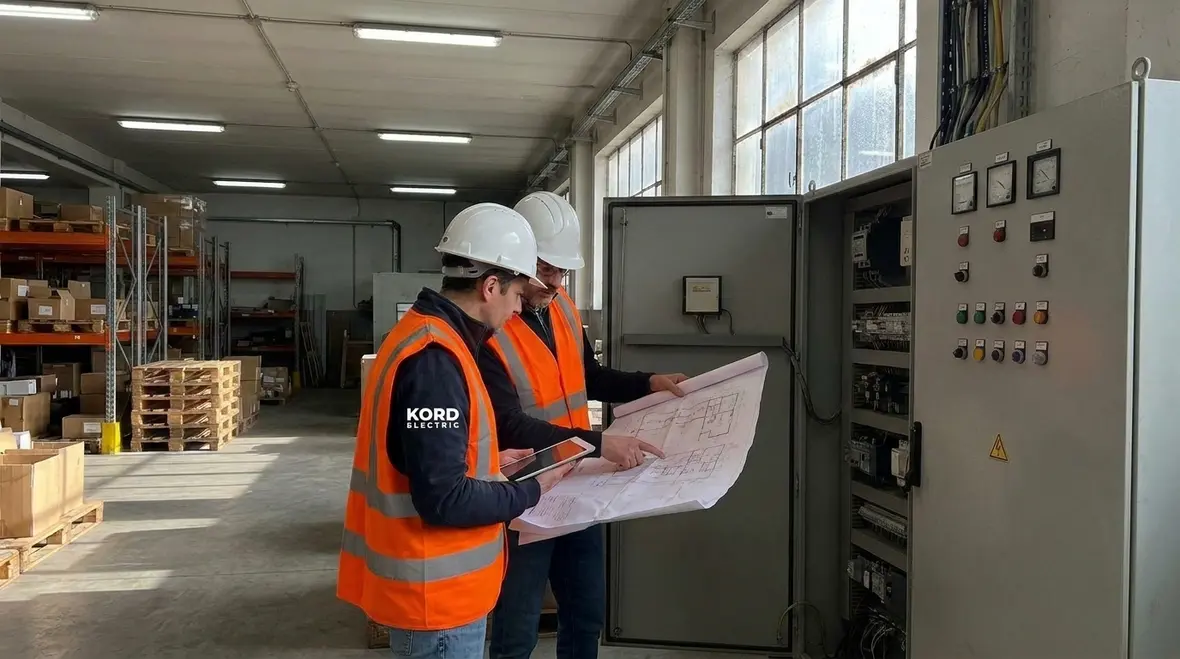
By tying daylight and occupancy back into Smart Lighting Control Scheduling for Commercial Buildings, you also protect your team’s patience. People notice when lights crash to dark the second they stop moving. They also notice when a bright sunny wing still runs at full artificial output. We tune those details so your building feels steady instead of moody.
Scheduling that supports safety, compliance, and uptime
Facilities do not get to treat lighting like a casual upgrade. Lighting affects safety, visibility, and incident prevention. Our team focuses on dependable behavior, especially in commercial and industrial environments where people and equipment share space.
Smart scheduling helps by keeping lighting at safe levels during operating hours and reducing it only when zones meet low risk criteria. In addition, we ensure systems support consistent run times for critical areas like controlled access routes, exterior paths, and workspaces that require steady illumination.
Moreover, scheduling reduces the chance of manual mistakes. If a night shift starts early, staff should not have to remember which switch controls which hallway. Instead, the system follows the schedule you set. Then it can adapt when sensors confirm occupancy.
We also plan for maintenance. Our technicians document configuration so adjustments can happen fast if you change layouts, add equipment, or update shift patterns. In short, the schedule becomes part of building operations, not a one time installation.
Designing schedules for warehouses, offices, and major properties
Every commercial building has a different heartbeat. So we build schedules with the building’s job in mind. For warehouses and industrial plants, we map lighting zones to work flow: docks, aisle areas, staging rooms, and maintenance corridors. We consider when crews enter, when machines operate, and when the facility goes quiet.
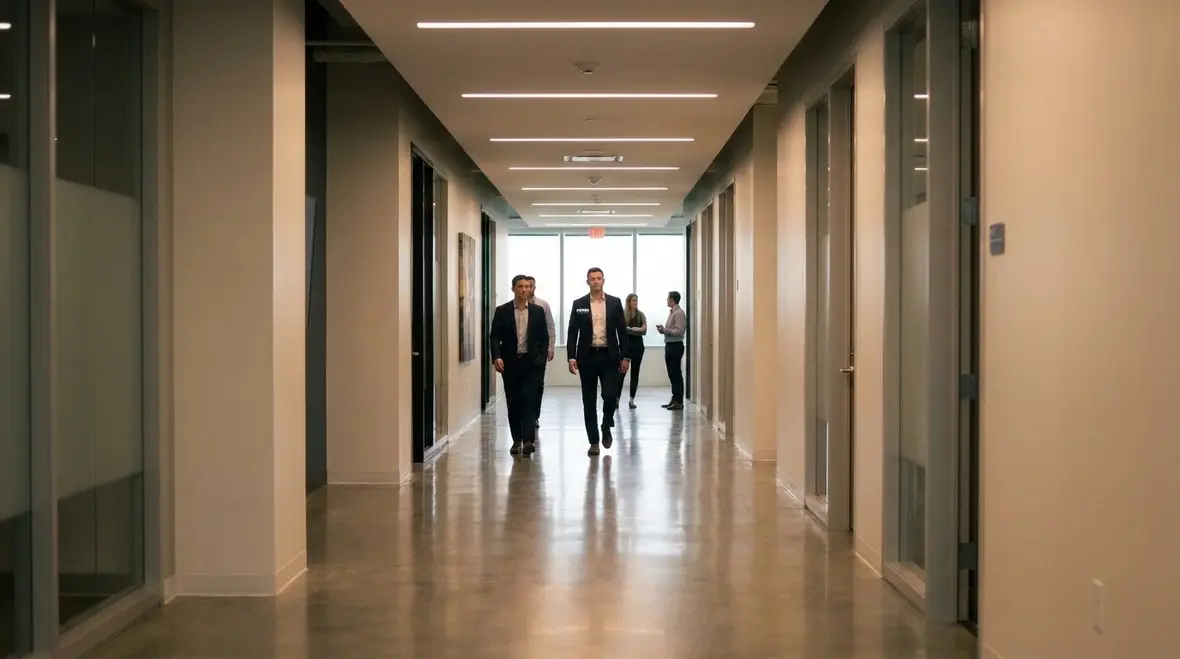
For offices and mixed use commercial buildings, we account for typical occupancy patterns: conference rooms, lobbies, training spaces, and restrooms. We also consider shift schedules, seasonal changes, and after hours events. Then we tune daylight response so spaces near windows stay comfortable without wasting power.
For major property buildings, we often coordinate across multiple tenants and floors. That can feel like directing a symphony with different musicians. However, when our expert service staff sets the schedule properly, zones stay consistent and operations stay calm. The building stops depending on memory, and it starts depending on a plan.
And yes, if someone asks whether the schedule can handle last minute changes, we tell them it can. It can also handle them better than a person with five alarms and no coffee.
Installation, testing, and expert support that keeps schedules accurate
A great schedule on paper still fails if the system does not measure correctly or respond reliably. So we take the setup seriously. First, our technicians review the site, check sensor placement, and confirm wiring and device performance. Then we define schedules by zone and function. After that, we test how lights respond during actual operating windows, not just in a quiet showroom.
Next, we adjust sensitivity levels and transition times so the lighting changes feel steady and professional. Finally, we train the right people on how the system works. We explain what the schedule controls, how occupancy and daylight influence results, and what staff should do if a zone needs a temporary override.
Because we serve commercial and industrial facilities and major property buildings, we keep documentation clear and maintenance friendly. Then your team can plan for upgrades with less downtime. Our goal stays simple: keep the system accurate, so the lighting behaves the way your operation expects.
If you want to go deeper on the benefits, our team often references the common advantages outlined in our blog on automated lighting control benefits for facilities, including how scheduling and automation reduce waste and support predictable lighting behavior.
Frequently asked questions
Real results with Kord Electric
If your commercial or industrial facility still runs lights by habit, you are paying for outdated control. With Kord Electric, we design and implement smart scheduling so lighting matches occupancy, daylight, and shift patterns. Our technicians test, tune, and document the system so it stays reliable as operations evolve. Ready to bring steadier comfort, lower waste, and better control to your building? Contact Kord Electric today, and let us build a schedule that actually fits your facility.
Many property teams also connect scheduling projects with broader electrical and lighting upgrades. If you are planning a larger refresh, it can help to review our dedicated lighting installation services for commercial and industrial facilities so fixture choices, controls, and code requirements all move together. And for owners managing portfolios or complex sites across the region, our Los Angeles County electrical services for commercial and industrial buildings bring those upgrades into a coordinated program instead of one-off projects.
However you start, the pattern stays the same: clear schedules, tuned sensors, and a building that finally stops arguing with its own light switches.