Electrical Panel Upgrades: When Commercial Buildings Need More Capacity
Commercial buildings run on steady, predictable power. When tenants add equipment, production lines grow, or new technology shows up in the server room, the electrical load climbs quickly. That is exactly when Electrical Panel Upgrades: When Commercial Buildings Need More Capacity move from “someday” to “we should look at this now.” In this guide, we walk through how to recognize capacity problems, what actually changes inside the building when you upgrade, and how Kord Electric approaches commercial and industrial panel work with clear planning instead of guesswork.
Throughout this article, we stay focused on real-world commercial and industrial environments: warehouses, office towers, manufacturing floors, medical office buildings, and other major properties throughout Los Angeles County and the region. These facilities cannot afford unpredictable power or mystery trips. They need systems that behave the same way on the busiest Monday as they do on a quiet weekend test.
When commercial power needs grow, we handle the upgrade
Commercial buildings live on steady electricity. And when tenants add equipment, production lines expand, or a property brings in new technology, the load climbs faster than most building managers can schedule. That is exactly when Electrical Panel Upgrades: When Commercial Buildings Need More Capacity become necessary. At Kord Electric, we support commercial and industrial facilities with upgrades that keep power reliable, protect equipment, and reduce the risk of nuisance trips and unsafe conditions. We also explain the “why” in plain language. So while others might talk like the manual is their best friend, our technicians explain the process like a calm conversation between professionals. Yes, electrical panels can be dramatic, but we keep them boring and predictable.
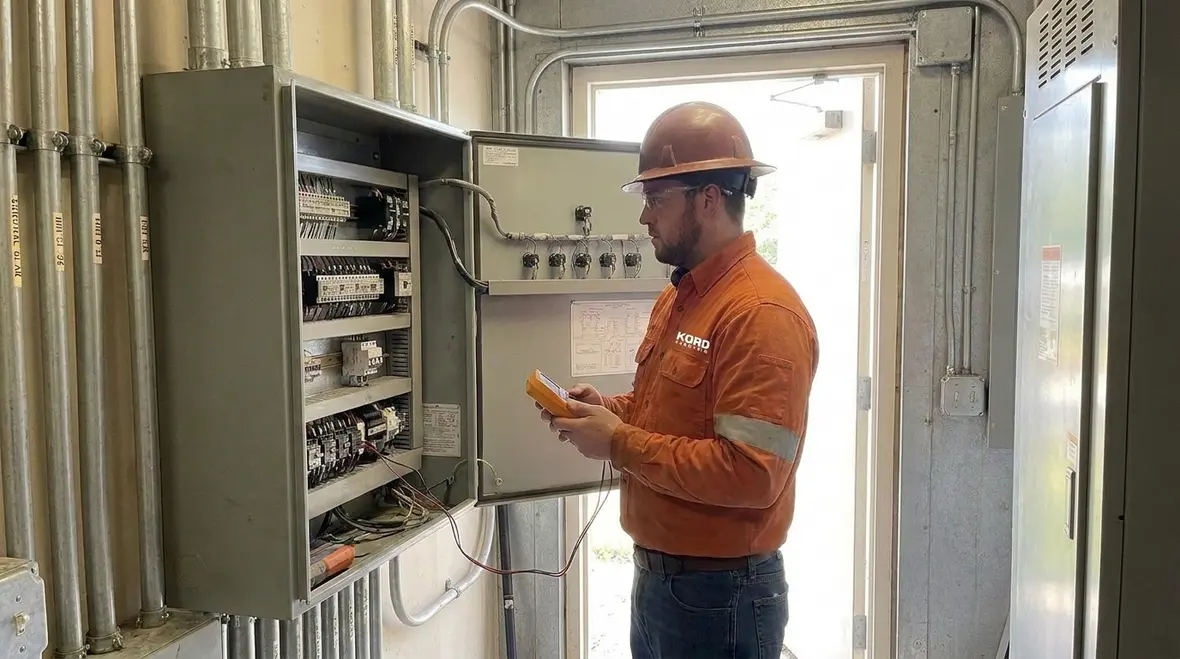
Behind every quiet, stable building is a panel that has enough capacity, enough space, and enough protection to support what the tenants actually do on site. That is the difference between an electrical system that “sort of works most days” and one that carries your operations comfortably, even when everything is running at once.
Signs that your building has outgrown its electrical panel
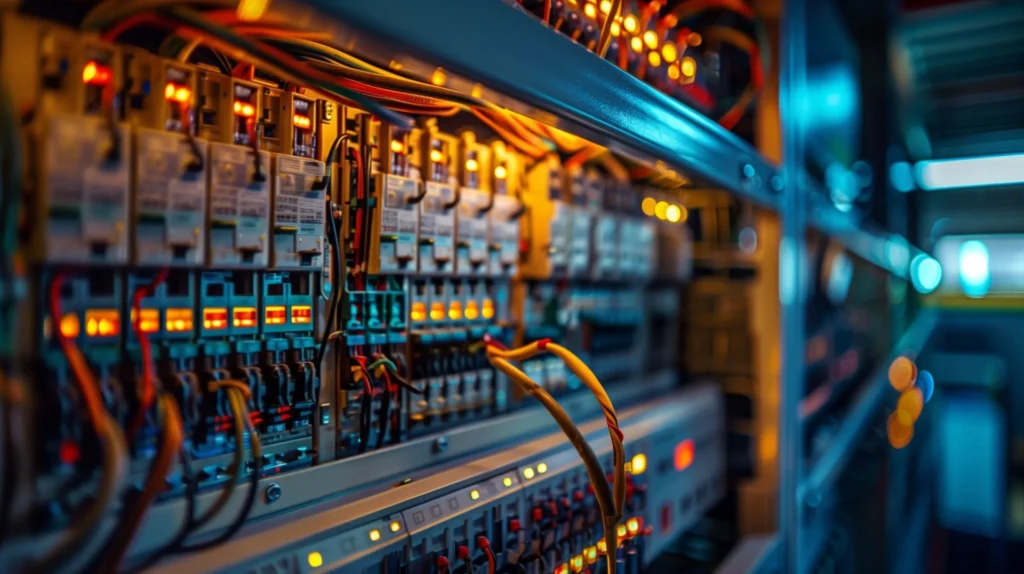
In most commercial and industrial settings, the first signs show up before a major failure. However, people often ignore early clues because they feel small. Meanwhile, the problem quietly grows. For example, if your facility experiences frequent breaker trips during normal operations, that tells us the panel is not keeping up with real demand. Likewise, if lights dim when large motors start, your distribution system may struggle to maintain voltage. Also, if you find scorching smells, discoloration around breakers, or loose connections at the enclosure, we treat that as a safety priority, not a “someday” task.
We also look at capacity and layout. When a panel runs out of space for new circuits, businesses often add adapters, stack breakers, or reroute loads in ways that raise risk. Furthermore, older commercial panels may lack modern protective features, and code requirements keep moving forward. As a result, we recommend evaluating whether the existing panelboard can support today’s loads and future growth.
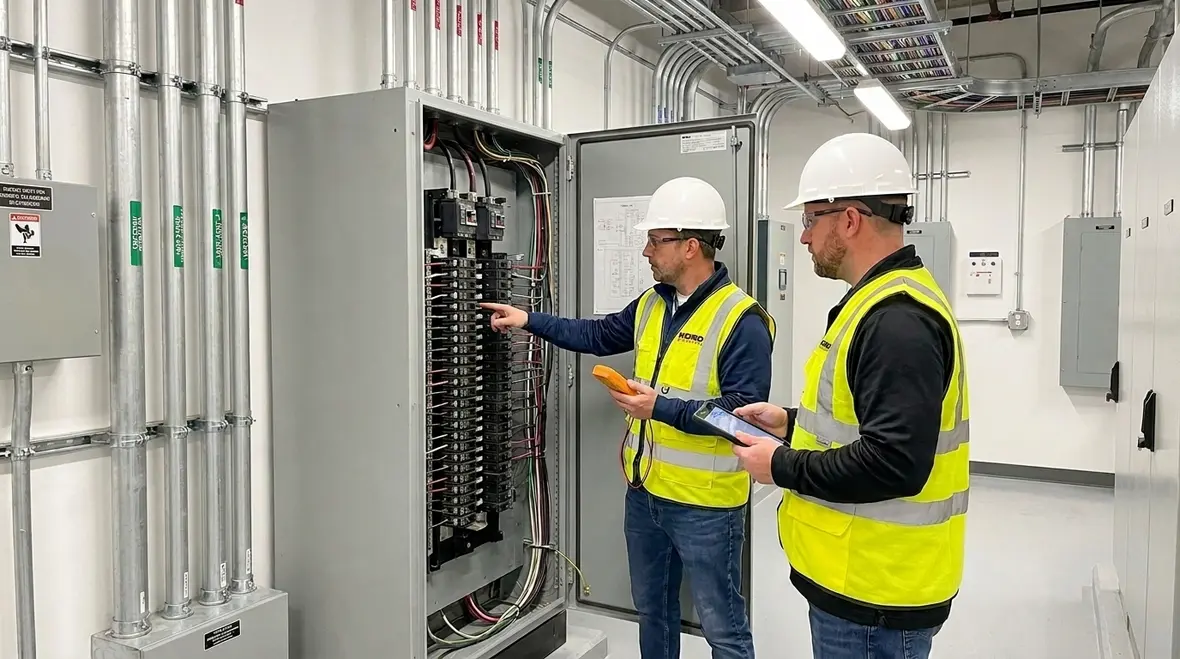
When Kord Electric performs an electrical panel upgrade inspection, we do not guess. We verify, measure, and document. Then we explain what we find so others can make decisions with confidence, not mystery.
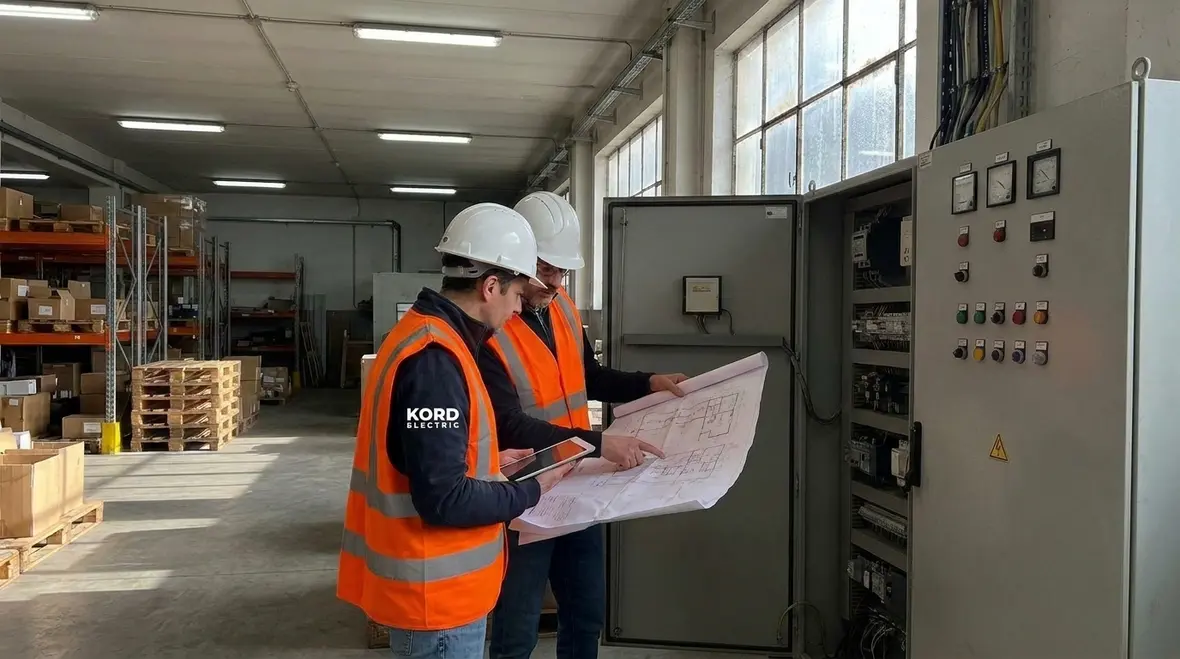
Alongside visible signs, the everyday experience of your operations team matters. If staff are constantly resetting breakers, avoiding certain outlets, or timing equipment so “too many things are not on at once,” the building is telling you something. It is easier and safer to address those hints with a structured evaluation than to wait for a failure that finally forces the issue.
Common red flags facility managers should not ignore
Breaker trips that coincide with normal production peaks or shift changes
Temporary extension cords or power strips filling in for missing circuits
Panels that are fully packed with no clear room for future circuits
Equipment vendors warning that the existing panel may not support new loads
Older panels that have not been reviewed since earlier code cycles or ownership changes
What an electrical panel upgrade actually changes inside the building
Many people imagine “panel upgrade” as a simple swap. In reality, we manage power distribution from the perspective of load, safety, and long term performance. First, we review the panel’s existing rating, number of spaces, bus structure condition, wiring method, and protective devices. Next, we examine how the facility currently uses electricity by circuit and area. Then we determine what the upgrade must handle: ongoing loads, startup surges, and new branch circuits tied to tenant improvements or equipment additions.
Depending on the site, Electrical Panel Upgrades: When Commercial Buildings Need More Capacity may involve upgrading the service equipment, replacing the main breaker, adding new distribution sections, or increasing available capacity for branch circuits. We may also install properly sized breakers, apply surge protection where it makes sense, and ensure labeling matches actual wiring so operations staff can troubleshoot quickly.
At this stage, our team focuses on the small details that protect big investments. For example, we ensure clearances meet requirements, torque connections correctly, and confirm the installation matches the facility’s electrical plan. In other words, we treat the upgrade like a system, not a part. And yes, we double check before we close anything up, because nobody wants an “oops” moment during the busiest shift.
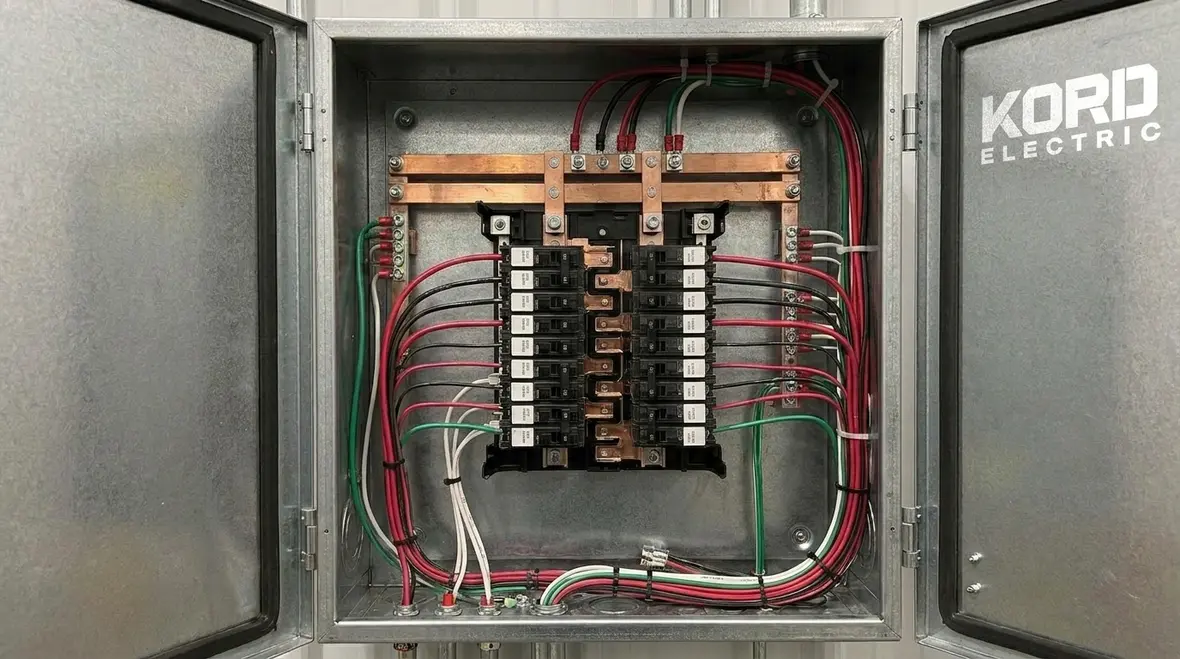
Practical improvements you can feel after a panel upgrade
Reduced nuisance trips during normal operations
Cleaner circuit organization that reflects real-world use
Room to add circuits for new equipment or tenant changes
Better protection coordination, so faults clear where they should
Clearer labeling that helps maintenance teams respond faster
How our team plans upgrades for commercial and industrial loads
At Kord Electric, we build upgrades around the reality of commercial and industrial use. After all, a restaurant, a warehouse, a manufacturing floor, and a multi tenant office have very different power habits. That is why we start with a site based assessment, then create a plan that matches the facility’s operation schedule.
First, our technicians collect details about current equipment, planned additions, and operational timing. Then we identify circuits that create peaks, such as HVAC compressors, refrigeration systems, pumps, welding loads, air compressors, and motor driven processes. After that, we evaluate how those loads will behave with the updated panel and distribution equipment.
Next, we coordinate the practical side: downtime expectations, access to the electrical room, and safety controls during installation. We also consider future flexibility. In commercial spaces, changes do not wait. Tenants expand, projects move forward, and technology upgrades show up unexpectedly. So we design the panel setup to support additional circuits without constant back and forth modifications.
Most importantly, our experts explain the plan clearly. We tell facility managers what we will do, why we will do it, and how we will verify it works. That way, others on site can stay focused on operations instead of guessing.
Coordinating panel work with broader facility projects
Panel upgrades rarely live in isolation. They often connect with tenant improvements, lighting retrofits, emergency power projects, or broader reliability initiatives. That is why many property teams coordinate capacity work with services outlined in Kord Electric’s Los Angeles County electrical services for commercial and industrial facilities, so troubleshooting, upgrades, and preventive maintenance all move in the same direction instead of fighting each other.
Panel selection and compliance, done the Kord Electric way
Choosing the right equipment matters. A panel upgrade that increases capacity on paper but fails in the field will create trouble later. That is why we help commercial and industrial property teams select the correct panel configuration, protective devices, and component ratings for their application.
We also follow the compliance path with care. While some contractors move fast and hope everything is fine, our technicians take the time to confirm the work meets the relevant standards for safe installation. We inspect wiring methods, verify conductor sizing, confirm breaker compatibility, and ensure the enclosure and labeling support day to day use. In addition, we confirm that the upgrade integrates smoothly with existing infrastructure so it does not create new weak points.
If you want to see how we handle electrical panel work at Kord Electric, the details are outlined in our Electrical Panels page, including our approach to panel systems and upgrade considerations: https://kordelectric.com/electric-panels/.
And yes, we keep explanations calm and clear. Electrical compliance is not a horror movie. It should feel like a steady checklist, not a jump scare.
Why panel upgrades pair well with power reliability audits
For many facilities, panel capacity issues show up first as reliability complaints: unexplained trips, sensitive equipment resets, or odd voltage behavior. Connecting Electrical Panel Upgrades: When Commercial Buildings Need More Capacity with structured power reliability audits gives property teams a clearer picture of what is happening across the system, not just inside one enclosure. That way, upgrades target real causes instead of guessing at symptoms.
Electrical Panel Upgrades: When Commercial Buildings Need More Capacity, and what it costs in risk
Upgrading a panel can feel like an expense on a busy budget. Yet the cost of inaction often arrives in the form of downtime, damaged equipment, and safety concerns. When a panel works at the edge of its ability, breakers trip more often. Then staff members stop treating trips as events and start treating them as routine, which increases the chance that a real fault stays hidden. Additionally, weak connections can heat up over time, and that is where serious damage begins.
Moreover, undersized distribution creates indirect costs. Motors may run less efficiently. Production schedules may slow due to repeated resets. Cooling equipment might not maintain stable temperature during peak loads. And when electrical problems stack up, it becomes harder to diagnose the root cause.
With Electrical Panel Upgrades: When Commercial Buildings Need More Capacity, we aim to lower those risks. We improve how the panel distributes power and how protective devices respond to faults and overloads. At the same time, we help the building handle growth with less drama. In other words, we reduce the chance that one day the facility acts like it is possessed by random breaker trips.
To keep decisions practical, our technicians explain what upgrades address and what they improve, so owners and managers can connect the technical work to business outcomes. That is how we keep commercial electrical upgrades grounded in reality.
Connecting panel upgrades with broader electrical services
When your commercial breaker keeps tripping or power problems keep coming back, panel work is one piece of a larger reliability strategy. Many teams combine upgrades with services like power troubleshooting, emergency power planning, or smart building energy management so the panel, distribution, and controls are all tuned together. Kord Electric’s Los Angeles County electrical services support that bigger picture, helping commercial and industrial facilities align capacity, protection, and long-term maintenance instead of treating each project as a one-off repair.
Frequently asked questions about upgrading commercial electrical panels
Facility leaders, operations staff, and property managers tend to ask similar questions when they first consider Electrical Panel Upgrades: When Commercial Buildings Need More Capacity. Here are clear, practical answers that keep the focus on real-world decisions instead of jargon.
Get a calm, professional panel plan from Kord Electric
If your facility is growing, modernizing, or experiencing nuisance trips, Kord Electric helps you act before the problem turns into downtime. Our technicians evaluate capacity, recommend the right upgrade path, and explain each step in clear, business friendly terms. We focus on commercial, industrial, and major property buildings, where safe power distribution matters most.
Electrical Panel Upgrades: When Commercial Buildings Need More Capacity do more than swap out hardware. They create breathing room for your tenants, protect equipment, and support the projects you still have on the horizon. When you are planning upgrades across several locations or coordinating with other system improvements, our broader service offerings for Los Angeles County electrical services help align panel capacity, emergency power, lighting, and facility reliability into one practical roadmap instead of a patchwork of individual fixes.
Contact Kord Electric today to schedule an electrical panel assessment and get a plan built for your load, your schedule, and your next phase of growth.
To explore how we handle related systems and distribution upgrades, you can also review our dedicated service information in addition to the focused Electrical Panels page. Together, these resources show how Kord Electric supports commercial and industrial facilities with upgrades that favor stability, safety, and long-term performance over quick, short-lived fixes.