
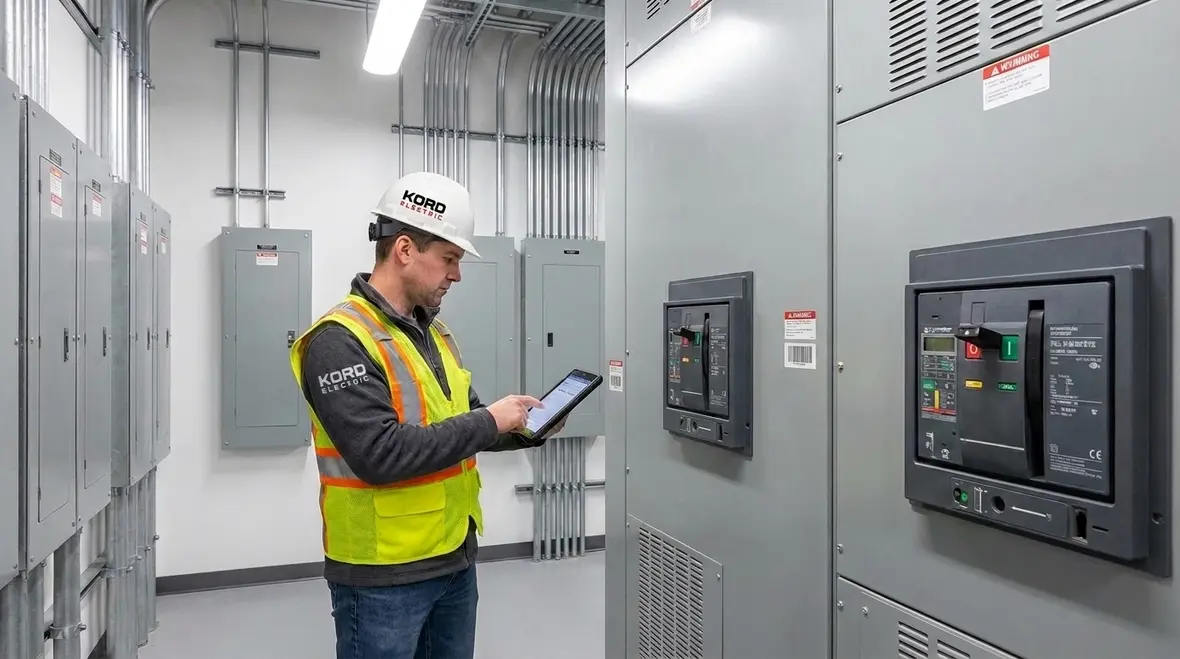
Electrical Asset Management Systems for Commercial Facilities
At Kord Electric, we support commercial and industrial facilities with Electrical Asset Management Systems for Commercial Facilities that help owners protect uptime, control risk, and make smarter maintenance decisions. We also make sure the system stays practical in the real world, where data meets switchgear rooms, panel schedules, and the human reality of “who last touched this?” Now, in this guide we will walk through how these Electrical Asset Management Systems for Commercial Facilities work, what we track, and how our technicians explain the process in plain language so your team can actually use it. And yes, we will keep it calmer than the last time someone said, “It’s probably nothing.”
What electrical asset management really means for commercial sites
Electrical asset management is not just a spreadsheet with big numbers and bigger gaps. It is a structured way to identify every meaningful electrical component, link it to location and documentation, and then guide work using maintenance history and risk. In commercial and industrial facilities, the electrical system touches safety, production, tenant comfort, and regulatory compliance. Therefore, we treat assets like mission critical equipment, not like background décor.
When others try to manage electrical assets informally, they often rely on memory, one long time electrician’s instincts, or the “we will check it later” approach. That approach usually works until it does not, and then everyone suddenly remembers that later was not a plan. Our expert service staff steps in early to map the system and define what “good” looks like for your site.
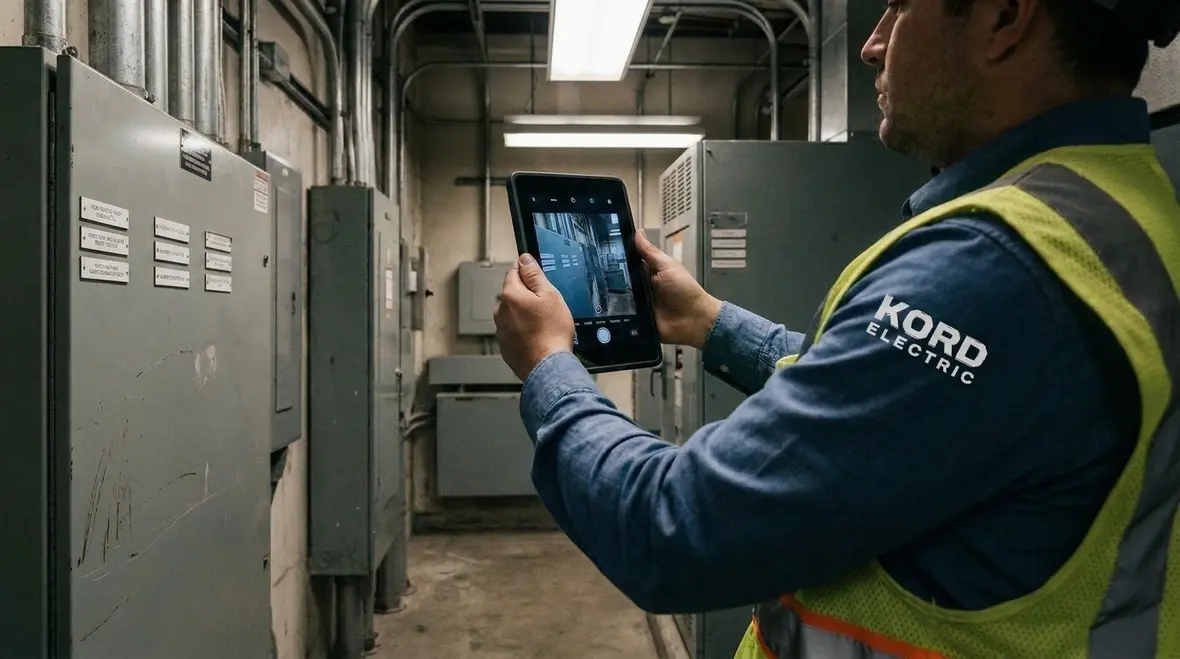
If your facility team is already wrestling with panel schedules, distribution equipment, and documentation gaps, you may also find it helpful to review how we approach Electrical Distribution Equipment Data Management for Commercial Facilities, because strong asset management and clean distribution data go hand in hand throughout the life of a commercial site.
How Electrical Asset Management Systems work in day to day operations
We design Electrical Asset Management Systems for Commercial Facilities around real workflows: inspection routes, work order approvals, equipment history, and documentation updates. First, we gather asset data such as equipment type, ratings, serial numbers, installation dates, and drawings. Next, we connect each asset to a location so your team can find it fast. Then we build maintenance logic that makes sense for how the equipment behaves over time.
At this stage, our technicians explain the system in a way that removes mystery. They show what data fields matter, why certain tags link to specific documents, and how maintenance plans tie to operating conditions. As a result, your team gets a system that supports decisions, not just storage.
From there, the platform supports scheduling and tracking: planned work, completed work, findings, and corrective actions. Additionally, it helps teams spot patterns, like repeat issues after the same component type is serviced, or a specific area that needs deeper attention. Think of it like giving your electrical department a steady brain instead of a frantic group chat.
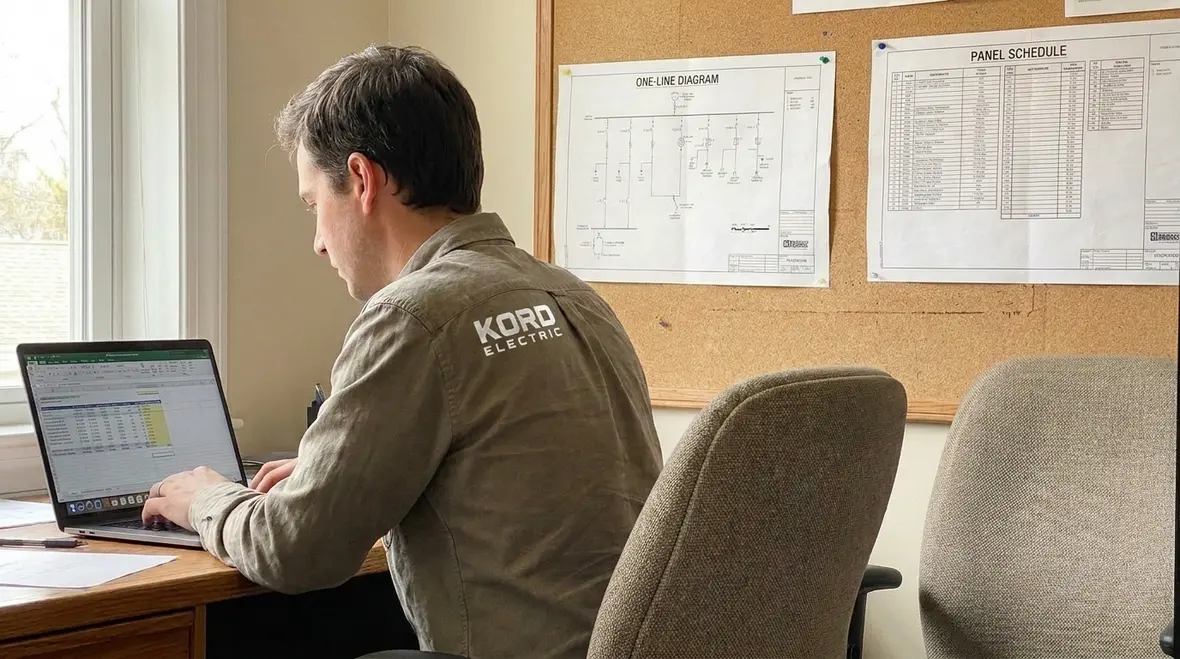
For facilities that want this day to day structure tied directly into bigger planning and project decisions, our electrical system asset management guide walks through how asset data, maintenance records, and budget strategy all connect so you can plan upgrades and replacements with fewer surprises.
Asset data that actually holds up under audits and shutdowns
In commercial and industrial buildings, documentation matters during audits and during outages. However, most problems start earlier, when asset data is incomplete. If a facility cannot prove the last maintenance, fails to show the latest test results, or cannot identify what exactly failed, decisions get expensive and slow.
So we focus on data quality. We capture asset identifiers, nameplate details, and how each item connects to the electrical one line and panel schedules. Then we verify links to drawings and manuals. We also encourage teams to record condition information from inspections, not just the fact that “work happened.”
To keep things simple, our experts guide your staff through a practical process. They show how to standardize naming conventions, how to keep change notes when upgrades occur, and how to avoid the common trap of duplicate records. Because a clean asset record saves time later, especially when someone is trying to find the right breaker, the right label, and the right instruction sheet during a time critical event.
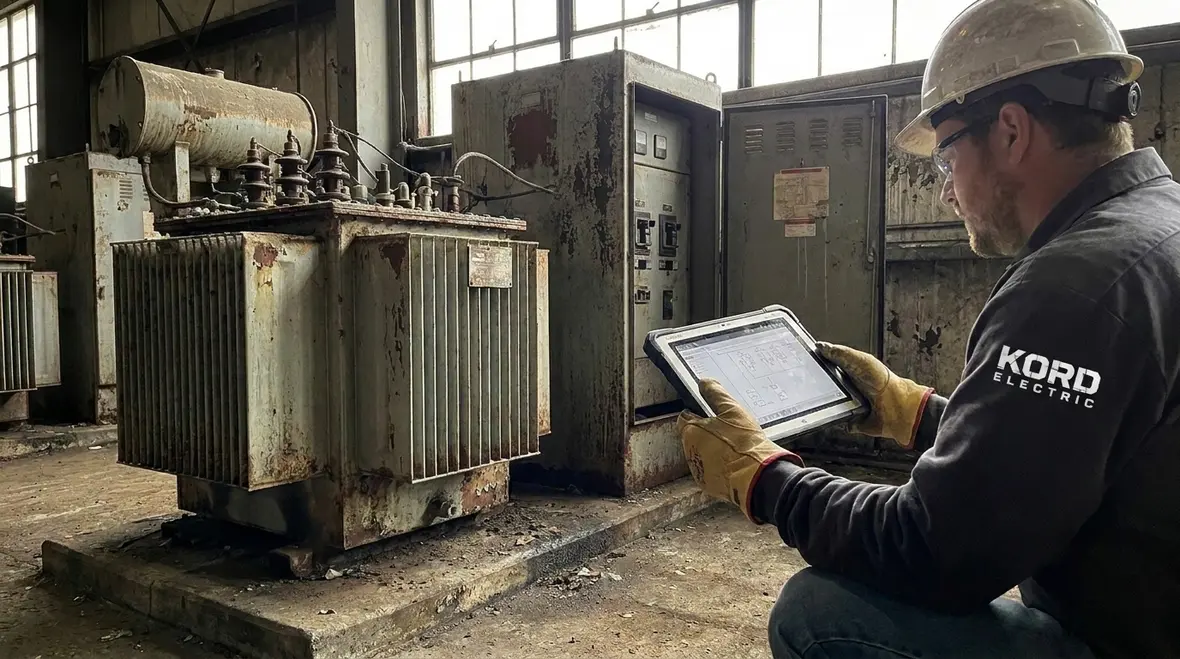
For teams that want to go deeper on how distribution equipment records, testing results, and documentation standards come together, our article on Electrical Distribution Equipment Data Management for Commercial Facilities pairs neatly with the asset management framework in this guide.
Risk based maintenance for electrical gear and distribution
Many facilities schedule maintenance because a calendar tells them to. We still believe calendars matter, but we also add risk based maintenance so work targets what matters most. Electrical asset management uses factors like criticality, failure history, operating environment, and safety impact to prioritize tasks.
For example, a feeder serving essential loads deserves more attention than a non critical circuit. Similarly, equipment in harsher conditions, such as areas with heat, dust, moisture, or vibration, often needs a tighter inspection window. Then we refine schedules using real data from testing and maintenance findings.
Our technicians help explain risk scoring in plain terms. They do not hide behind fancy jargon. Instead, they walk through why certain tests support better decisions and how findings translate into next actions. This is where the system earns its keep, because you stop treating every component like it has the same risk profile. It is like managing vehicles: you do not maintain a spare bicycle the same way you maintain a fleet bus that carries people every day.

When you are ready to translate that risk based view into concrete project planning and budgeting, our Electrical System Asset Management Guide shows how disciplined risk scoring, lifecycle planning, and upgrade timing all support long term reliability.
Integrating maintenance history, work orders, and compliance evidence
Electrical problems do not repeat for no reason. When we connect maintenance history to assets, your team can learn from the past instead of reenacting it. Electrical Asset Management Systems for Commercial Facilities often include work order records, inspection notes, and corrective actions, then link everything back to the asset.
That linking creates a trail that supports internal reviews and third party expectations. It also helps managers plan staffing and material needs based on actual patterns rather than guesswork. Over time, you can see which equipment types create recurring issues, which locations face higher wear, and which service actions reduce failures.
Additionally, integration prevents “lost context.” When contractors come and go, the system keeps the story. It shows what happened, what was found, what was changed, and when it will likely need follow up. Our expert service staff emphasizes consistent data entry because it protects your future decisions. In other words, we help you build a memory that does not forget.
Field tags, locations, and labeling that reduce trouble on site
Even the best software fails if the field cannot connect to it. Therefore, we support a practical approach to labeling and asset identification across commercial and industrial properties. Field tags tie to records, and records tie to drawings and documentation. Then your technicians can locate assets quickly and confirm they are working on the right item.
Our team guides the labeling strategy so it stays clear and durable. We align tags with a consistent naming system, confirm location details, and help teams avoid mixups between similar equipment. We also encourage using photos and notes where appropriate, so when questions come up later, the evidence exists at the click of a button.
Yes, labels can be boring. But boring keeps lights on. If you have ever watched someone chase the wrong cabinet in a rush, you already understand this philosophy.
FAQ for electrical asset management systems
Facility leaders often ask similar questions when they first explore Electrical Asset Management Systems for Commercial Facilities, especially when they are moving from scattered spreadsheets and notes to a structured platform. We have gathered the most common points below so you can see how the approach works in practice, not just in theory.
Why Kord Electric builds these systems for real commercial and industrial life
When others treat electrical asset management like a one time data project, the effort fades after the first round of updates. Kord Electric takes a longer view. We build systems that keep working because our technicians understand both the equipment and the decision cycle around it. Then we help your teams use the information for planning, scheduling, and evidence that stands up.
Moreover, we respect that commercial and industrial facilities run on schedules that cannot pause for training sessions. So we guide adoption carefully and keep the approach steady and clear. We would rather help you prevent the problem than explain the problem later. That is not just a philosophy, it is how we protect your uptime.
For leaders responsible for multiple buildings or high stakes operations, Electrical Asset Management Systems for Commercial Facilities fit naturally beside broader reliability efforts, from power redundancy and emergency power design to data driven electrical planning. And when you need a partner who can support both strategy and field execution in one relationship, our regional Los Angeles County electrical services team can integrate asset management, preventive maintenance, and project work into a single, coherent program.
Ready to upgrade electrical reliability with a smarter plan
If your facility carries the weight of complex electrical systems, you deserve asset management that improves decisions, not just paperwork. Kord Electric can help you set up and refine Electrical Asset Management Systems for Commercial Facilities, connect assets to documentation, and support risk based maintenance that your team can trust.
Our technicians and expert service staff work alongside your team so the platform reflects real field conditions, not wishful thinking. We tie asset records to single line diagrams, panel schedules, inspection notes, and test results, then help you use that information when it matters most: during capital planning, audits, and outages. Over time, the system turns into a calm, reliable voice that keeps projects on track and surprises to a minimum.
If you are ready to move from reactive firefighting to a calmer, more predictable maintenance plan, we can align asset records, risk based priorities, and project planning into one Electrical Asset Management Systems for Commercial Facilities approach. Contact us today to discuss your facility priorities and the rollout path that fits your operations. Let us turn uncertainty into a calm, consistent maintenance plan that your team can actually follow.


