Electrical Asset Reliability Testing: Methods, Benefits & Best Practices
Electrical Asset Reliability Testing: Methods, Benefits & Best Practices is how we keep power equipment dependable for commercial and industrial facilities and major property buildings. In simple terms, we test electrical assets before problems turn into downtime, risk, or expensive repairs. At Kord Electric, our approach blends field experience, smart measurement, and clear reporting. In the rest of this article, we walk through the methods we use, the benefits you can expect, and best practices that keep testing practical and repeatable. And yes, we also explain it in plain language, because nobody wants to decode a report like it is a secret agent briefing. Others may treat reliability testing like a checkbox, but we treat it like protecting your operations, your people, and your budget.
Why electrical reliability testing protects C and I operations
In commercial and industrial settings, electricity does not just power lights. It powers production lines, pumps, HVAC systems, controls, communications, and safety systems. Therefore, when an electrical asset drifts out of health, the failure does not stay quiet. It shows up as nuisance trips, degraded performance, or sudden outages. Even worse, critical moments rarely happen on your schedule.
That is why we start with a clear reliability goal. We want your switchgear, transformers, feeders, motors, cables, and protection gear to behave within expected limits, not “somewhere near good enough.” Transitioning from guesswork to Electrical Asset Reliability Testing: Methods, Benefits & Best Practices gives you a fact-based foundation for maintenance and capital planning.
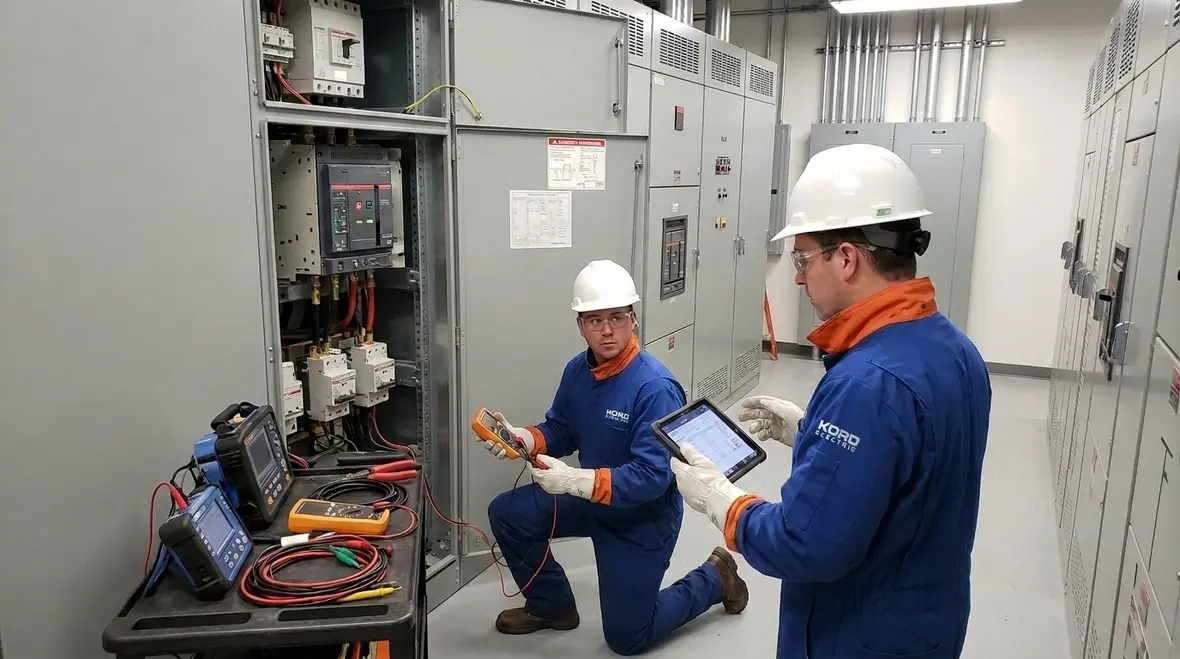
Our technicians and expert service staff explain the “why” behind each test step, so facility leaders do not feel like they are listening through a wall. And if they ask, we do not dodge. We break down findings, typical failure modes, and what we recommend next. After all, if you can plan dinner, you can plan testing.

What we test and how we build a reliability plan
Electrical asset reliability testing works best when we treat it like a system, not a series of disconnected tasks. First, we gather operating context. Then we match test methods to asset type, history, and criticality. Finally, we define acceptance criteria and a follow up rhythm.
For major property buildings and C and I facilities, we typically focus on the gear that often drives risk. That includes electrical distribution equipment, switchboards, switchgear, transformers, grounding systems, buswork connections, cables, and motor power components. We also consider the protection layer, because protective devices should trip when they must and remain stable when they should not.
Next, we map the testing into your maintenance cycle. We coordinate so the work does not fight your operations. Additionally, we use results to decide whether we schedule targeted repairs, plan replacement, or simply increase monitoring frequency.
And here is a practical point: a reliability plan should answer what you will do with results. If the plan cannot turn data into action, it becomes a fancy binder that collects dust. Others do that. We do not. Our team walks through the report and the recommended path, step by step.
If you are building a broader power reliability strategy for high-uptime environments, it can also help to connect your testing program with overall distribution design and commissioning practices. Resources like Kord Electric’s guide on data center electrical distribution design for reliability show how coordinated protection, commissioning, and testing work together to protect uptime across commercial and industrial sites.
Electrical Asset Reliability Testing: Methods, Benefits & Best Practices in the field
We use a set of proven tests, each one designed to spot different kinds of problems. However, we do not test everything the same way. Instead, we select methods based on asset design, age, load, and known failure patterns. Over time, that targeted approach improves decision quality and reduces repeat failures.
Condition assessment for insulation and thermal health
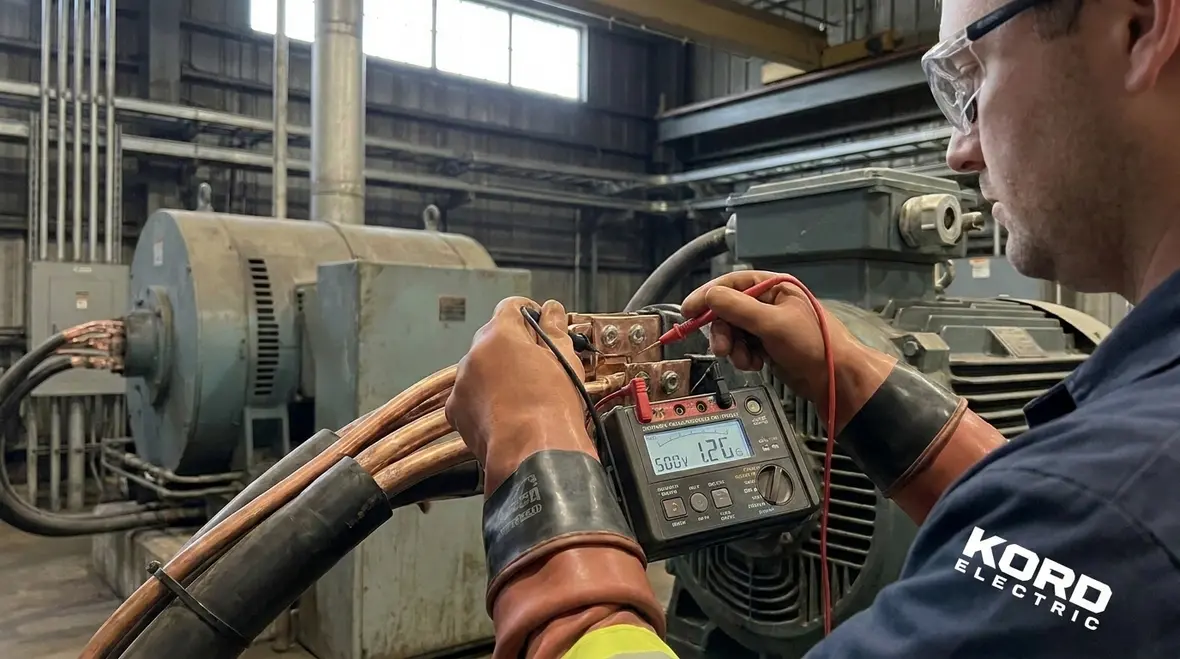
Many failures come from insulation breakdown, moisture ingress, or aging. So, we examine insulation systems with methods like insulation resistance testing and related evaluations that show how equipment insulation holds up under stress. Additionally, where applicable, we support thermal and operational checks that reveal overheating patterns tied to load, connection issues, or uneven performance.
Power quality and protection performance
Unstable voltage, harmonic distortion, or inconsistent power quality can wear down equipment and confuse protection behavior. Therefore, we may include power quality trending and checks aligned with your distribution architecture. Then we verify that protective devices work as intended, so the system isolates faults without causing unnecessary downtime.
Our expert service staff explains what the data means in everyday terms. So, if the report says something looks off, you understand how that “off” translates into risk for your building or plant. In other words, we do not hand you a mystery novel and call it engineering.

Mechanical and connection integrity checks
Electrical failures often start at connections. Loose or degraded interfaces can create hot spots and arcing, even if the asset passes basic visual inspections. As a result, we perform targeted assessments like contact and connection condition evaluations where appropriate, and we support verification steps that help confirm mechanical integrity.
Then we connect the dots between test outcomes and likely causes. Transition words matter here because the story matters. If we see signs of connection stress, we talk through where it typically shows up, what it can lead to, and what corrective actions we recommend.
For facilities that experience frequent nuisance trips or unexplained power blips, pairing these connection checks with structured electrical troubleshooting can be especially valuable. A reliability program that includes targeted testing, like the methods Kord Electric uses in its commercial electrical troubleshooting work, helps separate cause from symptom and reduces the chance that the same issue returns on the next busy day.
Reliability testing reduces downtime and improves safety
When we run Electrical Asset Reliability Testing: Methods, Benefits & Best Practices the right way, the benefits show up in reliability, safety, and cost. First, we detect issues early, before they become failures that stop operations. Second, we reduce emergency repairs, which usually arrive with higher labor costs and less flexibility. Third, we protect people by lowering the odds of arc events and unsafe conditions.
Most importantly, reliability testing improves planning. Instead of reacting to the loudest symptom, others can make decisions based on asset condition and trend. For facility teams, that means fewer “surprise” outages and less scrambling that feels like trying to find a missing TV remote in a dark house.
We also help you prioritize. Not every asset needs the same attention at the same time. Therefore, we rank findings by criticality, potential impact, and urgency. Our team then aligns recommendations with your operational realities, so you spend money where it matters most.
And yes, we respect the fact that commercial and industrial facilities live on schedules. We plan test work to limit disruptions. We communicate clearly, so you know what we will do, what we need from your team, and what results you can expect.

In many critical facilities, this kind of program-level reliability testing pairs well with structured load testing and emergency power planning. When the same team that runs your reliability tests also understands commercial load testing for safety and emergency power for business continuity, the result is a more complete picture of how your system behaves under both everyday and worst-case conditions.
How we choose test frequency and manage results over time
Reliability testing is not a one-time event. Equipment changes. Loads shift. Environments vary. Therefore, we set test frequency based on asset criticality, operating stress, past performance, and manufacturer guidance. We also adjust intervals when results show a change in health.
To manage results well, we create a baseline and then track trends. That trend view beats single snapshot tests, because it shows whether an asset is stable, improving, or slowly drifting toward trouble. Over time, trends help you catch problems before they become obvious.
Next, we organize findings in a way that supports maintenance decisions. We translate measurements into operational implications. Then we recommend follow up actions that fit within realistic budgets and downtime constraints.
Our technicians and expert service staff also support what comes after the test. If a corrective action is needed, we help define the scope and confirm completion. If additional monitoring is appropriate, we propose the next step. In short, we do not just collect data. We help you manage reliability as a living program.
For organizations that manage critical infrastructure, tying this ongoing reliability testing into an electrical preventive maintenance plan helps keep work predictable instead of reactive. Structured programs that combine inspection, testing, and targeted repairs regularly can dramatically reduce downtime and support long-term asset planning.
Best practices for critical infrastructure electrical reliability testing
Some facilities treat testing as a ritual, like a seasonal tune-up. Others treat it like a fire drill. We treat it like an engineering routine with business value. Based on the approach we use in our reliability program for critical infrastructure electrical reliability testing, we follow a practical set of best practices that keeps outcomes clear and defensible.
Best practice
Plan testing around asset criticality and operating risk.
Use targeted methods matched to equipment type and known failure modes.
Set clear acceptance criteria and document assumptions.
Communicate results in business terms, not only technical language.
How Kord Electric applies it
We build a reliability plan that respects C and I schedules and downtime limits.
Our technicians select appropriate test methods for each asset and context.
We report findings with next steps and follow up timing guidance.
Our expert service staff explains what the results mean and what to do next.
In critical infrastructure, these best practices also support broader uptime goals. When reliability testing aligns with resilient distribution design, emergency power strategy, and clear operating procedures, electrical systems are more likely to behave as intended during faults, transfers, and maintenance events.
If your facility operates in Los Angeles County and you want these best practices backed by a field-tested team, partnering with a provider that specializes in Los Angeles County electrical services for commercial and industrial facilities helps ensure testing, upgrades, and maintenance all follow a consistent, code-compliant approach.
FAQ
Next steps with Kord Electric
If your commercial or industrial facility runs on electricity, reliability is not optional. Kord Electric helps you move from reactive maintenance to Electrical Asset Reliability Testing: Methods, Benefits & Best Practices with clear methods, practical reporting, and follow up guidance your team can use. Our technicians and expert service staff explain findings in plain terms, then support the next action with confidence. Reach out today for an assessment and a reliability testing plan that fits your schedule and your risk level. Let us help you prevent the kind of outage that ruins the day and the spreadsheet.
As you plan your next steps, consider how reliability testing can integrate with broader electrical services like upgrades, preventive maintenance, and emergency power improvements. When all of these efforts align under a coordinated strategy with a single, experienced provider, your facility gains a clearer path from today’s conditions to the uptime performance you actually need.
Whether you are troubleshooting recurring issues, planning upgrades for critical infrastructure, or refining your long-term asset strategy, Kord Electric can help you turn Electrical Asset Reliability Testing: Methods, Benefits & Best Practices into a repeatable program that supports safety, uptime, and budget control across your entire electrical system.