Warehouse Power Distribution Engineering Design Capacity Safety
Warehouse Power Distribution Engineering: Design, Capacity & Safety that keeps operations stable
Kord Electric builds Warehouse Power Distribution Engineering: Design, Capacity & Safety into the real world of commercial and industrial facilities, and we do it because warehouses do not run on guesswork. They run on uptime. In our work, we design power paths that support conveyors, lighting, HVAC, dock equipment, chargers, and the steady hum of a facility that never really “turns off.” Then we make sure the system stays safe under normal conditions and during abnormal moments, too.
Along the way, our experienced technicians and expert service staff explain what we are doing and why it matters. We keep the language clear, and yes, we sometimes say things like, “No, that breaker is not a suggestion.” But seriously, a well planned distribution system means fewer surprises, calmer operations, and fewer late night calls that start with, “Hey, do you have a minute?”
Why warehouse power distribution fails when planning is rushed
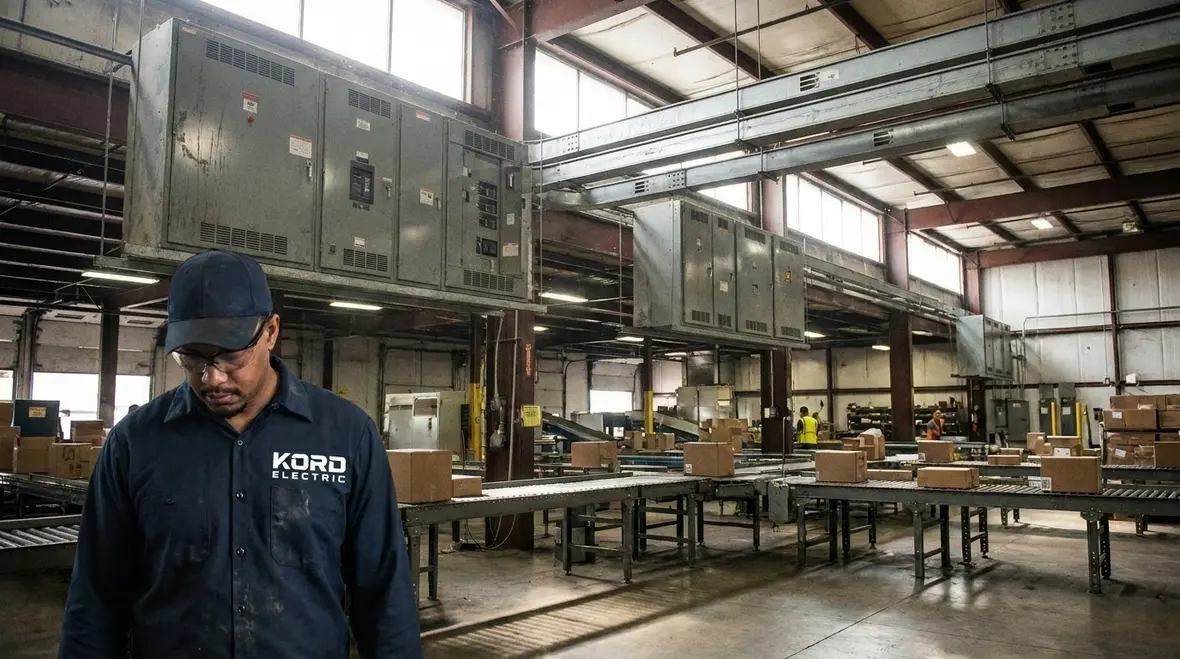
In many industrial buildings, the electrical system grows faster than the engineering documents. However, the most common problems do not show up on day one. Instead, they build over time, like a Netflix queue no one asked for. Faults, voltage drop, nuisance tripping, and overheating often show up when load profiles shift from day to night, from seasonal changes, or after equipment upgrades.
First, warehouses tend to add “just one more” line, one more motor, one more rack of lighting, or one more charging station. Then, the design team may not fully account for harmonics, starting current, and how different loads interact. As a result, equipment runs hotter than it should, conductors age faster, and protection devices behave in ways that do not match the intended settings.
Finally, safety can get compromised when labeling is unclear or when distribution gear lacks proper coordination. Therefore, Kord Electric focuses on a design approach that treats the warehouse as one system, not a set of disconnected panels. Our technicians explain the risk points clearly so facility managers can make confident decisions without needing a power engineering degree.
Designing power distribution for real warehouse loads
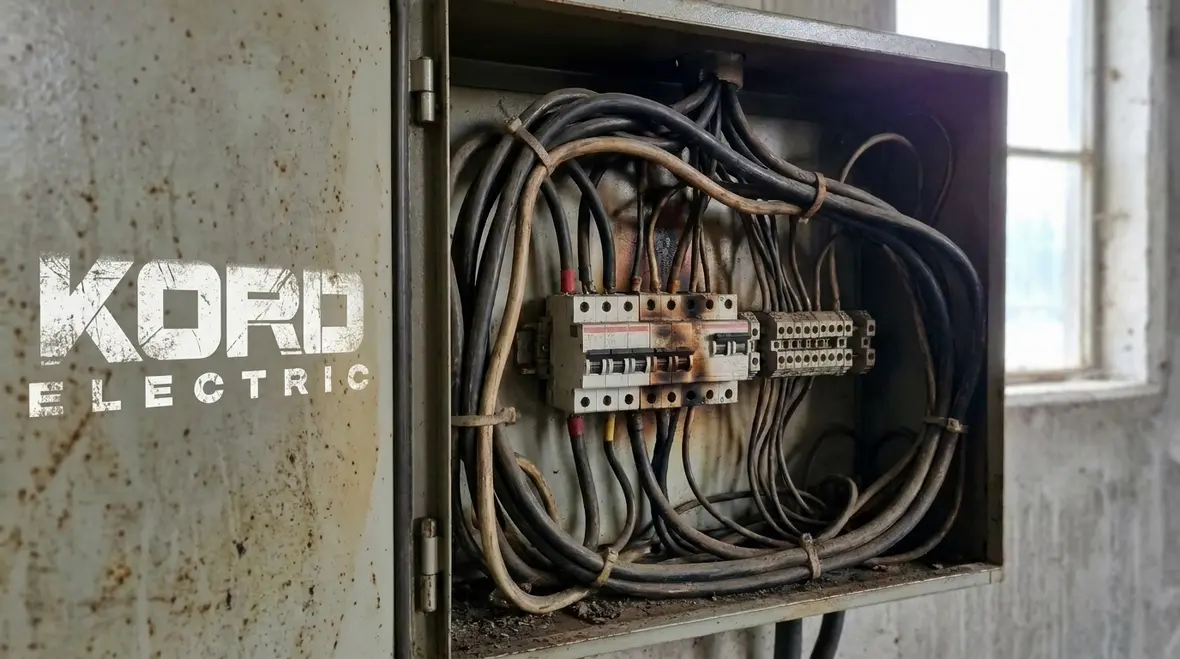
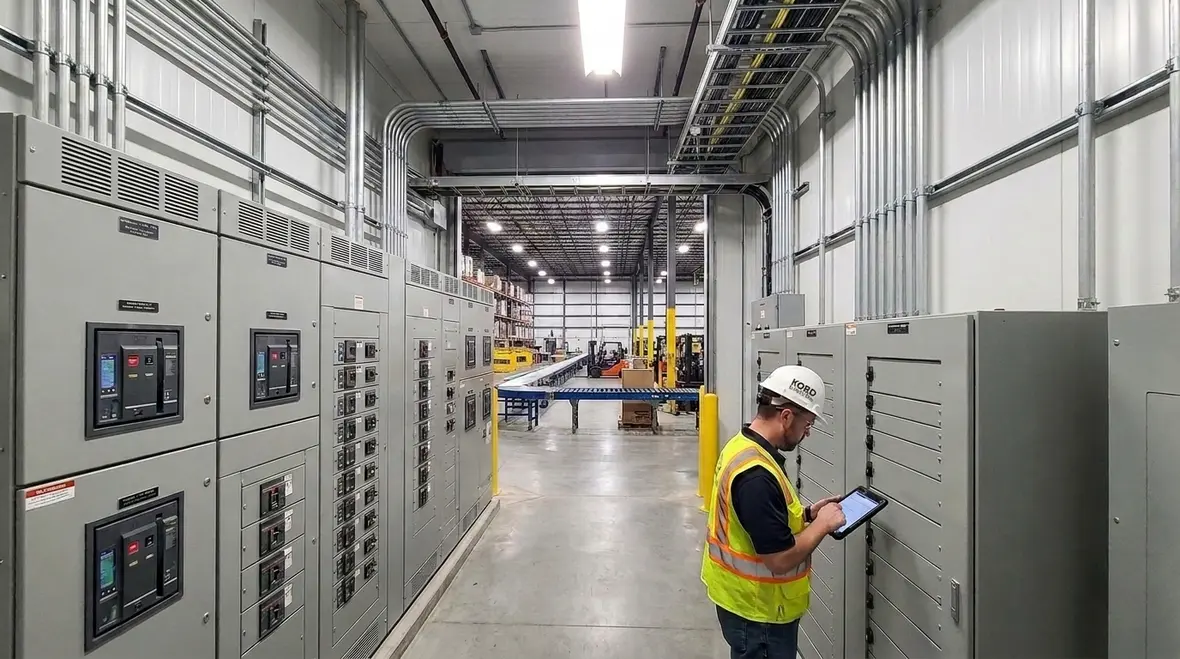
When we design warehouse power distribution for commercial and industrial facilities, we start with load reality, not theory. We collect information on motors, lighting zones, HVAC, dock equipment, compressed air systems, and any process driven loads. Then we map those loads to circuits and switchgear sections in a way that supports operational flow.
For example, motor loads demand careful attention. We analyze starting current and motor acceleration profiles so protective devices can handle inrush without creating unwanted trips. At the same time, we plan for steady state current so cables and busway operate within safe temperature rises.
Lighting is another major factor. Instead of treating it as a simple on off load, we plan lighting groups based on occupancy patterns, daylighting, and dimming schedules where applicable. Additionally, if the facility uses high efficiency drivers or LED retrofits, we consider harmonic contributions and check compatibility with existing power equipment.
We also coordinate power for specialty equipment such as forklift chargers, palletizers, automated guided vehicles, and dock chargers. In that world, “small” loads can turn into large loads quickly, especially when many chargers start around the same time after shifts. Therefore, we design load staggering and distribution strategies that keep demand under control.
And yes, if someone tells us, “We will figure out the loads later,” we respond calmly that later has a way of arriving with smoke and paperwork. Then we move forward with documented, engineering based assumptions.
For facility teams comparing options, this kind of Warehouse Power Distribution Engineering: Design, Capacity & Safety aligns closely with the structured, reliability focused methods we share in our advanced power distribution for warehouse efficiency guide, where we dig deeper into how metering, segmentation, and coordination improve real world warehouse uptime.
Capacity planning that avoids overbuilt or underbuilt systems
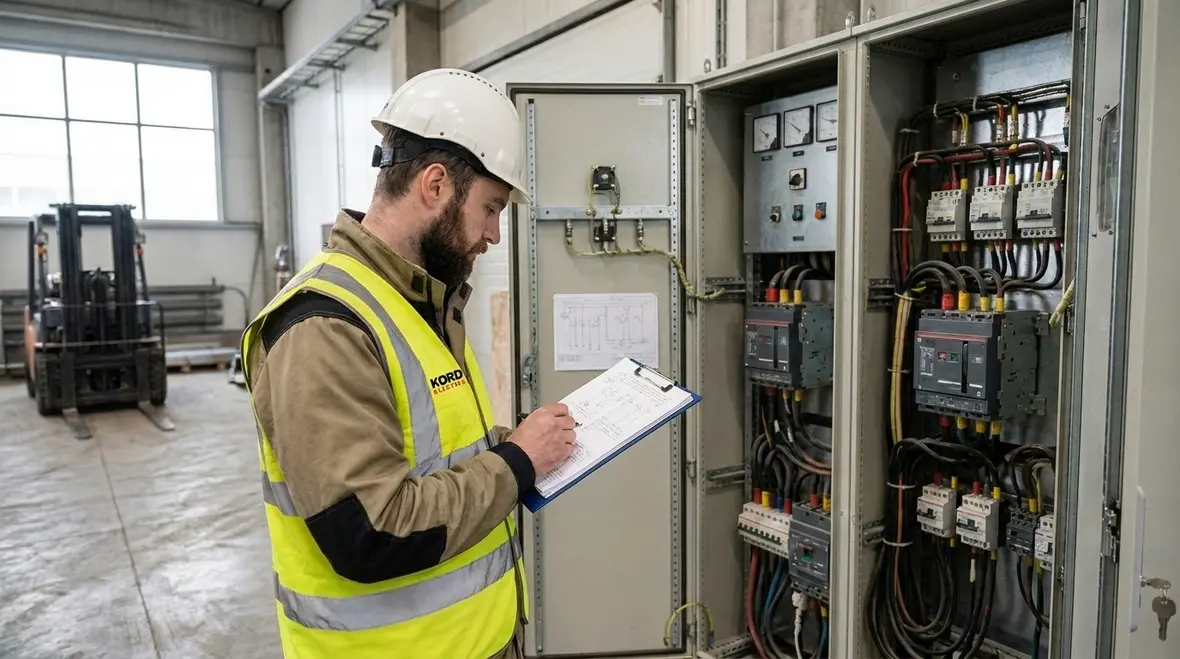
Capacity errors cost money in two directions. Underbuilding leads to voltage drop, overheating, and frequent protection events. Overbuilding increases upfront capital expense, and it can also create issues with equipment efficiency and operating strategy. So, we plan capacity the way smart owners like it: with clear numbers, clear margins, and clear reasoning.
First, we calculate expected demand and growth. We do not only look at nameplate ratings; we review duty cycles, run patterns, and likely future additions tied to tenant plans, expansion phases, and technology upgrades. Then we evaluate how the distribution network handles peak demand while still supporting normal operations with safe voltage levels.
Next, we review short circuit current levels and equipment interrupt ratings. We make sure the gear can safely interrupt faults without damage that later becomes a reliability problem. After that, we select conductor sizes and bus configurations that match the current load and thermal requirements.
We also validate design assumptions with coordination studies. That means we align upstream and downstream protective devices so faults clear quickly and selectively. As a result, a problem at one area does not take out the entire warehouse, which helps keep operations moving like a well tuned supply chain.
Our expert service staff then walks clients through the design choices in plain language. They explain how capacity, protection, and voltage performance work together, so others in the facility leadership team can approve changes confidently.
Safety and protection coordination that keeps failures contained
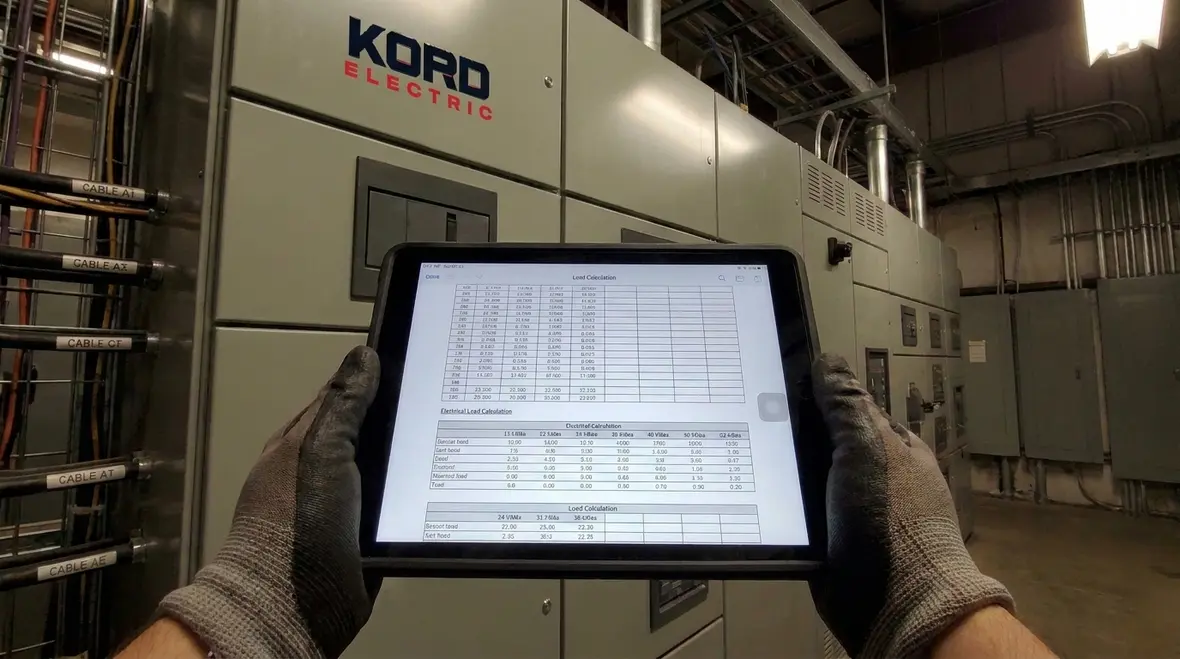
Safety is not a slogan in warehouse power distribution. It is an engineering outcome. Kord Electric builds safety around protective device coordination, proper grounding and bonding, and equipment ratings that match the duty of the facility.
To achieve this, we focus on the way faults propagate through the distribution system. When a fault occurs, the protective devices must detect it and clear it with the right speed, in the right location, and with the right sequence. Therefore, we use studies that show time current behavior so settings do not conflict.
We also pay attention to arc flash risk. For major property buildings and industrial facilities, arc flash analysis is not optional busywork. It informs labeling, protective boundary decisions, and safety procedures. Then we align switchgear and panel design with those results so the facility can operate with predictable safety controls.
In addition, grounding systems matter more than people think. A stable grounding approach reduces shock hazards and helps protection devices perform as designed. Meanwhile, proper bonding and conductor integrity keep stray currents from creating hot spots or nuisance behavior.
Now for a small joke, because we have earned it. If anyone tells you “the safety plan is in the drawer,” we respond, “Sure, but electricity does not read drawers.” Then we make sure documentation and field practices match the design intent.
Designing for efficiency across phases, upgrades, and tech changes
Warehouses rarely stay the same. Equipment changes, lighting gets upgraded, automation expands, and charging demand grows. So, we design for staged deployment and future integration. That means the system should accept new loads without chaotic rework or major downtime.
First, we plan space and routing. We account for cable tray capacity, conduit paths, and switchgear expansion options. Then we specify distribution segments that can grow with the facility. As new tenants bring new processes, we can add circuits without redesigning the entire backbone.
Next, we consider how efficiency upgrades affect electrical behavior. For instance, high efficiency motors and variable frequency drives may reduce energy use, but they also bring harmonic and noise considerations. Therefore, we check compatibility and coordinate protection again when changes occur.
Then we make smart choices for power monitoring. With the right metering and visibility, others can track demand, identify abnormal trends, and make corrective decisions early. That means fewer surprises and faster response times, especially when someone notices a pattern like “the facility looks fine, but power quality is not.”
Finally, our technicians explain the operational benefits of good design. They show what performance targets we aim for and what maintenance items matter most, so the facility stays efficient even after years of use.
To support this approach, we reference our warehouse efficiency principles from our blog article on advanced power distribution for warehouse performance, where we discuss how planning, metering, and coordination improve reliability. You can review that deeper breakdown on our site at kordelectric.com.
Many of these efficiency decisions also pair well with broader strategies like Los Angeles County commercial and industrial electrical services that look at your facility as a whole system instead of a series of isolated projects.
Commissioning, testing, and field support that close the gaps
Great engineering does not end at drawings. It ends when the system proves it can run safely and predictably. That is why Kord Electric supports commissioning and performance verification for commercial and industrial warehouses and major property buildings.
During commissioning, we verify labeling, polarity, connections, and protective device settings. We also test insulation resistance, check continuity, and confirm that protective functions operate as intended. Then we validate that the system achieves expected voltage performance under load.
In many projects, the real world introduces small changes. A conduit route shifts, a panel schedule gets updated, a contractor swaps a component. Therefore, we manage those changes through a controlled process so the electrical design intent survives construction.
And when the facility starts running, our expert service staff remains engaged. They help troubleshoot early issues with a calm, methodical approach. Instead of blaming “mystery power,” we look for measurable causes, review load behavior, and confirm that settings match the design basis.
In other words, we do not leave after the last punch list item. We stay close enough to keep the system healthy as the warehouse ramps up, because that is when problems either get corrected or get expensive.
For teams building a broader reliability roadmap, Warehouse Power Distribution Engineering: Design, Capacity & Safety often becomes the backbone that supports emergency power projects, targeted maintenance, and upgrades over time.
FAQ
Quick outcomes clients expect
- More stable voltage and less nuisance tripping
- Selective fault clearing to protect uptime
- Clear documentation for operators and service teams
- Safer operations with coordinated protection
What we review during design
- Motor starts, duty cycles, and peak demand
- Lighting zones and power quality needs
- Charging loads and operating schedules
- Short circuit levels and interrupt ratings
Ready for a distribution plan built for uptime?
If your warehouse runs on tight schedules, every electrical problem feels like a delayed shipment. Kord Electric helps commercial and industrial facilities build Warehouse Power Distribution Engineering: Design, Capacity & Safety that supports real loads, safer protection, and smoother upgrades. Reach out to us for an engineering review, capacity check, or a new distribution design. Our technicians and expert service staff will walk you through options in plain language, so you can act with confidence. Let us help you keep power predictable and operations steady, one project at a time.
When you are ready to move from “we think the system can handle it” to a documented power strategy, you can also explore dedicated support through Kord Electric’s Los Angeles County electrical services for commercial and industrial facilities, built for warehouses, production spaces, and major property buildings that rely on uptime.