Electrical Fire Prevention for Commercial Buildings
In large commercial and industrial buildings, power moves like a quiet river behind the walls. It lights production floors, drives data centers, and keeps tenants comfortable. Yet without careful attention, that same power can become a threat. At Kord Electric, our approach to electrical fire prevention begins long before a spark ever appears. We believe that safety is not a lucky accident. It is a system, built on planning, inspection, and expert action. Through disciplined procedures and the steady guidance of our experienced technicians, we help major facilities reduce risk, protect assets, and keep operations running without interruption.
Because when a building goes dark, business does not pause politely. It stops. And in our line of work, prevention is always more cost effective than recovery.
Understanding Electrical Fire Prevention in Commercial and Industrial Facilities
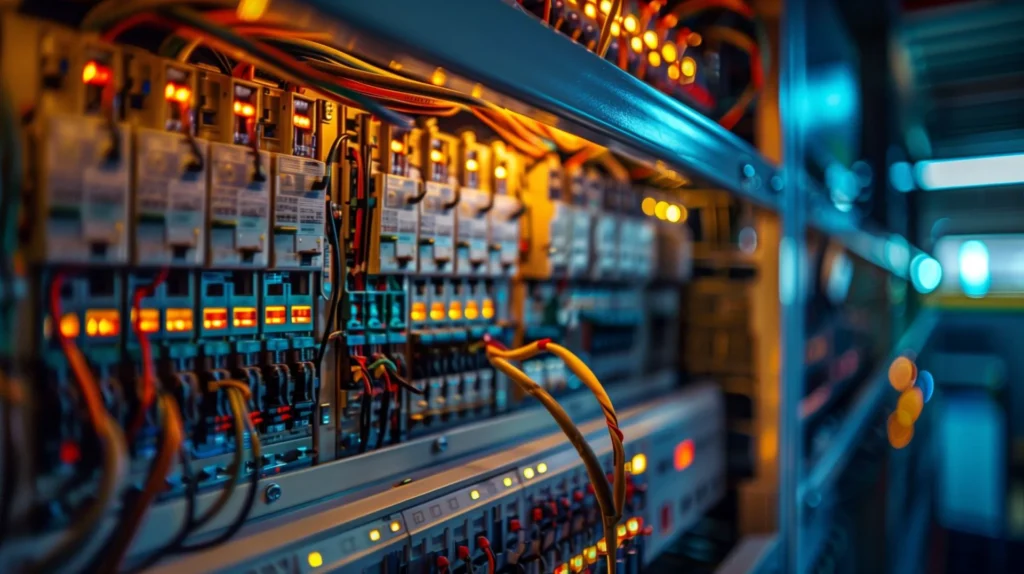
Electrical systems in large facilities are complex ecosystems. Panels feed subpanels. Subpanels feed heavy equipment. Backup generators stand ready. Meanwhile, switchgear hums quietly in secured rooms that few people ever see. However, complexity creates opportunity for failure if it is not managed with care.
Electrical fire prevention in commercial properties focuses on identifying heat, load imbalance, arc faults, and deteriorating components before they escalate. Unlike residential settings, industrial environments carry higher voltages, heavier loads, and constant operational demand. Therefore, small weaknesses can quickly become serious hazards.

At Kord Electric, our expert service staff explains risk in clear language. They do not drown facility managers in jargon. Instead, they walk them through what is happening behind each panel door. Moreover, they outline how proactive maintenance protects both infrastructure and people.
While movies make electrical fires look dramatic with sparks flying like a sci fi finale, reality is quieter and more dangerous. Most incidents begin with heat building slowly over time. Prevention, then, becomes a discipline of awareness, documentation, and action.
For facility teams that want to go deeper into planned inspections and long-term reliability, integrating structured programs similar to those described in electrical preventive maintenance services can further strengthen their electrical fire prevention strategy.
How Overloaded Circuits and Aging Infrastructure Increase Fire Risk
Modern commercial properties evolve. Tenants add equipment. Production lines expand. Data demands grow. Yet often, the original electrical infrastructure remains unchanged. Consequently, systems operate closer to capacity than intended.
Overloaded circuits generate heat. Heat weakens insulation. Weak insulation invites arcing. And arcing can ignite nearby materials. It is not dramatic. It is mechanical and predictable.
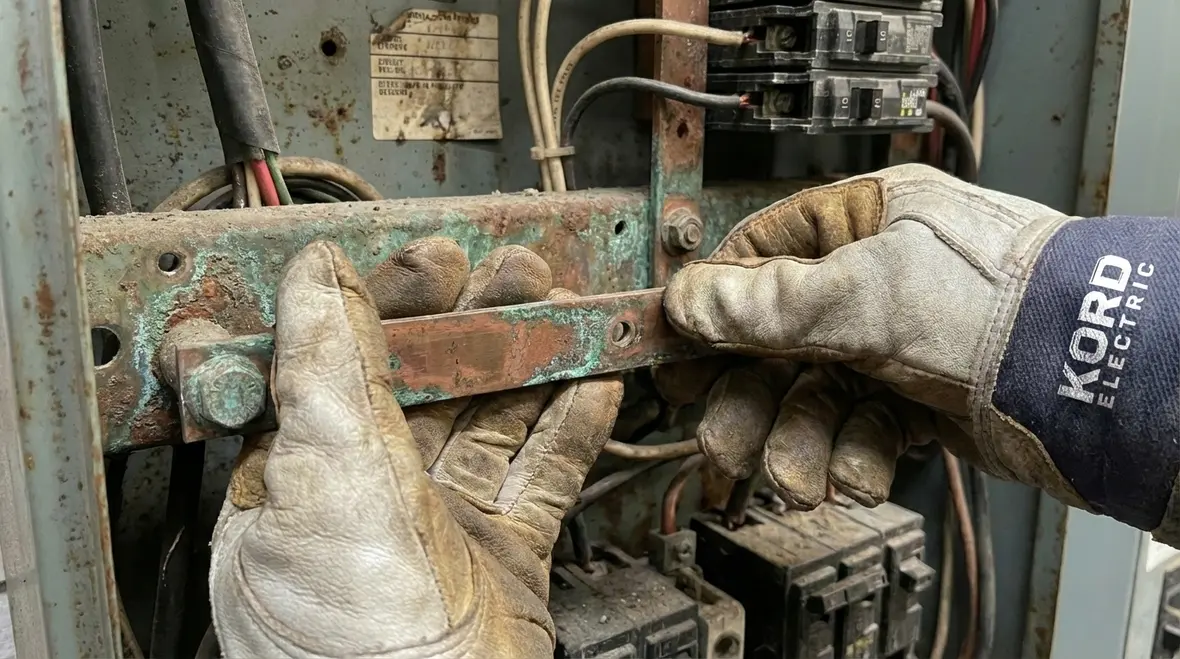
Our technicians routinely assess load distribution across panels and feeders. They measure demand during peak hours. They verify that conductors match current requirements. Additionally, they inspect bus bars and connections for discoloration or corrosion. These details may seem small. However, they reveal early warning signs that others might overlook.
In aging industrial facilities, insulation breakdown is another concern. Over time, vibration, temperature shifts, and dust exposure degrade wiring. Therefore, we recommend scheduled evaluations that align with equipment lifecycle expectations.
Although it may be tempting to postpone upgrades, especially when operations feel stable, stability can be misleading. Electrical systems rarely fail without warning. They whisper first. Our job is to listen.
Inspection Protocols That Strengthen Electrical Fire Prevention

Strong inspection protocols form the backbone of any fire risk reduction strategy. At Kord Electric, we design inspection schedules tailored to commercial and industrial environments, not generic templates.
First, we perform thermal imaging scans. These scans identify hot spots invisible to the naked eye. Because excessive heat precedes failure, thermal diagnostics allow intervention before damage spreads.
Next, we examine torque settings on terminations. Loose connections create resistance. Resistance creates heat. Therefore, verifying manufacturer torque specifications is not optional. It is essential.
We also review protective device coordination. Breakers and relays must trip correctly under fault conditions. Otherwise, energy flows longer than it should, increasing fire potential. Consequently, proper coordination studies are a cornerstone of responsible facility management.
Furthermore, we document every finding in detailed reports. Facility managers receive clear summaries with action steps prioritized by urgency. Our experienced technicians take time to explain each recommendation. They answer questions patiently. After all, an informed client makes confident decisions.
It may not be glamorous work. No one films documentaries about properly torqued lugs. Yet these quiet actions keep buildings safe.
For organizations focused on minimizing downtime and avoiding emergency callouts, pairing these inspections with ongoing electrical preventive maintenance programs helps transform fire prevention from a one-time event into a continuous, trackable process.
Building a Culture of Electrical Fire Prevention Through Staff Awareness
Technology alone cannot eliminate risk. People play a critical role. In large facilities, maintenance teams and operations staff interact with electrical systems daily. Therefore, awareness training strengthens overall safety.
Kord Electric collaborates with facility leadership to outline practical observation guidelines. For example, staff learn to report unusual odors, buzzing sounds, or recurring breaker trips. While these signs may seem minor, they often signal developing issues.
Moreover, we emphasize proper housekeeping in electrical rooms. Storage should never encroach on clearance spaces. Dust accumulation should be minimized. Because even a well designed system becomes vulnerable when blocked airflow traps heat.
Our service staff delivers these explanations in a calm, straightforward manner. They do not lecture. Instead, they empower teams. And occasionally, they add a light remark to keep the session engaging. As one of our senior technicians likes to say, electricity deserves respect, not fear. It is powerful, not magical. Though if it were magical, at least someone could cast a spell to fix neglected maintenance.
When awareness spreads across departments, prevention becomes shared responsibility rather than a checklist item.
Advanced Monitoring and Preventive Maintenance Strategies
In high demand industrial environments, real time monitoring provides a critical advantage. Sensors track load fluctuations, temperature changes, and fault events. Because data reveals patterns, facility managers can anticipate stress before components fail.
Preventive maintenance schedules should align with operational cycles. For instance, facilities that operate around the clock require more frequent evaluation than those with predictable downtime. Consequently, we tailor service intervals to actual usage rather than arbitrary calendars.
Proactive vs. Reactive Electrical Fire Prevention
Proactive Measures
- Regular thermal imaging scans
- Load analysis during peak demand
- Scheduled component replacement
- Documented maintenance history
Reactive Responses
- Emergency repair after visible smoke
- Investigation after breaker failure
- Replacement only after system shutdown
- Uncertain service records
While both columns involve electrical work, only one protects uptime and reduces liability. Electrical fire prevention thrives in the left column. Meanwhile, the right column often involves long nights, insurance calls, and uncomfortable board meetings.
Additionally, arc flash assessments contribute to broader safety. Although arc flash focuses on personnel protection, the analysis often reveals equipment vulnerabilities that could escalate into fire hazards. Therefore, integrated studies strengthen both human and structural safety.
For sites already experiencing nuisance trips, unstable loads, or equipment disruptions, addressing issues such as voltage fluctuations in commercial and industrial facilities becomes an important companion effort to electrical fire prevention. Stable power and disciplined maintenance work hand in hand to keep systems safe.
What Should Facility Managers Ask About Electrical Fire Prevention?
Facility managers carry immense responsibility. They balance budgets, tenant expectations, regulatory compliance, and operational continuity. Therefore, asking the right questions becomes essential.
They should ask whether their facility has undergone a recent load study. They should confirm that protective devices match current operational demands. Furthermore, they should request documentation of the latest infrared inspection.
At Kord Electric, our expert service staff welcomes these conversations. We provide clear answers supported by data. If upgrades are necessary, we outline scope, timeline, and impact transparently. Because trust grows when information flows freely.
Managers should also review emergency response planning. Although prevention remains the priority, preparedness reduces damage if an incident occurs. Coordinated shutdown procedures and accessible disconnects can limit escalation.
In large properties, even small oversights multiply quickly. However, consistent evaluation keeps risk manageable. And while no system can promise absolute immunity, disciplined oversight significantly lowers exposure.
Partnering With Experts Who Prioritize Prevention
Choosing a qualified electrical contractor for commercial and industrial properties is not merely a procurement decision. It is a strategic partnership. Facilities require technicians who understand high capacity systems, complex switchgear, and mission critical environments.
Kord Electric focuses exclusively on commercial, industrial, and major property buildings. Our teams approach each project with methodical precision. They assess, explain, document, and execute. Moreover, they maintain a steady presence long after initial work concludes.
Because electrical fire prevention depends on continuity, we build long term relationships with facility operators. Our technicians become familiar with each site’s infrastructure. They recognize patterns. They notice subtle changes. Consequently, their recommendations grow more refined over time.
There is comfort in knowing that experienced eyes monitor the systems powering your operations. It is a bit like having a seasoned pilot in the cockpit. You may not see every adjustment. Yet you trust that someone skilled guides the journey.
For facilities that need both preventive expertise and rapid response when issues surface unexpectedly, partnering with a team that also provides structured emergency electrical services ensures that electrical fire prevention is supported by 24/7 backup when it matters most.
FAQ About Electrical Fire Prevention in Commercial and Industrial Buildings
Conclusion
Electrical systems power opportunity, productivity, and growth. Yet without disciplined oversight, they can threaten everything they support. Kord Electric stands ready to guide commercial and industrial facilities with steady expertise, practical insight, and unwavering commitment to safety. If your property demands reliable performance and thoughtful electrical fire prevention, our experienced team is prepared to help. Connect with us today, and let us protect what keeps your operation moving forward.
Whether you are planning a long-term maintenance strategy, solving power quality issues, or preparing for future expansion, our team can help align inspections, upgrades, and emergency response into one cohesive plan. Explore our dedicated electrical preventive maintenance services to see how structured programs support safer, more reliable operations across commercial and industrial portfolios.