Electrical Load Testing for Utilities: Methods & Best Practices for Safer Power
At Kord Electric, we build electrical certainty, especially for commercial and industrial facilities and major property buildings. That is why our teams guide Electrical Load Testing for Utilities: Methods & Best Practices with a practical, field proven approach. Load testing for utilities is not a vague idea. It is a controlled way to confirm that a utility feed, transformer, switchgear, and downstream system deliver power the way the design intends. When we plan these tests correctly, we reduce surprises, protect critical equipment, and improve reliability for the customers who depend on the power every hour of every day.
And yes, it can sound as exciting as watching paint dry. Yet in our world, paint dry is actually a gift. It means the system behaved as expected. Others might call it “boring.” We call it “responsible engineering.”
Why utility load testing matters more than spreadsheets
Most facilities plan around nameplate ratings, utility bills, and single point measurements. However, real life has peaks, harmonics, temperature effects, and operating schedules that shift like a sitcom plot twist. Therefore, utilities and customers need proof, not assumptions. Electrical load testing for utilities verifies performance under realistic demand, including momentary surges and longer operating windows.
In a commercial or industrial setting, the stakes rise quickly. HVAC loads cycle. Manufacturing lines ramp. Data and communications gear stay online through the whole story. When the upstream system runs into hidden limits, the symptoms show up later as voltage drop, unstable operation, nuisance alarms, overheating, or shortened equipment life. By contrast, well planned testing helps teams catch the root cause early, so maintenance money goes where it actually helps.
Our technicians and expert service staff explain the “why” step by step. They do not rush the conversation, and they avoid the kind of jargon that makes people nod politely while thinking, “I hope this ends soon.”
How we plan a load test for commercial and industrial sites
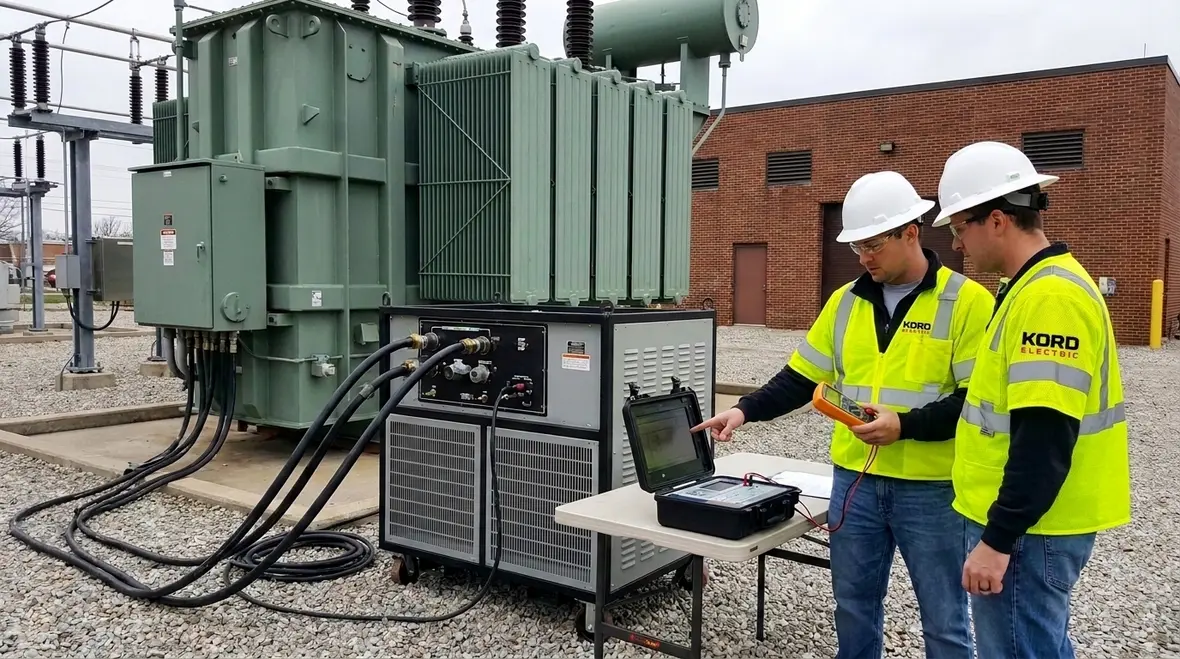
Planning decides whether the test becomes useful or simply busy. First, we review utility data, single line diagrams, equipment ratings, and the facility’s operating profile. Then we coordinate the test window with facility leadership so critical processes either remain steady or are placed into a controlled operating mode.
Next, we define the test objectives. We might verify transformer capacity under load, evaluate voltage regulation at the service point, or confirm switchgear performance. Once the objectives lock in, we select the test approach, including load steps and duration. In many cases, we test across several demand levels rather than just one point. That way, we do not treat the electrical system like a one hit wonder.
Then we set up safety controls, metering points, and data capture. After that, our team confirms that the measurement plan captures what matters. For example, we plan for power factor, current levels, voltage stability, frequency, and harmonics when they affect sensitive loads.
Methods for Electrical Load Testing for Utilities: from static checks to staged demand
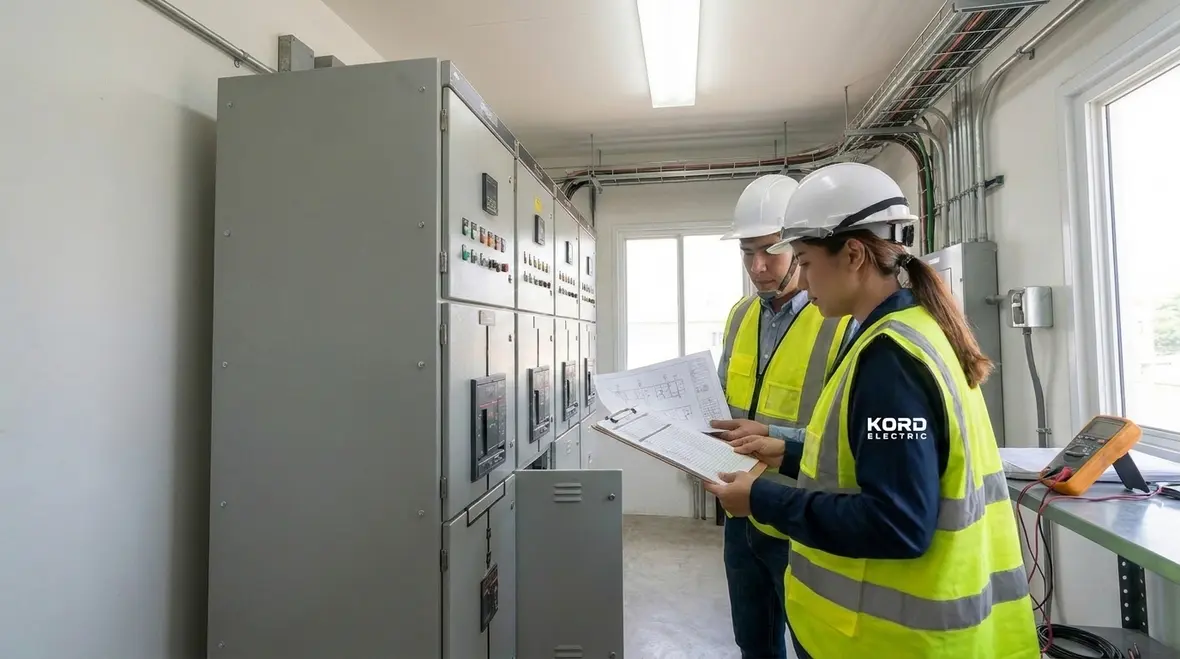
Utilities and major property buildings need different testing methods depending on the system design and risk level. At Kord Electric, we use a staged approach that stays practical on site. We match the method to the equipment and the questions the client needs answered.
1. Baseline and health snapshot
Before loading increases, we capture baseline readings. We also verify the measurement points and confirm the system is behaving normally. This step prevents “false alarms,” where a bad connection or misconfigured meter steals the spotlight.
2. Incremental load steps
Next, we apply load in controlled steps. We hold each step long enough to see stable voltage and current behavior. Then we record trends and compare them to engineering expectations and utility constraints.
3. Full load or near full load verification
When the facility can support it, we test at higher levels to confirm performance near the operational boundary. We keep a careful eye on transformer temperature rise indicators, conductor loading, and any sign of stress at terminations and connections.
4. Harmonics and power quality evaluation
Many commercial and industrial sites use drives, rectifiers, and power electronics. Therefore, we evaluate how non linear loads affect power quality. Harmonics can lead to overheating and inefficiency, and sometimes they hide in plain sight until the next failure report arrives.
Throughout the work, our expert service staff explains what the data means in plain language. We do not just hand over a PDF and disappear. We walk through the findings, highlight what changed during each stage, and connect the results to real maintenance and reliability decisions. For deeper reading on related topics, many facility teams also review resources like commercial electrical load testing for safer power in our Kord Electric blog.
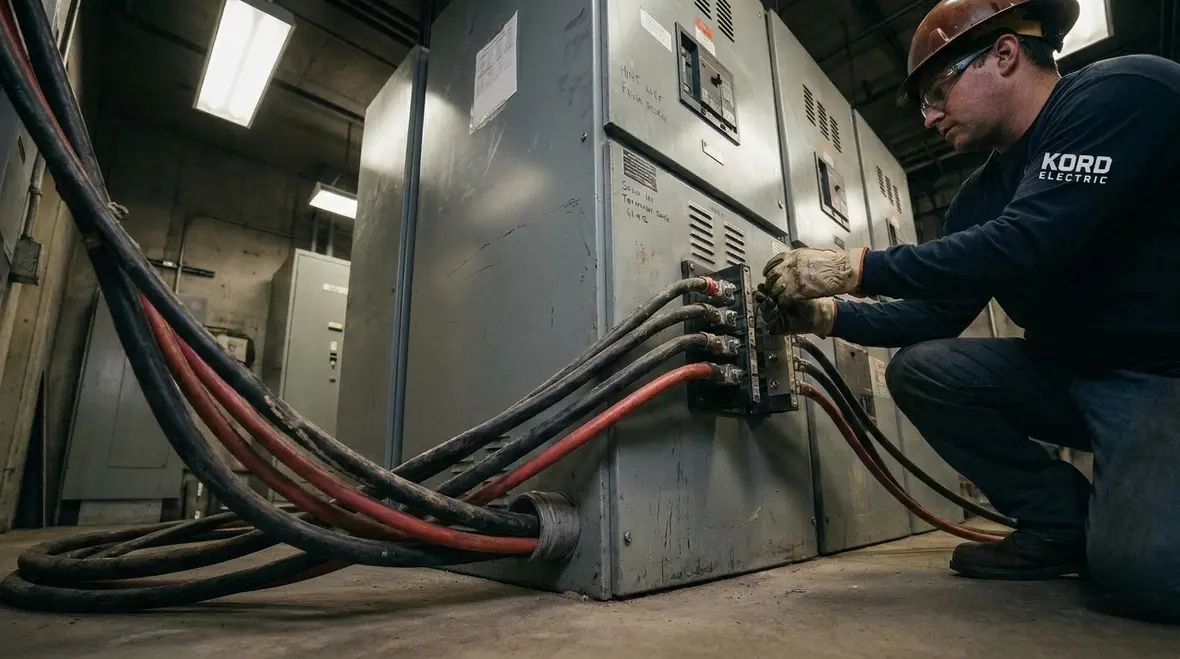
What our technicians watch during the test and why it matters
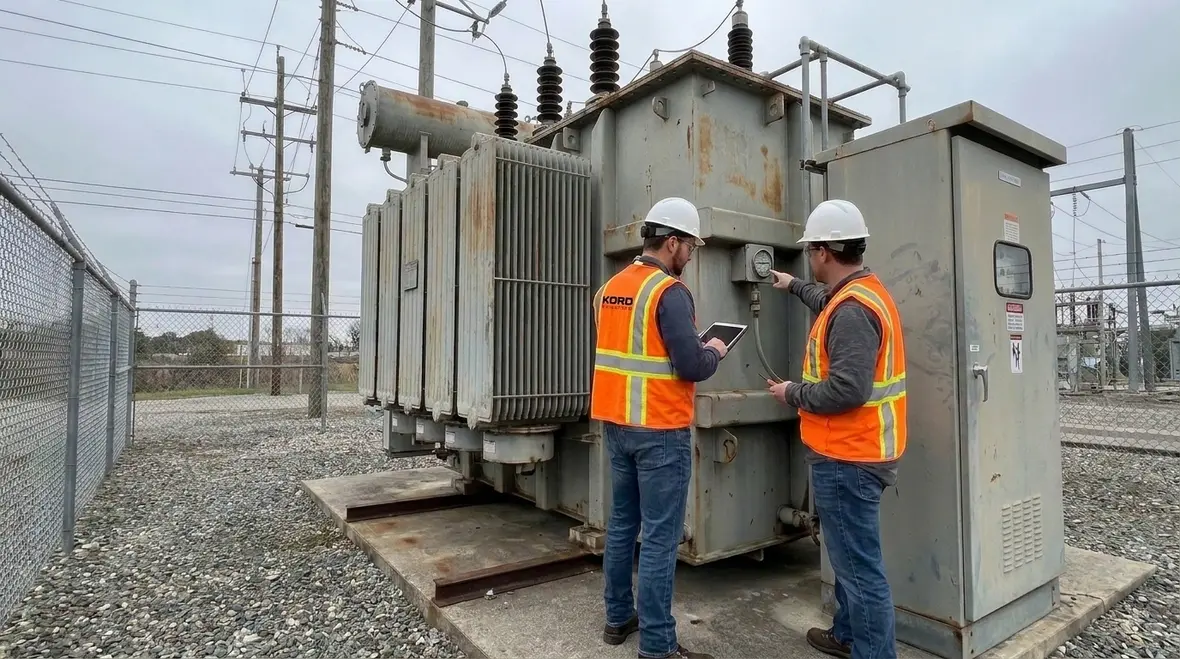
We treat load testing like a controlled investigation. So during the test, our technicians watch more than one number. Voltage tells one story. Current tells another. Together, they tell the truth about the whole path.
Here are the key areas we monitor for commercial and industrial systems and major property buildings:
- Voltage regulation at the service point and at downstream critical panels, because even small drops can stress motors and sensitive electronics
- Current loading on feeders and transformers to confirm we stay within thermal and design limits
- Phase balance since uneven loading can cause overheating and premature wear
- Power factor and system efficiency to understand how loads interact with the supply
- Temperature indicators and evidence of hotspot behavior, because heat reveals problems sooner than failure does
- Harmonic impact when modern loads contribute to distortion and nuisance operation
Then we compare the recorded behavior against the facility plan and utility requirements. If something looks off, we do not panic. We troubleshoot. We verify connections, check measurement points, and refine the understanding of where the problem originates.
As our team likes to say, “Electricity does not care about your deadlines.” In other words, we respect the process so the results are defensible and useful for decision making.
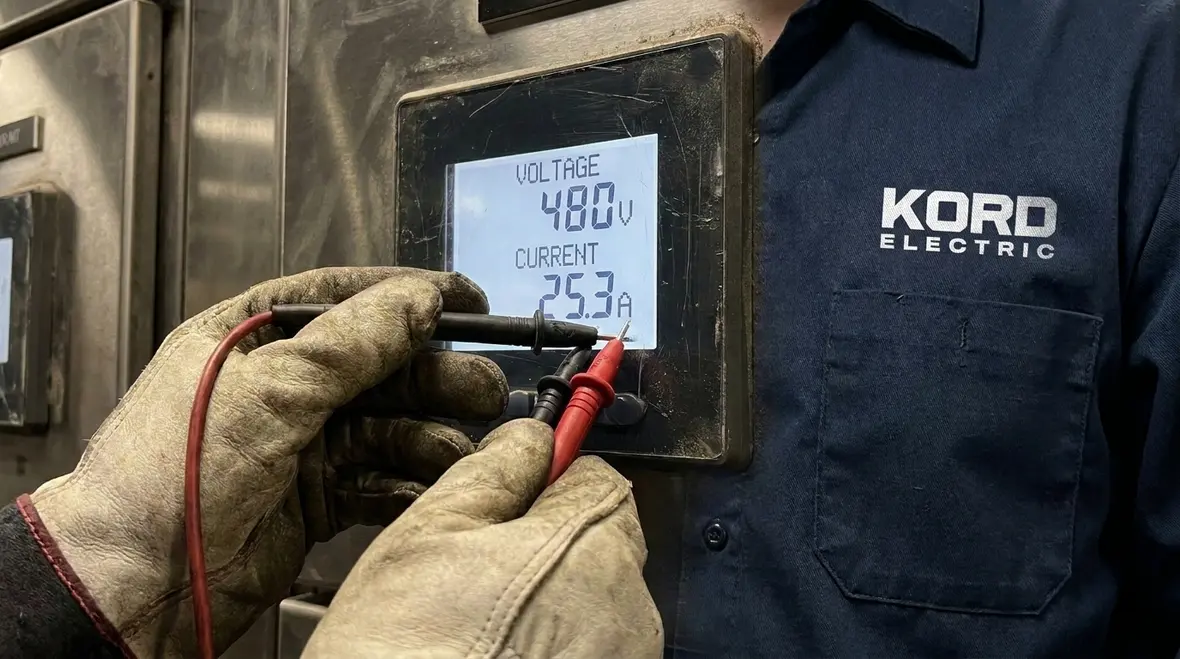
Turning test results into a safer utility and facility plan
After the field work, the next step matters just as much as the test itself. We translate the measurements into actionable recommendations that match commercial and industrial realities. Some clients want immediate maintenance items. Others want longer term planning, capital budgeting, and prioritized upgrades.
Our team often organizes recommendations into tiers. First, we address critical risks that can affect operations. Next, we suggest improvements that reduce operating cost and equipment stress. Finally, we recommend monitoring strategies for long term reliability. This layered approach helps leadership focus on what to do now and what to schedule later.
To keep the process calm and clear, our expert service staff explains the “so what” behind each finding. They explain how voltage behavior relates to motor starting, why power factor changes might increase losses, and how harmonics can affect sensitive equipment. And yes, sometimes we gently point out that “it passed once” does not mean “it will pass every season.”
At Kord Electric, we also align results with the broader building electrical system. That means we look at protective device settings, feeder coordination, and downstream load behavior, so upgrades actually solve the problem, not just move it. For organizations planning larger reliability strategies, this work often connects naturally to services such as Los Angeles County electrical services for commercial and industrial facilities, where testing, maintenance, and upgrades support one another.
Common pitfalls in utility load testing and how we avoid them
Even strong plans can fail when teams cut corners. Below are mistakes we commonly prevent for commercial and industrial facilities and major property buildings.
- Testing without a clear objective so the results do not answer the real question leadership has
- Insufficient load steps where the system only gets tested at one demand point and misses instability
- Wrong measurement locations so the data reflects instrumentation issues rather than system performance
- Not coordinating with facility operations so the test creates chaos instead of controlled conditions
- Skipping power quality evaluation when the site uses drives and modern electronics
- Overlooking safety controls so the testing process becomes risk without reward
We avoid these pitfalls by using a structured plan, a field check workflow, and a technician led execution. Our team stays focused on what changes during each test stage and how those changes relate to the equipment under real demand.
Frequently Asked Questions
Our approach builds confidence, not guesswork
Commercial and industrial power demands do not pause for uncertainty. So when clients need proof, Kord Electric delivers Electrical Load Testing for Utilities: Methods & Best Practices with clear planning, careful measurements, and expert technicians who explain every result in plain terms. If your facility faces upgrade decisions, reliability concerns, or a need to validate utility performance, we will help you move forward with confidence.
Alongside testing, many organizations also pair this work with broader reliability strategies such as preventive maintenance, emergency power planning, and distribution upgrades, so each project strengthens the next. When you connect structured load verification with services like commercial electrical load testing, surge protection, and emergency power design, your facility shifts from reacting to failures to managing risk with data.
If you are planning future expansions, modernizations, or resilience improvements, aligning Electrical Load Testing for Utilities: Methods & Best Practices with services such as commercial electrical load testing for safer power and county-wide commercial electrical support creates a clear roadmap. That way, every upgrade builds on measured performance instead of guesswork.
Commercial and industrial facilities across the region also rely on Kord Electric when they need integrated planning for emergency power, data center reliability, and scalable infrastructure that will support future growth without outgrowing today’s utility service. Careful, repeatable testing is one of the simplest ways to give leadership clarity about what the system can really handle.
Contact Kord Electric today to schedule a consult and build a safer, steadier power plan for your facility. When you are ready to connect Electrical Load Testing for Utilities: Methods & Best Practices with a broader service strategy, our team will help you turn field data into practical projects that protect people, equipment, and operations.